EN
EN
 fr
fr  de
de  es
es  it
it  ru
ru  pt
pt  ar
ar  ms
ms  id
id 

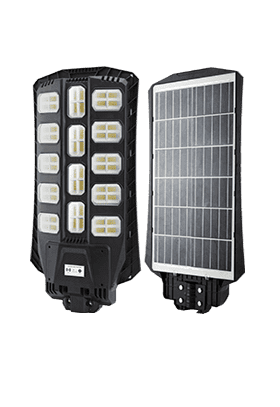
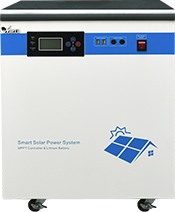


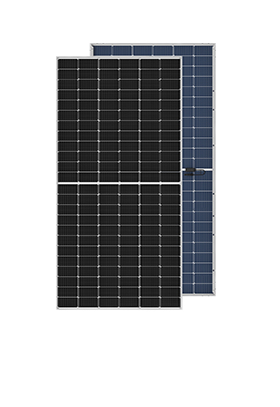
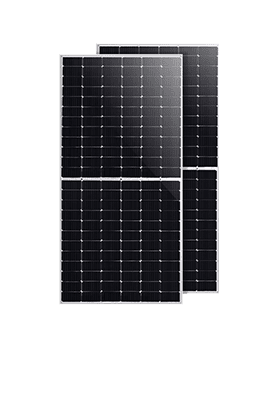
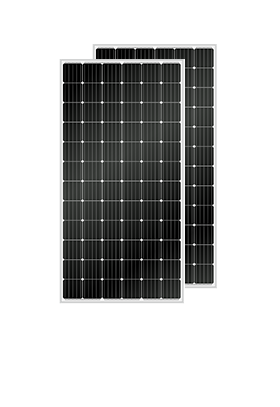
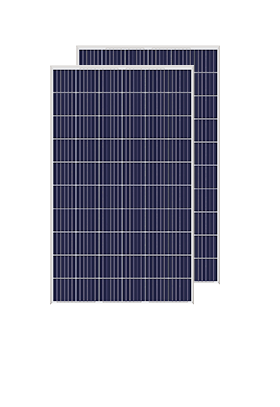


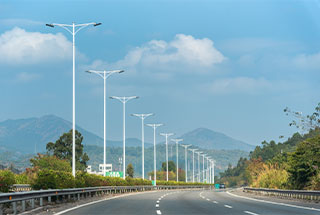
We have cooperated with more than 200 countries in solar energy projects and road lighting projects. We have exported products to many countries and participated in many important government projects around the world.




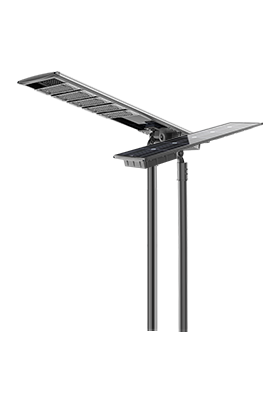


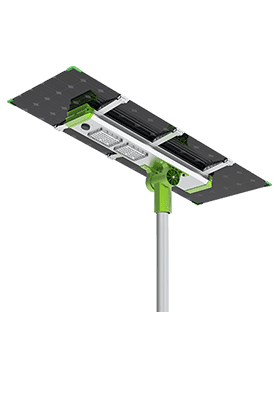




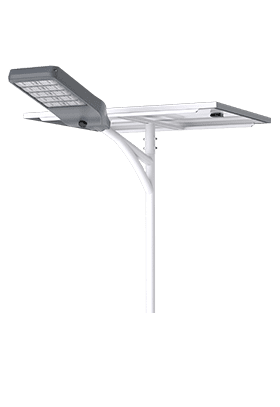
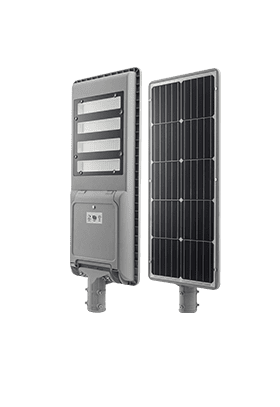
We have cooperated with more than 200 countries in solar energy projects and road lighting projects. We have exported products to many countries and participated in many important government projects around the world.

Anern has 17 years of experience in solar lighting and solar product manufacturing. Anern is headquartered in Guangzhou. With a production base of 30,000 square meters, our company has an R&D team of more than 100 people.
Not long ago, Wang Zhigang, Minister of Science and Technology of China, introduced at a series of press conferences on the theme of "China's Ten Years", and introduced that among China's scientific and technological innovation achievements in the past ten years, Solar photovoltaic is on the list, and it is an industry that ranks among the top in the world.
Chinese photovoltaics have only taken less than 10 years. 10 years may not be a long span for the development of an industry, but it means a lot of stories and experiences for the emerging industry of photovoltaics.
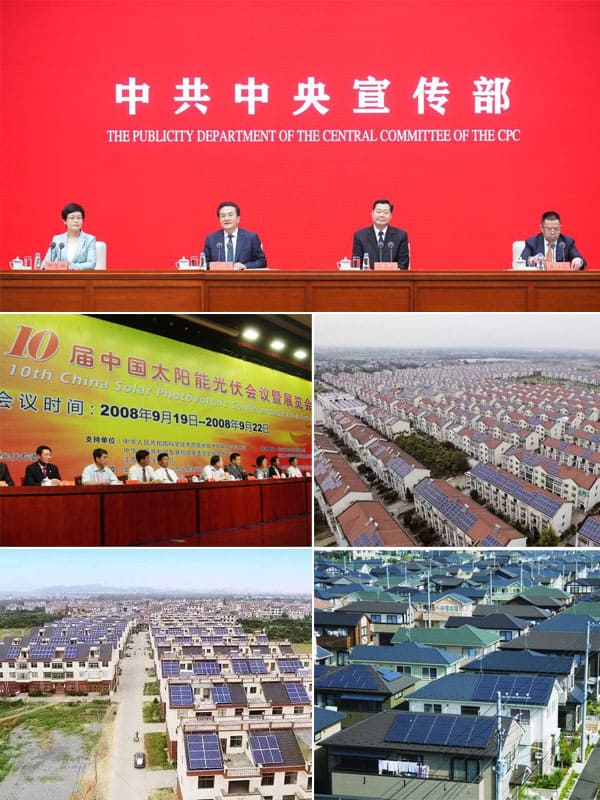
Technological innovation is an important force that cannot be ignored in the development of industries and enterprises.
Since 2012, the government has actively introduced relevant industrial policies in response to the domestic and foreign photovoltaic environment. From capital to market, from finance and taxation to land, a policy environment conducive to the development of the domestic photovoltaic industry has been quickly created. In the following decades, policies such as Electricity Subsidy, PV Leader, Household Photovoltaics, Green Certificate Trading and other policies have successively appeared, paving the way for the development and growth of the photovoltaic industry.
Leading companies in the photovoltaic industry, including Anern, are also continuously increasing their investment in technological innovation. In just a few years, the upstream, middle and downstream of the photovoltaic industry have achieved rapid growth.
Chinese enterprises live up to their expectations, speak with strength, and come up with scientific research results one after another. According to the data of China Photovoltaic Industry Association: by the end of 2015, the four core links of photovoltaic manufacturing: polysilicon, silicon wafers, cells and modules, the products of domestic enterprises ranked first in the world.
By 2020, in order to achieve carbon neutrality and to build a new power system with new energy as the main body, China has given PV a greater historical responsibility. Focusing on the implementation of the goals, the state has intensively introduced a number of new policies, creating a favorable policy environment for the future development of China's photovoltaic industry. China's photovoltaic industry has entered a new period of historical development.
In the ten years of China's photovoltaic development, innovative technology has always been the core driving force for the development of the industry. Looking forward to the future, from the perspective of carbon neutrality, by 2030, the world's newly installed photovoltaic capacity needs to reach 1500GW-2000GW. We believe that the development of China's photovoltaic industry will get better and better.