EN
EN
 fr
fr  de
de  es
es  it
it  ru
ru  pt
pt  ar
ar  ms
ms  id
id 






We have cooperated with more than 200 countries in solar energy projects and road lighting projects. We have exported products to many countries and participated in many important government projects around the world.




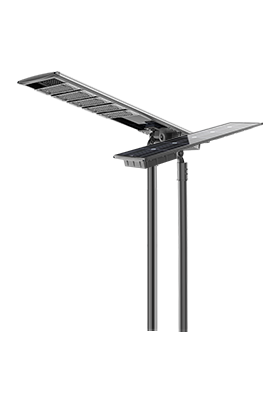


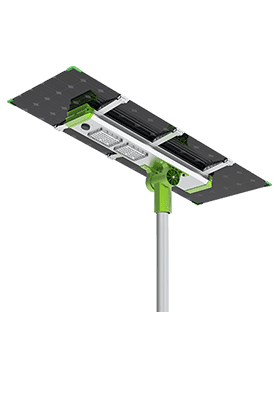
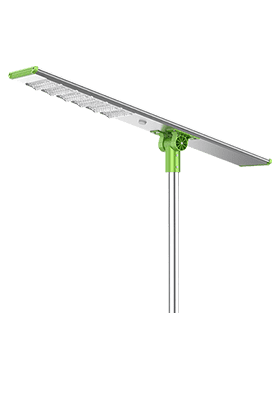
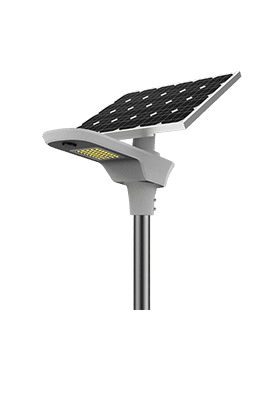


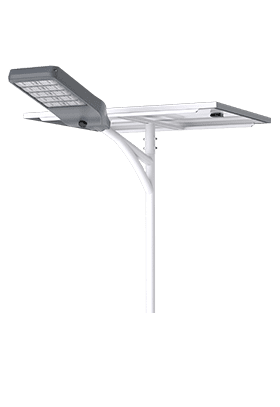
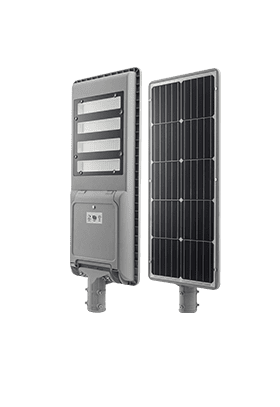
We have cooperated with more than 200 countries in solar energy projects and road lighting projects. We have exported products to many countries and participated in many important government projects around the world.

Anern has 17 years of experience in solar lighting and solar product manufacturing. Anern is headquartered in Guangzhou. With a production base of 30,000 square meters, our company has an R&D team of more than 100 people.
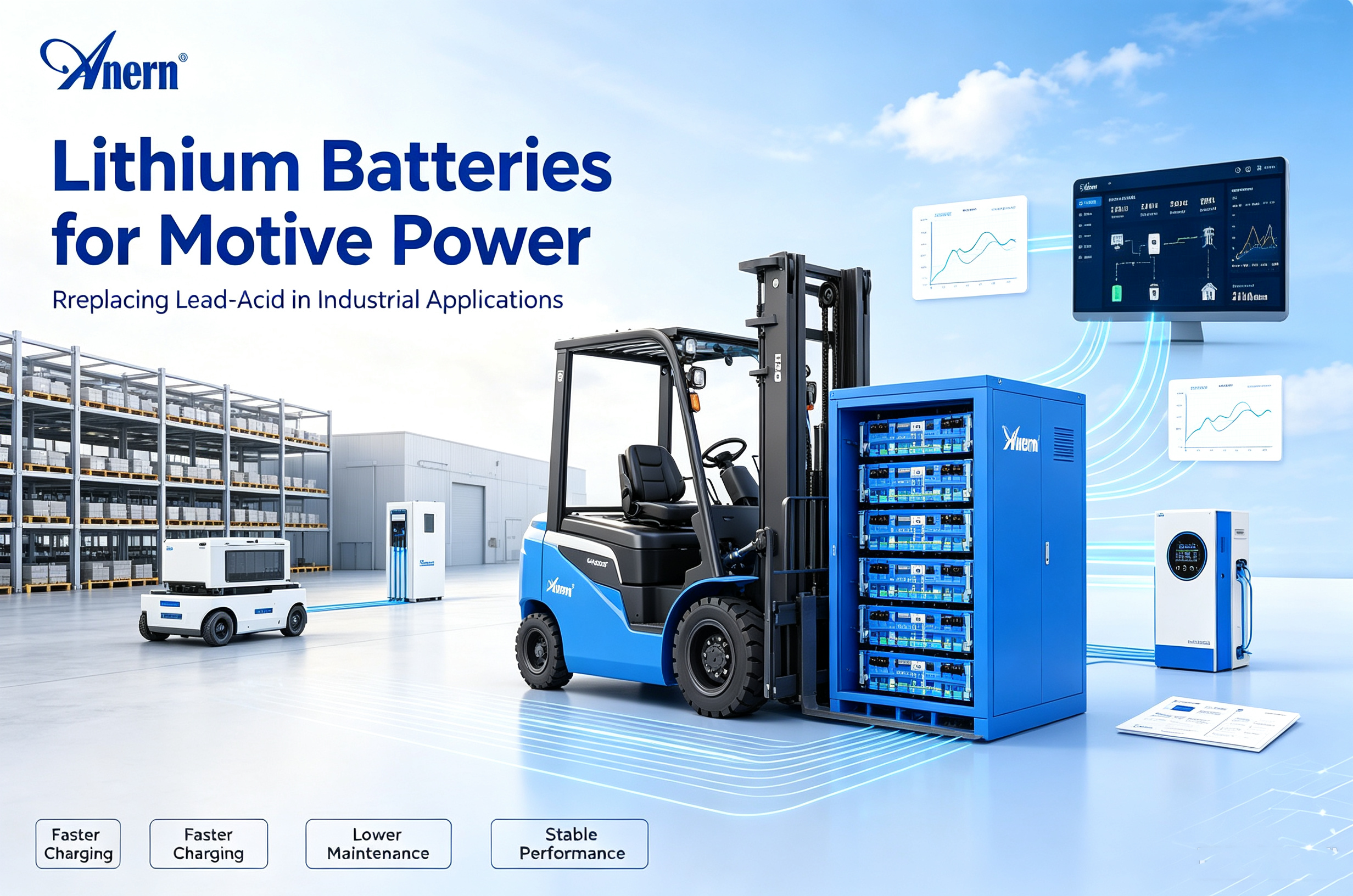
Industrial operations depend on motive power every day. Forklifts, electric pallet trucks, automated guided vehicles (AGVs), warehouse equipment, floor-cleaning machines, and other electrically powered vehicles require batteries that can deliver consistent energy while supporting repeated charging and discharging.
For decades, lead-acid batteries have been widely used for these applications. However, changing operating patterns are encouraging manufacturers and facility operators to consider lithium technology. Higher utilization rates, shorter charging windows, reduced maintenance requirements, and the need for more efficient fleet operation are making lithium batteries increasingly attractive.
A lithium battery is not simply a drop-in replacement for every lead-acid system. The right solution depends on voltage, capacity, discharge requirements, charging infrastructure, installation space, battery management, and operating conditions.
Lead-acid batteries remain established in industrial vehicles because they are familiar, widely available, and relatively straightforward to integrate. However, their characteristics can become challenging in intensive operations.
Traditional lead-acid batteries generally require longer charging periods and may need designated charging areas. They can also require regular maintenance, while their performance can be affected when equipment is repeatedly operated at high utilization.
For warehouses and factories running multiple shifts, battery downtime can directly affect equipment availability. A vehicle that needs to remain parked for extended charging periods may require additional battery packs or replacement vehicles to maintain productivity.
Lithium technology approaches the problem differently. Modern LiFePO4 batteries can support repeated charge and discharge cycles and can be integrated with battery management systems (BMS) to monitor operating conditions.
This makes lithium particularly relevant to motive-power applications where equipment is expected to work frequently rather than occasionally.
The main advantage of lithium technology is not simply energy density. For industrial users, the more important consideration is how the battery behaves throughout its operating cycle.
A properly specified lithium battery can provide stable electrical performance while supporting frequent charging. This is particularly useful for operations where vehicles return to charging stations during breaks or between tasks rather than following one long charge-discharge cycle.
LiFePO4 chemistry is also widely used for stationary and industrial battery applications because of its combination of cycle performance and thermal characteristics. Anern's product range, for example, includes multiple LiFePO4 configurations from compact batteries to higher-capacity commercial systems. Its 200Ah product range includes 25.6V, 48V, 51.2V, and 12.8V configurations depending on the model.
For equipment designers, this range provides greater flexibility when matching battery voltage and capacity to the electrical architecture of a machine.
When evaluating a replacement, buyers should compare the complete operating cycle rather than only the initial purchase price.
Factor | Lead-Acid | Lithium |
Charging behavior | Longer charging periods are common | Better suited to frequent charging |
Maintenance | Regular maintenance may be required | Generally lower routine maintenance |
Energy utilization | Performance can vary during discharge | More stable operating characteristics |
Cycle operation | Suitable for conventional duty cycles | Well suited to frequent cycling |
Space utilization | Larger battery configurations may be required | Higher energy density can reduce footprint |
Battery monitoring | Basic or external monitoring | BMS can provide intelligent monitoring |
Fleet operation | May require spare batteries for intensive use | Opportunity charging can simplify some operations |
The actual result depends on battery chemistry, equipment design, charger compatibility, ambient temperature, duty cycle, and charging strategy. Therefore, lithium should be evaluated as part of the complete motive-power system rather than as an isolated battery component.
Capacity is one of the most important specifications when replacing lead-acid batteries.
A 200Ah lithium battery, for example, can be suitable for equipment requiring substantial energy storage, but amp-hour capacity alone does not determine whether the battery is appropriate. Voltage must also be considered.
A 51.2V 200Ah lithium battery provides approximately 10.24kWh of nominal energy. Anern's 51.2V 200Ah LiFePO4 model is specified at 10kWh on its product page, with a maximum discharge current of 200A, RS232, RS485, and CAN communication interfaces, and an integrated BMS.
For motive-power applications, engineers should therefore evaluate:
Nominal voltage
Required operating voltage range
Continuous and peak discharge current
Daily energy consumption
Charging frequency
Available installation space
Communication requirements
Operating temperature
A battery with insufficient discharge capability may not perform correctly even if its nominal Ah rating appears adequate.
Industrial applications can have very different installation requirements.
A floor type lithium battery can be practical where equipment rooms or dedicated battery areas provide sufficient floor space. Anern lists a 48V 300Ah floor-type LiFePO4 configuration in its product portfolio and provides an installation guide specifically for this type of battery.
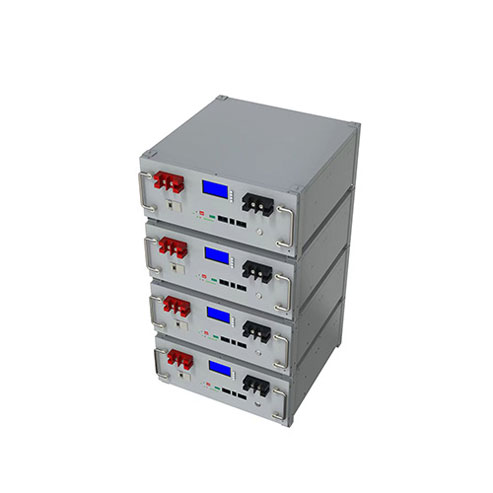
A rack mounted lithium battery, by comparison, is useful where multiple battery modules need to be organized within a cabinet or rack. Rack configurations can simplify centralized installation and provide a modular approach when energy requirements increase. Anern's rack-mounted range includes 25.6V 200Ah and 48V 100Ah/200Ah configurations.
For motive-power projects, however, the decision should be based on the physical architecture of the equipment and charging area. A battery designed for stationary rack installation should not automatically be treated as a direct replacement for a vehicle battery.
Not every motive-power application requires a 30kW, 50kW, or 100kW battery system. These power levels become more relevant when lithium storage is being used alongside industrial equipment, charging infrastructure, or larger energy-management systems.
Anern offers a 30–100kW commercial lithium battery energy storage system designed for industrial and commercial high-power equipment. Its product range also includes a 114kWh/50kW high-voltage lithium battery and a 215kWh/100kW high-voltage commercial solar battery.
For a factory operating a large electric-vehicle fleet, such systems can serve a different role from the individual battery installed in a forklift or AGV. They can provide centralized energy storage for charging infrastructure and help manage facility-level power demand.
This distinction is important: a 50kW lithium battery should be evaluated as a system-level energy solution, not simply as a larger version of a motive-power battery.
Successful lead-acid replacement requires more than selecting a battery with the same nominal voltage.
The charger must be compatible with the lithium battery's charging profile. The battery management system should communicate correctly with the equipment where communication integration is required. Mechanical dimensions, connectors, cables, protection devices, and thermal conditions also need to be checked.
Anern's lithium battery documentation supports communication through interfaces such as CAN and RS485 on applicable models, while its installation guidance emphasizes correct electrical connections, protection devices, ventilation, and BMS communication.
For industrial fleets, it is also useful to assess the complete operating pattern. Instead of asking only, "What battery capacity do we need?", buyers should ask:
1. How many operating hours are required per shift?
2. How frequently can the equipment be charged?
3. What is the maximum discharge demand?
4. How many vehicles operate simultaneously?
5. Is opportunity charging available?
6. What battery monitoring information is required?
These questions provide a much more reliable basis for selecting a lithium solution.
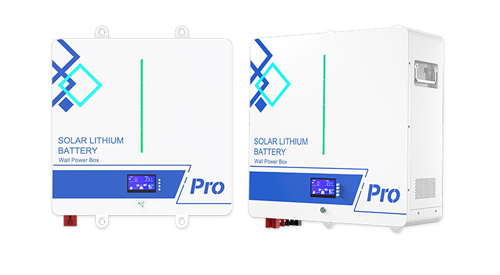
Anern's lithium battery portfolio covers multiple form factors and capacity levels, from 200Ah LiFePO4 battery configurations to rack-mounted and high-voltage commercial systems. Its range includes wall-mounted, floor-type, rack-mounted, and commercial lithium batteries, allowing system designers to select different architectures according to project requirements.
For buyers evaluating an Anern lithium battery, the key benefit is the breadth of available configurations rather than one universal battery model. Depending on the application, an Anern battery can be considered as part of a standalone battery installation, a larger energy-storage system, or an integrated solar-plus-storage solution.
For motive-power projects, the final selection should still be based on equipment specifications, duty cycle, charging strategy, and electrical compatibility.
Replacing lead-acid batteries with lithium technology can be a practical strategy for industrial operations seeking higher equipment availability, lower routine maintenance, and more flexible charging.
However, successful conversion depends on proper system matching. Voltage, capacity, discharge current, battery chemistry, BMS communication, charger compatibility, installation configuration, and operating patterns all need to be evaluated together.
From 200Ah LiFePO4 battery solutions to floor-type and rack mount lithium battery configurations, as well as larger 30kW, 50kW, and 100kW energy-storage systems, lithium technology now covers a broad range of industrial power requirements. Anern's diversified battery portfolio provides multiple options for projects moving beyond conventional lead-acid power systems.