EN
EN
 fr
fr  de
de  es
es  it
it  ru
ru  pt
pt  ar
ar  ms
ms  id
id 



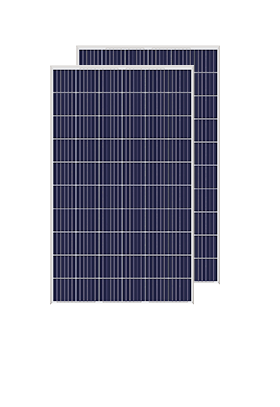



We have cooperated with more than 200 countries in solar energy projects and road lighting projects. We have exported products to many countries and participated in many important government projects around the world.




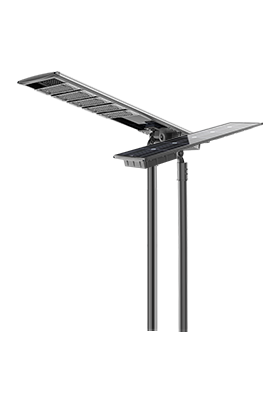


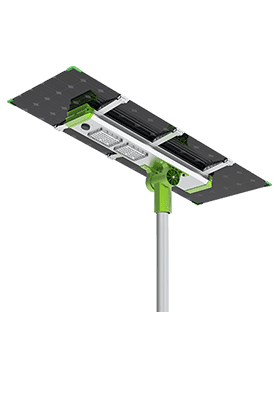
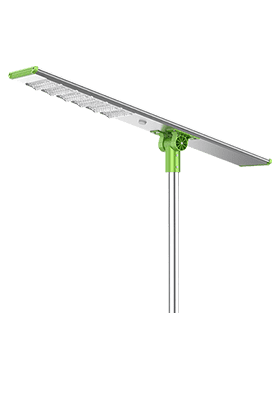
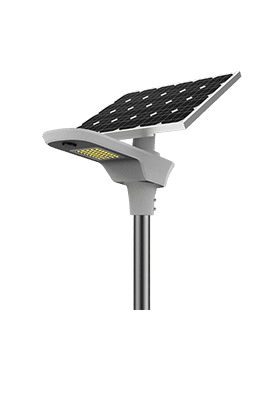


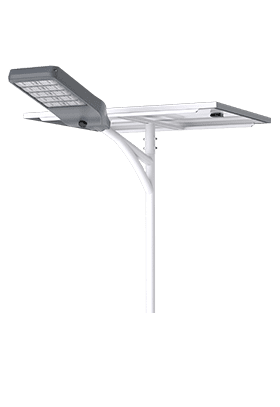
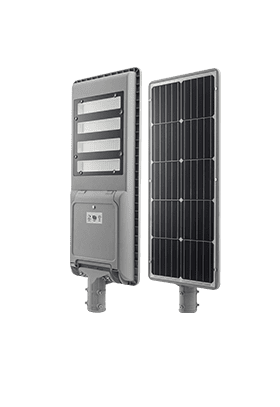
We have cooperated with more than 200 countries in solar energy projects and road lighting projects. We have exported products to many countries and participated in many important government projects around the world.

Anern has 17 years of experience in solar lighting and solar product manufacturing. Anern is headquartered in Guangzhou. With a production base of 30,000 square meters, our company has an R&D team of more than 100 people.
Reliable electricity remains a challenge for many rural communities worldwide. While grid expansion continues in many developing regions, remote villages, farms, mountain cabins, and agricultural facilities often experience unstable power supplies or have no utility connection at all. Solar energy has become one of the most practical solutions for improving energy access, reducing fuel costs, and supporting sustainable development.
When planning a rural solar power system, one of the most important decisions is choosing the right inverter. Buyers often compare hybrid solar inverters and traditional off-grid inverters, wondering which solution offers the best balance of reliability, flexibility, and long-term value.
Although both technologies convert solar energy into usable electricity, they are designed for different operating environments. Understanding their differences will help homeowners, project developers, distributors, and EPC contractors select the most suitable system for rural applications.
As a global hybrid solar inverter factory, Anern offers both hybrid and off-grid inverter solutions designed to meet diverse energy needs in residential, agricultural, commercial, and community projects.
A hybrid solar inverter is an intelligent energy management device that combines several functions into one integrated unit.
Unlike a conventional inverter, a hybrid model can manage electricity from multiple sources simultaneously, including:
Solar panels
Battery storage
Utility grid
Backup generators (depending on the model)
Many people ask how does a hybrid inverter work. The answer lies in its intelligent control system.
During sunny hours, solar panels generate electricity that first powers connected loads. Any excess energy can charge the battery. If battery storage reaches full capacity, surplus electricity may be exported to the grid where local regulations permit.
At night or during periods of low solar production, the inverter automatically switches to battery power before drawing electricity from the utility if necessary.
This automated energy management improves self-consumption and reduces electricity costs.
Modern hybrid solar inverter MPPT technology further enhances performance by continuously optimizing photovoltaic output under changing weather conditions.
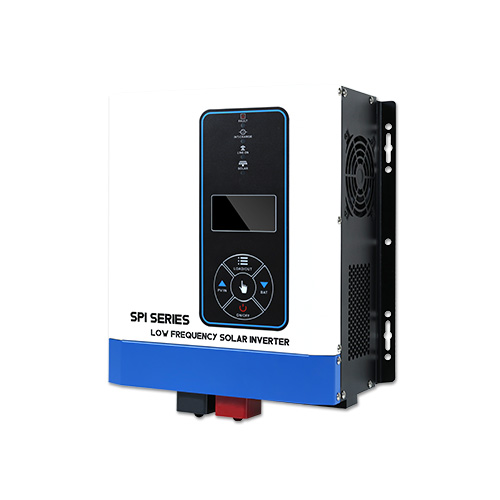
An off-grid inverter is specifically designed for locations without a reliable utility connection.
Unlike hybrid systems, off-grid inverters operate independently from the public electricity network.
Solar panels generate electricity that charges a battery bank, and the inverter converts stored DC energy into AC electricity for household or commercial use.
Many off-grid systems also integrate diesel generators as backup power during prolonged cloudy weather.
Because they function without grid support, off-grid inverters like off-grid inverter 2kw prioritize stable standalone operation and reliable battery charging.
For remote farms, telecommunications stations, island communities, and mountain villages, off-grid systems remain one of the most dependable energy solutions.
Although both inverter types support solar energy systems, their operating philosophy differs significantly.
Feature | Hybrid Solar Inverter | Off-Grid Inverter |
Grid connection | Optional | No |
Battery support | Optional or integrated | Required |
Solar operation without battery | Supported by many models | Generally not recommended |
Grid export | Supported (where permitted) | Not available |
Backup power | Yes | Yes |
Intelligent energy management | Advanced | Basic to moderate |
Future expansion | Excellent | Moderate |
Typical application | Homes, businesses, farms | Remote locations without grid |
One notable advantage is that a hybrid inverter without battery can often operate as a standard grid-connected inverter until battery storage is added later.
Likewise, a solar hybrid inverter without battery allows users to reduce initial investment while keeping future expansion options open.
Many rural households experience unstable electricity rather than complete power outages.
A hybrid solar inverter with battery backup is often the preferred solution because it combines solar generation, battery storage, and grid support in one system.
During normal operation, solar energy reduces electricity bills.
When outages occur, stored battery energy automatically powers essential appliances.
Communities located far from transmission infrastructure usually require fully independent energy systems.
Off-grid inverters paired with batteries provide continuous electricity without relying on utility companies.
These systems are particularly suitable for:
Rural schools
Health clinics
Community centers
Remote housing
Modern farms increasingly depend on electricity for:
Irrigation pumps
Livestock equipment
Refrigeration
Grain storage
Security systems
Where utility service exists but remains unreliable, an on off grid hybrid inverter offers excellent flexibility by combining grid support with solar generation and battery backup.
Village shops, workshops, and agricultural processing facilities often experience costly interruptions during power failures.
A single phase hybrid inverter can provide reliable backup while maximizing solar energy utilization throughout the day.
Communication towers, water pumping stations, and environmental monitoring equipment require uninterrupted operation.
Depending on grid availability, either an off-grid inverter or a hybrid solution may be appropriate.
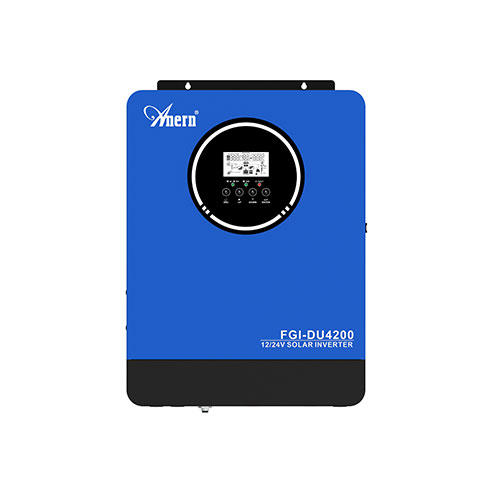
Initial equipment price is only one factor when evaluating inverter systems.
Off-grid systems generally require larger battery banks because they rely entirely on stored energy.
Hybrid systems may initially cost slightly more due to their advanced electronics and communication capabilities.
Many buyers researching hybrid inverter cost discover that the additional investment often delivers greater operational flexibility over the system lifetime.
Battery capacity represents one of the largest expenses in rural solar systems.
A hybrid inverter allows gradual expansion of battery storage.
This flexibility can significantly reduce initial project costs.
Modern inverters require relatively little routine maintenance.
Recommended practices include:
Cleaning ventilation openings
Inspecting electrical connections
Monitoring battery health
Updating firmware where applicable
Checking communication status
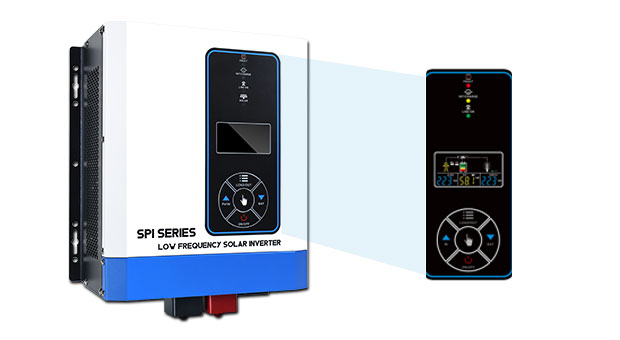
For demanding environments, many users prefer a low frequency hybrid inverter because its transformer-based design provides excellent overload capability and stable operation for inductive loads such as pumps and compressors.
A hybrid inverter low frequency configuration is particularly popular in agricultural applications requiring high starting currents.
Choosing between a hybrid and an off-grid inverter depends primarily on local electricity conditions.
A hybrid inverter is generally the better option if:
Grid power is available
Backup power is important
Future battery expansion is planned
Electricity costs are increasing
Energy independence is a priority
An off-grid inverter is usually more suitable if:
No utility grid exists
Remote operation is permanent
Diesel generator replacement is desired
Battery storage is the primary energy source
There is no universal solution.
Instead, buyers should evaluate:
Daily electricity consumption
Grid reliability
Future expansion plans
Battery budget
Available installation space
As a professional hybrid solar inverter factory, Anern provides inverter solutions designed for a wide range of rural energy applications.
Its product portfolio includes:
Residential hybrid solar inverters
Commercial energy storage inverters
Off-grid solar inverters
Intelligent hybrid solar inverter MPPT models
Battery-compatible inverter systems
Solar backup power solutions
Anern's hybrid inverters feature intelligent energy management, high conversion efficiency, multiple protection functions, and compatibility with modern lithium battery systems. Depending on the application, customers can choose solutions supporting hybrid inverter parallel connection, enabling multiple units to operate together for increased system capacity and future expansion.
For users seeking a solar hybrid off grid inverter for international markets, Anern also offers products designed to meet a variety of regional electrical standards while providing remote monitoring and flexible installation options.
Over the years, Anern has delivered solar inverter solutions to customers across Asia, Africa, the Middle East, and Latin America, where reliable rural electrification remains a priority.
Families living in areas with unstable grid access have adopted Anern hybrid inverter systems with lithium batteries to ensure continuous power for lighting, refrigerators, televisions, internet devices, and small household appliances. The systems automatically switch between solar energy, battery storage, and the utility grid, improving energy security while reducing electricity costs.
In farming regions, Anern hybrid inverters have been integrated with solar-powered irrigation systems to operate water pumps efficiently during daylight hours while maintaining backup capability through battery storage. Low-frequency models are especially well suited for handling the high starting currents of agricultural motors.
Small retail stores and rural workshops have installed hybrid solar inverter with battery systems to maintain business continuity during frequent power interruptions. Stable backup power helps protect electronic equipment and prevents revenue losses caused by unexpected outages.
Schools, healthcare clinics, and community centers in remote regions have benefited from Anern solar solutions that combine photovoltaic panels, batteries, and intelligent inverter technology. These systems provide dependable electricity for lighting, medical equipment, computers, and communication devices while reducing reliance on diesel generators.
Hybrid solar inverters and off-grid inverters each play an important role in rural electrification, but they are designed for different operating environments. Hybrid systems offer exceptional flexibility by integrating solar generation, battery storage, and grid interaction, making them ideal for areas with intermittent utility power and future expansion plans. Off-grid inverters remain the preferred choice for locations with no grid access, delivering dependable standalone operation through solar energy and battery storage.
By evaluating local power conditions, energy consumption, budget, and long-term goals, buyers can select the inverter architecture that best meets their needs. With its comprehensive portfolio of hybrid and off-grid solutions, Anern helps homeowners, businesses, farms, and communities build reliable, efficient, and scalable solar power systems for rural development around the world.