EN
EN
 fr
fr  de
de  es
es  it
it  ru
ru  pt
pt  ar
ar  ms
ms  id
id 

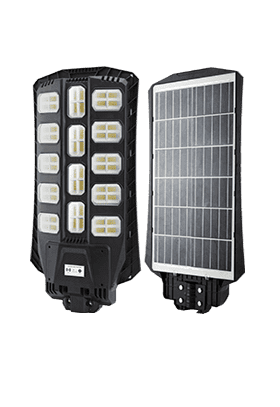
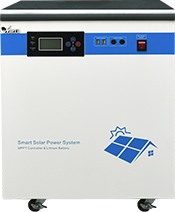


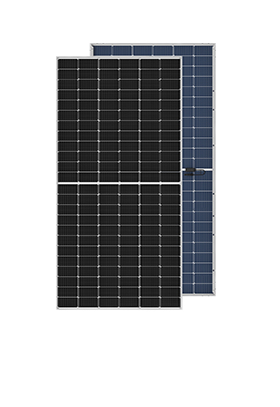
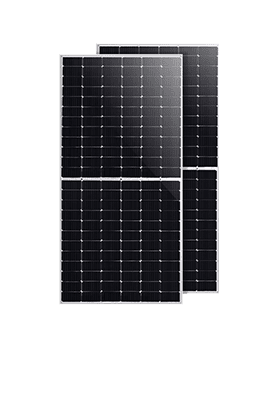
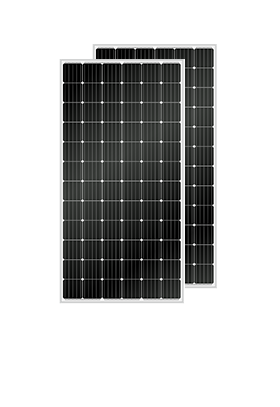
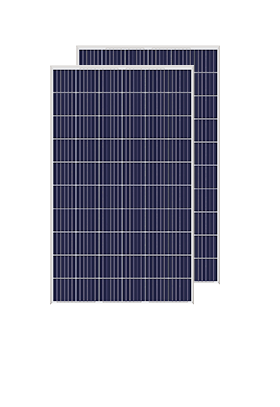



We have cooperated with more than 200 countries in solar energy projects and road lighting projects. We have exported products to many countries and participated in many important government projects around the world.




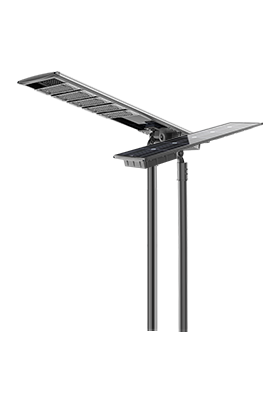


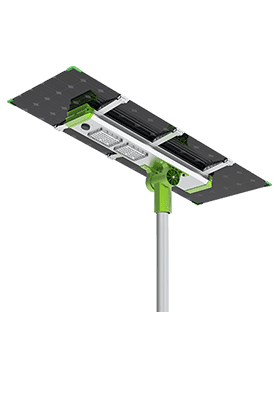
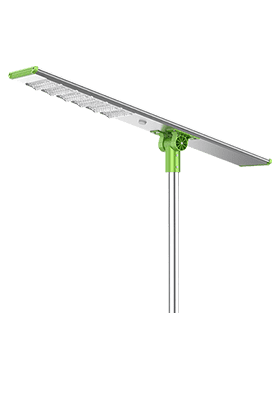
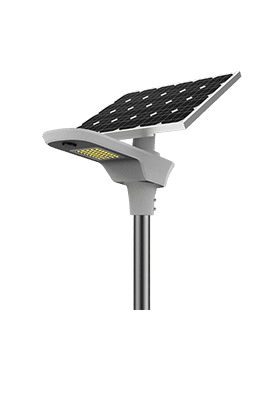


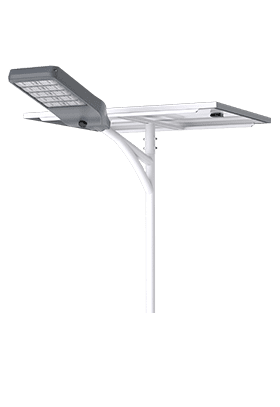
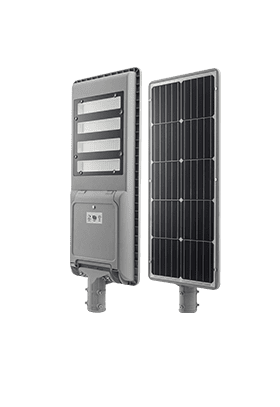
We have cooperated with more than 200 countries in solar energy projects and road lighting projects. We have exported products to many countries and participated in many important government projects around the world.

Anern has 17 years of experience in solar lighting and solar product manufacturing. Anern is headquartered in Guangzhou. With a production base of 30,000 square meters, our company has an R&D team of more than 100 people.
• Date: May, 2026
• Project Type: Solar Inverter + Lithium Battery Energy Storage Solution
• Location: Chad
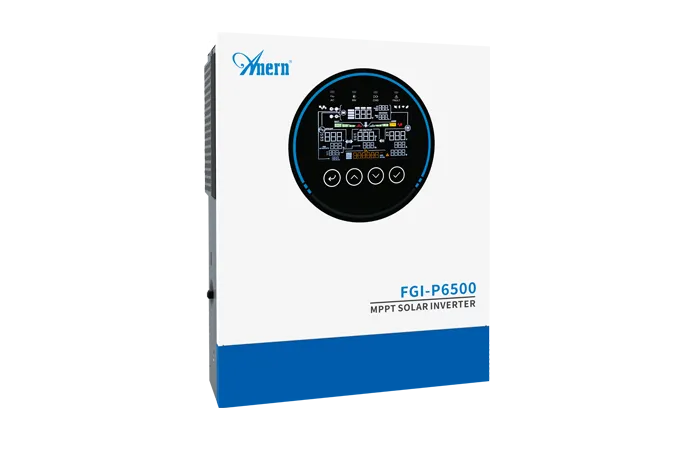
• Core Equipment: Anern Solar Inverter
• Energy Storage: Anern Lithium Battery
• Application: Backup electricity, solar energy storage, off-grid power support, residential and small commercial power supply, remote-site energy improvement
• Objective: Provide a matched solar inverter and lithium battery solution for customers in Chad, helping improve power stability, store available energy more efficiently, and support reliable electricity use in areas with limited or unstable grid access.
The Chad customer needed an energy solution that could handle practical power supply difficulties in local operating conditions. In many areas, access to stable electricity can be limited, and users often depend on generators or irregular grid supply for daily power.
The project focused on creating a more dependable and manageable power structure using inverter conversion and lithium battery storage.
Key project requirements included:
• Providing backup electricity for essential household and business loads
• Reducing reliance on diesel generators and fuel-based emergency power
• Improving energy storage performance for nighttime use and power interruption periods
• Selecting equipment suitable for remote or semi-off-grid applications
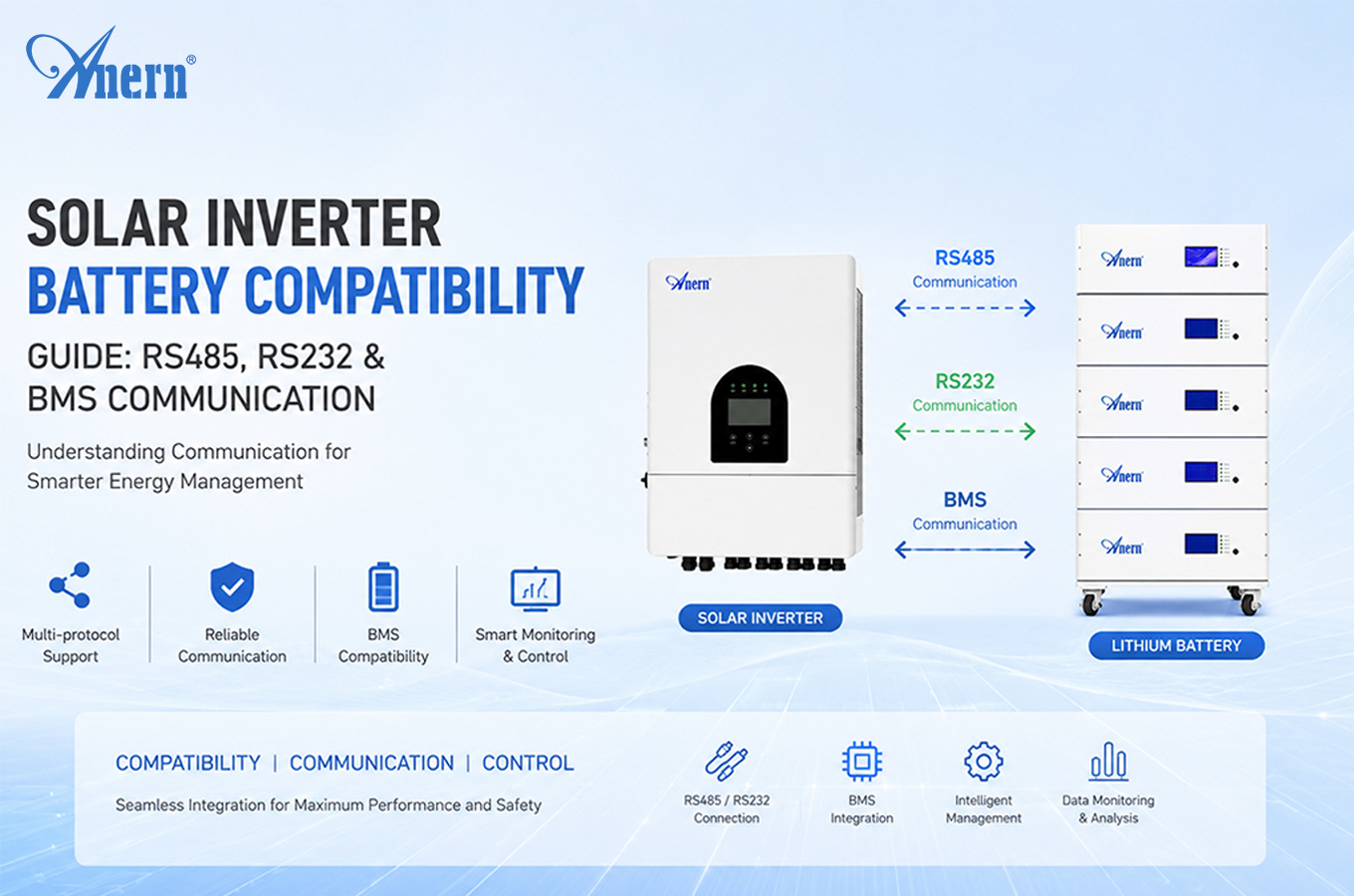
• Ensuring the inverter and battery could work together with good compatibility
• Supporting future solar panel connection or solar storage expansion
• Building a cleaner, quieter, and easier-to-maintain energy solution for daily use
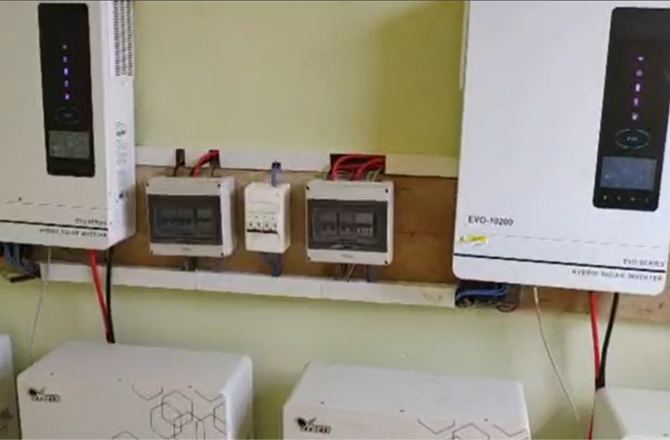
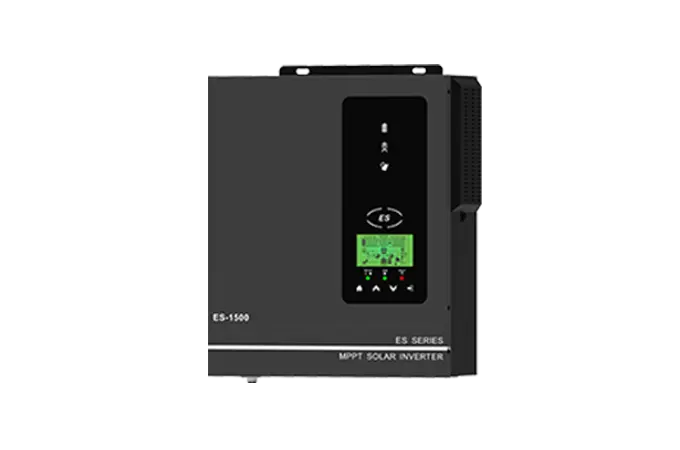
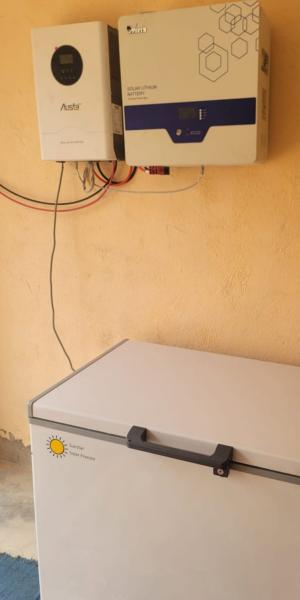
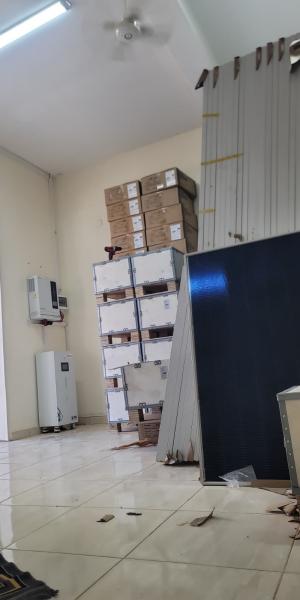
Anern supplied a combined solar inverter and lithium battery energy storage solution for the Chad project. The inverter acts as the system’s control and conversion center, while the lithium battery provides stored electricity for later use.
This type of configuration is especially useful in regions where power stability is a major concern. The inverter can convert DC energy from the battery or solar input into AC electricity for common electrical loads. The lithium battery stores energy and releases it when grid power is unavailable, solar power is insufficient, or users need electricity after sunset.
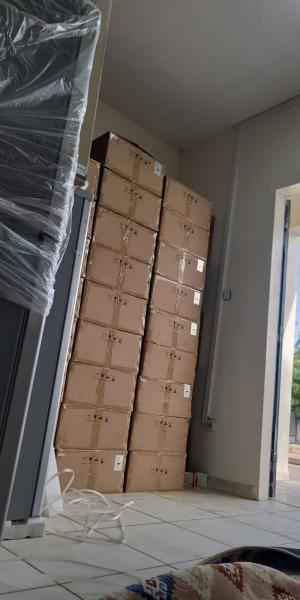
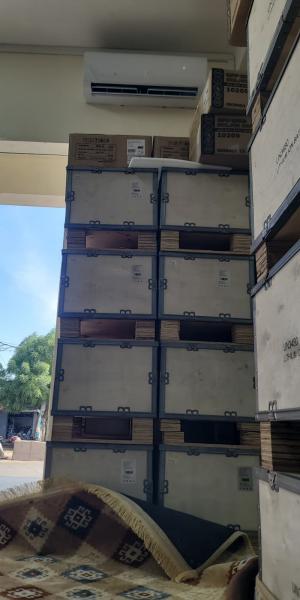
Anern Solar Inverter & Lithium Battery in Chad
• Reliable power conversion helps deliver usable AC electricity for homes, shops, offices, and small facilities
• Lithium battery storage improves backup power availability during outages or night operation
• Solar-compatible configuration supports the use of renewable energy and future PV system expansion
• Reduced generator dependence helps lower fuel cost, noise, exhaust emissions, and engine maintenance
• Matched inverter and battery design improves system coordination and reduces installation uncertainty
• Suitable for remote areas where grid extension is difficult, expensive, or unreliable
• Flexible application range supports residential users, small businesses, rural service points, farms, and communication equipment
After implementation, the Chad inverter and lithium battery project helped create a more stable and flexible power supply structure for the customer.
• Essential loads could continue operating during grid interruptions
• Stored energy became available for evening use and emergency conditions
• Generator operating time was reduced for many daily backup scenarios
• Users gained a quieter and cleaner alternative to fuel-based power supply
• The system became easier to manage through matched inverter and battery equipment
• Power planning became more flexible for future solar expansion
• The project provided a practical model for distributed energy storage solutions in Chad
Solar Inverter Working Principle
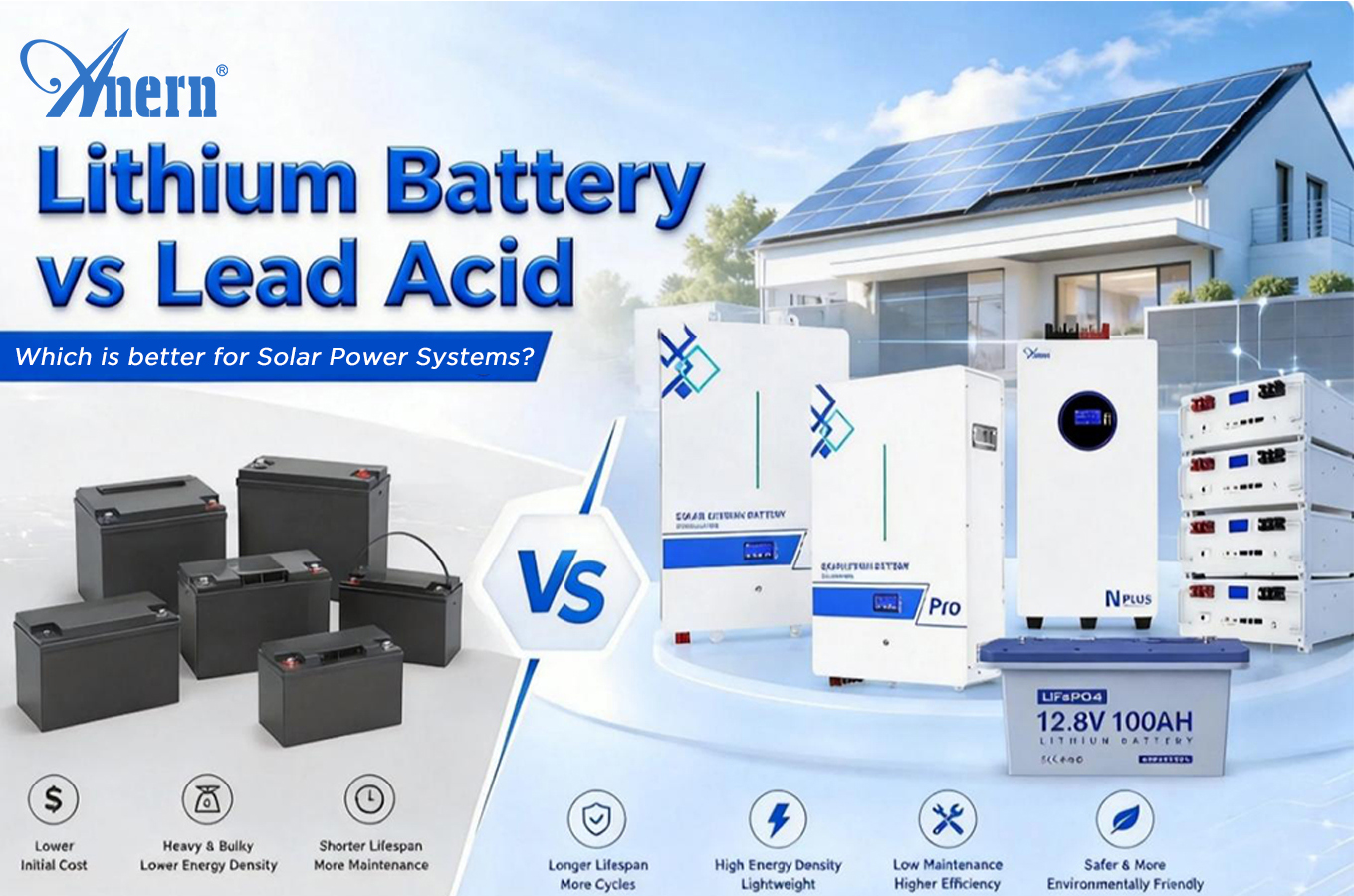
Why Lithium Battery Is Better for Solar Energy Storage
Solar Inverter Battery Voltage Selection Guide
How to Build a Solar Energy Storage System
A: The inverter converts stored DC energy into usable AC electricity, while the lithium battery stores power for backup use. Together, they provide a more stable power supply for areas with unreliable electricity.
A: Yes. The system can be designed to work with solar panels, allowing users to charge the battery with solar energy and use stored power at night or during outages.
A: Yes. It is suitable for off-grid and semi-off-grid applications, especially where grid extension is costly or grid power is unstable.
A: Depending on inverter capacity and battery size, it can support lighting, fans, refrigerators, computers, routers, TVs, small tools, office equipment, and other essential electrical loads.
A: Lithium batteries usually provide better cycle performance, higher usable capacity, compact size, faster charging, and lower maintenance requirements, making them suitable for frequent backup and solar storage use.
A: Users should confirm total load power, required backup time, battery capacity, inverter rating, solar panel expansion plan, cable sizing, protection devices, installation temperature, ventilation, and maintenance access.
Contact us today for pricing, technical support, and customized solar inverter + lithium battery energy storage solutions for Chad and other markets.