EN
EN
 fr
fr  de
de  es
es  it
it  ru
ru  pt
pt  ar
ar  ms
ms  id
id 



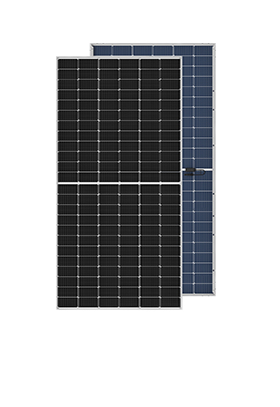
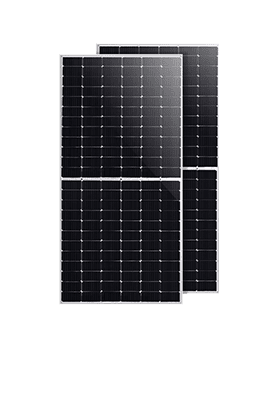
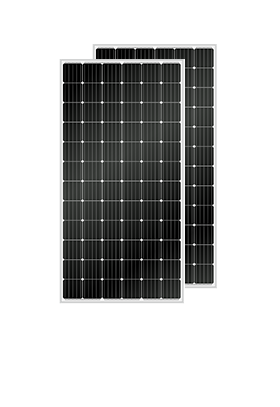
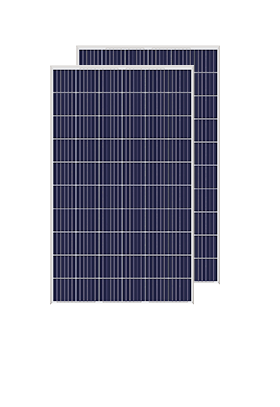


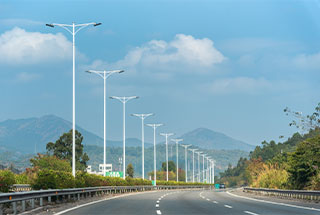
We have cooperated with more than 200 countries in solar energy projects and road lighting projects. We have exported products to many countries and participated in many important government projects around the world.




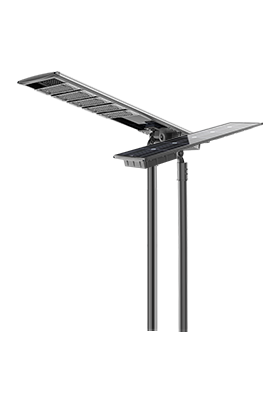


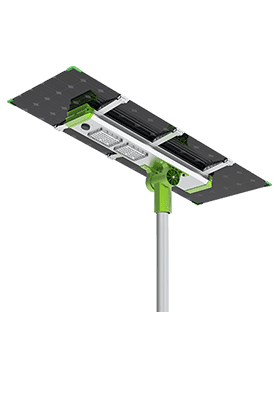
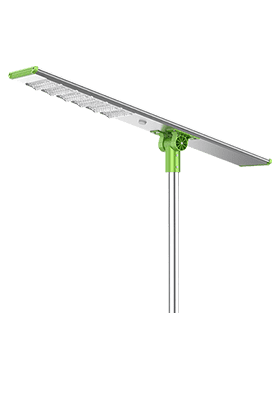
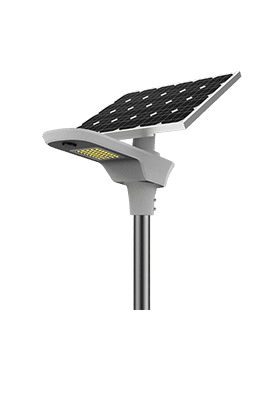


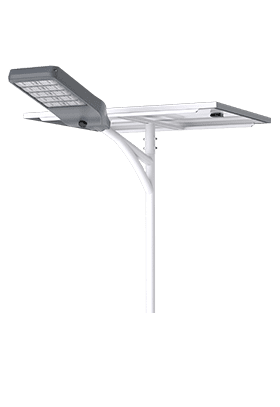
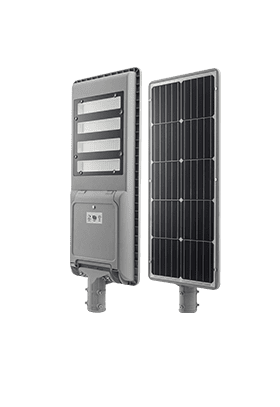
We have cooperated with more than 200 countries in solar energy projects and road lighting projects. We have exported products to many countries and participated in many important government projects around the world.

Anern has 17 years of experience in solar lighting and solar product manufacturing. Anern is headquartered in Guangzhou. With a production base of 30,000 square meters, our company has an R&D team of more than 100 people.
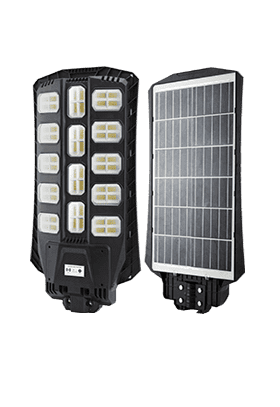
All-in-one Solar Lamp has always been a highly regarded scientific and environmentally friendly form of light source utilization. However, although many technologies have proven the feasibility of the all-in-one solar lamp, further analysis and discussion are needed to understand how to truly apply the all-in-one solar lamp in road lighting.
All-in-one solar lamp operates on a simple principle: during the day, the solar panel converts the absorbed light into electrical energy through a high-power diode and stores it in the battery located in the control box at the bottom of the lamp post, which is the charging process. At night, the solar panel, which has a light control function, sends an activation signal to the control system, and the battery's stored energy illuminates the lamp, providing road lighting, which is the discharging process. The lighting time can be adjusted as needed.
The core technologies of solar LED street lamps include the power generation efficiency of solar modules, the battery's lifespan and capacity, and the heat dissipation problem of the LED light source.
By combining solar radiation data on different inclined surfaces, the tilt angle and azimuth of the solar cell module can be determined, and the local standard peak sunlight time can be accurately calculated.
When designing the application, the power selection of the street lamp light source greatly affects the road lighting standard value and even the stability of the entire system parameters.
The working time required for the street lamp at night is a core parameter for the size of the solar street lamp system components. Once the working time is determined, the daily power consumption of the street lamp can be preliminarily calculated, and the charging power of the solar cell components can be completed.
On the one hand, the number of continuous cloudy and rainy days that the all-in-one solar lamp needs to maintain should be determined based on the actual conditions of the local project, as it determines the capacity of the battery and the solar cell module power required to restore the battery capacity after rainy days. On the other hand, it is also necessary to determine the number of days between two consecutive rainy days, as this determines the solar cell module power needed to fully charge the battery after one continuous rainy day.
The battery components in the all-in-one solar lamp must meet national regulatory requirements and undergo thorough testing and verification to ensure quality, performance, and lifespan. Additionally, components with higher conversion efficiency should be selected, connection terminals should be secure, and equipped with bypass diodes to prevent thermal spot effects from causing battery damage.
The controller requires reverse connection protection for the battery and solar cell, meaning the solar cell can still function normally after the polarity of the “+” and “-” terminals are corrected. It also needs reverse charge protection at night, ensuring that the battery cannot charge the solar cell at night. Load overcurrent and short-circuit protection should be in place, meaning the load will shut down if the current exceeds the rated current or if there is a short circuit and can continue functioning normally after correction. It should also have overcharge protection and intelligent protection functions.
Solar-specific high-quality batteries in the system of all-in-one street lights hould be chosen and protected with an underground burial treatment to reduce the impact of external temperatures on battery performance and lifespan. Batteries chosen for application need corresponding tests, such as using a microcomputer battery cycle charge-discharge tester for cycle charge-discharge tests, capacity tests, self-discharge tests, deep discharge tests, voltage cutoff tests, short-circuit safety tests, charge recovery ability tests, and overcharge safety tests. Additionally, the battery compartment should undergo water immersion tests and water seepage tests to ensure it is watertight.