EN
EN
 fr
fr  de
de  es
es  it
it  ru
ru  pt
pt  ar
ar  ms
ms  id
id 





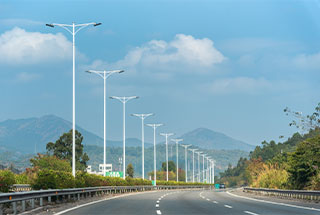
We have cooperated with more than 200 countries in solar energy projects and road lighting projects. We have exported products to many countries and participated in many important government projects around the world.




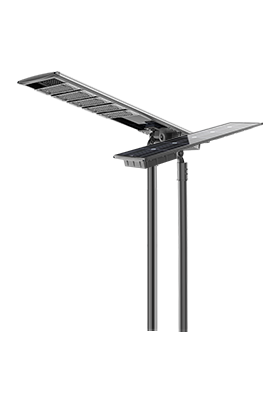


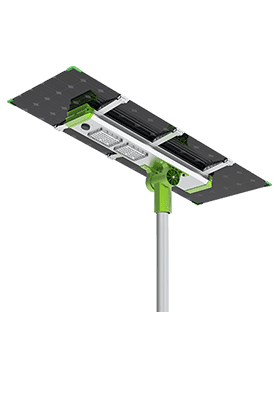
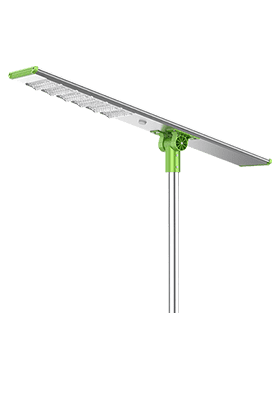
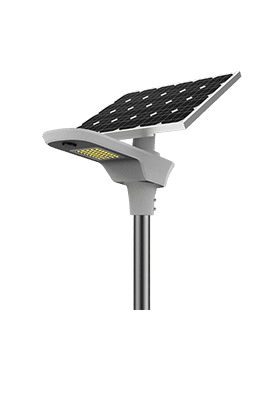


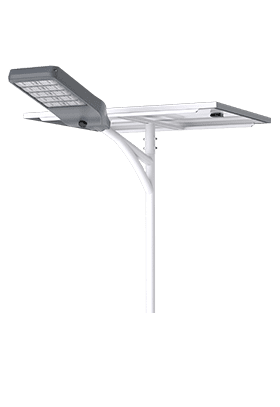
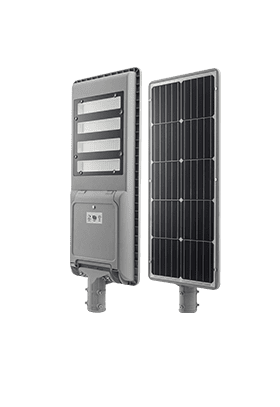
We have cooperated with more than 200 countries in solar energy projects and road lighting projects. We have exported products to many countries and participated in many important government projects around the world.

Anern has 17 years of experience in solar lighting and solar product manufacturing. Anern is headquartered in Guangzhou. With a production base of 30,000 square meters, our company has an R&D team of more than 100 people.
In backup and off-grid projects, buyers often compare inverters and generators as if they are interchangeable power sources. In reality, they solve different problems—and choosing the wrong one can lead to unstable loads, excessive fuel cost, short battery life, or poor uptime in weak-grid areas.
A generator converts fuel (diesel/gasoline/gas) into AC electricity. It is effective for long runtimes and high surge loads, but it brings ongoing expenses: fuel logistics, noise, routine maintenance, and emissions management.
An inverter converts DC power into AC power—typically from solar panels and batteries (or a DC power supply). In modern solar systems, especially MPPT inverters (hybrid/off-grid), the inverter is also the system controller: it prioritizes PV power, manages battery charging and discharging, stabilizes output for sensitive equipment, and can coordinate with the grid or a generator to improve reliability and reduce operating cost.
This guide compares inverter vs generator from a practical engineering and procurement perspective—power quality, fuel efficiency & noise, output capability, portability & cost, and when to choose which—so EPC contractors, distributors, and project owners can specify a power solution that matches real site conditions.
Solar inverter output quality is typically more stable and "equipment-friendly" because the inverter synthesizes AC electronically with closed-loop control. A generator's output depends on engine speed regulation and alternator characteristics, so voltage/frequency can fluctuate with load steps, poor maintenance, or undersized capacity.
For EPC projects, power quality affects load compatibility, nuisance trips, overheating of motors, and the failure rate of sensitive electronics.
Stable voltage and frequency regulation (especially under battery support)
Cleaner waveform for sensitive loads (IT equipment, LED drivers, medical devices)
Predictable behavior under rapid load changes (within rated surge limits)
Can handle heavy loads for long periods if sized correctly
Output quality may degrade under sudden load steps or poor governor/AVR tuning
Frequency drift is common when the engine is under/over-loaded or poorly maintained
If the site has sensitive electronics or frequent load switching, a solar inverter + battery is usually the primary power-quality solution, while the generator becomes a supplementary source for extended runtime.
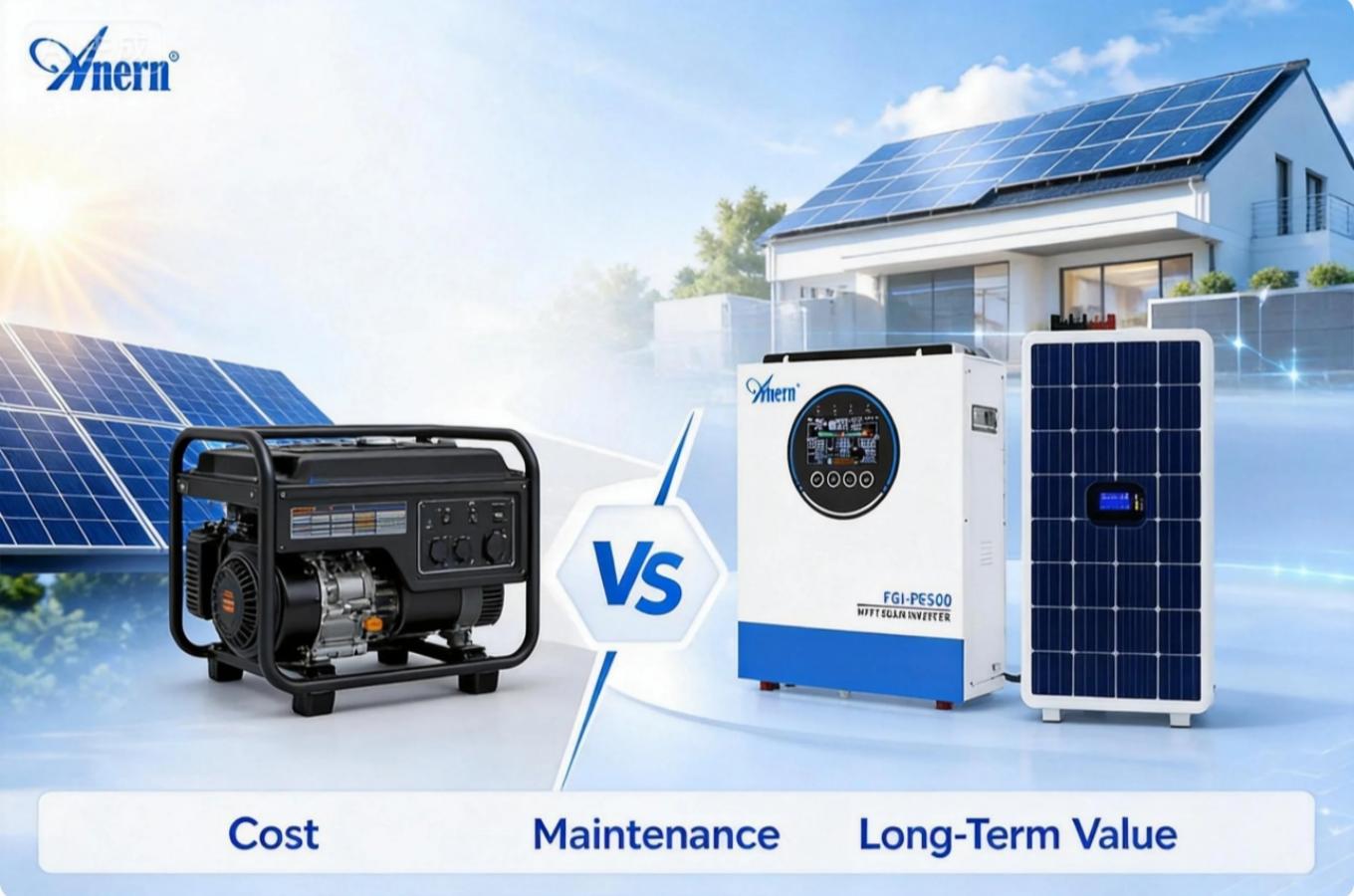
A generator converts fuel to electricity in real time, so operating cost is directly tied to runtime and loading. A solar inverter uses solar energy first (zero fuel) and shifts energy through the battery, so it can dramatically reduce generator runtime and fuel consumption in weak-grid or off-grid systems.
| Item | Solar Inverter System (PV + Battery, hybrid/off-grid) | Generator |
|---|---|---|
| Energy source | Sunlight + stored battery energy | Fuel (diesel/gasoline/gas) |
| Fuel consumption | None during PV/battery operation | Continuous when running |
| Best efficiency point | PV harvest + correct battery cycling; generator can be run only when needed | Typically most efficient at moderate-to-high load; poor efficiency at low load |
| Noise | Low (mainly fan noise, depends on model and load) | High (engine + exhaust), often a site constraint |
| Maintenance burden | Mostly electrical checks, firmware/monitoring, ventilation | Oil/filter service, engine wear, fuel quality issues |
| Practical strategy | Use PV/battery as primary, start generator only for long cloudy periods/peak demand | Often used as primary if no PV/battery is installed |
Procurement note: In many projects the "real saving" is not replacing the generator—it's reducing generator runtime by letting the solar inverter carry daytime loads and charge batteries.
This comparison should separate instantaneous power capability (kW and surge) from energy availability over time (kWh autonomy).
A generator can provide its rated power continuously as long as fuel and maintenance are available.
A solar inverter system can provide rated AC power based on inverter rating, but runtime depends on battery capacity and ongoing solar input.
Key engineering checks for solar inverter systems:
Continuous AC rating (kW/kVA): must match critical loads or expected peak load.
Surge/overload capability: critical for motors, pumps, compressors.
Battery discharge limit (kW): the battery and BMS must support the inverter's peak demand.
PV contribution: daytime loads can be partially/fully supported by PV, extending runtime and reducing battery stress.
Generator sizing reality:
If the generator is undersized, frequency dips and voltage sag under motor starts are common. If oversized and run at low load, fuel efficiency is poor and carbon build-up issues can increase maintenance..png "Single Phase Hybrid Solar Inverter")
For buyers, "cost" must be evaluated as CAPEX + OPEX + downtime risk.
Generator: lower initial purchase cost for a given kW in many markets, but higher lifetime cost due to fuel and servicing.
Solar inverter system: higher initial investment (inverter + PV + batteries), but lower operating cost and quieter operation; it also improves uptime when configured as hybrid/off-grid.
| Item | Solar Inverter System (PV + Battery) | Generator |
|---|---|---|
| Upfront cost | Higher (inverter + PV + batteries + BOS) | Often lower (generator only) |
| Operating cost | Low (mainly maintenance; no fuel for PV) | High (fuel + maintenance) |
| Portability | Inverter itself is portable; full system portability depends on PV/battery mounting | Portable options common; easiest for temporary sites |
| Deployment speed | Requires design: PV strings, battery sizing, protections | Quick to deploy if fuel logistics exist |
| Best fit | Long-term sites, high fuel cost areas, noise/emissions constraints | Temporary sites, very high continuous load, limited PV space |
Project tip: For clinics, telecom, retail, and residential backup in weak-grid regions, the winning configuration is often solar inverter + battery sized for daily operation, with a generator for rare extended low-sun events.
In real projects, the decision is rarely "solar inverter or generator". For most EPC and distributor-led deployments—especially in weak-grid regions—the better question is: which source should carry daily operation, and which source should be the contingency layer.
A solar inverter + PV + battery setup is typically the right primary architecture when the site has predictable daily loads and the goal is to reduce long-term operating cost while improving power stability. In these systems, the inverter regulates AC output and prioritizes solar energy through MPPT; the battery buffers fast load changes and covers nighttime or short outages. This approach is especially practical for residential backup, small businesses, clinics, schools, and telecom sites where quiet operation, stable voltage/frequency, and low fuel dependency matter.
From a procurement viewpoint, you are investing more upfront, but you are buying:
lower fuel logistics risk (less refueling, fewer supply disruptions)
better power quality for sensitive electronics
reduced maintenance events compared with running engines daily
A generator-first solution is usually selected when the project requires high continuous power for long periods and the PV/battery budget (or installation space) cannot realistically support that runtime. Typical examples include temporary construction loads, some industrial processes, or sites where solar installation area is severely constrained. In these cases, a properly sized generator can deliver stable long-duration output—provided fuel supply and maintenance capability are reliable.
However, EPCs should account for the common hidden costs: frequent servicing, downtime during maintenance, fuel theft/quality issues, and reduced efficiency when the generator runs at low load.
For many off-grid and weak-grid applications, the most bankable design is solar inverter + battery as the day-to-day power plant, with a generator used as a controlled backup. The key advantage is operational control: the solar inverter system can keep loads stable and run silently most of the time, while the generator is started only when required—such as extended cloudy weather, seasonal low irradiation, unexpected load growth, or battery SOC protection.
Well-designed hybrid systems also allow the generator to operate closer to its efficient load range (instead of idling at low load), which reduces fuel consumption and improves engine health. This is often the preferred architecture for distributors and EPCs serving Africa, Southeast Asia, and other markets where grid instability makes uptime a core requirement.
Practical rule:
If your priority is lowest OPEX + stable power quality, start with a solar inverter + battery design and add PV to cover as much daily energy as possible.
If your priority is guaranteed long-duration runtime regardless of weather, include a generator—but in many cases, use it as backup rather than primary to control fuel cost and maintenance burden.
.png "Hybrid Solar Inverter")
A generator produces electricity by converting fuel into mechanical energy and then AC power. It's effective for high surge loads and long runtimes, but requires ongoing fuel supply, regular maintenance, and typically creates more noise and emissions. A solar inverter does not generate energy—it converts DC from solar panels and/or batteries into usable AC, and in hybrid/off-grid systems it also manages MPPT, battery charging/discharging, load prioritization, and generator/grid coordination. For many weak-grid and off-grid projects, the most reliable and cost-efficient approach is a solar inverter + battery system as the primary power supply, with a generator as backup for extended cloudy periods or unusually high demand.
Sometimes, but not always. A solar inverter can replace a generator only if the PV array and battery bank are sized to cover peak load and required autonomy (days of backup). Many projects use a off-grid solar inverter with a generator as secondary supply to reduce battery oversizing and ensure uptime.
Yes—many hybrid and off-grid solar inverters are designed to accept generator (or utility) AC input for charging batteries and supporting loads. Always confirm the required input voltage/frequency range, generator sizing, and whether auto-start is supported for your model.
As a practical rule, the generator must handle:
the site's critical loads (including motor starting surge), and the inverter's maximum AC charging power (if charging batteries from generator).
Final sizing depends on inverter charger rating, load profile, and whether the generator will run as "support only" or as a primary source during low-sun seasons.
Many pumps, compressors, and tools require high starting surge. In these cases, specify a solar inverter system with adequate surge rating and prefer pure sine wave output for better motor behavior. If runtime is long and sunlight is limited, a generator-assisted hybrid/off-grid design is often the most stable solution.
For weak-grid areas, a hybrid solar inverter + battery typically delivers better power quality and lower operating cost, while the generator is used only when needed (long outages, low solar, or peak demand). This reduces fuel consumption, noise, and maintenance without sacrificing reliability.