EN
EN
 fr
fr  de
de  es
es  it
it  ru
ru  pt
pt  ar
ar  ms
ms  id
id 



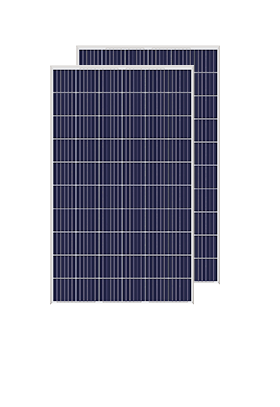



We have cooperated with more than 200 countries in solar energy projects and road lighting projects. We have exported products to many countries and participated in many important government projects around the world.




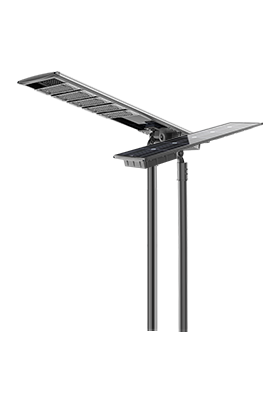


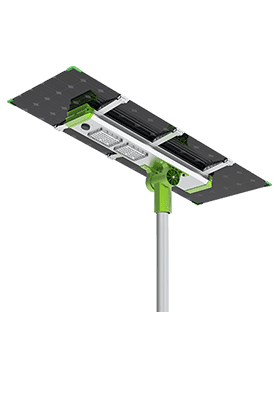
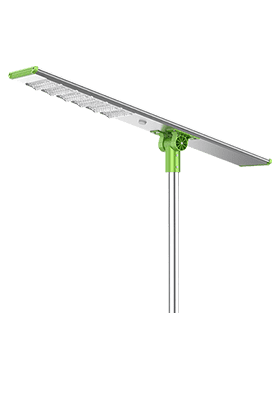
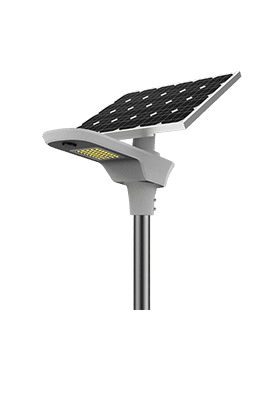


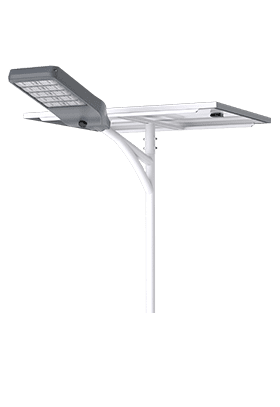
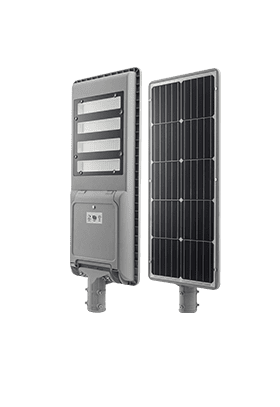
We have cooperated with more than 200 countries in solar energy projects and road lighting projects. We have exported products to many countries and participated in many important government projects around the world.

Anern has 17 years of experience in solar lighting and solar product manufacturing. Anern is headquartered in Guangzhou. With a production base of 30,000 square meters, our company has an R&D team of more than 100 people.
Europe is one of the world's major markets for solar energy, but supplying photovoltaic equipment to European projects involves more than meeting technical performance targets. Manufacturers, distributors, EPC contractors, and project developers must consider product conformity, electrical safety, grid connection, and technical documentation.
For companies sourcing an Anern solar power system or comparing European suppliers, three areas deserve particular attention: CE requirements, relevant IEC/EN standards, and national grid-connection rules. These requirements are related, but they are not interchangeable.
CE marking indicates that a product complies with the applicable EU legislation covering that product. It is not a general quality certificate and does not mean that an entire solar installation receives one universal CE certificate.
For electrical equipment, applicable legislation may include the Low Voltage Directive (LVD) and Electromagnetic Compatibility Directive (EMC), depending on the product. The LVD requires manufacturers to complete the applicable conformity assessment, prepare technical documentation, issue an EU Declaration of Conformity, and affix the CE marking when the requirements are satisfied.
The EMC Directive establishes requirements for electromagnetic compatibility and also involves conformity assessment and technical documentation.
For buyers, this means that an inverter, battery, controller, or other electrical product should be evaluated according to the EU legislation that actually applies to it.
IEC standards provide technical requirements and testing methods for many photovoltaic and power-conversion products.
For example, IEC 62477-1 addresses safety requirements for power electronic converter systems and equipment, including hazards associated with electrical energy, fire, thermal conditions, and mechanical risks.
IEC 62109 covers safety requirements for power converters used in photovoltaic systems. IEC 61727 addresses the utility interface characteristics of grid-connected photovoltaic systems.
The exact standards applicable to a product depend on its design, voltage, application, and market. Buyers should therefore request the manufacturer's specific test reports and declarations rather than relying on a general claim that a product is “IEC compliant.”
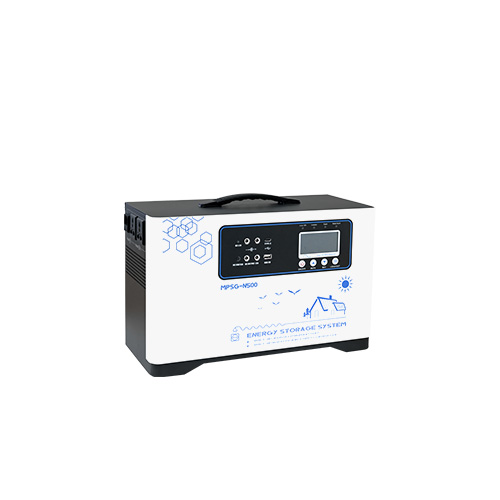
A key point for European solar procurement is the distinction between CE and IEC.
CE is a European conformity-marking framework, while IEC standards provide technical requirements and test methods.
Applicable harmonised standards can support the conformity assessment process under relevant EU legislation, but an IEC test report should not automatically be treated as a CE certificate.
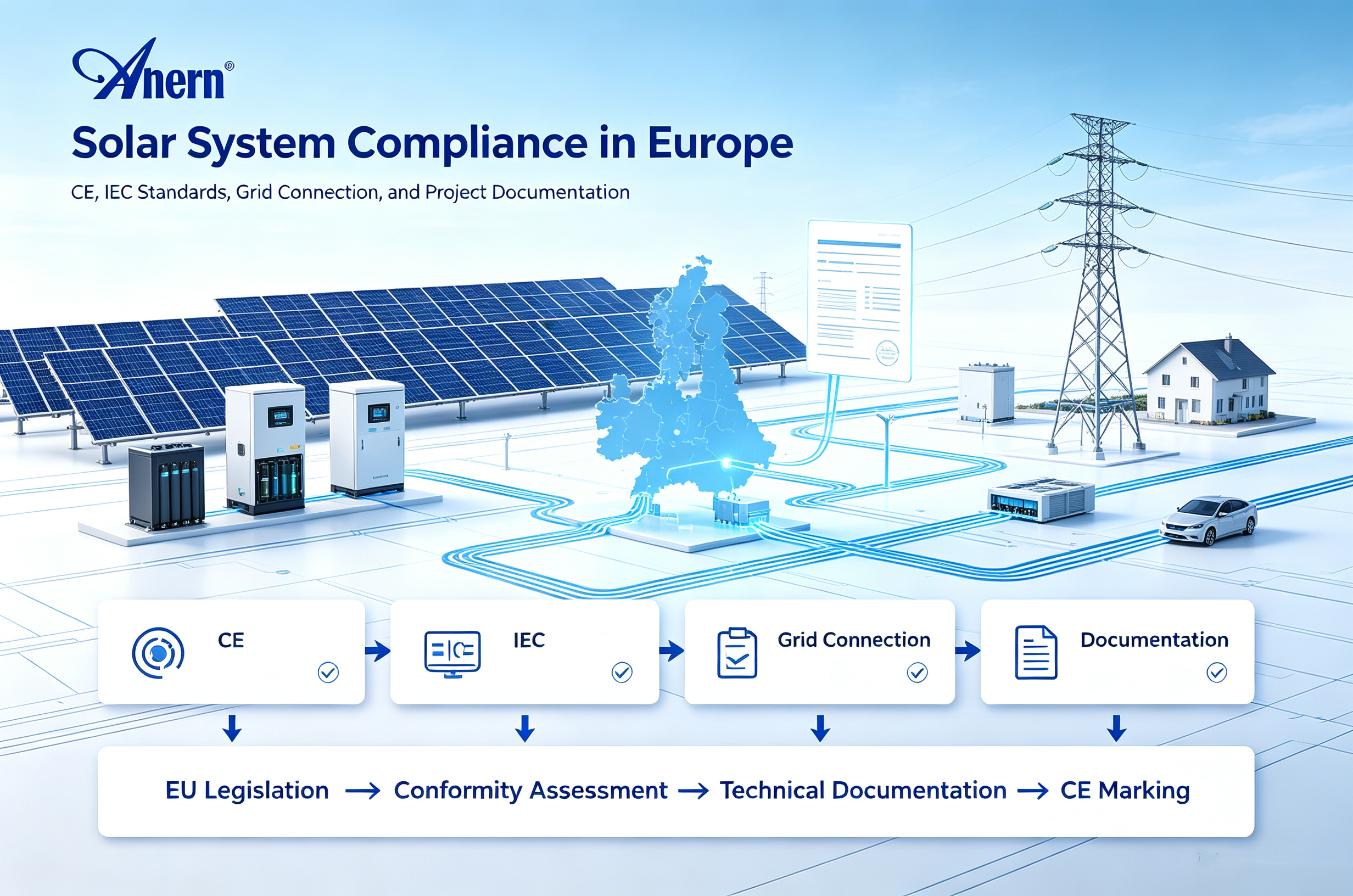
A practical compliance chain is:
Applicable EU legislation → conformity assessment → technical documentation → EU Declaration of Conformity → CE marking.
This approach gives buyers a clearer way to evaluate compliance documents supplied with solar equipment.
Meeting CE requirements does not automatically authorize a solar system to connect to the public electricity network.
Grid connection concerns how a generating system interacts with the local grid. Requirements may cover voltage, frequency, power quality, reactive power, protection functions, anti-islanding behavior, and fault response.
An on-grid solar PV system therefore needs to meet the requirements of the relevant country and distribution system operator (DSO).
This also applies to a hybrid grid solar system if its inverter can operate in parallel with the utility grid.
European grid-connection requirements can differ between countries and even between network operators. A product-level certificate should therefore not be considered a universal European grid-connection approval.
The system architecture determines which compliance issues require the most attention.
An on-grid solar PV system has direct interaction with the utility network, making grid-interface requirements particularly important.
An off-grid system normally operates independently of the public grid. Its compliance focus is more strongly related to electrical safety, equipment conformity, battery integration, installation, and local electrical regulations.
A hybrid system may combine PV generation, battery storage, loads, and utility power. A hybrid inverter for solar system applications therefore needs to be evaluated for both equipment safety and, where applicable, grid-interconnection requirements.
Anern's solar-system portfolio includes off-grid, on-grid, hybrid, and energy-storage configurations. Its website lists 5–12kW off-grid systems, 30–100kW off-grid systems, 30–125kW hybrid systems, high-voltage lithium-battery off-grid systems, and on-grid solar power systems.
European buyers should establish the documentation package before placing a large equipment order.
Depending on the product and project, useful documents may include:
EU Declaration of Conformity
CE marking information
Product datasheets
Relevant IEC/EN test reports
EMC and electrical safety documentation
Inverter manuals and protection settings
Battery specifications and safety documentation
Wiring and single-line diagrams
Installation and commissioning instructions
Grid-connection certificates or test evidence where applicable
Warranty and product identification records
Under the LVD, manufacturers must prepare technical documentation and retain the relevant conformity documentation for the required period.
The most important practical point is that documents should correspond to the exact model and configuration being supplied.
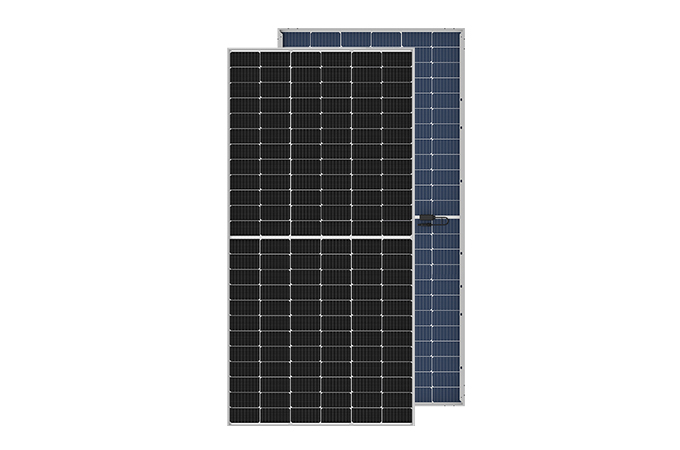
Compliance should be considered together with system design.
A solar installation may combine PV modules, an inverter, batteries, MPPT controllers, protection equipment, monitoring devices, and other solar system accessories. The final configuration can therefore have different technical characteristics from those of an individual component.
This is particularly important for energy storage systems for solar power. Adding a LiFePO4 battery, for example, introduces additional considerations related to battery management, protection, communication, and system integration.
Anern provides solar power systems together with inverters, controllers, lithium batteries, and related equipment. Its portfolio includes both standalone products and integrated solar-and-storage configurations.
For EPC contractors, obtaining product documentation early can simplify system design, installation, commissioning, and project handover.
Before selecting an inverter for a European grid-connected project, buyers should confirm the local DSO requirements.
Key questions include:
What voltage and frequency apply?
The inverter must be compatible with the target grid.
Is the system single-phase or three-phase?
This affects inverter selection and electrical design.
What protection functions are required?
The system may need defined responses to abnormal voltage and frequency conditions.
What anti-islanding requirements apply?
The inverter must respond appropriately when the grid becomes unavailable.
What commissioning tests are required?
The DSO may require specific documentation or test results before connection.
Is the inverter included on an approved product list?
Some network operators have additional technical or administrative requirements.
These checks should be completed before equipment procurement rather than after installation.
A structured workflow can reduce compliance risks:
Step 1: Define the system type.
Determine whether the project is on-grid, off-grid, hybrid, or primarily energy storage.
Step 2: Identify applicable EU legislation.
Establish which directives and regulations apply to each product.
Step 3: Identify relevant IEC/EN standards.
Match standards to the inverter, battery, PV equipment, and application.
Step 4: Review documentation.
Check CE information, EU Declarations of Conformity, test reports, manuals, and technical specifications.
Step 5: Confirm national grid requirements.
Consult the relevant DSO before finalizing a grid-connected system.
Step 6: Verify the complete configuration.
Ensure the inverter, battery, PV array, protection equipment, and accessories are compatible.
Step 7: Prepare commissioning records.
Keep drawings, certificates, settings, test results, and installation records for project handover.
This approach is useful for projects ranging from residential systems to a 15kW solar system and larger commercial solar-and-storage installations.
Anern provides solar power systems covering on-grid, off-grid, hybrid, and energy-storage applications. Its portfolio includes solar panels, inverters, lithium batteries, controllers, and complete system configurations.
Its on-grid solar system information also identifies certifications associated with its solar panels, including CE and IEC-related certification information.
For European buyers, however, the correct approach is to request documentation for the exact products and configuration required for the project. Product-level conformity should be assessed separately from national grid-connection approval.
Solar-system compliance in Europe involves several connected but distinct layers.
CE addresses applicable EU product conformity requirements. IEC and EN standards provide technical requirements and testing frameworks. Grid-connection rules govern how a solar installation interacts with the local electricity network. Project documentation provides the evidence needed throughout procurement, installation, commissioning, and handover.
For developers and EPC contractors comparing solar and energy storage systems, compliance should therefore be considered from the beginning of the project.
Whether selecting an Anern solar power system, a hybrid inverter, or a LiFePO4 battery system, buyers should verify the applicable EU legislation, review CE and relevant IEC/EN documentation, confirm national grid requirements, and ensure that all documents match the exact equipment configuration.
A structured compliance process can reduce procurement delays, simplify grid approval, and provide a more reliable foundation for solar projects across the European market.