EN
EN
 fr
fr  de
de  es
es  it
it  ru
ru  pt
pt  ar
ar  ms
ms  id
id 

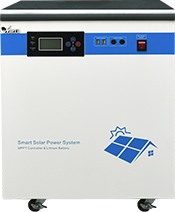


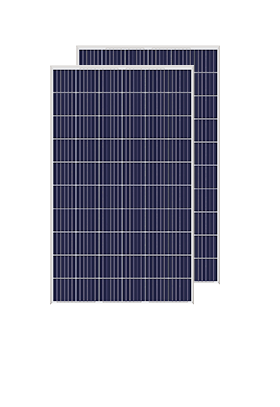



We have cooperated with more than 200 countries in solar energy projects and road lighting projects. We have exported products to many countries and participated in many important government projects around the world.




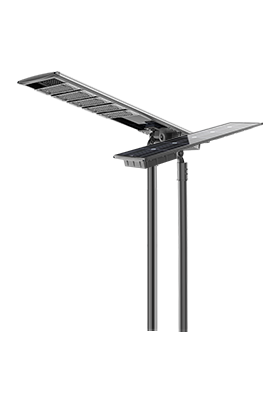


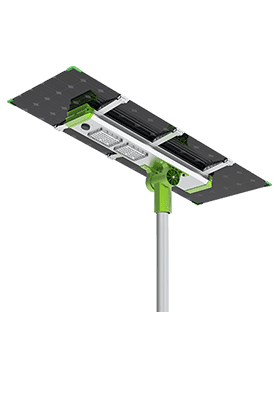
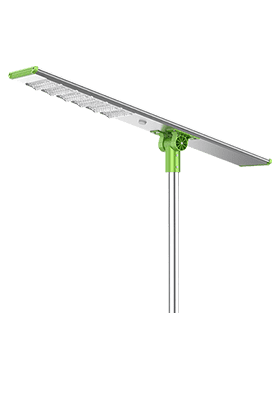
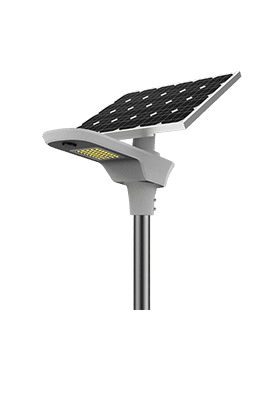


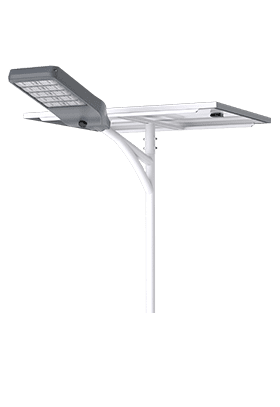
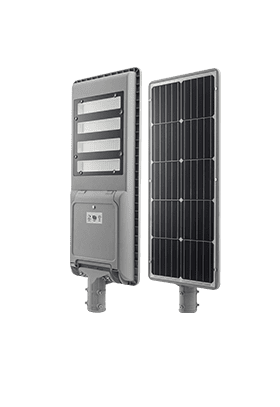
We have cooperated with more than 200 countries in solar energy projects and road lighting projects. We have exported products to many countries and participated in many important government projects around the world.

Anern has 17 years of experience in solar lighting and solar product manufacturing. Anern is headquartered in Guangzhou. With a production base of 30,000 square meters, our company has an R&D team of more than 100 people.
Lithium batteries have become an important part of modern solar energy systems, from residential backup power to commercial energy storage. Products such as a 200Ah lithium battery, rack-mounted battery, and high-voltage commercial storage system may need to cross multiple borders before reaching the final installation site.
For manufacturers, distributors, EPC contractors, and project developers, battery performance is only one part of the purchasing decision. International transportation also requires compliance with dangerous-goods regulations. One of the most important requirements is UN38.3 transport testing, which evaluates whether a lithium cell or battery type can withstand conditions that may occur during transportation.
Understanding UN38.3 is therefore essential when sourcing a lithium battery for solar system applications and planning international shipments.
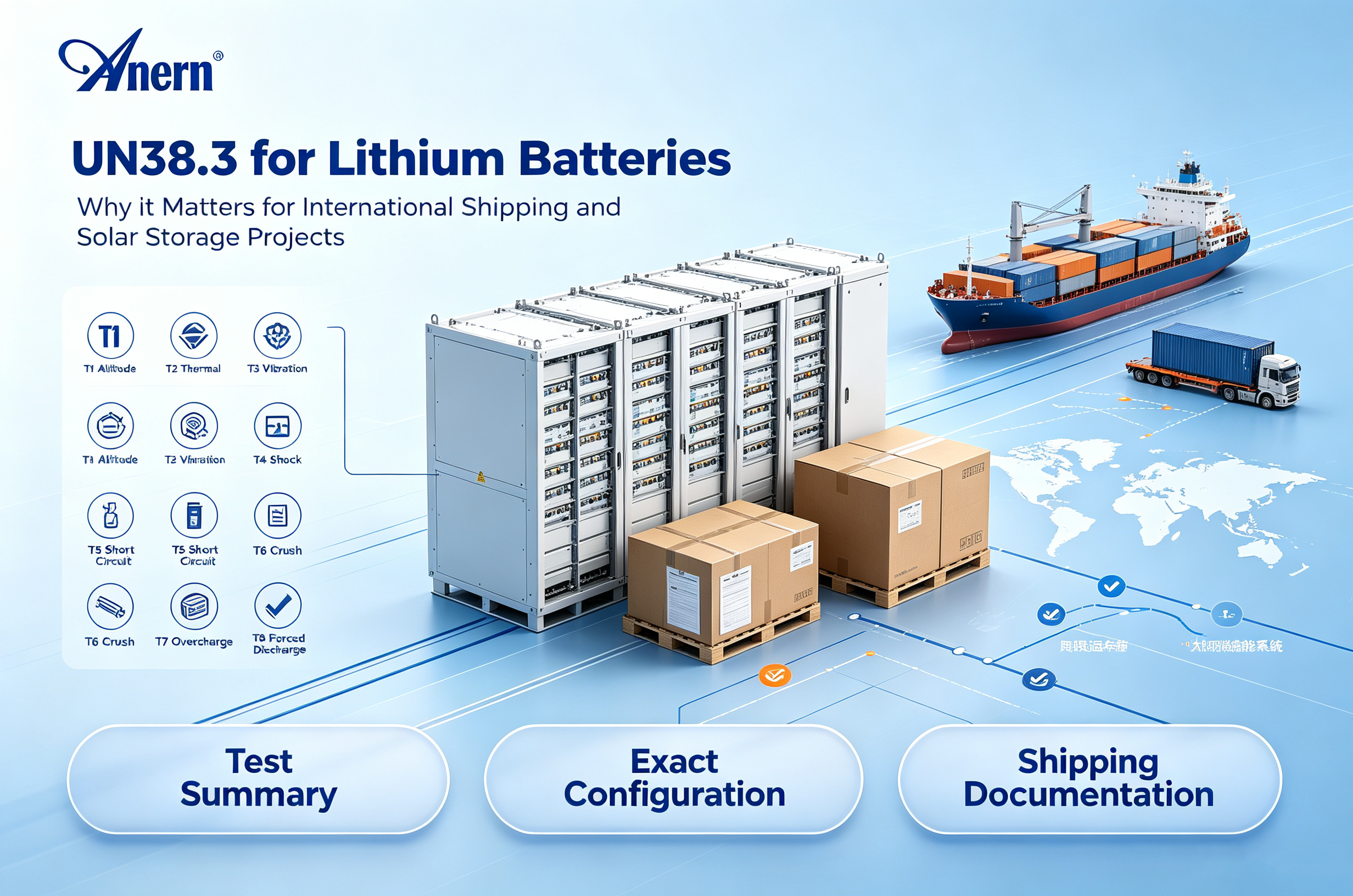
UN38.3 refers to Subsection 38.3 of the United Nations Manual of Tests and Criteria. It establishes test procedures used for the classification of lithium metal and lithium-ion cells and batteries for transport.
The current UN Manual of Tests and Criteria is Revision 8, with Amendment 1 published in 2025. The UN framework continues to address lithium battery testing and related transport-safety requirements.
Importantly, UN38.3 is a transport safety test requirement, not simply a general product-quality certificate.
Lithium batteries can contain a substantial amount of stored energy. During transportation, they may experience changes in altitude, temperature, vibration, shock, or other mechanical stresses. UN38.3 testing is intended to evaluate battery behavior under specified transport-related conditions.
For international solar-storage projects, this distinction matters because a battery that performs well in normal operation still needs to meet applicable transport requirements before it can be shipped.
The UN38.3 test sequence includes several tests designed to simulate different transportation stresses.
Depending on the battery type and applicable requirements, the test program includes:
T1 – Altitude Simulation
T2 – Thermal Test
T3 – Vibration
T4 – Shock
T5 – External Short Circuit
T6 – Impact/Crush
T7 – Overcharge
T8 – Forced Discharge
The exact test sequence depends on whether the product is a cell, rechargeable battery, non-rechargeable battery, or another configuration. The UN Manual specifies which tests apply to different battery types.
The purpose is not to reproduce every possible transportation event. Instead, the tests provide a standardized method for evaluating whether a particular cell or battery type can withstand defined stresses without creating unacceptable safety risks.
This is especially relevant for large-format LiFePO4 batteries for solar systems, because their physical size, electrical capacity, packaging, and installation configuration can differ significantly from small consumer batteries.
For an international buyer, UN38.3 compliance can directly affect whether a shipment moves smoothly through the logistics process.
Lithium batteries are regulated as dangerous goods in many transportation systems. Airlines, shipping companies, freight forwarders, customs authorities, and other logistics participants may require specific information before accepting a shipment.
IATA notes that manufacturers and subsequent distributors must make available a test summary demonstrating that the relevant lithium cell or battery type has met the UN Manual of Tests and Criteria, Part III, subsection 38.3. IATA also notes that states and operators can impose additional requirements.
Therefore, buyers should not treat UN38.3 as paperwork that can be addressed after production.
It should be considered during supplier evaluation and project planning.
Large-capacity batteries are increasingly common in solar storage.
A 200Ah lithium battery can be configured at different nominal voltages, resulting in substantially different energy capacities. For example, a 25.6V 200Ah battery and a 48V 200Ah battery do not have the same nominal energy content even though their amp-hour ratings are identical.
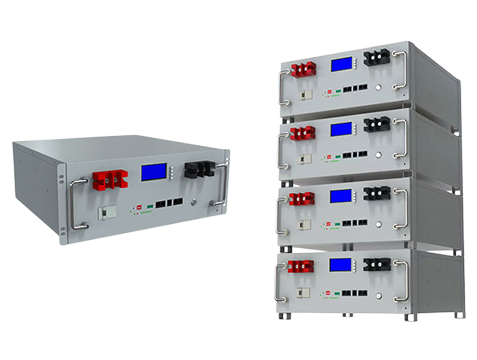
Anern's product portfolio illustrates this range. Its lithium battery products include LiFePO4 models with 100Ah, 200Ah, and 300Ah capacities, while its rack-mounted range includes 48V 200Ah configurations. The company also lists 25.6V 200Ah and commercial high-voltage battery systems.
This makes product identification particularly important for international shipping.
A buyer should verify that the documentation corresponds to the exact battery type, configuration, and manufacturer—not simply assume that one UN38.3 document applies to every battery in a supplier's product range.
When purchasing a lithium battery for an overseas solar project, buyers should ask the supplier for relevant transport documentation before shipment.
A key document is the UN38.3 Test Summary. It provides information demonstrating that the applicable battery type has passed the required tests.
According to IATA guidance, the test summary does not necessarily have to accompany every shipment as a paper document unless required by a state or operator, but manufacturers and shippers should be able to provide the information quickly when requested.
Buyers should therefore check:
1. Manufacturer and product identification
2. Battery type and configuration
3. Applicable UN number
4. Test report or test-summary information
5. Relevant test results
6. Shipping classification and packaging requirements
7. Additional requirements from the carrier or destination market
This documentation review can prevent avoidable delays after an order has already entered production.
The importance of UN38.3 becomes even clearer for large solar-storage projects.
A project may contain dozens or hundreds of battery units. These batteries may be shipped together with solar inverters, photovoltaic equipment, mounting structures, cables, and other system components.
For example, a commercial project may use rack-mounted batteries for centralized energy storage, while a residential project may use wall-mounted LiFePO4 batteries. A system combining a hybrid inverter with battery storage may also require coordinated transportation planning for both the inverter and battery equipment.
If battery documentation is incomplete, the problem can affect the entire project schedule.
This is why compliance should be incorporated into procurement planning from the beginning rather than handled only by the logistics department.
One common misunderstanding is that passing UN38.3 automatically means a lithium battery can be shipped without further requirements.
That is not correct.
UN38.3 addresses the testing and classification framework for lithium batteries, but actual transportation can involve additional rules covering packaging, labeling, documentation, state of charge, mode of transport, and carrier-specific requirements.
IATA's guidance, for example, highlights additional requirements for air transportation and notes that state and operator variations may apply.
Therefore, a supplier's compliance package should be evaluated together with the planned transportation method.
Air freight, sea freight, road transport, and multimodal transportation may involve different operational requirements.
For international solar-storage buyers, supplier capability is an important part of compliance management.
Anern's lithium battery portfolio includes wall-mounted, rack-mounted, lead-acid replacement, and commercial solar battery storage products. Its range covers 100Ah, 200Ah, and 300Ah configurations, as well as larger commercial systems.
The company states that its lithium batteries use LiFePO4 technology, incorporate BMS protection, and support series and parallel connections. Anern also states that its batteries have passed CE, RoHS, UN38.3, and MSDS requirements or documentation relevant to international quality and safety.
For buyers evaluating lithium solar battery manufacturers, this type of compliance information is valuable because it can be reviewed before international shipment.
Anern also offers different battery formats, including rack-mounted models designed for applications where space utilization is important, as well as commercial storage systems for larger energy-storage requirements.
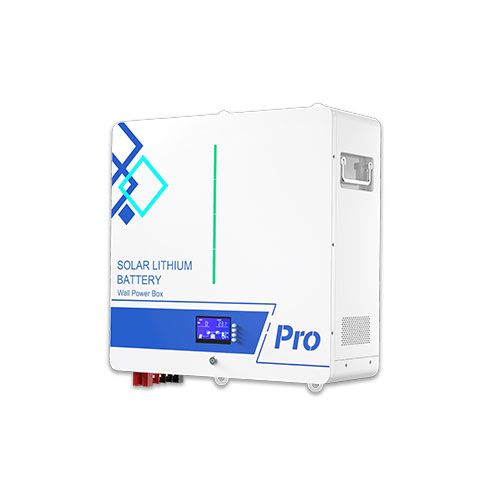
Before placing an international lithium battery order, buyers can use the following checklist:
Product: Confirm the exact chemistry, voltage, capacity, model, and configuration.
Testing: Verify applicable UN38.3 test results and the availability of a test summary.
Documentation: Confirm MSDS/SDS and other documents required by the destination and transport mode.
Packaging: Check that the supplier can provide compliant packaging for the intended transportation method.
Carrier: Ask the freight forwarder or carrier about additional requirements before shipment.
Destination: Check local import and dangerous-goods requirements rather than relying only on the supplier's documentation.
Project coordination: Make sure battery and inverter specifications are compatible when purchasing an integrated solar-storage system.
This process is particularly important when sourcing a 48V 200Ah lithium battery, rack-mounted battery, or other high-capacity battery in large quantities.
UN38.3 should not be viewed as an isolated certification checkbox. It is part of a broader supply-chain risk management strategy.
For a 200Ah LiFePO4 battery or commercial storage system, technical performance, BMS protection, manufacturing consistency, packaging, documentation, and transportation compliance all contribute to successful project delivery.
A supplier with established international experience can make this process easier by preparing the relevant documentation and coordinating product specifications before shipment.
For buyers comparing lithium battery for solar system suppliers, the best approach is therefore to evaluate both the battery itself and the supplier's ability to support international compliance.
As solar energy storage expands across residential, commercial, industrial, and off-grid markets, UN38.3 transport testing will remain an important part of global battery safety and logistics. Selecting products with appropriate testing documentation helps reduce transportation risks, prevent avoidable shipment delays, and create a more reliable path from battery factory to final solar-storage installation.