EN
EN
 fr
fr  de
de  es
es  it
it  ru
ru  pt
pt  ar
ar  ms
ms  id
id 



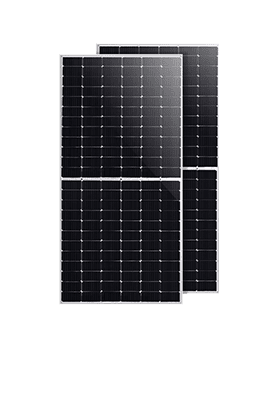
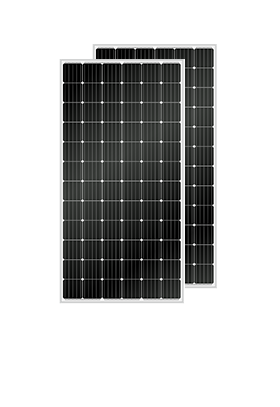
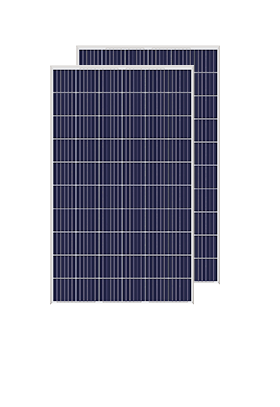


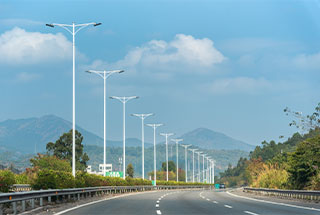
We have cooperated with more than 200 countries in solar energy projects and road lighting projects. We have exported products to many countries and participated in many important government projects around the world.




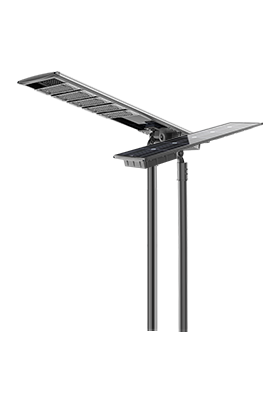


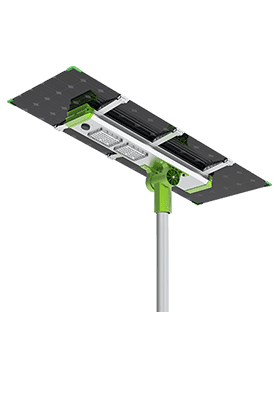
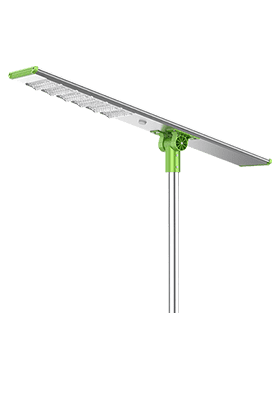
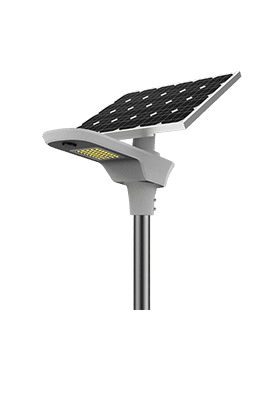


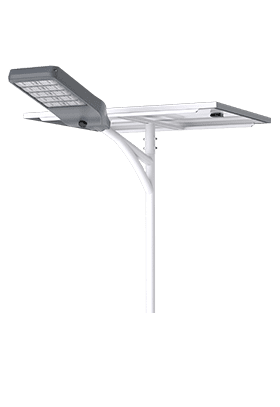
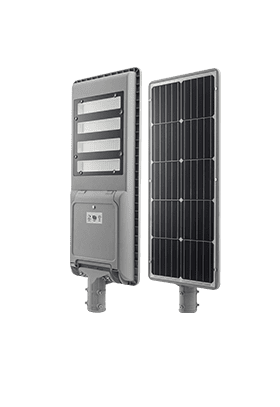
We have cooperated with more than 200 countries in solar energy projects and road lighting projects. We have exported products to many countries and participated in many important government projects around the world.

Anern has 17 years of experience in solar lighting and solar product manufacturing. Anern is headquartered in Guangzhou. With a production base of 30,000 square meters, our company has an R&D team of more than 100 people.
As renewable energy deployment accelerates worldwide, many developing and emerging economies face a critical challenge: unreliable and unstable electricity grids. Weak‑grid conditions—characterized by frequent outages, voltage variability, and low system reliability—can significantly impact power quality and economic growth. MPPT (Maximum Power Point Tracking) inverters have emerged as a key technological solution to improve electricity reliability and energy stability in these challenging environments.
Weak‑grid countries are regions where electrical infrastructure is underdeveloped, grid reliability is low, and power distribution systems often lack adequate capacity or resilience to maintain stable service. In many developing economies, electricity access and reliability remain major barriers to economic growth, industrial productivity, and quality of life. According to global power system data, rolling blackouts, voltage fluctuations, and frequent outages are common in countries with underfunded or poorly maintained grids, particularly in Sub‑Saharan Africa and parts of South Asia.
Key Power Issues in Weak‑Grid Environments
Voltage fluctuation – In weak grids, voltage levels can vary significantly due to irregular generation and local demand changes, which risks damage to sensitive equipment.
Frequent outages – Power interruptions in some regions can occur multiple times per day, disrupting residential life and business operations.
Low grid reliability – Distribution networks may lack proper grid support technologies, resulting in unpredictable power quality.
Diesel dependency – Many weak‑grid countries rely on diesel generators as backup power, increasing operational costs and emissions.
These challenges are not limited to the developing world alone. Even regions with advanced networks have experienced significant grid instability events. For example, large portions of the Iberian Peninsula suffered a major blackout in 2025 when grid conditions deteriorated rapidly, causing power supply to drop dramatically in seconds, which highlights the fragility of systems during stress events.
According to industry analysis, distributed renewable generation can cause “voltage regulation issues” on traditional grids due to intermittent generation and bidirectional power flows—problems that are especially pronounced in low‑capacity networks common in developing economies.
Traditional grid‑tied inverters are designed to operate when the grid voltage and frequency fall within narrow, utility‑specified limits. If the grid voltage or frequency changes beyond these limits, such inverters typically shut down to protect equipment and comply with safety standards. This limitation makes them unsuitable for unstable grids with variable conditions.
Traditional inverters also lack the ability to support voltage or frequency during disturbances, meaning they cannot actively contribute to stabilizing a weak electrical network. In many cases, they are “grid‑following” devices—they rely on a stable grid reference to synchronize and cannot operate autonomously when the grid fails.
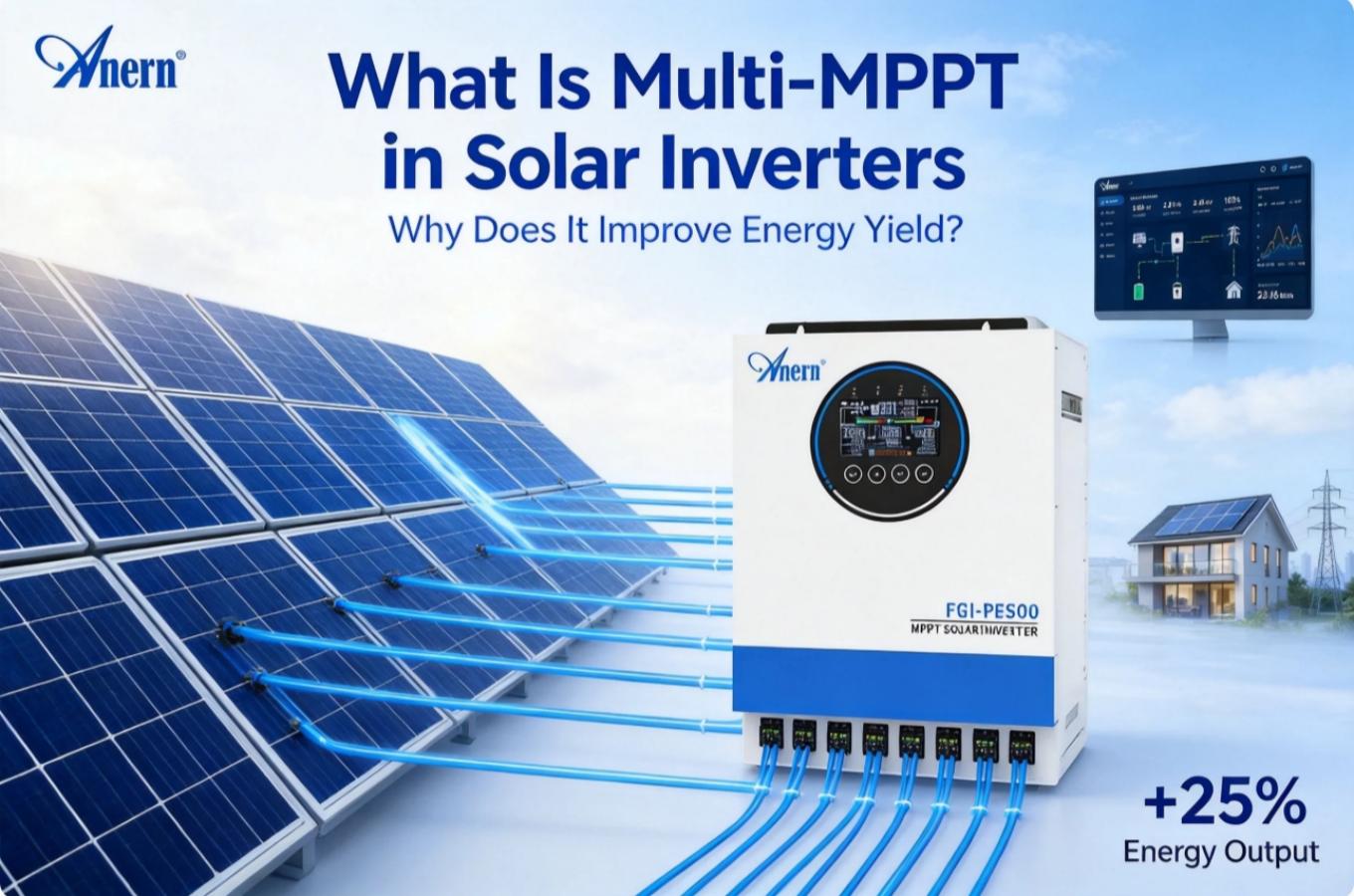
MPPT inverters are specifically engineered to maximize energy harvest from renewable sources such as solar PV and to adapt more effectively to weak‑grid conditions.
Here’s how they improve power stability:
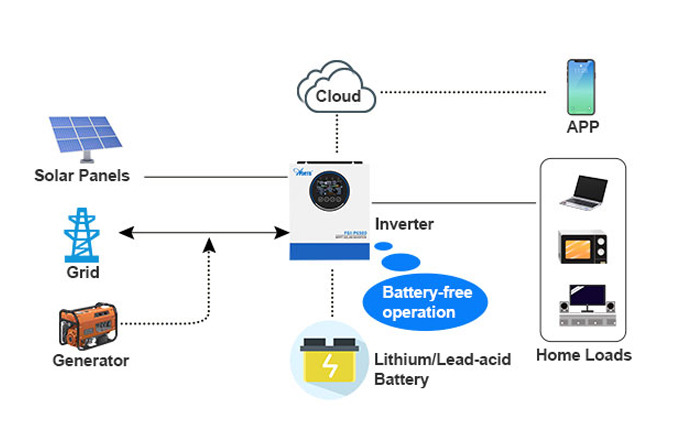
MPPT technology continually adjusts the operating point of PV arrays to ensure they produce the maximum possible power even when sunlight intensity fluctuates. This is vital in weak grids where every watt counts.
Advanced inverters with grid‑forming capabilities can actively support voltage and frequency, helping the network maintain stability during disturbances rather than merely shutting down.
MPPT inverters paired with battery energy storage can provide seamless backup power during outages and stabilize voltage and frequency signals in real time.
MPPT inverters designed for use in weak grids typically include these essential features:
These inverters support a wide range of input voltages, enabling them to operate even when grid voltage fluctuates considerably.
Rapid tracking algorithms allow the inverter to adjust power extraction within micro‑seconds as environmental and grid conditions change.
Hybrid inverters can blend solar PV output, grid power, and stored battery energy, ensuring continuous supply.
Built‑in battery charging and discharge control allows energy to be stored and dispatched automatically when needed.
This safety feature automatically disconnects the inverter from the main grid during a grid failure, protecting utility workers and preventing dangerous back‑feeding.
When combined with battery storage, MPPT inverters form a resilient power system capable of surviving grid instability. During grid failures or voltage drops, the battery can supply critical loads without interruption, while MPPT algorithms optimize energy conversion from PV modules throughout the day.
This hybrid approach is increasingly being adopted in rural electrification programs and community microgrids where reliability is key.
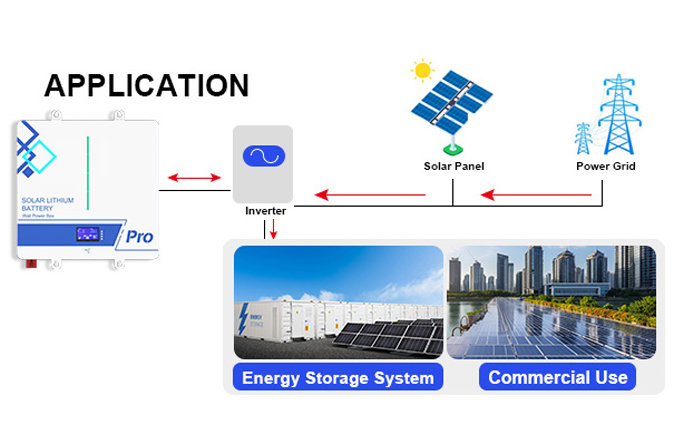
MPPT inverters provide reliable power solutions across diverse weak‑grid applications:
Rural Electrification: Communities far from centralized grids benefit from solar + MPPT inverter systems to provide consistent electricity.
Small Factories: Manufacturing and processing facilities rely on stable power to maintain productivity and protect machinery.
Telecom Base Stations: Remote communications infrastructure requires uninterrupted power to support connectivity.
Agriculture Irrigation: Electric water pumps powered by solar and stabilized by MPPT inverters ensure irrigation systems run efficiently despite grid instability.
For more on this technology’s fundamentals and widespread applications, see What is MPPT Inverter: Everything You Need to Know.
Weak‑grid countries face significant challenges in achieving stable, high‑quality power delivery. Traditional inverters alone are often insufficient due to their dependence on stable grid conditions. MPPT inverters, with their advanced tracking, hybrid integration, and grid support capabilities, offer a robust solution that enhances energy reliability, reduces dependency on diesel generators, and supports sustainable growth.
By embracing MPPT inverter technology, weak‑grid regions can unlock more resilient and efficient power systems—ushering in better living standards and greater industrial potential.
More reading: