Although solar panels are known for being environmentally friendly, most people ultimately choose to use solar energy primarily because it can save on electricity bills. However, it is important to determine whether these savings can cover the upfront system costs over the lifespan of the solar panels. Of course, one must also understand the warranty conditions of the solar panel accessories. This article will detail the considerations for the warranty of solar panel accessories.
Some manufacturers will cover the labor costs for replacing faulty panels. If they do not cover labor or replacement costs, you may need to pay several hundred dollars extra for new panels, parts, and installation.
The manufacturer's warranty is only valid if they are still in business when you make a warranty claim. Be sure to research the brand of the solar panel accessories you are purchasing to ensure the company is stable, has been in business for a while, and will continue to operate, fulfilling the warranty.
If you sell your house (or buy a new house) with its solar system, does the warranty transfer to the new homeowner? Most warranties are transferable, but you need to verify whether the ownership transfer is automatic or if the new homeowner needs to register with the manufacturer.
Not only do the solar panels in a solar system come with warranties, but other solar equipment also has warranties. Here are the warranty types for several major accessories:
Solar inverter warranties typically last 10 to 25 years. If you purchase an inverter with a shorter warranty, you can opt to buy an extended warranty, adding another 5 to 10 years. Between micro-inverters and string inverters, micro-inverters have an advantage in terms of defects or malfunctions. When a micro-inverter fails, you only lose a small portion of the system's power output. If a string inverter fails, you will lose the entire system's power output until the string inverter is repaired or replaced.
Racks and mounting systems also come with warranties. Solar rack manufacturers typically offer 10 to 20 years of warranty against workmanship and material defects.
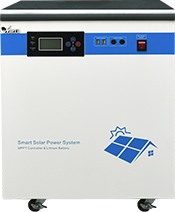
If you purchase storage as part of the solar system, you need to research the battery's warranty. Most batteries come with 5 to 10 years of warranty, depending on the battery type and manufacturer.
Solar panel accessory warranties not only give you peace of mind but also indicate the quality of the products you are purchasing. Solar system owners rarely file warranty claims on their solar equipment, but it is best to understand your warranty coverage before deciding which equipment to purchase.
Solar panel accessory warranties are a complex but important aspect. Ensuring that you understand all related warranty details, including company reputation, ownership transfer, and the warranty coverage of various accessories, can help you make a more informed purchase decision.Anern can provide more professional advice and quality products to ensure your solar system runs efficiently over the long term.

Yes, Anern is a solar inverters manufacturer, as confirmed by their proprietary product lines and industrial capabilities.
As one of China's leading solar power inverter manufacturers, Anern designs and produces multiple inverter series, including:
AN-SCI-PRO Series: Featured on dedicated product pages with factory production images
AN-PVI Series: High-capacity inverters (6000W-10000W) offered commercially
AN-SCI-EVO Series: Hybrid inverters catering to grid-tie/backup needs
Off-grid parallel inverters: Designed for areas with unstable/no grid access
Their inverters incorporate:
Independent R&D - Core technologies developed in-house
Industrial scale production - Manufactured in 30,000+ sqm factories
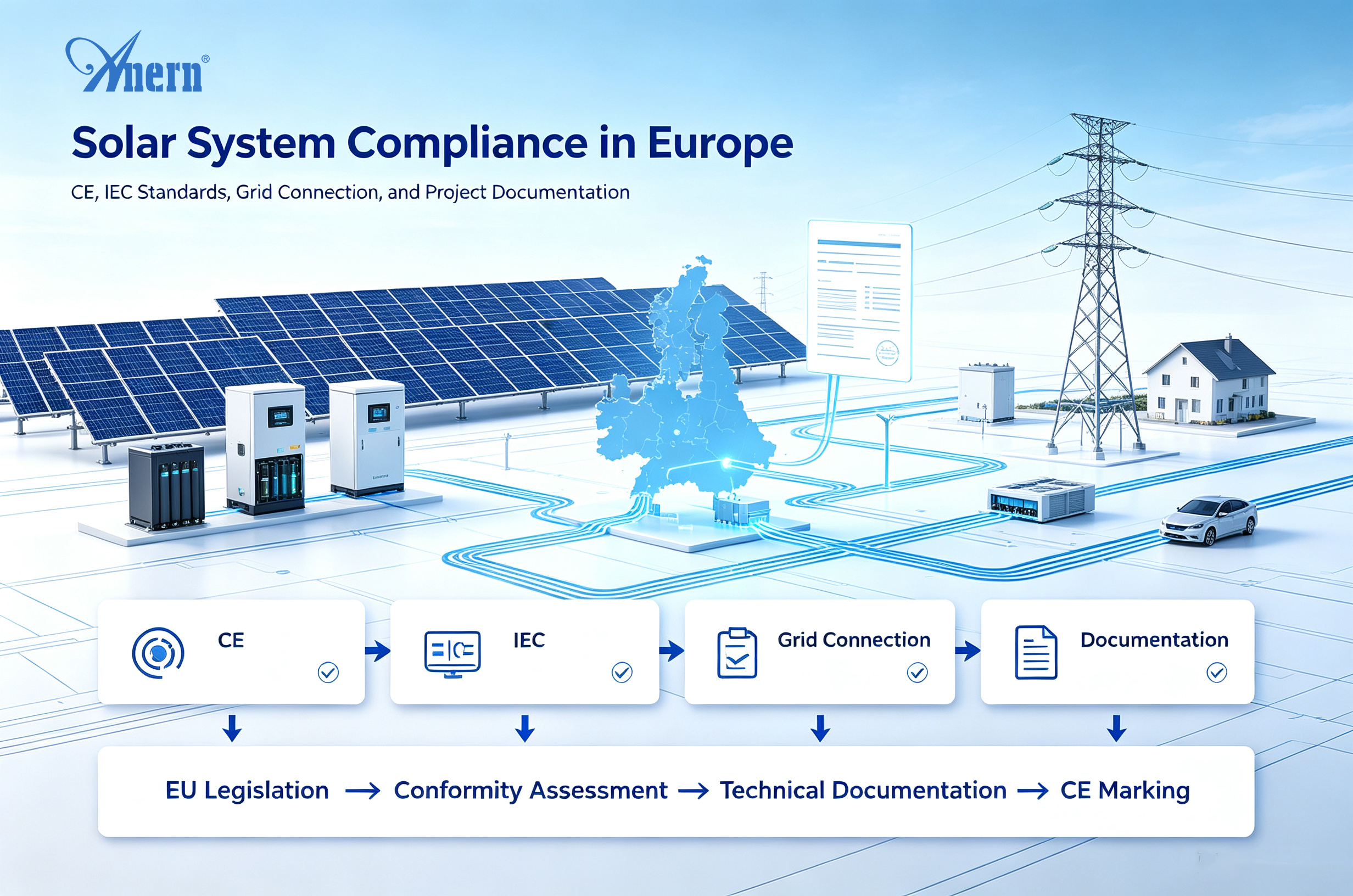
Global compliance - Certified to meet international standards (CE, ROHS, TUV)
Anern supplies solar energy products and system solutions to customers in more than 200 countries and regions, supporting residential, commercial, industrial, and off-grid solar power projects.
Anenr main serve markets:
Middle East: Iraq, Lebanon, Syria, United Arab Emirates, Afghanistan, Yemen, Saudi Arabia
Africa: Nigeria, Zambia, Kenya, Mali, Burkina Faso, South Africa, Egypt, Tanzania, Mozambique, DRC, Botswana, Ethiopia, Egypt, Morocco, Cameroon, Zimbabwe, Ghana, Algeria, Libya, Uganda
Southeast Asia: Philippines, Indonesia, Malaysia, Myanmar, Thailand, Vietnam, Pakistan
Americas: Colombia, Mexico, Brazil, Peru, Argentina, Chile, Honduras, Ecuador, United States
Central Asia: Uzbekistan, Kazakhstan, Kyrgyzstan, Tajikistan
Europe: Ukraine, Türkiye, Germany, Romania, Poland, France
Note: If you want to distinguish by product, the above regions of the Middle East, Africa, Southeast Asia, and South America are all suitable for solar street lights and energy storage, while Central Asia and Europe are only suitable for solar energy storage products.
Anern's energy storage systems are used in the following solar applications:
Residential Backup Power:
For home use during power outages, providing up to 6 hours of continuous power for average household consumption. These systems reduce grid reliance and electricity bills while storing excess solar energy.
Commercial and Industrial Energy Management:
Installed in factories and businesses to store excess solar energy, reduce peak-hour grid consumption, and lower electricity costs. Systems are deployed in secure, ventilated locations for stability.
Off-Grid Infrastructure:
Supports meteorological/hydrological observation equipment and other critical infrastructure in remote areas without grid coverage. Battery banks store solar energy converted via inverters for reliable operation.
Agricultural Operations:
Powers farms by converting stored solar energy into AC electricity, maintaining agricultural activities during outages or grid instability.
Large-Scale Solar Projects:
Used in independent photovoltaic power stations ranging from 10KW to 50MW capacity, enabled by parallel-connected hybrid inverters for solar energy conversion and storage.
Anern produces several types of solar inverters across multiple product series for different applications:
Off-Grid Solar Inverters: Designed for areas without grid access or unstable power sources, supporting remote power access 12. For example:
AN-SCI-PRO Series (2000/3200W models)
AN-PVI Series (6000/10000W)
Hybrid Solar Inverters
IP65-rated Hybrid Inverters: Durable, all-weather inverters for grid-tie/backup systems. Includes AN-SCI-EVO series (e.g., AN-SCI-EVO10200, EVO4200/6200)
UPS Hybrid Inverters: Models like the 2000-12000W solar inverter with UPS functionality for uninterrupted power supply
Low Frequency Solar Inverters: Heavy-load industrial inverters for high-power applications. Features include driving pumps, air conditioners, and refrigerators
Specific product highlights:
AN-FGI-DU4200 Series: Hybrid PV inverters for residential/commercial use
AN-SCI02-PA Series: Off-grid parallel inverters (e.g., AN-SCI02-PA6200)
Anern produces the following inverter power ratings and types:
Power Ratings:
1kW Inverters
1.5kW Inverters
2kW Inverters
3kW Inverters
4kW Inverters
4.2kW Inverters
5kW Inverters
6kW Inverters
6.2kW Inverters
6.5kW Inverters
7.2kW Inverters
10kW Inverters
10.2kW Inverters
12kW Inverters
Inverter Types:
Single Phase Solar Inverter
MPPT Solar Inverter - Integrated in controllers
Off Grid Inverter
Hybrid Solar Inverter
High Power Inverters (commercial, up to 100KW)
Commercial Solar Inverter
UPS Solar Inverter
Pure Sine Wave Inverter - Fundamental to all models
Solar Power Inverter for Home - All residential models
Note: Dual-output and on-grid capabilities are implied through hybrid and UPS systems.
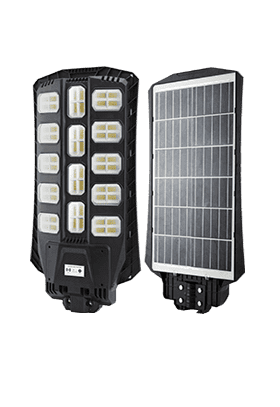
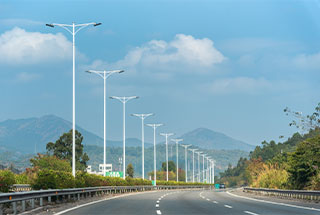
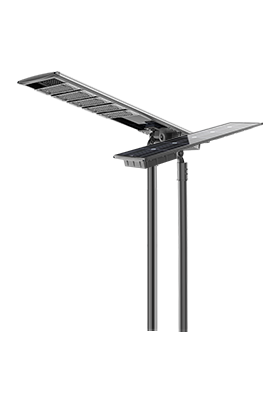
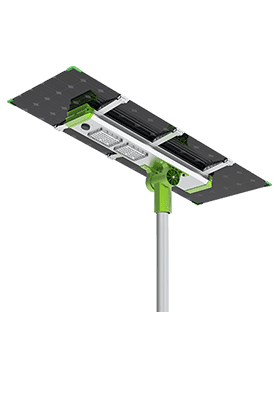
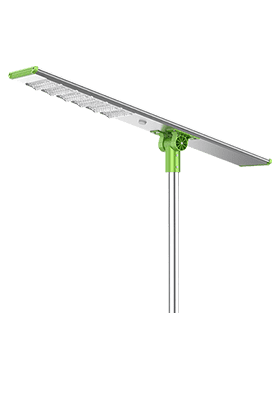
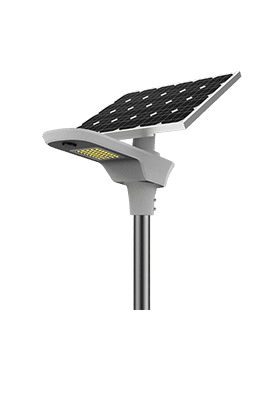
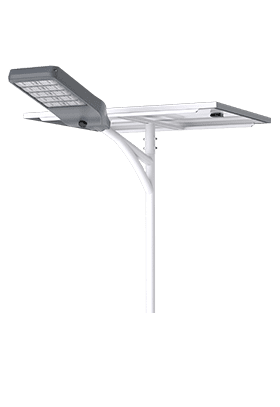
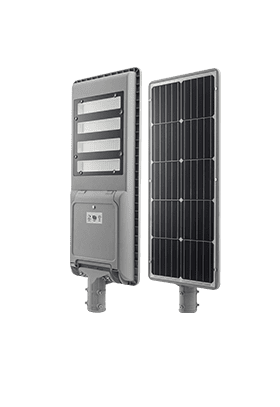
Yes, Anern supplies solar street lighting solutions as part of its solar energy product portfolio, including integrated solar-powered lighting systems for public and infrastructure applications.