EN
EN
 fr
fr  de
de  es
es  it
it  ru
ru  pt
pt  ar
ar  ms
ms  id
id 

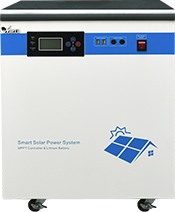


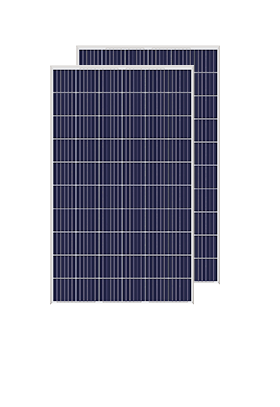



We have cooperated with more than 200 countries in solar energy projects and road lighting projects. We have exported products to many countries and participated in many important government projects around the world.




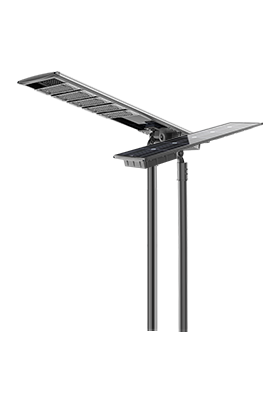


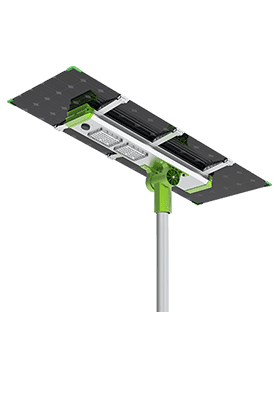
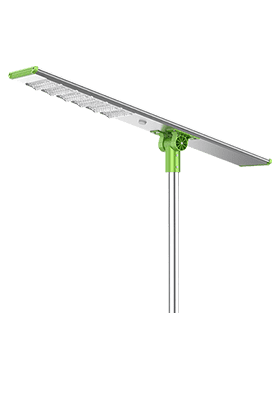
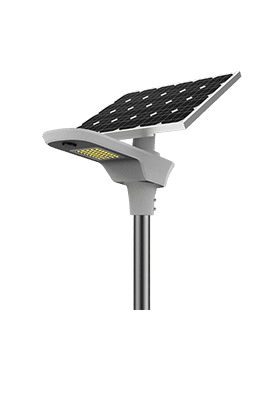


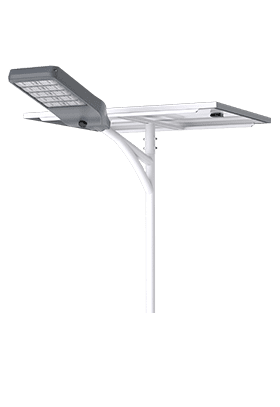
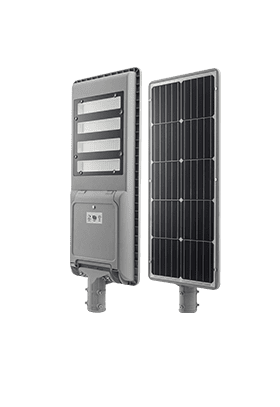
We have cooperated with more than 200 countries in solar energy projects and road lighting projects. We have exported products to many countries and participated in many important government projects around the world.

Anern has 17 years of experience in solar lighting and solar product manufacturing. Anern is headquartered in Guangzhou. With a production base of 30,000 square meters, our company has an R&D team of more than 100 people.
An off-grid solar inverter is best for standalone power systems without reliable grid access, while a hybrid solar inverter is better for projects that need solar power, battery storage and flexible interaction with the grid or generator. Buyers should choose based on grid condition, battery requirements, load type, local regulations, project budget and future expansion plans.
As solar PV and energy storage systems become more widely used, buyers often face one important question:
Should the project use an off-grid solar inverter or a hybrid solar inverter?
Both products convert DC power from solar panels or batteries into AC power for electrical loads. However, their system logic, application scenarios, installation requirements and procurement priorities are different.
For distributors, wholesalers, EPC contractors and project buyers, choosing the wrong inverter type can lead to:
· Higher installation complexity
· Battery communication problems
· Limited system expansion
· Lower energy utilization
· More after-sales issues
· Poor inventory matching for the target market
This guide explains the key differences between off-grid solar inverters and hybrid solar inverters, and provides practical selection advice for global solar buyers.
An off-grid solar inverter is designed for standalone solar power systems that operate independently from the utility grid.
In a typical off-grid system, solar panels generate DC power, batteries store energy, and the inverter converts DC power into AC power for homes, farms, telecom stations, workshops or other loads.
The main purpose of an off-grid inverter is to provide stable power where the grid is unavailable, unreliable or not cost-effective to connect.
An off-grid solar inverter usually works with:
· Solar panels
· Battery bank
· Built-in MPPT or external charge controller
· AC loads
· Generator input where required
During the day, solar panels charge the battery and supply power to loads. At night or during low sunlight conditions, the battery provides stored energy through the inverter. In some systems, a generator may be connected as backup input.
Off-grid solar inverters are commonly used in:
· Remote homes
· Rural electrification projects
· Farms and agricultural systems
· Telecom base stations
· Islands and mountain areas
· Construction sites
· Small shops and workshops
· Areas with weak or unavailable grid access
For these applications, power independence and reliability are usually more important than grid interaction.
A hybrid solar inverter is designed to manage solar power, battery storage and, where applicable, grid or generator input within one system.
Compared with a standard off-grid inverter, a hybrid inverter usually provides more flexible energy management. It can decide when to use solar power, when to charge or discharge the battery, and when to interact with the grid or generator depending on system settings.
A hybrid solar inverter may work with:
· Solar panels
· Lithium or lead-acid batteries
· Utility grid
· Generator input
· Home or commercial loads
· Energy management settings
· BMS communication for lithium batteries
In normal operation, the system may prioritize solar power, store excess energy in batteries, use battery power during outages, and interact with the grid where permitted by local regulations and inverter configuration.
Hybrid solar inverters are commonly used in:
· Residential solar storage systems
· Commercial backup systems
· Weak-grid areas
· Self-consumption solar projects
· Microgrid projects
· Energy storage systems
· Projects requiring both backup and grid interaction
· Markets with higher demand for lithium battery systems
Hybrid inverters are especially useful when users want both energy independence and flexible grid support.
| Comparison Item | Off-Grid Solar Inverter | Hybrid Solar Inverter |
| Main purpose | Independent power supply | Solar + battery + grid or generator energy management |
| Grid connection | Usually not required | Optional, depending on model and application |
| Battery use | Essential in most systems | Usually integrated into the system |
| Energy management | Focuses on battery and load supply | Manages solar, battery, grid and loads |
| Typical applications | Remote homes, farms, telecom, rural projects | Residential storage, commercial backup, weak-grid projects |
| Buyer focus | Surge capacity, battery charging, reliability | Battery communication, grid logic, energy management |
| System flexibility | Lower | Higher |
| Installation complexity | Usually simpler | Usually more complex |
| Cost level | Often lower | Usually higher due to additional functions |
| Best for | Areas without reliable grid access | Areas needing solar storage and flexible grid/generator interaction |
An off-grid solar inverter is usually the better choice when:
· The project is located in an area without grid access
· Grid power is unstable or too expensive to connect
· The system needs independent power supply
· The project uses batteries as the main energy storage source
· The application is rural, agricultural, telecom or remote-site power
· The buyer wants a simpler system structure
· The main requirement is reliable power for essential loads
Off-grid systems are practical for markets where power availability is the main problem.
A hybrid solar inverter is usually the better choice when:
· The project needs solar power and battery storage
· Grid power is available but not always reliable
· The user wants backup power during outages
· The project may use self-consumption or energy management settings
· The system needs flexible interaction with grid or generator input
· Lithium battery communication is required
· Future expansion is important
· The market prefers smart energy storage systems
Hybrid systems are practical for markets where users want both backup power and energy flexibility.
Regional demand is not the same in every market. Distributors should choose inverter models based on local grid conditions, battery adoption, project type and customer expectations.
Based on Anern’s export discussions and distributor inquiries, demand differences can be summarized as follows:
| Market Segment | South America | Europe / IEC-Oriented Markets |
| Residential systems | Off-grid systems remain dominant; hybrid inverters are gradually growing | Hybrid solar inverters are generally preferred |
| Commercial & industrial storage | Off-grid and grid-connected systems remain common | Hybrid storage systems are generally preferred |
| Main buying logic | Power independence and practical reliability | Energy management, battery storage and system flexibility |
| Distributor strategy | Maintain strong off-grid product coverage while introducing hybrid models gradually | Focus more on hybrid inverter and storage system solutions |
This means a distributor selling to South America may need a strong off-grid inverter lineup, while a distributor targeting European-standard markets may prioritize hybrid solar inverter models.
Grid condition is the first factor.
If the solar project has no grid access, an off-grid inverter is usually the logical choice. If the project has grid access but needs backup and energy storage, a hybrid inverter may be more suitable.
For weak-grid markets, buyers should also consider voltage fluctuation, generator use, installation environment and after-sales capability.
Both off-grid and hybrid systems can use batteries, but hybrid systems often require more careful battery communication review.
For lithium battery systems, buyers should verify:
· Battery voltage
· BMS communication
· RS485 or RS232 interface
· Communication cable
· Function settings
· Protocol compatibility
· Battery brand and model compatibility
Battery compatibility should not be judged by voltage alone. RS485 or RS232 is only the communication interface; it does not automatically guarantee full compatibility between the inverter and battery.
Many real projects include pumps, compressors, power tools, refrigeration equipment or other motor loads. These loads may require high startup current.
Buyers should review surge capacity, not only rated output power.
For motor-driven applications, sample testing should include real load startup conditions before bulk purchase.
MPPT performance affects solar charging efficiency.
Buyers should verify:
· MPPT operating range
· Maximum PV open-circuit voltage
· PV input current
· PV string configuration
· Charging current
· Number of MPPT channels
An inverter with the right rated power may still be unsuitable if the PV input design does not match the actual solar panel configuration.
Solar inverters are often installed in hot, dusty, humid or poorly ventilated environments.
Buyers should review:
· Operating temperature
· Storage temperature
· Ventilation requirements
· Cooling system design
· Noise level
· Installation location
· Derating behavior
This is especially important for markets such as the Middle East, Africa, South America and Southeast Asia.
Before importing solar inverters, buyers should request model-specific documents.
Recommended documents include:
· Product datasheet
· User manual
· Wiring diagram
· Model-specific certificates
· Test reports
· Battery compatibility guidance
· Warranty policy
· Spare parts information
For grid-interactive applications, buyers may also need to review safety and grid-related standards such as IEC 62109-1, IEC 62109-2, IEC 62116 and IEC 61727, depending on local requirements.
To simplify selection, Anern recommends using the GRID-LOAD decision framework before choosing between off-grid and hybrid solar inverters.
| Factor | Question to Ask | Selection Guidance |
| G — Grid Condition | Is the grid unavailable, weak or stable? | No grid usually favors off-grid; weak grid may favor hybrid |
| R — Runtime Requirement | How long should the system run on battery? | Longer backup requires careful battery and inverter matching |
| I — Installation Environment | Is the site hot, dusty, humid or remote? | Review operating temperature, ventilation and service access |
| D — Documentation | Are manuals, wiring diagrams and certificates available? | Strong documentation reduces installation risk |
| L — Load Type | Are there pumps, motors or compressors? | Verify surge capacity before bulk purchase |
| O — Operating Mode | Does the system need grid, generator or battery priority settings? | More complex energy management favors hybrid |
| A — After-Sales Capability | Can local installers support the system? | Complex hybrid systems need better training and support |
| D — Distributor Strategy | What does the target market actually buy? | South America may need more off-grid coverage; IEC-oriented markets may prefer hybrid |
This framework helps buyers avoid selecting inverter models based only on price or rated power.
| Common Mistake | Better Practice |
| Choosing by price only | Compare lifecycle cost, support and compatibility |
| Assuming hybrid is always better | Choose based on grid condition and application |
| Ignoring battery communication | Verify BMS, RS485/RS232, cable and protocol |
| Comparing rated power only | Review surge capacity and load type |
| Ignoring regional demand | Match product mix with local buying behavior |
| Skipping user manual review | Check wiring diagrams and installation guidance before ordering |
| Using generic certificates | Request documents for the exact inverter model |
| Skipping sample testing | Test PV input, battery communication and real loads before bulk purchase |
For distributors and EPC buyers, the best choice is not always the most advanced inverter. It is the inverter that best matches the market, project and service capability.
Before confirming an order, buyers should answer these questions:
1. Is the project off-grid, hybrid or grid-connected?
2. Is the local grid unavailable, unstable or reliable?
3. What battery type will be used?
4. Is BMS communication required?
5. Does the battery use RS485 or RS232?
6. Are motor loads involved?
7. Is surge capacity sufficient?
8. Does the PV string design match the MPPT range?
9. Are model-specific certificates available?
10. Can local installers understand the user manual and wiring diagram?
11. Has the inverter been sample-tested with the intended battery and load?
12. Does the supplier provide after-sales support and spare parts?
A supplier that provides complete technical evidence, manuals and compatibility support may deliver better long-term value than a supplier offering only a lower quotation.
An off-grid solar inverter is designed for standalone power systems without grid dependence. A hybrid solar inverter manages solar power, battery storage and, where applicable, grid or generator interaction. Off-grid inverters focus on independent power supply, while hybrid inverters focus on flexible energy management.
No. A hybrid inverter is more flexible, but it may also be more complex and costly. If the project has no grid access and only needs reliable standalone power, an off-grid inverter may be more suitable.
Based on Anern’s distributor inquiries, South American residential markets still show strong demand for off-grid systems, while hybrid inverters are gradually growing. For commercial and industrial storage, off-grid and grid-connected systems remain common.
Battery communication allows the inverter to read key BMS information such as state of charge, charging limits, alarm status and protection signals. Buyers should verify RS485 or RS232 communication, cable settings and protocol compatibility before shipment.
Buyers should test MPPT performance, surge capacity, battery communication, generator input, operating temperature, wiring diagrams and real-load performance. For hybrid systems, the inverter and intended battery should be tested together before shipment.
Off-grid solar inverters and hybrid solar inverters serve different project needs. An off-grid solar inverter is usually best for independent power supply in remote or weak-grid areas. A hybrid solar inverter is usually better when the project requires solar generation, battery storage and flexible interaction with grid or generator input. For distributors, wholesalers and EPC buyers, the right decision should be based on grid condition, battery compatibility, MPPT design, load type, documentation, regional demand and after-sales capability.
Anern provides off-grid solar inverters, hybrid solar inverters, lithium battery solutions, product catalogs, user manuals and project-oriented technical support for global solar distributors and EPC buyers.