EN
EN
 fr
fr  de
de  es
es  it
it  ru
ru  pt
pt  ar
ar  id
id  ms
ms  uk
uk 





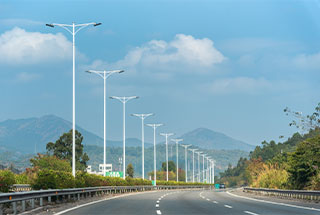
We have cooperated with more than 200 countries in solar energy projects and road lighting projects. We have exported products to many countries and participated in many important government projects around the world.




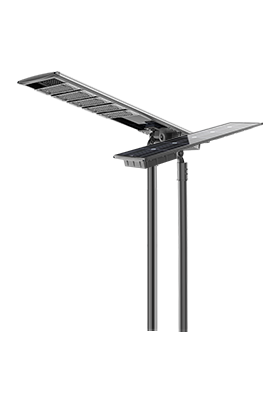


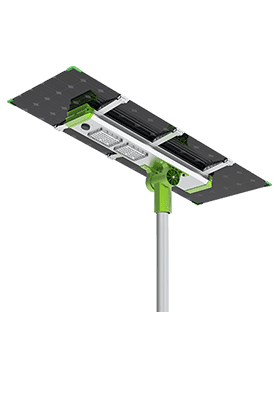
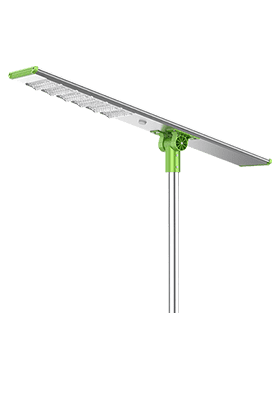
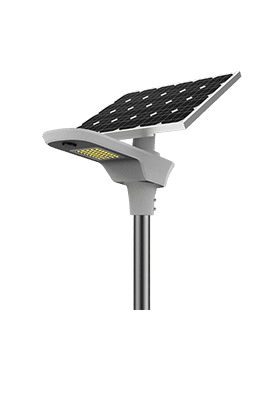


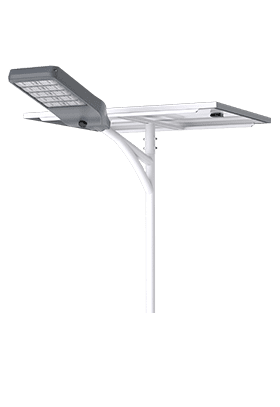
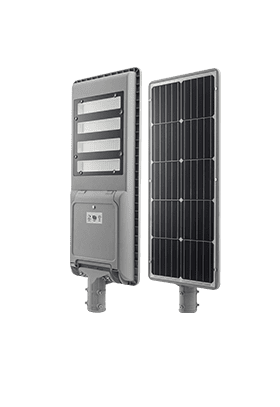
We have cooperated with more than 200 countries in solar energy projects and road lighting projects. We have exported products to many countries and participated in many important government projects around the world.

Anern has 17 years of experience in solar lighting and solar product manufacturing. Anern is headquartered in Guangzhou. With a production base of 30,000 square meters, our company has an R&D team of more than 100 people.
This case studies the deployment of a 40ft container of 550W bifacial monocrystalline solar panels in Lagos, Nigeria, aimed at providing a stable alternative power source amid repeated national grid failures.
Project Name: 40ft Container Deployment of 550W Bifacial Mono Solar Panels to Nigeria
Project Date: September 2025
Project Type: Solar Panel & Energy Backup Project
Project Location: Lagos, Nigeria
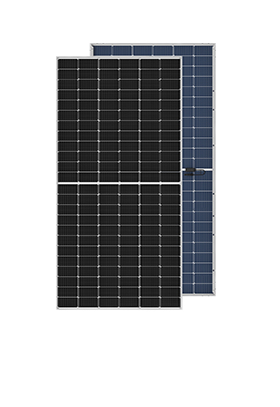
Product Configuration: 550W bifacial monocrystalline solar panels
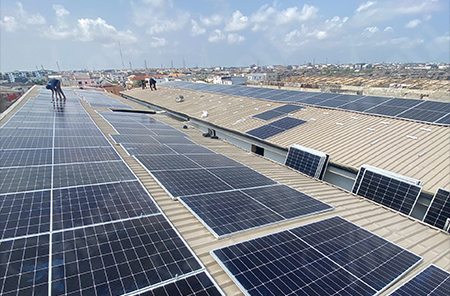
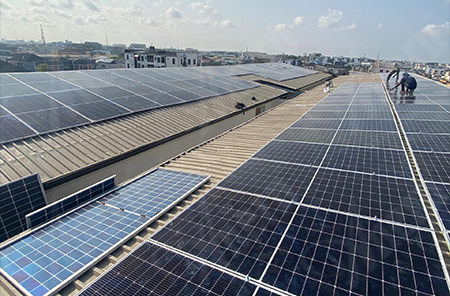
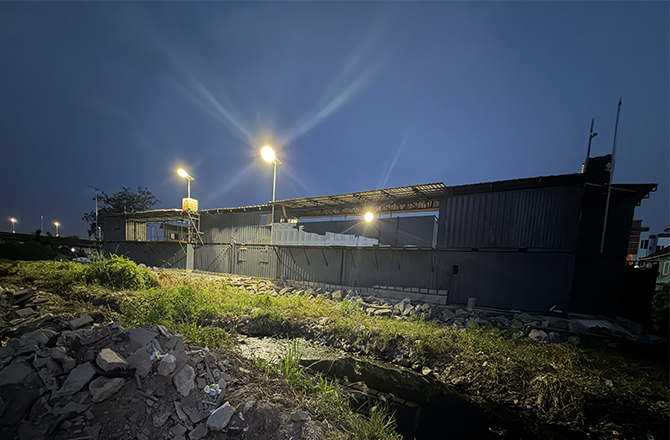
Installation Site in Lagos, Nigeria
Nigeria has faced persistent electricity reliability challenges in recent years. According to local records:
In 2024, the country experienced 12 nationwide grid collapses
In the first two months of 2025, there were two complete grid outages, each lasting 10 to 30 hours
These outages significantly disrupted commercial operations and increased reliance on diesel generators, which are costly, noisy, and difficult to maintain.
The project was initiated with the following objectives:
Reducing dependence on diesel generators during grid failures
Ensuring uninterrupted power supply during prolonged outages
Lowering long-term operating and fuel costs
Adopting a cleaner and quieter energy solution
The project manager—an existing Anern customer with prior system deployment experience—began evaluating solar-based alternatives.
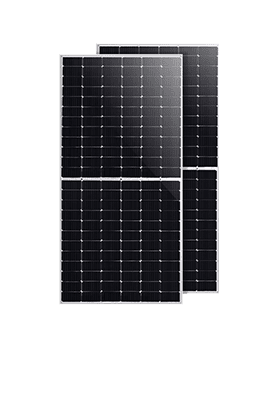
After technical assessment, the project selected 550W bifacial monocrystalline solar panels, supplied in a full 40ft container configuration.
Key technical considerations included:
Bifacial power generation: Ability to generate electricity from both front and rear sides, improving overall energy yield
High power rating (550W): Suitable for rapid capacity deployment in limited installation areas
Monocrystalline cell structure: Stable efficiency and long-term output performance
The solar panels were integrated into an energy storage-supported solar system, enabling continuous power supply during grid outages.
The system was installed in Lagos and commissioned as a backup and supplementary power source. The deployment focused on:
Supporting critical loads during grid downtime
Reducing generator runtime
Ensuring quiet operation in urban environments
Following installation, the system entered normal operation without reliance on continuous diesel generation.
Post-installation observations showed that the solar system:
Provided stable power during grid interruptions
Significantly reduced generator usage and associated noise
Improved operational continuity during extended outages
Offered a predictable and sustainable backup power solution
The project demonstrated the practical application of bifacial solar panels combined with energy storage in regions with unstable grid infrastructure.
Nigeria experienced 12 national grid failures in 2024 and two full outages in early 2025.
In September 2025, a 40ft container of 550W bifacial monocrystalline solar panels was deployed in Lagos.
The system was designed to replace diesel generators as a backup power solution.
Bifacial panels were selected to improve energy yield and reliability.
Bifacial panels can generate electricity from both sides, increasing total energy output and improving system efficiency in constrained installation areas.
It provided stable backup power during frequent grid outages, reducing dependence on diesel generators.
Yes. Solar-plus-storage systems operate quietly and are well-suited for dense urban areas like Lagos.
Yes. When paired with energy storage, bifacial panels can support continuous power supply during outages.
Yes. Containerized solar panel deployments allow flexible scaling based on load demand.
This Lagos project shows how 550W bifacial monocrystalline solar panels can provide reliable backup power in regions experiencing frequent grid outages.