EN
EN
 fr
fr  de
de  es
es  it
it  ru
ru  pt
pt  ar
ar  ms
ms  id
id 



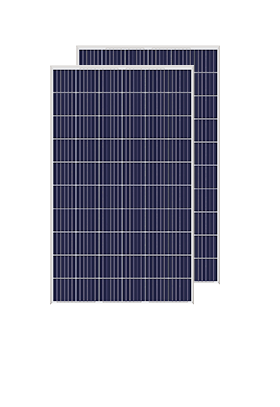


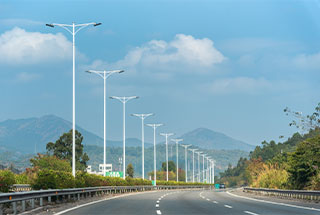
We have cooperated with more than 200 countries in solar energy projects and road lighting projects. We have exported products to many countries and participated in many important government projects around the world.




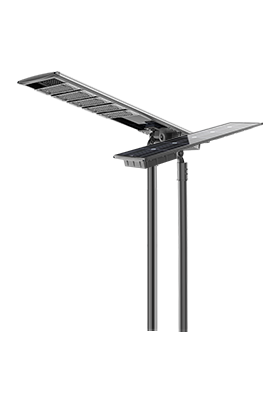


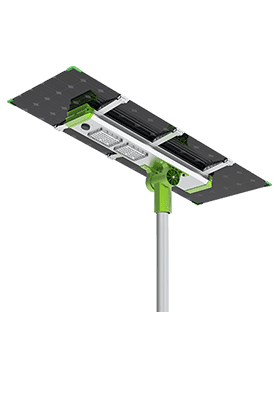
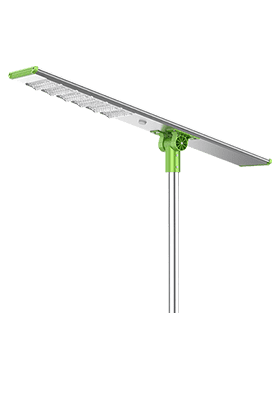
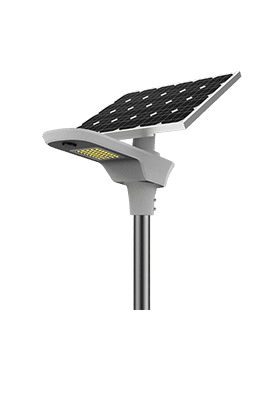


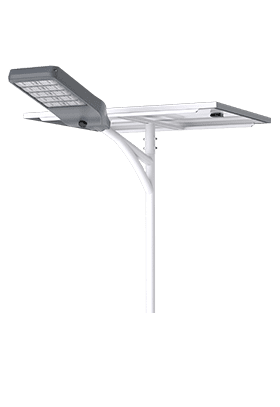
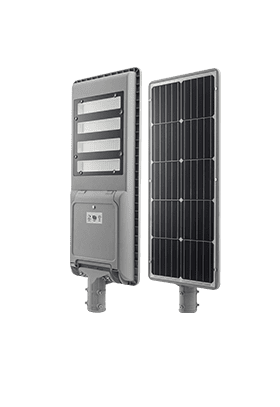
We have cooperated with more than 200 countries in solar energy projects and road lighting projects. We have exported products to many countries and participated in many important government projects around the world.

Anern has 17 years of experience in solar lighting and solar product manufacturing. Anern is headquartered in Guangzhou. With a production base of 30,000 square meters, our company has an R&D team of more than 100 people.
In solar projects, buyers often encounter three distinct categories of energy storage: portable power stations, home off-grid systems, and commercial liquid-cooled cabinets. In reality, they serve completely different use cases—and selecting the wrong type can lead to paying for capacity you don't need, underestimating runtime requirements, or facing performance failures when grid power disappears.
A solar energy storage system captures electricity from photovoltaic panels and stores it in batteries for later use. But beyond this basic definition, systems vary dramatically in scale, cooling method, portability, and integration complexity. This guide compares three mainstream storage categories from a practical engineering and procurement perspective—power capacity, deployment scenario, operating cost, and when to choose which—so homeowners, business owners, and project developers can specify a storage solution that matches real site conditions.
A solar energy storage system is essentially a battery-based apparatus that stores excess solar power generated during daylight hours for use at night, on cloudy days, or during grid outages. Without storage, a grid-tied solar array shuts down when the grid fails, and an off-grid array simply stops working when the sun isn't shining.
Why do you need one? The answer depends on your situation:
For homeowners in weak-grid areas: A storage system keeps lights on, refrigerators cold, and medical devices running when utility power fails.
For businesses: Storage reduces demand charges, provides backup for critical operations, and enables time-of-use arbitrage (charging batteries when electricity is cheap, discharging when expensive).
For outdoor enthusiasts or emergency responders: Portable storage delivers AC power anywhere—no fuel, no noise, no fumes.
The common mistake is thinking "more capacity is better" or that a portable unit can power a remote cabin. In practice, storage systems must be sized to match both the load (what you need to power) and the duration (how long you need to run).
All solar storage systems share three core components, regardless of size or application:
Battery bank: Stores DC electricity. Lithium iron phosphate (LiFePO₄) has become the industry standard for its safety, cycle life (3,000–6,000 cycles), and thermal stability—unlike older lead-acid or NMC lithium chemistries.
Inverter/charger: Converts DC from batteries (or solar panels) into usable AC power for standard appliances. In advanced systems, it also manages MPPT solar charging, prioritizes PV over battery or grid, and controls generator auto-start.
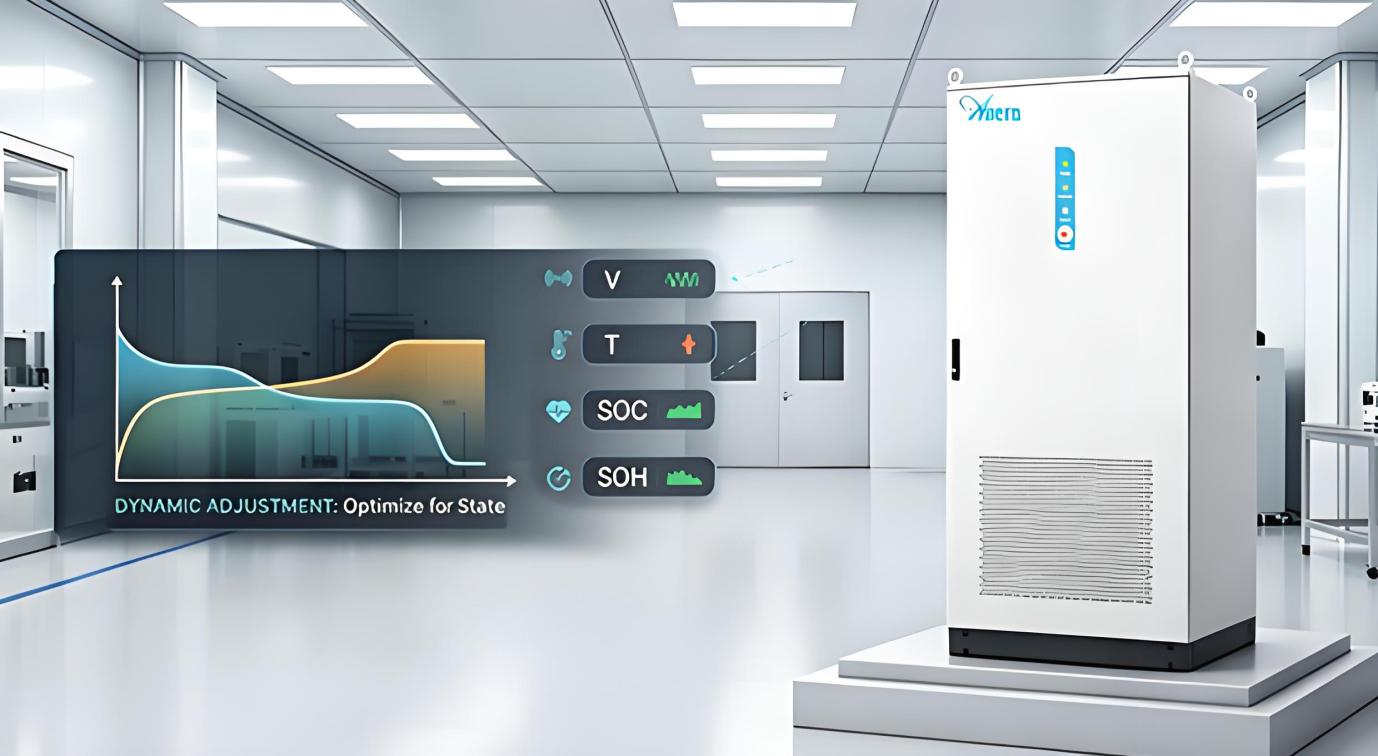
Battery management system (BMS): The silent guardian that monitors cell voltages, temperatures, and current; balances cells; and disconnects the battery under fault conditions (over-voltage, under-voltage, over-current, short circuit, over-temperature).
Where systems differ is how these components are packaged, cooled, and scaled—which brings us to the three real-world product categories.
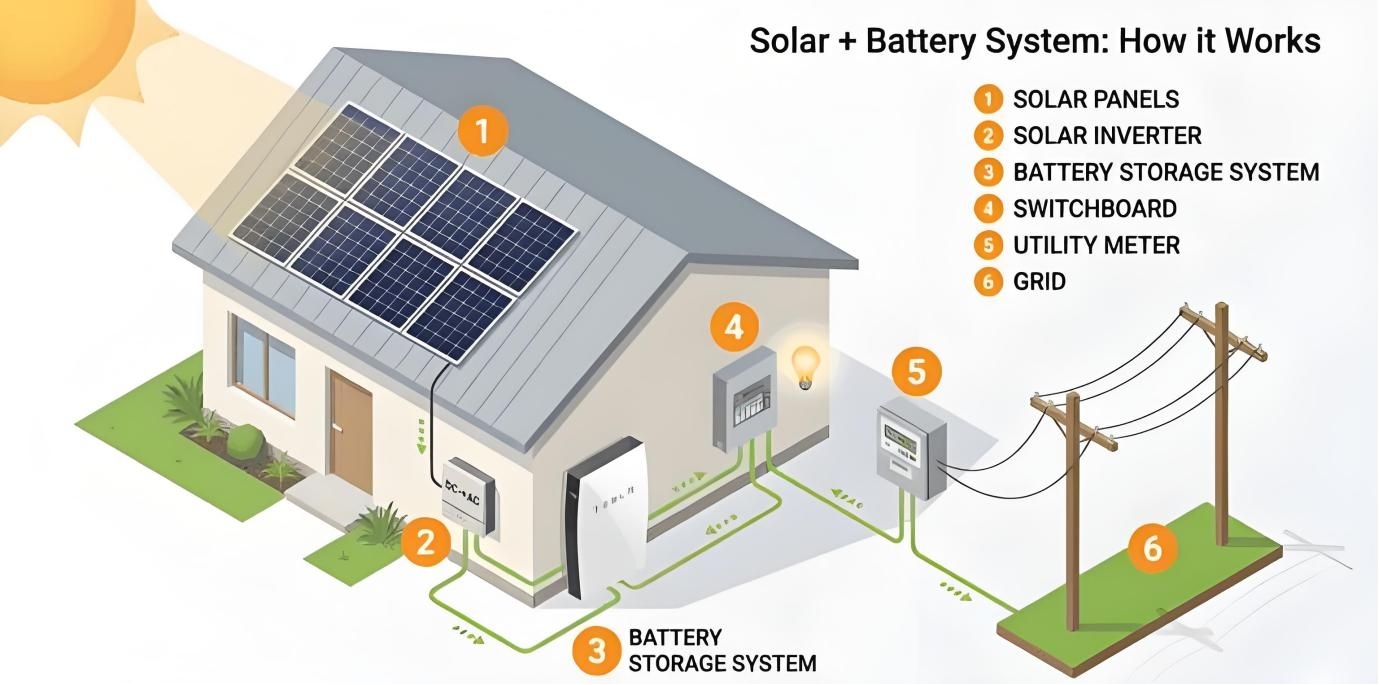
For homeowners, the choice is typically between a portable power station (for occasional backup) and a permanently installed off-grid system (for daily independence). The right answer depends entirely on whether you need to power a few devices for a few hours, or an entire home for days.
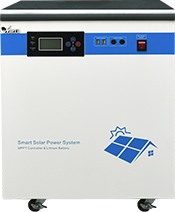
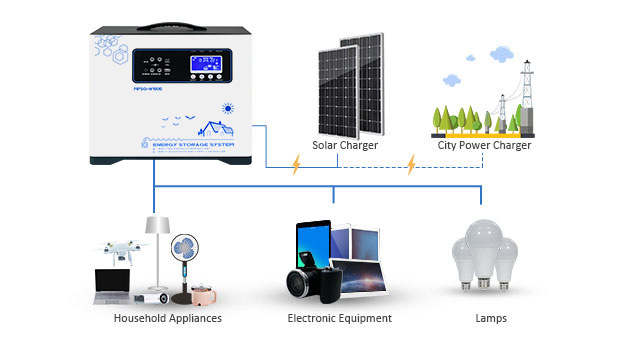
Portable Lithium Battery Solar Storage Systems
ANERN's MPSG-N series represents the portable category—self-contained units from 500W to 5000W rated power, with built-in LiFePO₄ batteries ranging from 600WH to 5000WH capacity.
Key specifications:
Model | Rated Power | Battery Capacity | Max PV Input | Best For |
MPSG-N-500 | 500W | 600WH | 240W | Phone/laptop charging, CPAP, LED lights |
MPSG-N-1000 | 1000W | 1200WH | 480W | Mini-fridge, TV, power tools |
MPSG-N-2000 | 2000W | 2500WH | 800W | Small freezer, microwave, water pump |
MPSG-N-3000 | 3000W | 3000WH | 1500W | Well pump, small AC unit, workshop |
MPSG-N-5000 | 5000W | 5000WH | 3000W | Home backup for several circuits |
Practical strengths:
True portability: Integrated handles, no installation required.
Multi-output flexibility: USB (5VDC), 12VDC, and 110/220VAC pure sine wave outlets.
Solar rechargeable: MPPT controller built-in, accepts up to 3000W PV input on the largest model.
Intelligent cooling: Temperature-controlled exhaust fan prevents overheating during high discharge.
Zero fuel, zero noise: Silent operation, safe for indoor use (no carbon monoxide).
Real-world limitation: A 5000WH unit can run a 500W refrigerator for about 8-10 hours, but it cannot power a whole-home AC or electric range. For that, you need a larger installed system.
Off-Grid Home Solar Power Systems
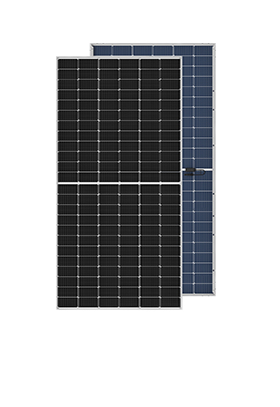
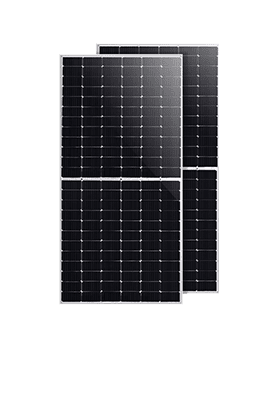
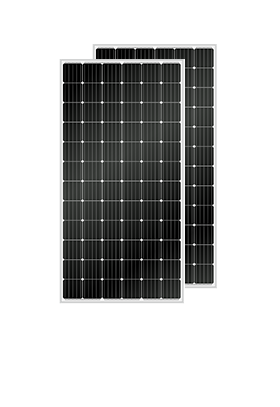
For homes without reliable grid access—or owners who want complete energy independence—ANERN offers Off-grid Home Solar Power System 4-10kw Lithium Battery Parameter, These are not portable; they are permanent installations that include solar panels, roof mounting, wiring, inverter, and LiFePO₄ battery bank.
Complete system configurations:
System Size | Solar Panels (550W mono half-cut) | Inverter | Battery Bank | Typical Daily Output |
4.2KW | 6 pcs (3.3kW total) | 24V 4200W | 25.6V 200Ah (~5.1kWh) | 13-16 kWh/day |
6.2KW | 10 pcs (5.5kW total) | 48V 6200W | 51.2V 100Ah × 2 (~10.2kWh) | 22-27 kWh/day |
10.2KW | 18 pcs (9.9kW total) | 48V 10200W | 51.2V 200Ah × 2 (~20.5kWh) | 40-48 kWh/day |
What makes this different from portable units:
Whole-home capability: The 10.2KW system can run multiple AC units, well pumps, electric cooking appliances, and all lighting/outlets simultaneously—something no portable unit can do.
Professional installation required: Roof-mounted panels, DC wiring, grounding, and battery enclosure all need licensed work.
WiFi monitoring included: Every system ships with a WiFi module for remote monitoring, troubleshooting, and firmware updates via smartphone or web portal.
Expandable storage: Battery banks can be paralleled for additional capacity (e.g., adding a second 20kWh bank for 3+ days of autonomy).
Designed for daily cycling: LiFePO₄ chemistry withstands 5,000+ cycles at 80% depth of discharge—that's 15+ years of daily use.
Real-world consideration: A 4.2KW off-grid system with 5kWh of battery can power a small cabin or energy-efficient tiny home. A 10.2KW system with 20kWh battery can support a typical 3-bedroom family home with moderate energy habits, but you'll still need to manage heavy loads during cloudy stretches or upgrade to generator backup.
For factories, office buildings, retail centers, and charging stations, residential or portable units are completely inadequate. Commercial loads are measured in kilowatts (tens to hundreds) rather than watts, and runtime requirements extend to hours or days.
ANERN's Industrial and Commercial Liquid Cooled Integrated Energy Storage Cabinet (105KW/125KW) represents a completely different engineering tier. This is not a portable device or a homeowner-installed system—it's a 100kW-class outdoor-rated cabinet designed for continuous heavy-duty cycling.
Core specifications:
Power rating: 105KW continuous / 125KW peak
Cooling method: Liquid-cooled (not fan-cooled)
Enclosure rating: IP54 outdoor-rated (dust-protected and splash-resistant)
Architecture: Distributed energy storage + busbar cabinet integration
Battery chemistry: LiFePO₄ (large-format prismatic cells)
Typical applications: Peak shaving, load shifting, backup for critical industrial loads, EV fast charger buffering
Why liquid cooling matters for commercial systems:
Feature | Liquid-Cooled (105KW Cabinet) | Fan-Cooled (Typical Residential Unit) |
Heat dissipation | 5-10× more efficient per volume | Limited by air flow and surface area |
Temperature uniformity | ±2°C across all cells | ±5-8°C, hot spots common |
Enclosure protection | IP54 outdoor (rain, dust) | IP20-IP44 typically (indoor only) |
Noise level | Low (pump + minimal fans) | Moderate to high (multiple high-speed fans) |
Lifetime impact | 10-15+ years with stable cell aging | 5-8 years, accelerated by thermal stress |
Practical advantages for businesses:
Outdoor installation: No need for a climate-controlled equipment room—mount the cabinet on a concrete pad or rooftop.
High cycle capability: Designed for daily peak shaving (discharging during expensive demand periods, recharging overnight).
Distributed architecture: Multiple cabinets can be paralleled for multi-megawatt scale, with a busbar cabinet managing central distribution.
Grid services ready: Can participate in demand response, frequency regulation, and backup power contracts (with appropriate control hardware/software).
Selecting a storage system requires answering three questions in sequence:
Identify Your Use Case
The right system depends entirely on how and where you plan to use it. Different applications call for different types of storage.
Occasional portable backup → Portable power station (500W–5kW)
Home backup with grid present → Portable or small off-grid system, depending on outage frequency
Full home energy independence → Off-grid system (4kW–10kW+)
Business peak shaving or backup → Commercial cabinet (100kW+)
Choosing the wrong use-case category is the most common mistake. A portable station won't power a whole home through a multi-day outage, while a full off-grid system is overkill for weekend camping trips.
Determine Required Autonomy (Runtime)
Once you know your use case, calculate how long the system needs to run without recharging. Use this simple formula:
(Total load in watts) × (hours of backup needed) = Required watt-hours (Wh) or kilowatt-hours (kWh)
For example, running a 200W refrigerator for 10 hours requires 2,000 Wh (2 kWh). The typical ranges by system type are:
Portable units → 0.6–5 kWh → 2–10 hours for small loads (phones, lights, laptops, a mini-fridge)
Off-grid home → 5–20 kWh → 4–12 hours for an entire home (without solar recharging)
Commercial → 100–1,000+ kWh → 2–8 hours for business-critical loads like servers or lighting
Remember that solar recharging during the day can extend runtime significantly. The autonomy calculation assumes no incoming solar power, so actual performance is often better.
Evaluate Budget Structure (CAPEX vs. OPEX)
Your budget approach will narrow down the options considerably. Each system type has a distinct cost and payback profile.
Portable systems – Lowest CAPEX ( 5,000). Zero installation cost. No fuel cost for recharging if using solar panels. Ideal for upfront budget shoppers who don't want long-term commitments.
Off-grid home systems – Medium CAPEX ($5,000–20,000). Installation cost added separately. However, they replace monthly utility bills over time, shifting operational expense to capital investment.
Commercial systems – Highest CAPEX ($50,000–500,000+). But they offer the fastest payback at 2–5 years through demand charge reduction. Businesses with high peak demand fees see the strongest financial return.
Final Filter: Installation Complexity
Even if a system fits your use case, runtime, and budget, installation requirements can still rule it out. Complexity scales with system size.
Portable units are true DIY – unbox, plug in, and use. No electrician required.
Off-grid home systems require licensed electricians for panel mounting and AC interconnection. Factor in permit costs and labor.
Commercial cabinets demand the most – engineering design, local permitting, and often utility interconnection agreements. Lead times can stretch from weeks to months.
Start with the use case, run the numbers on runtime, match your budget style, then check installation feasibility. That sequence will lead you to the right system without unnecessary compromises.
The answer depends entirely on your alternative cost—what you would pay without storage.
For homeowners without storage: Every grid outage means no power, potentially spoiled food, no internet, no medical device operation. If outages cost you nothing, storage is convenience. If they cost you lost work, spoiled inventory, or hotel stays, storage pays for itself quickly.
For off-grid homeowners: Storage isn't optional—it's mandatory. Without it, you have no power after sunset. The question is battery sizing. A correctly sized LiFePO₄ system (like ANERN's 10.2KW package) pays for itself within 3–6 years compared to grid extension (80,000 per mile) or permanent generator operation ($10,000+/year in fuel and maintenance).
For businesses: Commercial storage typically pays back in 2–5 years through demand charge reduction alone, before counting backup value or time-of-use arbitrage. For facilities with critical loads (data centers, cold storage, medical offices), the avoided cost of a single outage can equal the system's entire CAPEX.
The hidden value often overlooked: Solar storage increases property value (for homes), qualifies for tax incentives (ITC in the US, similar programs elsewhere), and provides hedge against rising electricity rates—which have historically increased 3–5% annually above inflation.
A solar energy storage system captures PV electricity for use when the sun isn't shining, but not all storage is the same. Portable power stations (500W–5kW) offer silent, fuel-free backup for small loads like camping or short outages; off-grid home systems (4.2–10.2kW) deliver whole-home independence with 15+ year LiFePO₄ batteries and WiFi monitoring; commercial liquid-cooled cabinets (105–125kW) handle factory and business loads with peak shaving. The best system is simply the one that matches your actual needs—portable for portability and small backup, off-grid for home independence, commercial for business economics—without overpaying for unused capacity or underestimating runtime requirements.
Can a portable power station replace a whole-home off-grid system?
No. A portable unit with 5kWh capacity can power a refrigerator for 8–10 hours, but cannot run central AC, electric range, well pump, or multiple circuits simultaneously. Off-grid systems (10kW+) with 20kWh+ battery banks are required for whole-home coverage.
How many years do ANERN LiFePO₄ batteries last?
All three product lines use LiFePO₄ chemistry rated for 3,000–6,000 cycles at 80% depth of discharge. At one cycle per day (typical for off-grid), that's 8–16 years of useful life before capacity drops to 80% of original. Portable units used weekly last proportionally longer.
Do these systems work without solar panels?
Yes, but with limitations. Portable units can be charged from AC wall outlets (grid or generator). Off-grid home systems require solar panels for recharging—without PV, the battery bank provides limited runtime (hours to a few days) then goes dead. Commercial cabinets typically integrate with existing solar arrays or charge from grid during off-peak hours.
Can I add more batteries to an off-grid system later?
Yes. ANERN's off-grid systems use modular 51.2V LiFePO₄ batteries that can be paralleled. A 6.2KW system with 10kWh battery can later add a second 10kWh bank for 20kWh total. Portable units are fixed capacity and not user-expandable (sealed internal battery).
What maintenance do these systems require?
Portable units: Keep clean, store between 20–80% charge for long-term storage, no other maintenance. Off-grid home systems: Annual inspection of cable connections, panel cleaning, battery terminal torque check (if accessible). Commercial liquid-cooled cabinets: Coolant level check every 6–12 months, filter cleaning per site dust conditions, BMS firmware updates as released.
Is professional installation required for the off-grid home system?
Yes. The solar panels must be roof-mounted (or ground-mounted) and wired according to local electrical codes. The inverter must be connected to a sub-panel with proper grounding, breakers, and labeling. Most jurisdictions require a licensed electrician for any AC-side work. The portable units require no installation.
How do I size a system for my business?
Contact ANERN's commercial team with three data points: (1) 12 months of utility bills showing peak demand kW and kWh usage, (2) a list of critical loads that must stay online during outage, (3) your target backup duration (e.g., 4 hours). From that, we can model whether a single 105KW cabinet or multiple paralleled cabinets fit your load curve.