EN
EN
 fr
fr  de
de  es
es  it
it  ru
ru  pt
pt  ar
ar  ms
ms  id
id 

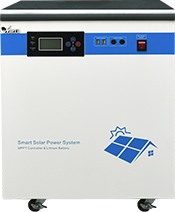


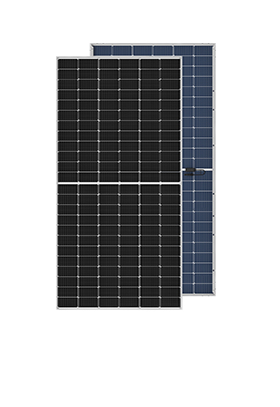
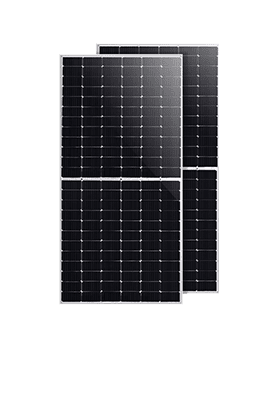
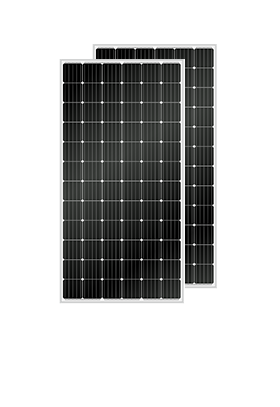
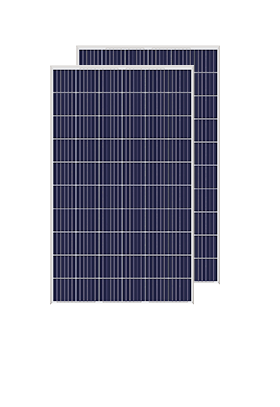



We have cooperated with more than 200 countries in solar energy projects and road lighting projects. We have exported products to many countries and participated in many important government projects around the world.




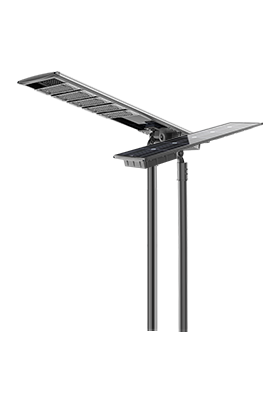


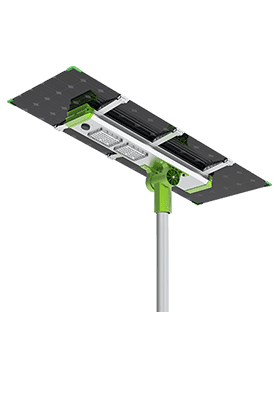
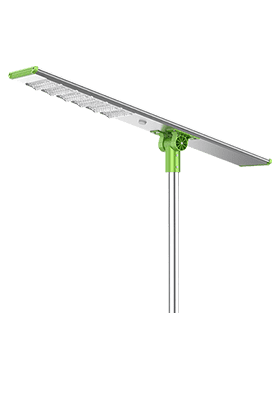
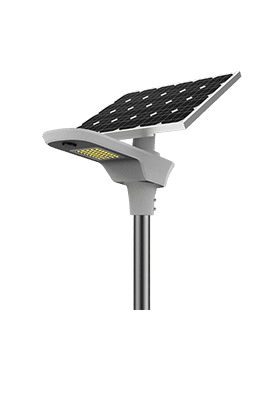


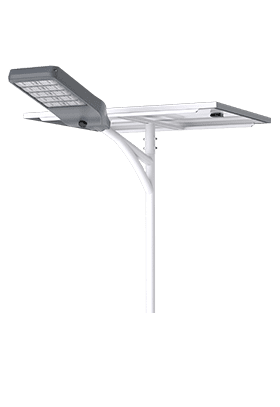
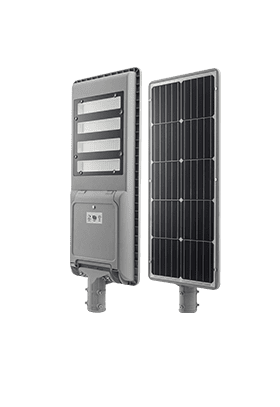
We have cooperated with more than 200 countries in solar energy projects and road lighting projects. We have exported products to many countries and participated in many important government projects around the world.

Anern has 17 years of experience in solar lighting and solar product manufacturing. Anern is headquartered in Guangzhou. With a production base of 30,000 square meters, our company has an R&D team of more than 100 people.
In the realm of renewable energy and sustainable power solutions, technology continues to evolve to meet the growing demand for efficient energy management. Among these advancements, the low frequency hybrid inverter stands out as a game-changer. In this article, we'll delve into the world of low frequency hybrid inverters, uncovering their benefits, functionality, and how they contribute to a more sustainable and reliable energy landscape.
A low frequency hybrid inverter is a technological marvel that combines the best of both worlds – solar energy and battery storage. This inverter is designed to efficiently manage and optimize the utilization of energy from various sources, ensuring minimal waste and maximum energy utilization.
One of the primary advantages of a low frequency hybrid inverter is its ability to intelligently manage the energy flow. It can seamlessly switch among solar energy, grid power, and stored battery energy, utilizing each source optimally based on real-time energy demands. With a low frequency hybrid inverter, users gain greater independence from the grid. During peak energy consumption times, the inverter can draw from stored battery energy, reducing reliance on grid power and potentially lowering energy bills. The integration of battery storage with a low frequency hybrid inverter enables homeowners and businesses to store excess energy generated during sunny periods for use during cloudy days or at night. This flexibility ensures a consistent and reliable power supply. In regions prone to power outages or grid failures, a low frequency hybrid inverter serves as a backup power source. The stored energy in batteries can be tapped into to keep essential appliances running, maintaining comfort and functionality during disruptions.
Low frequency hybrid inverters are used in both residential and commercial settings. They offer a comprehensive solution for optimizing energy consumption, reducing electricity bills, and minimizing the carbon footprint. As renewable energy technology continues to advance, the future of low frequency hybrid inverters looks promising. Manufacturers are likely to focus on improving efficiency, expanding energy storage capacities, and enhancing system integration.
The low frequency hybrid inverter is a transformative technology that bridges the gap between renewable energy generation and consumption. With its ability to intelligently manage energy sources, enhance grid independence, and provide backup power, it's a pivotal tool in creating a more sustainable and resilient energy landscape. As we move towards a greener future, the role of low frequency hybrid inverters will undoubtedly become more prominent, empowering individuals and businesses to embrace energy efficiency and reduce their environmental impact.