EN
EN
 fr
fr  de
de  es
es  it
it  ru
ru  pt
pt  ar
ar  ms
ms  id
id 

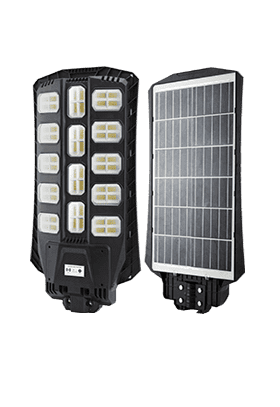
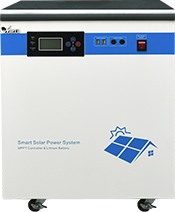




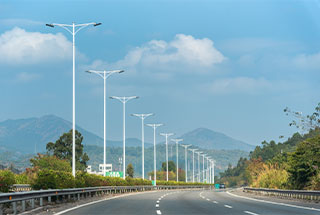
We have cooperated with more than 200 countries in solar energy projects and road lighting projects. We have exported products to many countries and participated in many important government projects around the world.




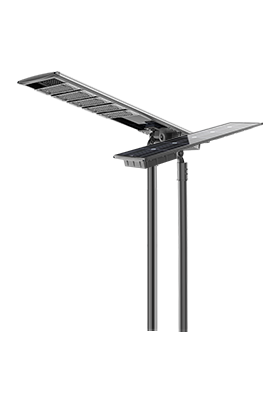


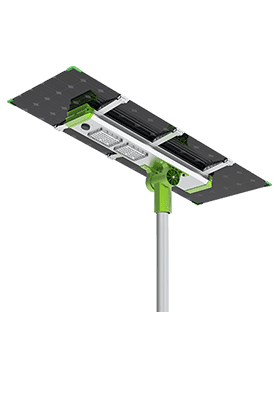
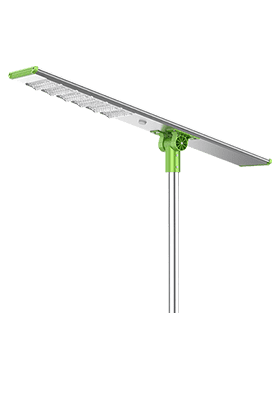
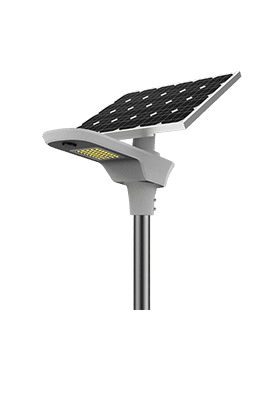


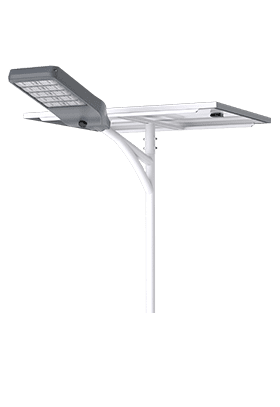
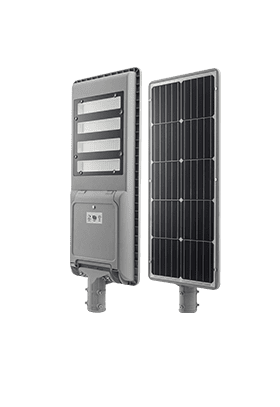
We have cooperated with more than 200 countries in solar energy projects and road lighting projects. We have exported products to many countries and participated in many important government projects around the world.

Anern has 17 years of experience in solar lighting and solar product manufacturing. Anern is headquartered in Guangzhou. With a production base of 30,000 square meters, our company has an R&D team of more than 100 people.
One of the core components of a solar power generation system is the inverter, and the application of parallel inverter technology plays a key role in enhancing system performance and reliability. Among these, low-frequency solar inverters in parallel have achieved significant success in realizing high power output and system stability. This article will delve into the definition, function, and application requirements of low-frequency solar inverter paralleling.
Inverter paralleling refers to a system configuration where multiple inverters are connected and operate in parallel. Its core purpose is to improve the overall solar power generation system's output power and reliability. This configuration enables the system to effectively deal with emergencies, while also reducing system operation costs. The low-frequency solar inverters improve the performance of inverter paralleling by adjusting frequency.
The main function of inverter paralleling is to increase the system's output power. By connecting multiple low-frequency solar inverters to operate in parallel, the system can fully utilize the output of each inverter, stacking power to meet the demand for electricity, particularly suitable for large photovoltaic power stations and industrial applications.
The reliability of the system is also a focus of inverter paralleling. When an inverter fails or needs maintenance, other inverters can still work properly, ensuring continuous power supply to the system. This redundancy design minimizes system downtime, enhancing system reliability and stability.
Inverter paralleling systems are not just simple connections, but a centralized intelligence system for monitoring and managing multiple inverters. Through inverter paralleling, it is possible to monitor the operating status, efficiency, and power generation of multiple inverters in real-time. This monitoring and management capability helps in timely detection and resolution of problems, improving the maintenance efficiency and operational performance of the system.
Inverter paralleling technology also has significant advantages in reducing system costs. Compared to using multiple inverters individually, inverter paralleling can reduce the number of electrical system components and installation complexity, thereby reducing the system's cost and footprint. This makes inverter paralleling widely applied in various solar energy systems.
In summary, low-frequency solar inverter paralleling not only plays a key role in improving system output power and reliability but also offers advantages in intelligent monitoring and reducing system costs, providing comprehensive support for the efficient operation of solar power generation systems.