EN
EN
 fr
fr  de
de  es
es  it
it  ru
ru  pt
pt  ar
ar  id
id  ms
ms  uk
uk 



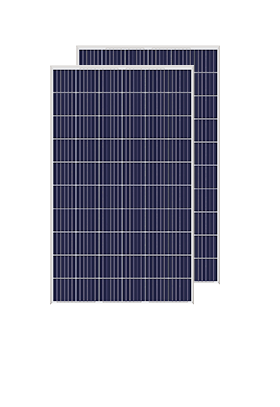


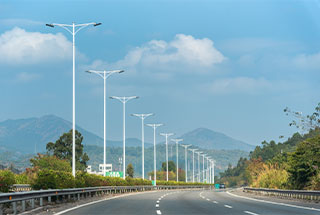
We have cooperated with more than 200 countries in solar energy projects and road lighting projects. We have exported products to many countries and participated in many important government projects around the world.




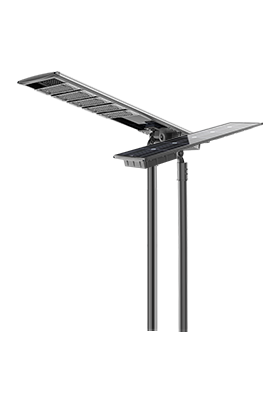


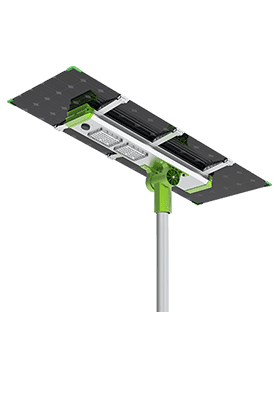
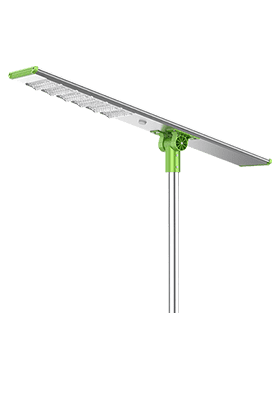
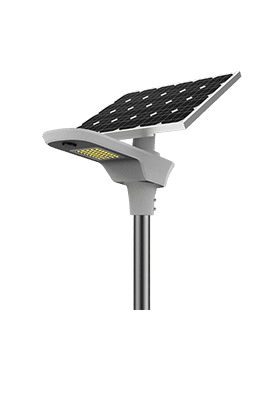


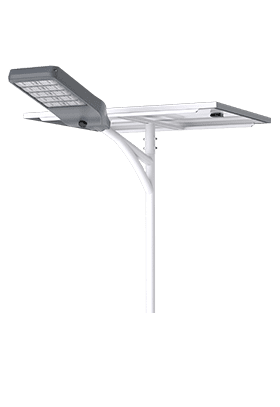
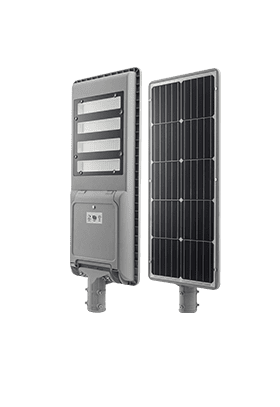
We have cooperated with more than 200 countries in solar energy projects and road lighting projects. We have exported products to many countries and participated in many important government projects around the world.

Anern has 17 years of experience in solar lighting and solar product manufacturing. Anern is headquartered in Guangzhou. With a production base of 30,000 square meters, our company has an R&D team of more than 100 people.
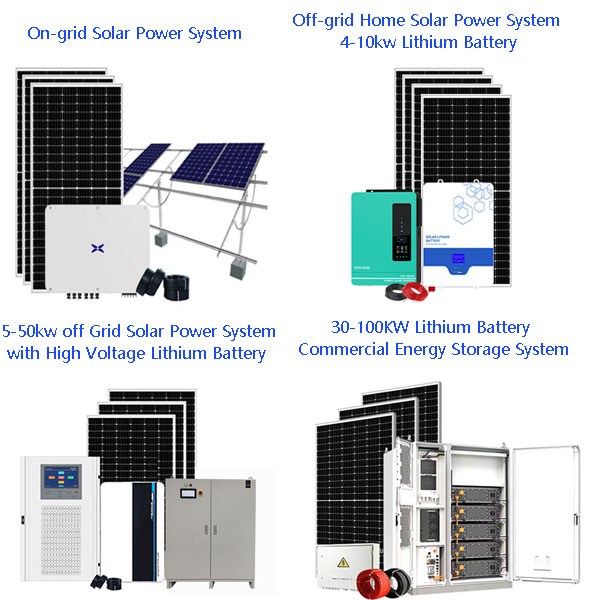
In Nigeria, the most practical and widely adopted approach is a hybrid solar PV system with lithium battery storage, because it delivers reliable power despite grid instability and can reduce diesel generator runtime significantly.
Best overall: Hybrid solar + battery storage (LFP lithium preferred for B2B projects).
Typical system ranges:
Homes: 4–10 kW PV + 10–30 kWh battery
Businesses (SME/commercial): 10–100 kW+ PV + storage sized by required backup hours
Why hybrid is best for Nigeria
Handles frequent outages + voltage fluctuations
Cuts dependence on diesel generators
Scales easily
Pricing varies heavily by: battery kWh (backup hours), single/three-phase, BOS/protection quality, monitoring, and warranty terms. A “5kW system” can mean very different builds.
Public reference examples:
A 5kVA solar system cost breakdown commonly cited around ₦3.5M–₦7.M depending on configuration (lead-acid vs lithium, brands, components).
A 5kW three-phase PV system (battery included) example is listed around ₦12.4M (higher-spec package route).
Nigeria Diesel price (why solar often wins financially):
Diesel in Nigeria is listed around ₦2,023.75/L on 2026-04-13, which is a key driver for hybrid PV+storage ROI when replacing generator hours.
Use these as starting points (final sizing should be based on load profile + backup hours).
Residential sizing
| Home type | Recommended PV size | Typical battery |
|---|---|---|
| Small home | 3–4 kW | 5–10 kWh |
| Medium home (most common) | 5 kW | 10–15 kWh |
| Large home / multiple ACs | 8–10 kW | 15–30 kWh |
Commercial sizing
| Business type | Typical PV size | Notes |
|---|---|---|
| Shops / offices | 10–20 kW | Often best ROI with 2–4h backup |
| Medium business | 20–50 kW | Needs proper load & surge analysis |
| Industrial | 50–100 kW+ | Modular expansion + sub-metering recommended |
Verifiable solar resource reference:
Nigeria has strong PV potential; you can validate irradiation and PV output estimates by location using the Global Solar Atlas.
A bankable hybrid package for Nigeria typically includes:
Hybrid inverter (grid + generator integration where required)
Lithium battery (BMS communications supported)
BOS + protection (AC/DC SPD, breakers/fuses, proper grounding)
Quotable line for B2B buyers:
For Nigeria projects, supplier reliability, compatibility, and scalability often matter more than the lowest upfront price.
Instead of asking “How much is a 5kW system?”, request a line-item bill of materials:
Panels
Battery (kWh + chemistry + warranty)
Inverter (phase type, surge rating, parallel capability)
BOS & protection
Installation, testing, commissioning, after-sales
If you’re a PV distributor, EPC contractor, wholesaler, or solar company, prioritize:
Supply stability
Bulk availability, consistent batches, lead times
Clear warranty & RMA workflow
Compatibility
Inverter–battery BMS compatibility list
Parallel expansion roadmap (add batteries/inverters later)
Single-phase vs three-phase matching
Technical support
SLD/wiring diagrams, protection list, commissioning support
Generator integration guidance (changeover logic, settings)
Solar panel calculator (daily kWh → PV kW)
Battery sizing calculator (backup hours → kWh)
Inverter sizing tool (peak load + motor surge)
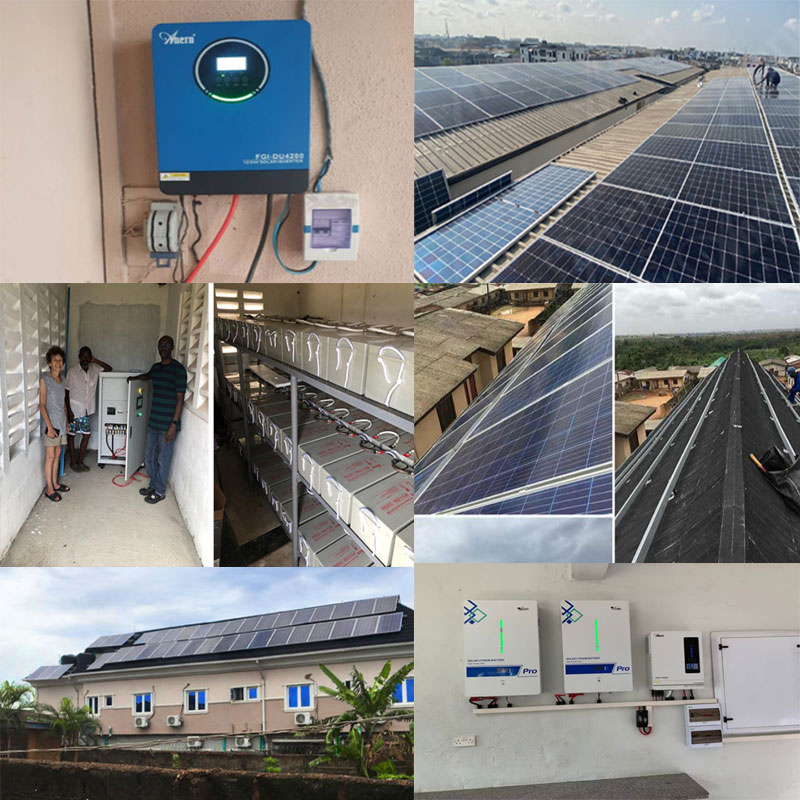
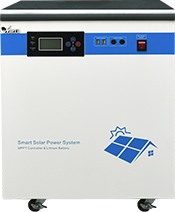
4.2KW Hybrid Inverters in Nigeria
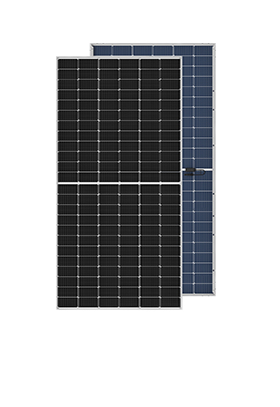
Double-Glass Solar Panels for High-Temperature Environments
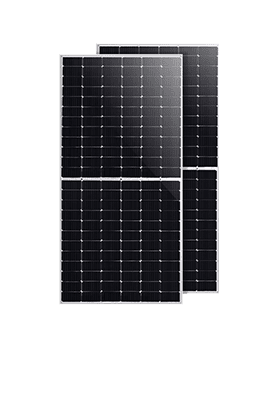
550W Bifacial Mono Solar Panels for Backup Power in Lagos, Nigeria
More solar projects in Nigeria: https://www.anern.com/tag/nigeria.html
What is the best solar system in Nigeria?
Hybrid solar systems with lithium battery storage are generally the best fit due to grid instability and generator displacement.
How much does solar cost in Nigeria (2026)?
Costs vary widely by battery size and quality; public examples range from ₦3.5M–₦7.M for some 5kVA builds to higher-spec packages around ₦12.4M.
Is solar worth it in Nigeria?
Often yes—especially where diesel generator use is high and diesel prices are elevated.
Can solar replace generators in Nigeria?
In many cases it can reduce generator use substantially, with generators kept as backup for long low-sun periods or unusually high loads.
Get a B2B Solar Solution for Nigeria
If you are a solar PV distributor, EPC contractor, wholesaler, or solar energy company, you typically need:
Reliable bulk supply
Hybrid-compatible components (inverter + battery + BOS)
Engineering support, documentation, and after-sales
More Readings:
Solar power providers in nigeria