EN
 fr
 de
 es
 it
 ru
 pt
 ar
 id
 ms
 uk


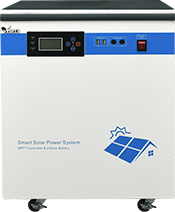


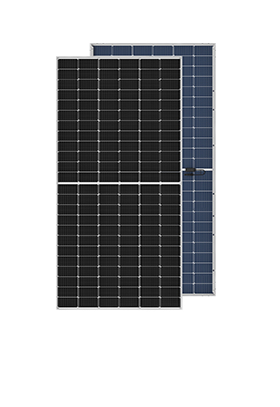
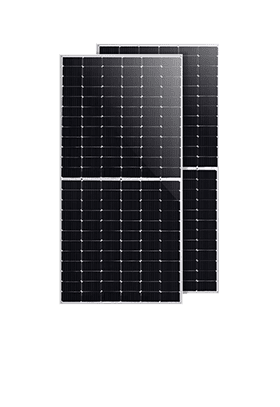
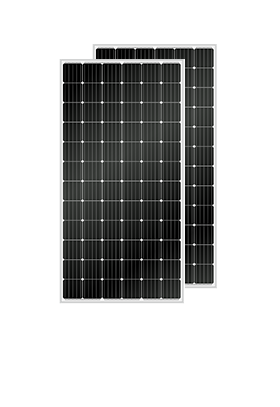
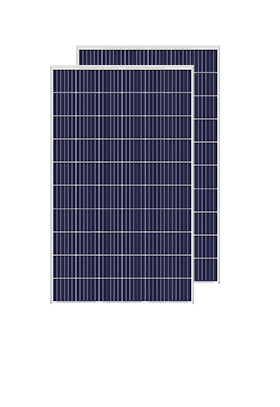


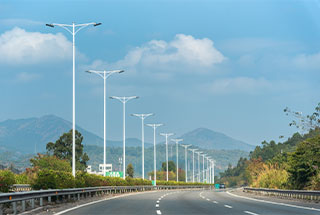
We have cooperated with more than 200 countries in solar energy projects and road lighting projects. We have exported products to many countries and participated in many important government projects around the world.





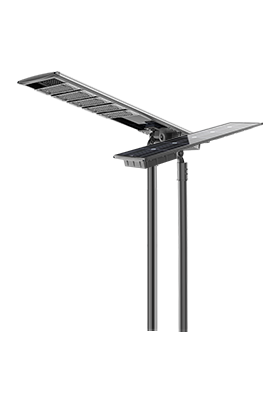


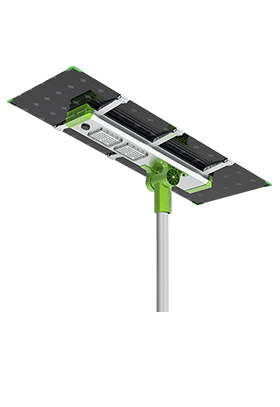
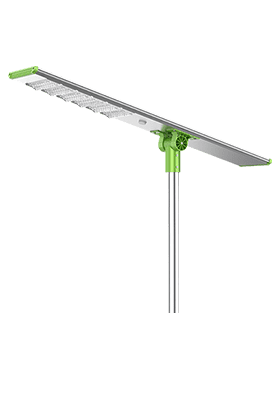
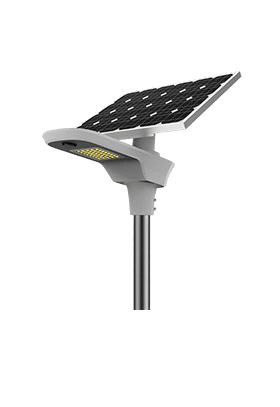


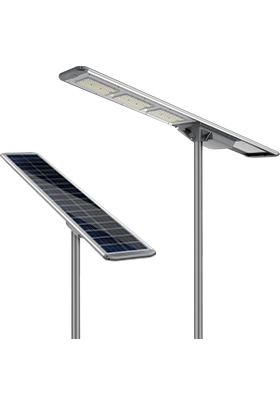
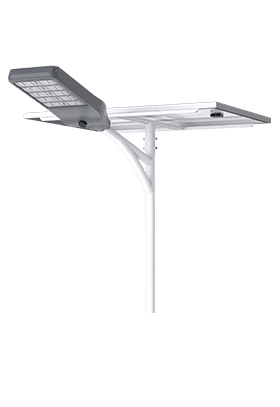
We have cooperated with more than 200 countries in solar energy projects and road lighting projects. We have exported products to many countries and participated in many important government projects around the world.

Anern has 17 years of experience in solar lighting and solar product manufacturing. Anern is headquartered in Guangzhou. With a production base of 30,000 square meters, our company has an R&D team of more than 100 people.

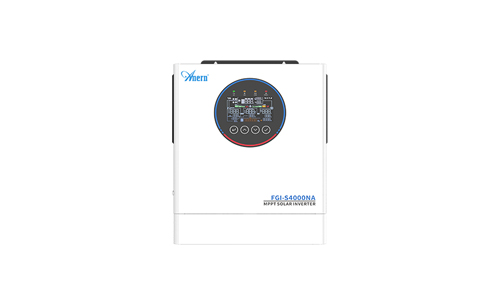
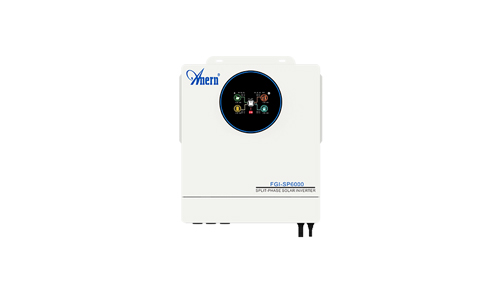
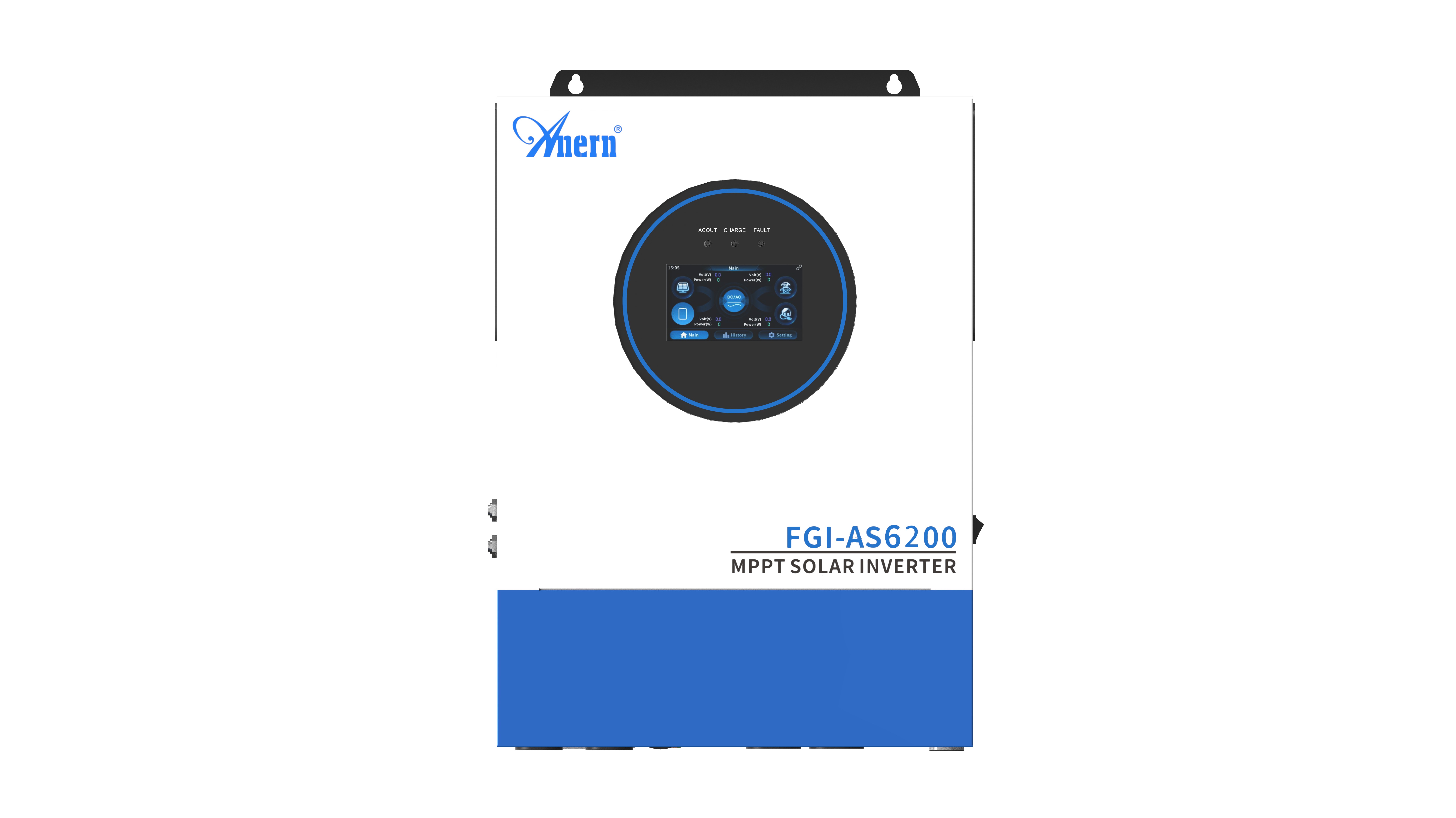
Anern offers split-phase solar inverters for distributors, installers, and solar project buyers. The SP6000 and AS series provide 120/240V AC output and are designed for nominal 48V battery systems. Explore the models below to compare rated output power, PV input specifications, and solar and AC charging capabilities for your system requirements.

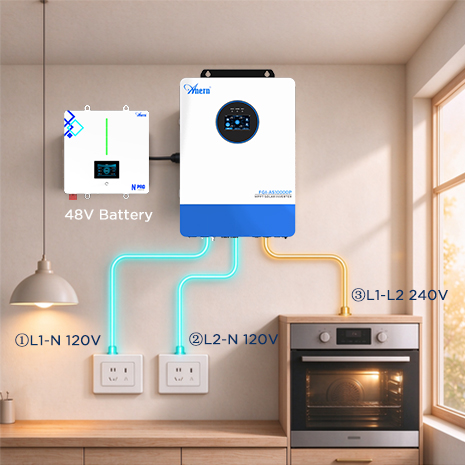

A split-phase inverter converts DC power into AC power with two live conductors, L1 and L2, and a neutral conductor, N. In a 120/240V split-phase system, each live conductor provides 120V relative to neutral, while the voltage between L1 and L2 is 240V. This allows one system to supply both 120V and 240V loads within the inverter’s operating limits.
| Connection | AC Output Voltage | Load Type |
| L1–N | 120V | 120V lighting, outlets, and appliances |
| L2–N | 120V | 120V lighting, outlets, and appliances |
| L1–L2 | 240V | Equipment requiring 240V |
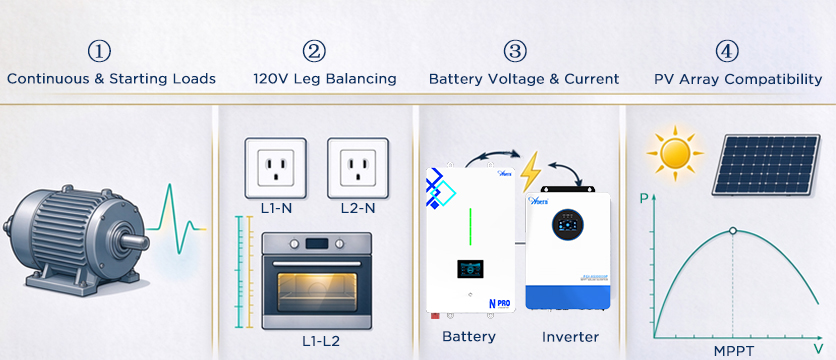
Add the power requirements of the equipment that may operate at the same time. Then check the starting demand of motors, pumps, and compressors against the inverter’s surge capability and permitted surge duration.
Check the loads connected to L1–N and L2–N separately, along with any 240V loads connected across L1–L2. Confirm the model’s output limits for each leg and its permitted load imbalance. The total rated output alone does not show how much capacity is available on either 120V leg.
Match the battery’s nominal voltage to the inverter’s supported operating voltage range. Check the battery and BMS charging and discharging limits, and set the charging current within the battery manufacturer’s specifications.
Compare the planned solar array with the inverter’s maximum PV input power, MPPT voltage range, and maximum input current. Confirm that the panel string voltage and current remain within the selected model’s limits under expected operating conditions.
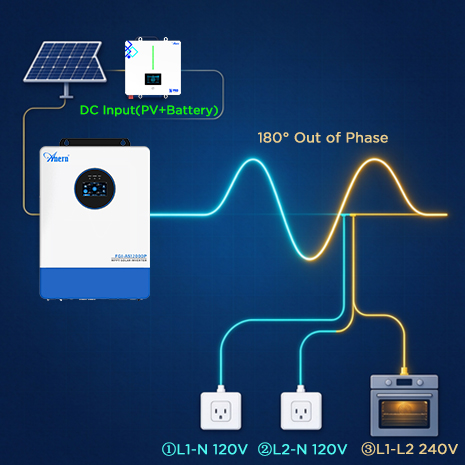
A split-phase inverter uses electronic switching and control circuits to convert DC electricity into AC power. In a solar system, DC power comes from batteries or solar panels through the inverter’s input and power conversion circuits. Filtering helps shape the output into a sine wave suitable for connected equipment.
In a 120/240V split-phase system, the inverter produces two line-to-neutral AC voltages that are 180 degrees out of phase. Each live conductor—L1 or L2—provides 120V relative to neutral. Because these voltages have opposite polarity at any given instant, the voltage between L1 and L2 is 240V.
Depending on the model and settings, a split-phase inverter charger can also manage solar or AC battery charging and switch between available power sources. These functions help coordinate power delivery, but they do not automatically mean the inverter can export electricity to the grid.

Focus on providing customers with one-to-one services, and one-stop solar system solutions.
Anern has set up a professional R&D team, 70% of the products are exclusively designed.
Anern has cooperated with customers in more than 200+ countries regions around the world, and is a reliable supplier for customers.
Anern factory covers an area of more than 30,000 square meters, and the supply capacity can fully meet any needs of customers.

 Can a split-phase solar inverter supply 120V and 240V loads at the same time?
Yes, provided the selected model supports simultaneous loading across these connections. Actual capacity depends on the combination of connected loads and the manufacturer’s operating limits. Share your 120V and 240V equipment list when requesting a model recommendation.
Can a 120/240V split-phase solar inverter replace a 230V single-phase inverter?
It is not a direct replacement based on voltage alone. A 120/240V split-phase system uses a different conductor arrangement from a typical 230V single-phase system. Confirm the inverter’s supported wiring configuration, output frequency, and compatibility with the existing electrical system before selecting a replacement.
Can a split-phase solar inverter supply three-phase equipment?
A 120/240V split-phase output is not a three-phase supply. Equipment requiring three-phase power needs a compatible power source or an appropriately engineered conversion solution. Do not assume that an inverter’s parallel capability also allows it to form a three-phase system.
Can a split-phase solar inverter accept a generator as an AC input?
Generator compatibility depends on the inverter model and the generator’s output configuration. Confirm the required input voltage, frequency, and connection arrangement, as well as the power needed for connected loads and battery charging. The SP6000 product page lists generator input support; verify the installation requirements for your selected configuration.
What happens if one 120V output leg is overloaded?
An overloaded leg may trigger protection even when the combined load is below the inverter’s total rated power. The response depends on the model’s protection settings and operating limits. Check the permitted load on each leg and redistribute circuits where necessary before adding more equipment.