EN
EN
 fr
fr  de
de  es
es  it
it  ru
ru  pt
pt  ar
ar  ms
ms  id
id 

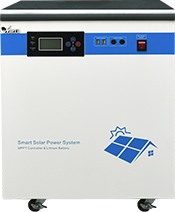


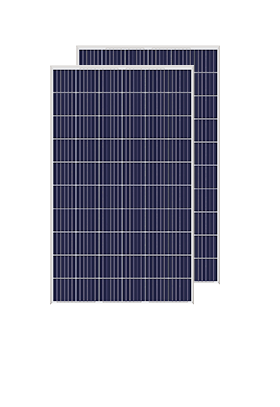



We have cooperated with more than 200 countries in solar energy projects and road lighting projects. We have exported products to many countries and participated in many important government projects around the world.




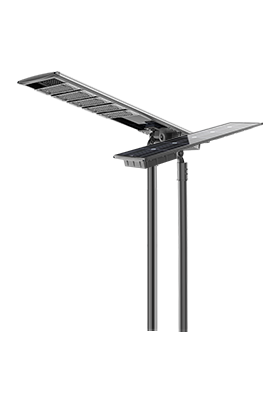


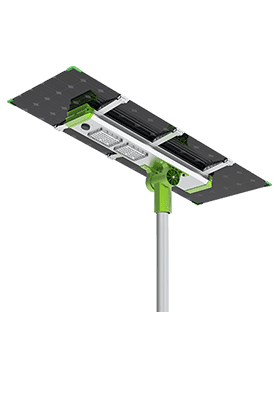
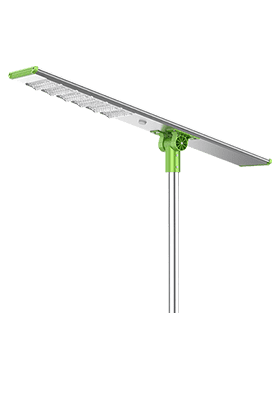
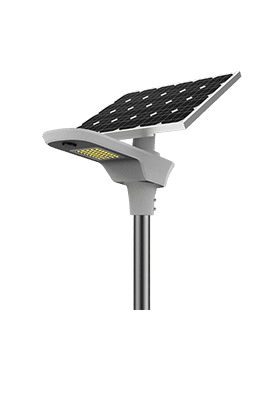


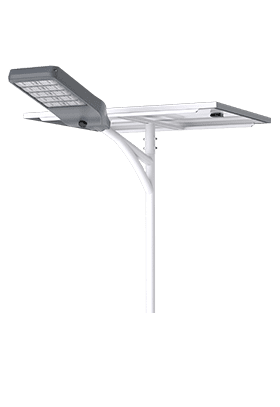
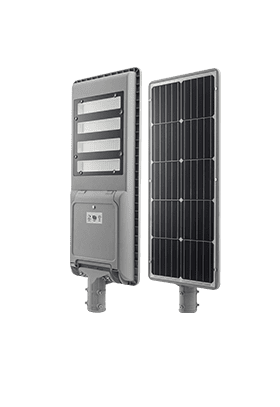
We have cooperated with more than 200 countries in solar energy projects and road lighting projects. We have exported products to many countries and participated in many important government projects around the world.

Anern has 17 years of experience in solar lighting and solar product manufacturing. Anern is headquartered in Guangzhou. With a production base of 30,000 square meters, our company has an R&D team of more than 100 people.
A practical procurement guide for solar distributors, wholesalers, EPC contractors and project buyers evaluating solar inverter suppliers, battery compatibility, certificates, user manuals, sample testing and lifecycle cost.
To import solar inverters from China, distributors should verify the intended application, inverter type, battery compatibility, MPPT range, surge capacity, model-specific certificates, user manuals, wiring diagrams, sample testing results, warranty policy and after-sales support. A reliable solar inverter supplier should provide technical evidence and lifecycle value, not only a low quotation.
Solar inverter procurement is becoming more complex as PV systems increasingly combine solar panels, lithium batteries, generator input, backup power and hybrid energy management.
For distributors, wholesalers and EPC buyers, a solar inverter is no longer only a DC-to-AC conversion device. In off-grid and hybrid solar systems, the inverter affects battery charging, PV input design, system stability, load performance, installation efficiency and long-term after-sales cost.
A low quotation may look attractive at the purchasing stage. However, incomplete documentation, poor battery compatibility, missing model-specific certificates or weak technical support can increase warranty claims and reduce distributor profitability after shipment.
That is why Anern recommends an evidence-based procurement process for global solar inverter buyers.
Before importing solar inverters from China, buyers should review six major procurement areas:
1. Intended application
2. Market compliance
3. PV input design
4. Operating environment
5. Recharge and battery compatibility
6. Technical support and after-sales readinessAnern summarizes these six areas in the IMPORT-6 Procurement Framework.
IMPORT-6 Factor | What Buyers Should Review | Why It Matters |
I — Intended Application | Residential, commercial, agricultural, telecom, backup, off-grid or hybrid use | Prevents wrong product selection |
M — Market Compliance | Certificates, safety documents, grid-interface documents and local approval requirements | Reduces customs, tender and project approval risks |
P — P Input Design | MPPT range, maximum PV voltage, PV current and PV string configuration | Prevents charging inefficiency and system mismatch |
O — Operating Environment | Temperature, humidity, dust, ventilation, altitude and installation location | Improves reliability and service life |
R — Recharge & Battery Compatibility | Battery voltage, BMS communication, RS485/RS232 interface and charging logic | Reduces battery communication failures |
T — Technical Support | User manuals, wiring diagrams, spare parts, warranty and after-sales workflow | Reduces service cost and installer errors |
IMPORT-6 helps buyers compare solar inverter suppliers based on the full lifecycle of the product, not only the initial unit price.
Many distributors compare FOB price first. However, the lowest unit price is not always the lowest business cost.
Anern recommends evaluating suppliers with a lifecycle cost model called Landed Reliability Cost.
Landed Reliability Cost =
(Unit Price + Freight + Import Duty + Certification Review + Sample Testing + Warranty Reserve + Spare Parts Inventory + Estimated After-Sales Cost) ÷ Usable AC Output
This model helps distributors compare the true business impact of supplier selection.
A supplier with a slightly higher unit price may be more cost-effective if it provides stronger documentation, lower warranty risk, better compatibility support and faster after-sales response.
Use the solar inverter supplier evaluation calculator.
Battery compatibility should not be evaluated by voltage alone.
A hybrid solar inverter and lithium battery may have matching voltage specifications but still fail to communicate correctly because of communication interface, cable, BMS settings or protocol differences.
For distributors, battery compatibility should be confirmed before shipment because resolving communication problems after installation can increase service cost and customer complaints.
Where applicable, inverter and battery communication may involve RS485 or RS232 interfaces. Compatibility with third-party lithium batteries should be confirmed by model and application.
Verification Item | What to Check | Procurement Risk |
Battery voltage | Confirm voltage range before quotation | Charging mismatch |
Communication interface | Verify whether RS485 or RS232 is required | Communication failure |
Communication cable | Test the actual cable before shipment | Commissioning failure |
BMS communication | Confirm inverter and battery communication settings | Battery alarm or unstable operation |
Protocol compatibility | Confirm by model and battery brand | Third-party battery incompatibility |
Function settings | Verify charging and communication settings | Incorrect system behavior |
Sample validation | Test inverter and battery together | After-sales disputes |
Buyers should verify battery compatibility before quotation approval, not after installation. For lithium battery projects, request model-specific compatibility confirmation, communication guidance and sample testing support before confirming a bulk order.
Read: Solar Inverter Battery Compatibility Guide
Sample testing helps buyers verify whether the solar inverter performs correctly under real project conditions.
Testing only basic output may not reveal problems that appear in actual installations, especially when the project includes lithium batteries, generator input, motor loads, parallel operation, weak grids or high ambient temperature.
Anern recommends that distributors test sample units before container shipment whenever possible.
Test Item | What to Validate |
MPPT performance | PV input voltage and charging behavior |
Surge capacity | Motor-load startup performance |
Battery communication | Inverter and battery BMS communication |
Generator integration | Charging or backup input behavior where required |
Parallel operation | Synchronization where applicable |
Operating temperature | Performance under target-market conditions |
Noise and cooling | Fan operation, ventilation and installation environment |
Wiring diagram | Installer usability and safety |
User manual | Commissioning and troubleshooting clarity |
Protection function | Overload, short-circuit and abnormal input behavior |
Real load testing | Pumps, compressors, tools, refrigeration or similar loads |
According to selected Anern technical information, certain inverter specifications include:
· Surge capability: approximately two times rated output power for five seconds
· Operating temperature: -10°C to +50°C
· Storage temperature: -15°C to +60°C
MPPT parameters vary by model and should be verified against the actual PV string design.
Solar inverter buyers should request model-specific documents rather than relying only on general company certificates.
For grid-interactive applications, buyers may need to review safety and grid-related standards such as:
· IEC 62109-1
· IEC 62109-2
· IEC 62116
· IEC 61727
· CE
· EMC
· LVD
· Local approval documents where applicable
Compliance requirements vary by country, utility company, application and inverter model. Buyers should verify local regulatory requirements before procurement.
Document | Why It Matters |
Product datasheet | Confirms electrical specifications |
User manual | Supports installation and commissioning |
Wiring diagram | Reduces installation errors |
Model-specific certificates | Supports compliance review |
Test reports | Provides technical evidence |
Battery compatibility information | Reduces BMS communication issues |
Warranty policy | Clarifies after-sales responsibility |
Spare parts information | Supports distributor service planning |
Local approval documents | Required in some markets or projects |
A certificate available for one inverter model should not automatically be considered valid for another model, voltage version or destination market. Buyers should request the latest documents for the exact model being imported.
A user manual is not only an after-sales document. For distributors, it is also procurement evidence.
Before placing an order, buyers should review whether the supplier can provide clear user manuals, wiring diagrams and installation guidance for the exact inverter model.
This is especially important for projects involving:
· Hybrid solar inverter systems
· Lithium battery communication
· Parallel operation
· Generator input
· Three-phase configuration
· High-power residential or commercial loads
· Weak-grid or off-grid applications
Manual Section | What to Review |
Safety instructions | Installation and operating safety |
Wiring diagram | PV, battery, AC input/output and communication wiring |
Battery communication | RS485/RS232, BMS settings and cable guidance |
MPPT input | PV voltage and string design limits |
Parameter settings | Charging, output, priority and protection settings |
Parallel operation | Synchronization and installation requirements |
Troubleshooting | Error codes and service guidance |
Maintenance | Ventilation, cooling and inspection guidance |
Distributors should request the correct user manual and wiring diagram before confirming a bulk order. Clear documentation can reduce installer mistakes, commissioning delays and unnecessary after-sales requests.
View Solar Inverter User Manuals, Solar Inverter Wiring Diagrams
A product catalog helps buyers understand available inverter types, power ranges, application scenarios and technical options.
Before selecting models, distributors should first define:
· Target market
· Application type
· Off-grid or hybrid system requirement
· Residential or commercial use
· Battery type
· PV array design
· Single-phase or three-phase requirement
· Parallel operation requirement
· Installation environment
· After-sales service capability
Based on Anern’s distributor inquiries and export discussions, many purchasing requests currently concentrate between 3 kW and 16 kW.
Power Range | Typical Application |
3–5 kW | Residential backup and small off-grid homes |
5–8 kW | Residential systems, shops and small commercial applications |
8–12 kW | Farms, telecom stations, workshops and larger residential projects |
12–16 kW | Commercial buildings, workshops and agricultural projects |
For new distributors, focusing on the most frequently requested power ranges can simplify inventory planning while covering common market demand.
Comparison | Off-Grid Solar Inverter | Hybrid Solar Inverter |
Main purpose | Independent power supply | Solar + battery + grid or generator energy management |
Grid connection | Usually not required | Optional, depending on application |
Battery use | Essential | Usually integrated |
Common applications | Rural homes, farms, telecom stations and weak-grid areas | Residential storage, commercial backup and hybrid PV systems |
Buyer focus | Surge capacity, charging performance and reliability | Battery communication, energy management and system flexibility |
Choose an off-grid solar inverter when the project requires independent power supply without relying on the utility grid. Choose a hybrid solar inverter when the project requires solar generation, battery storage and flexible interaction with grid or generator input.
Distributors should avoid expanding SKU count too quickly. A focused product range can reduce inventory pressure, simplify training and improve after-sales efficiency.
View Solar Inverter Product Catalog
After-sales issues are not always caused by product defects. They may also come from wrong system sizing, incorrect installation, unstable power input, poor ventilation or battery communication mismatch.
Based on Anern’s service experience, common issues may include:
· Main-board replacement associated with MOSFET damage after abnormal overload or electrical stress
· Excessive inverter operating noise in certain installation environments
· Battery communication problems caused by cable, protocol or setting mismatch
· Installation errors caused by unclear wiring or incorrect parameter settings
· Warranty disputes caused by incomplete documentation
Risk | Prevention Method |
Overload or MOSFET damage | Verify system sizing and surge capacity |
Excessive noise | Check ventilation, cooling and installation location |
Battery communication failure | Confirm RS485/RS232, cable and protocol compatibility |
Installation errors | Review user manuals and wiring diagrams |
Warranty disputes | Confirm warranty policy and documentation before shipment |
High service workload | Prepare spare parts and technical support workflow |
Distributors should evaluate after-sales readiness before shipment. A supplier with strong technical documentation and support may reduce long-term service cost even if the initial quotation is not the lowest.
Distributors should check the intended application, inverter type, rated power, surge capacity, MPPT range, battery compatibility, user manual, wiring diagram, model-specific certificates, sample testing results, warranty policy and after-sales support. These checks help reduce installation risk, warranty claims and long-term service cost.
Choose an off-grid solar inverter for standalone systems that do not rely on the utility grid. Choose a hybrid solar inverter when the project requires solar generation, battery storage and flexible interaction with grid or generator input. The right choice depends on power conditions, backup needs, battery configuration and future expansion plans.
Based on Anern’s distributor inquiries and export discussions, many purchasing requests currently concentrate between 3 kW and 16 kW. This range supports residential backup, off-grid homes, telecom stations, farms, shops, workshops and light commercial projects.
Battery compatibility affects communication, charging logic and commissioning success. Matching battery voltage is not enough. Buyers should also verify communication interface, BMS settings, cable configuration and protocol compatibility before shipment.
Buyers should request model-specific certificates, test reports and compliance documents for the exact inverter model being imported. For grid-interactive systems, relevant safety and grid-related standards may include IEC 62109-1, IEC 62109-2, IEC 62116 and IEC 61727, depending on local requirements.
User manuals help buyers understand installation requirements, wiring, communication settings, parameter configuration and troubleshooting procedures. Reviewing manuals before ordering can reduce installer errors, commissioning delays and after-sales requests.
Sample testing should include MPPT performance, surge capacity, battery communication, generator integration, operating temperature, noise and cooling, wiring diagram review and real load testing. For motor-driven applications, surge-capacity testing is especially important.
Distributors can reduce after-sales cost by selecting the correct inverter type, verifying surge capacity, confirming battery compatibility, reviewing user manuals, testing samples, preparing spare parts and choosing suppliers with clear after-sales workflows.
· International Renewable Energy Agency (IRENA), Renewable Capacity Statistics 2026
· International Renewable Energy Agency (IRENA), Renewable Capacity Highlights 2026
· International Energy Agency (IEA), Renewables 2025
· International Energy Agency (IEA), Renewable Electricity – Renewables 2025
· IEC 62109-1, Safety of Power Converters for Use in Photovoltaic Power Systems – Part 1: General Requirements
· IEC 62109-2, Safety of Power Converters for Use in Photovoltaic Power Systems – Part 2: Particular Requirements for Inverters
· IEC 62116, Utility-Interconnected Photovoltaic Inverters – Test Procedure of Islanding Prevention Measures
· IEC 61727, Photovoltaic Systems – Characteristics of the Utility Interface
· Anern Solar Inverter Product Catalog
· Anern Solar Inverter User Manuals
· Anern Safety & Quality Documentation
· Anern Hybrid Solar Inverter Solutions
· Anern Off-Grid Solar Inverter Solutions
· Anern Lithium Battery Solutions
· Anern Solar Storage System Solutions
· Anern Official Website
Standards, certificates and compliance requirements may vary by inverter model, destination country, grid condition and project application. Buyers should verify the latest model-specific certificates, test reports, user manuals and local regulatory requirements before procurement, installation or project submission.
Contact Anern to request a solar inverter quotation, product catalog, user manual, certificate document or project solution recommendation.