EN
EN
 fr
fr  de
de  es
es  it
it  ru
ru  pt
pt  ar
ar  ms
ms  id
id 






We have cooperated with more than 200 countries in solar energy projects and road lighting projects. We have exported products to many countries and participated in many important government projects around the world.




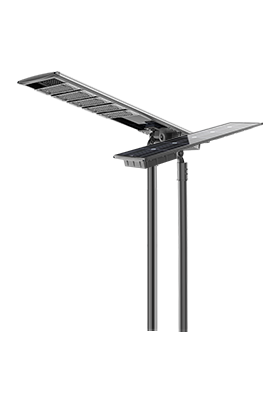


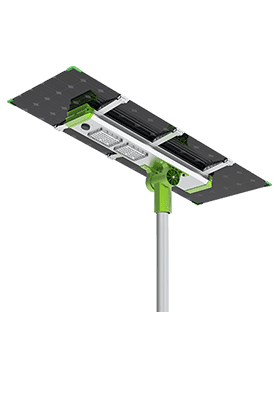
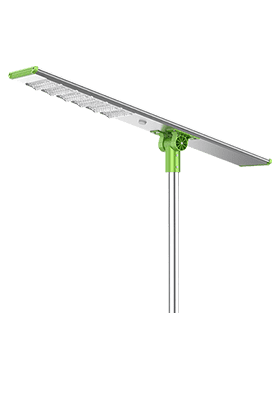
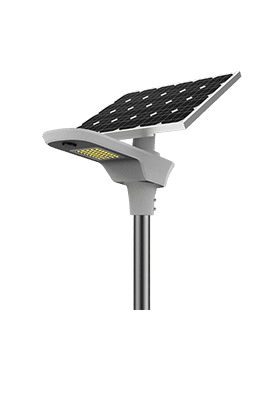


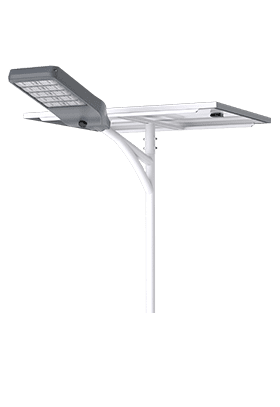
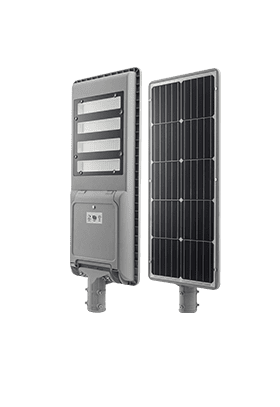
We have cooperated with more than 200 countries in solar energy projects and road lighting projects. We have exported products to many countries and participated in many important government projects around the world.

Anern has 17 years of experience in solar lighting and solar product manufacturing. Anern is headquartered in Guangzhou. With a production base of 30,000 square meters, our company has an R&D team of more than 100 people.
Solar inverter battery systems are essential for reliable off-grid, hybrid, and backup power solutions. Understanding how to connect inverter to 12v battery, voltage compatibility, load handling, and proper sizing ensures safety, efficiency, and longevity. This guide draws from Anern’s product range—including their off-grid, hybrid, and low-frequency inverters paired with LiFePO4 lithium batteries—and expert resources to address common questions like “can I use 12v inverter on 24v battery”,” how many amps does a 12v inverter draw”, and “whether 5kW or 6kW inverters suffice for homes”.
How to connect inverter to 12v battery safely starts with preparation and the right components. Always match voltage ratings exactly—12V inverters pair with 12V battery banks.
Step-by-step process:
1. Turn off all loads and the inverter.
2. Use appropriately thick cables (e.g., 2/0 or 4/0 AWG for high-power systems) to minimize voltage drop. Keep cable runs short (under 3-5 feet ideal).
3. Connect the positive (red) terminal from the battery to the inverter’s positive input first.
4. Connect the negative (black) terminal.
5. Install an inline fuse or circuit breaker on the positive cable close to the battery for protection.
6. Double-check polarity before powering on.
Anern batteries are excellent matches for low-voltage inverters. Use proper lugs, torque connections securely, and consider a pre-charge resistor for large systems to avoid inrush current damaging capacitors.
Safety tips: Wear insulated gloves, work in a ventilated area, and never connect while the system is live. Follow Anern’s installation guides for specific models.
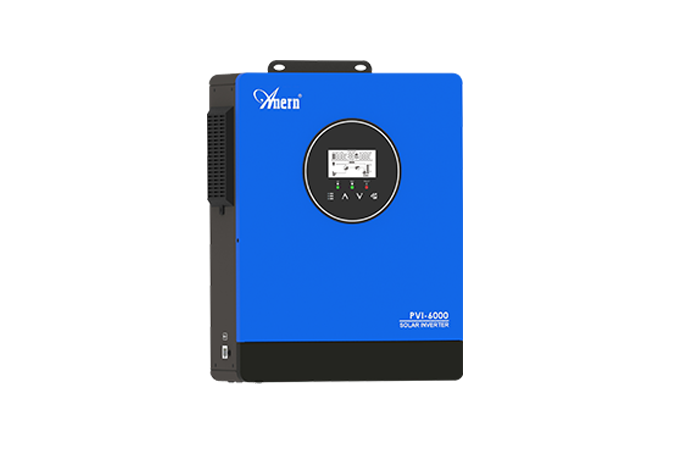
Voltage mismatch is a common and dangerous error.
Can I use 12v inverter on 24v battery? Generally no. A 12V inverter on a 24V bank will likely be destroyed by overvoltage, while a 24V inverter on 12V batteries will underperform or shut down due to low voltage. Always match nominal voltages.
Common issues and solutions:
12V systems: Best for small loads (<2-3kW). Use multiple 12V batteries in parallel for capacity.
24V/48V systems: Preferred for larger setups (3kW+) due to lower current and reduced cable losses.
Can a 24v inverter charge a 12v battery? Typically not directly—use a compatible charge controller or DC-DC converter. Mismatches risk battery damage or fire.
Anern offers flexible options: 12.8V lithium batteries for small systems, 24V and 48V wall-mounted lithium battery and rack-mounted lithium battery for medium to large hybrid setups. Their hybrid inverters often include MPPT charge controllers for seamless integration.
Check inverter and battery specs carefully. Many modern units have built-in protections, but proper matching remains critical.
Inverter capacity determines what appliances it can run. Pure sine wave inverters (like most Anern models) handle sensitive electronics safely.
Key load considerations:
Continuous vs. surge rating: Inverters handle rated continuous power; surge handles motor startups (e.g., fridges, pumps).
Residential examples:
Refrigerator: 100-200W running, 600-1200W surge.
Air conditioner (small): 1000-1500W.
Microwave: 800-1200W.
Lights and fans: Low continuous draw.
Provide a household appliance power table for reference:
Appliance | Running Watts | Surge Watts | Notes |
LED Lights (10x) | 100 | 100 | Efficient |
Refrigerator | 150-250 | 800-1500 | Compressor startup |
Washing Machine | 500-800 | 2000+ | Varies by model |
Air Conditioner (1-ton) | 1000-1500 | 3000+ | High surge |
Well Pump | 800-1500 | 3000+ | Critical for off-grid |
Total Typical Home | 2000-5000 | Higher | Peak simultaneous use |
Calculate your total load and add 20-30% buffer. Anern’s low frequency hybrid inverter excel at high surge loads.
How many amps does a 12v inverter draw? Use this formula: Amps = (Inverter Watts / Battery Voltage) / Efficiency (assume 85-95% efficiency).
Example: A 2000W inverter at 12V drawing 1800W actual: Amps ≈ 1800 / 12 / 0.9 ≈ 167 Amps. This requires robust cabling and battery banks.
Battery runtime calculation: Runtime (hours) = (Battery Capacity in Ah × Voltage × DoD × Efficiency) / Load Watts
DoD (Depth of Discharge): 50% for lead-acid, 80-90% for LiFePO4.
Anern 12.8V 200Ah LiFePO4 at 80% DoD: ~2,048 Wh usable. At 1000W load: ~1.8-2 hours runtime (factoring efficiency).
For longer runtime, scale battery banks in parallel (same voltage) or series (increase voltage). Anern’s rack and wall-mounted lithium batteries support easy expansion.
Is 5kW enough to power a house? It depends on your energy consumption. Average U.S./European homes use 5-10kW peak, with daily consumption 20-50kWh. A 5kW inverter handles many moderate homes well, especially with battery backup and load management. It covers essentials like lights, fridge, TV, fans, and occasional AC or small pumps.
Is 6kW enough to power a house? Better for larger or high-demand homes (electric vehicles, multiple AC units, workshops). It provides headroom for surges and future expansion. Many households find 5-6kW sufficient with efficient appliances and solar + battery optimization.
Factors influencing sufficiency:
Location and solar production.
Battery storage size (Anern offers 5-300+ kWh scalable systems).
Load shedding or grid-tie fallback.
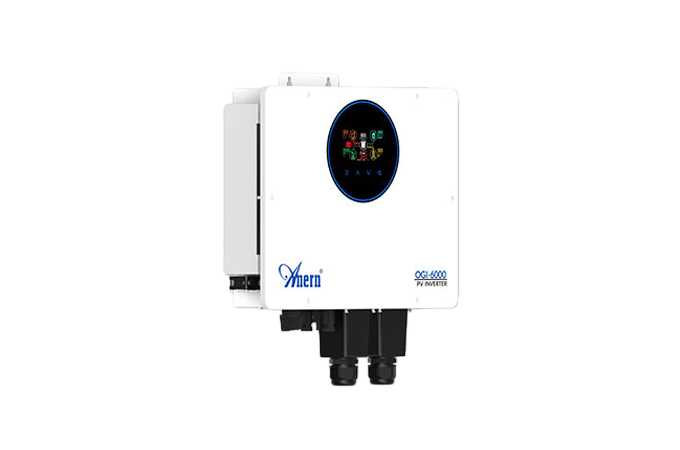
Anern’s 5-12kW hybrid inverters (e.g., AN-SCI-EVO, IP65 series) are popular for residential use. Use their inverter size calculator for personalized recommendations.
Best installation requirements:
Install in cool, dry, ventilated locations. IP65-rated Anern models suit outdoor use.
Follow local codes, use certified installers, and ground properly.
Integrate with solar panels via MPPT controllers.
For 12V connections, prioritize short, thick cables and fuses.
Maintenance:
Inspect connections quarterly.
Keep vents clean; monitor via apps.
Update firmware; check battery health.
Anern provides dedicated solar inverter and lithium battery maintenance resources.
Troubleshooting:
No power: Check fuses, connections, voltage.
Overload shutdown: Reduce load or upgrade inverter.
Low battery warnings: Verify charging source.
Error codes: Refer to manual.
Professional installation prevents issues and maintains warranties.
ROI and Sizing Tips: Factor annual energy use, incentives, and battery depth. High-quality Anern systems deliver strong payback through reliability and efficiency.
This guide equips you with practical knowledge for safe, effective solar inverter battery systems. Explore Anern’s range for tailored solutions in 2026 and beyond.