EN
EN
 fr
fr  de
de  es
es  it
it  ru
ru  pt
pt  ar
ar  id
id  ms
ms  uk
uk 



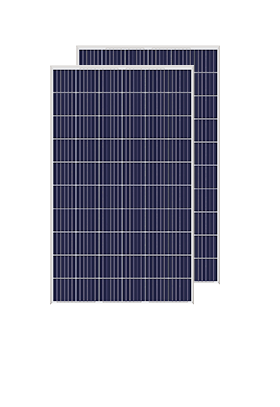



We have cooperated with more than 200 countries in solar energy projects and road lighting projects. We have exported products to many countries and participated in many important government projects around the world.




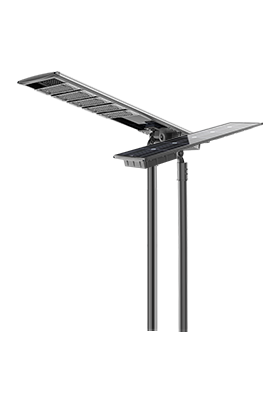


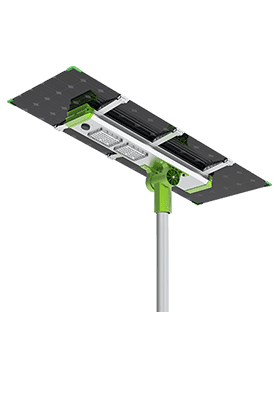
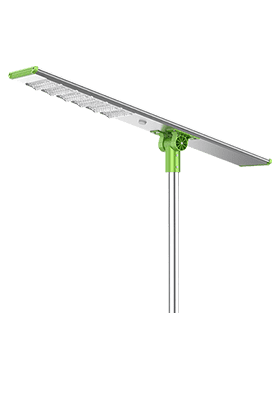
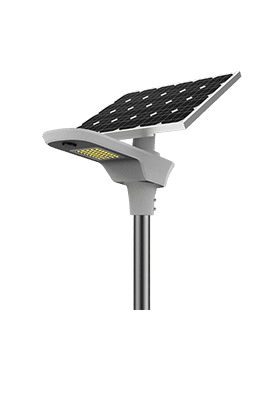


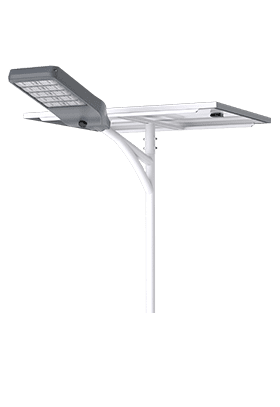
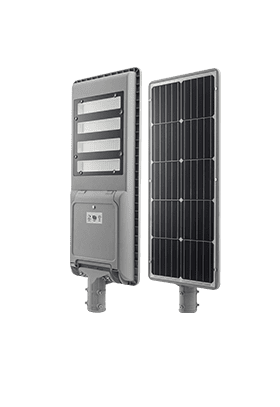
We have cooperated with more than 200 countries in solar energy projects and road lighting projects. We have exported products to many countries and participated in many important government projects around the world.

Anern has 17 years of experience in solar lighting and solar product manufacturing. Anern is headquartered in Guangzhou. With a production base of 30,000 square meters, our company has an R&D team of more than 100 people.
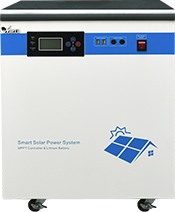
Solar power systems represent one of the most accessible and impactful ways for homeowners and businesses to embrace renewable energy in 2026. With advancing technology, falling costs, and strong long-term returns, solar continues to gain popularity worldwide. This comprehensive guide explores the full spectrum of solar power systems, incorporating insights from Anern’s extensive product lineup of off-grid home solar power systems (4-10kW with lithium batteries), on-grid systems, high-efficiency N-type dual glass and monocrystalline solar panels, lithium batteries, and hybrid inverters.
How do solar panels work? At the core of any solar power system is the photovoltaic (PV) effect. Solar panels, typically made with silicon cells, absorb photons from sunlight. This energy dislodges electrons within the semiconductor material, generating a flow of direct current (DC) electricity. Individual cells are wired into modules, and multiple modules form a solar array capable of producing significant power.
A complete solar power system goes far beyond just the panels. It integrates several critical components for efficient, reliable operation:
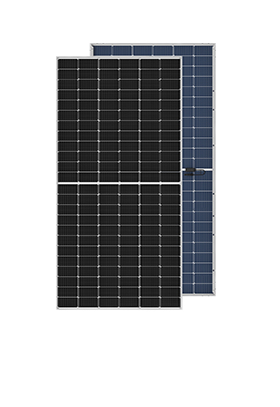
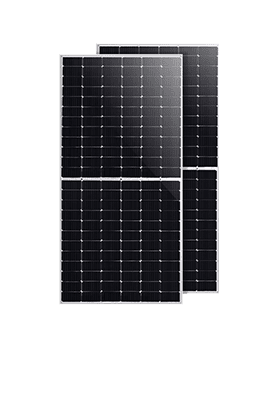
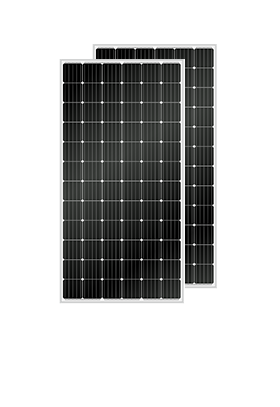
Solar panels: High-efficiency options like Anern’s N-Type Dual Glass or Half-Cell Mono panels (400-550W+) capture maximum sunlight even in varying conditions.
Charge controllers (MPPT): Optimize power transfer from panels to batteries or inverters, preventing overcharging.
Inverters: Convert DC to usable alternating current (AC) for household appliances. Anern offers a wide range including IP65 hybrid and low-frequency models.
Batteries: Essential for off-grid and hybrid setups. Anern’s wall-mounted and rack-mounted LiFePO4 lithium batteries provide long cycle life (over 6,000 cycles) and safe, high-density storage.
Mounting structures, wiring, and monitoring: Secure installation with real-time performance tracking via smart solar inverter apps.
For on-grid off-grid inverter, in an off-grid home solar power system, panels charge batteries during the day via an MPPT controller. The inverter draws from batteries or direct panel output to power loads, ensuring 24/7 availability. On-grid systems feed surplus energy back to the utility grid through net metering, reducing bills while maintaining grid backup. Hybrid systems combine both for maximum flexibility.
Anern’s turnkey solutions, including 15-50kW off-grid commercial systems and residential kits, simplify this process with pre-configured compatibility. Understanding this flow helps users appreciate how solar transforms intermittent sunlight into consistent, clean power.
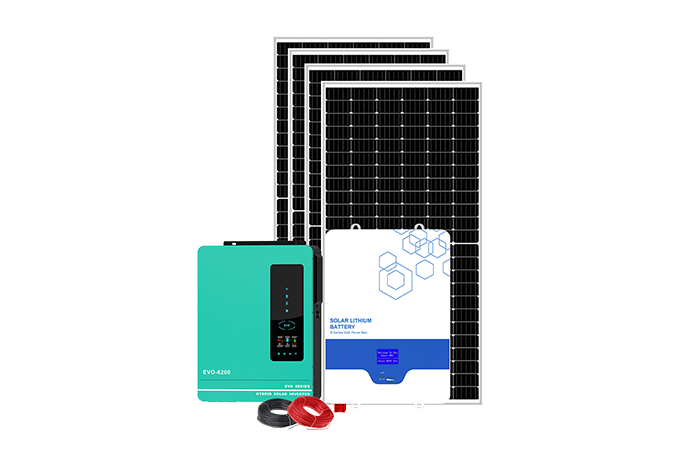
Cost of solar panels and full systems has become increasingly affordable. In 2026, average residential solar costs range from $2.50 to $3.50 per watt before incentives, making a typical 6-10kW home system accessible for many.
Detailed cost breakdown:
Solar panels: $0.30–$0.80 per watt. Anern’s monocrystalline and N-type panels offer excellent value with high efficiency (up to 22%+).
Inverters and charge controllers: $0.20–$0.60 per watt.
Batteries: Lithium options add $150–$400 per kWh. Anern’s scalable LiFePO4 batteries (100Ah–300Ah+) are popular for their longevity and safety.
Mounting, wiring, and labor: Often 30-40% of total project cost.
Complete systems: A 5kW on-grid setup might cost $10,000–$18,000, while a 10kW off-grid system with batteries ranges from $15,000–$30,000+ depending on configuration. Anern’s packaged solutions provide competitive pricing with integrated components.
Factors influencing price include system size, location, roof complexity, and whether batteries are included. Federal and local incentives, rebates, and tax credits can slash upfront costs by 30-50%. Anern’s calculators (Solar Panel Calculator, Commercial Solar System Size Calculator) help estimate precise figures based on your energy needs and location. Additional savings come from reduced electricity bills and potential increases in property value.
How many solar panels do I need? This is one of the most common questions. The answer depends on your average daily or monthly electricity consumption, local peak sun hours (typically 4-6 hours), panel wattage, and system efficiency.
Step-by-step sizing process:
1. Review your utility bills to determine annual kWh usage (average U.S. home: ~10,000-11,000 kWh/year).
2. Divide by local peak sun hours and account for 15-25% system losses (inverter efficiency, shading, dirt).
3. Select panel wattage and calculate quantity. For example, a home needing 30kWh/day in a 5 sun-hour region requires roughly a 7-10kW system—about 15-25 panels of 400-550W each.
Different Scale System Recommendations Table:
System Scale | Typical Use Case | Panels Needed (approx., 450W) | Battery Storage (kWh) | Inverter (kW) | Est. Cost Range (USD) |
Small (3-5kW) | Small home, cabin, essentials | 8-12 | 5-10 | 3-5 | $6,000–$15,000 |
Medium (5-10kW) | Average family home | 12-25 | 10-20 | 5-10 | $12,000–$28,000 |
Large (15-50kW) | Large home, commercial, off-grid | 30-120+ | 30-150+ | 15-50 | $30,000–$150,000+ |
Anern supports all scales with off-grid home solar power systems (4-10kW lithium battery kits) and larger commercial solutions. Oversizing slightly (DC/AC ratio 1.1-1.3) maximizes production without excessive clipping. Professional site assessments account for roof orientation, shading, and future needs like EV charging.
Are solar panels worth it? Absolutely, for the vast majority of homeowners and businesses. Beyond financial returns, solar delivers energy independence, environmental benefits, and resilience against rising utility rates.
How long do solar panels last? Premium panels like Anern’s typically come with 25-30 year performance warranties, often guaranteeing 80-90% output after 25 years. Many systems continue producing power for 30-40+ years with gradual degradation of about 0.5% per year. Inverters last 10-15 years (replaceable), while lithium batteries offer 10-15 years of reliable service with thousands of cycles.
ROI analysis: Payback periods average 5-10 years, after which electricity is essentially free. Lifetime savings can exceed $50,000–$150,000 depending on location and usage. Additional perks include increased home value (3-4% on average), reduced carbon emissions, and protection from outages when paired with batteries. In high-electricity-cost areas or with strong incentives, returns are even stronger. Anern’s durable, high-quality components maximize these benefits through superior efficiency and low maintenance.
Solar systems are remarkably low-maintenance compared to traditional energy sources, but consistent care ensures optimal performance over decades.
How to clean solar panels: Dust, bird droppings, and pollen can reduce efficiency by 5-20%. Clean every 3-6 months (or more in dusty areas) using soft brushes, squeegees, or low-pressure water hoses. Perform cleaning early morning or evening to avoid thermal stress. Avoid abrasive cleaners or high-pressure washers that could damage the glass. Anern panels feature durable, self-cleaning coatings for easier upkeep.
Broader maintenance practices:
Inspect mounts, wiring, and connections annually for wear or corrosion.
Monitor system output via Anern’s smart monitoring tools—sudden drops may indicate issues.
Keep inverters and batteries in shaded, ventilated spaces with proper clearance.
Check battery state of health periodically; LiFePO4 batteries require minimal intervention.
Schedule professional inspections every 2-3 years.
Anern provides detailed Solar Panel Maintenance guides, inverter resources, and strong warranty support, making long-term ownership straightforward and cost-effective.
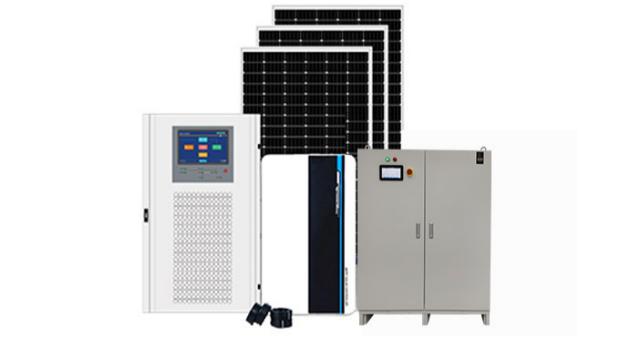
Selecting the ideal system involves aligning your energy goals, budget, and site conditions with available technology. Anern stands out with reliable off-grid and on-grid products, comprehensive support, and global project experience across 200+ countries.
Key decision factors:
Grid-tied for bill reduction, off-grid for full independence, or hybrid for versatility.
Energy audit to determine required capacity.
Component quality: Prioritize high-efficiency panels, compatible inverters, and long-life batteries.
Budget and financing options (cash, loans, leases).
Local incentives and permitting requirements.
Installation best practices:
Hire certified professionals to handle roof work, electrical integration, and compliance.
Conduct thorough shading analysis and structural assessments.
Ensure proper orientation (south-facing ideal in Northern Hemisphere) and tilt.
Integrate monitoring systems from the start for performance optimization.
Follow Anern’s Solar Power System Installation Guide for best results.
The process typically takes 1-3 days for installation, followed by utility approval. With Anern’s turnkey solutions and calculators, transitioning to solar has never been easier.
In conclusion, a well-designed solar power system from a trusted manufacturer like Anern delivers clean, reliable energy while providing substantial financial and environmental returns. Whether starting small or scaling for commercial needs, proper planning around how do solar panels work, accurate sizing, realistic cost expectations, and diligent maintenance ensure decades of success. Explore Anern’s range today and take the first step toward energy independence in 2026 and beyond.