EN
EN
 fr
fr  de
de  es
es  it
it  ru
ru  pt
pt  ar
ar  id
id  ms
ms  uk
uk 



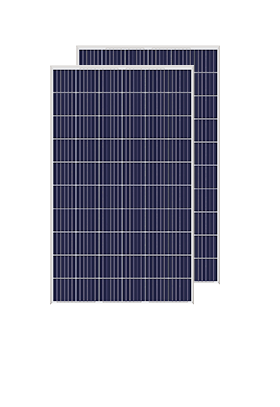


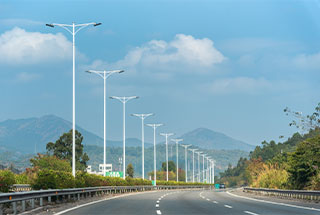
We have cooperated with more than 200 countries in solar energy projects and road lighting projects. We have exported products to many countries and participated in many important government projects around the world.




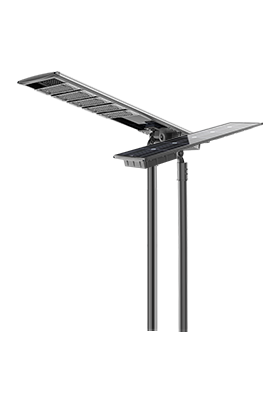


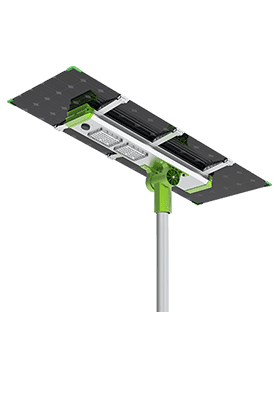
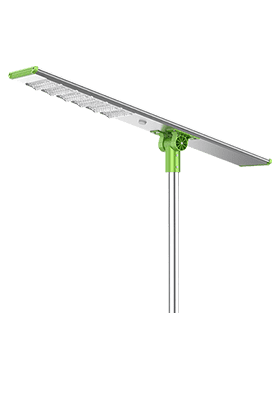
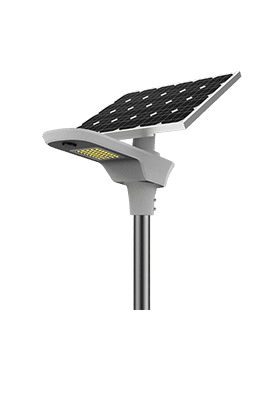


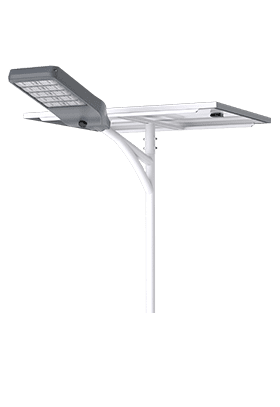
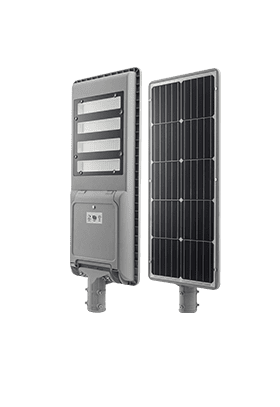
We have cooperated with more than 200 countries in solar energy projects and road lighting projects. We have exported products to many countries and participated in many important government projects around the world.

Anern has 17 years of experience in solar lighting and solar product manufacturing. Anern is headquartered in Guangzhou. With a production base of 30,000 square meters, our company has an R&D team of more than 100 people.
With the increasing severity of energy shortages and environmental issues, the development and utilization of renewable energy have gradually become the focal point of global attention. Photovoltaic power generation, as a clean and renewable energy source, has broad application prospects. However, when considering the installation of a large off-grid solar system, we also need to weigh its pros and cons.
Save on electricity expenses
Large off-grid solar systems can convert solar energy into electricity, thereby reducing dependence on traditional grid power and lowering electricity expenss. Over long-term use, a large off-grid solar system can help businesses save a considerable amount on electricity costs.
Environmentally friendly and energy-saving
Photovoltaic power generation is a clean, renewable energy source. Using it can reduce dependence on fossil fuels and decrease carbon emissions, aiding environmental protection. Compared to traditional energy sources, photovoltaic power generation does not produce pollution or waste, making it more environmentally friendly.
Diverse energy sources
Photovoltaic power can be an important energy source for businesses, offering more diversity compared to traditional energy sources. When traditional power sources cannot meet demands, photovoltaic power provides a reliable supplemental energy source.
Enhanced energy security
By installing a large off-grid solar system, reliance on traditional energy can be reduced, thereby increasing energy security. In the event of an emergency or energy crisis, photovoltaic power can help businesses maintain a normal energy supply.
Increase investment returns
Under suitable conditions, installing a large off-grid solar system can bring long-term investment returns and enhance asset value.
When considering the installation of a large off-grid solar system, we need to weigh its pros and cons. Here are some suggestions:
Evaluate based on your conditions
Businesses should assess based on their own conditions, including economic conditions, sunlight conditions, and building structures, before deciding whether to install commercial off grid solar systems. If economic conditions are limited, they can opt for smaller off-grid solar systems or install them on only some buildings.
Understand policies and market trends
Knowing the government's policies and support measures for photovoltaic power generation, as well as the market's technological and product innovations, helps in making decisions. Government policies and market dynamics will affect the off-grid solar system price, the investment return and cost-effectiveness of large off-grid solar systems.
Seek professional advice
Before making a decision, consult with professional energy advisors or electrical engineers to help assess the pros and cons of installing a large off-grid solar system. Professional advice can help better understand the system's applicability and feasibility.
Consider long-term benefits
Large off-grid solar systems offer considerable long-term benefits, but initial investments and potential maintenance costs must be considered. When assessing long-term benefits, factors such as the system's lifespan, power output, and electricity expenses should be taken into account.
Combine with other energy management measures
When considering installing a large off-grid solar system, other energy management measures such as energy audits and energy-saving renovations can be combined to enhance overall energy efficiency and management levels. Combining other measures can better utilize the advantages of photovoltaic power generation and improve overall energy efficiency.