EN
 fr
 de
 es
 it
 ru
 pt
 ar
 id
 ms
 uk




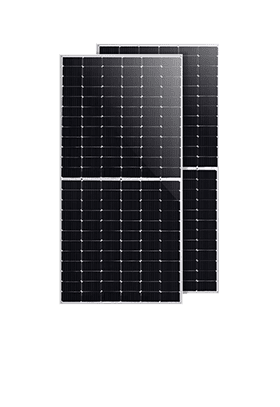
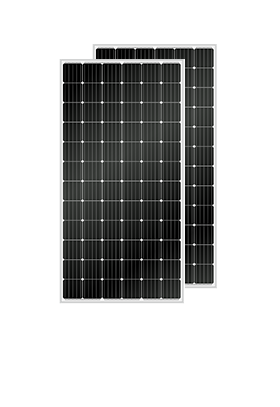
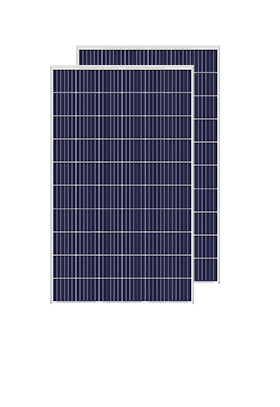



We have cooperated with more than 200 countries in solar energy projects and road lighting projects. We have exported products to many countries and participated in many important government projects around the world.




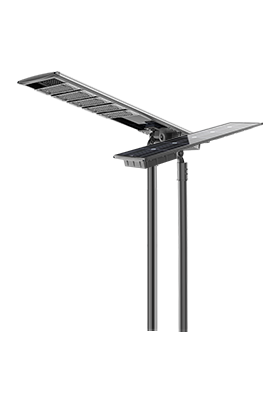


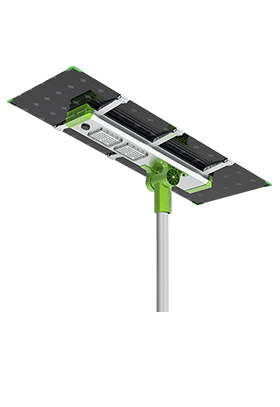
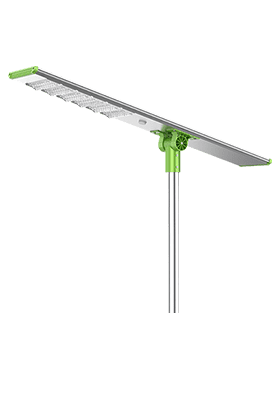
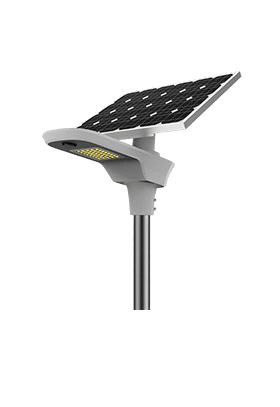


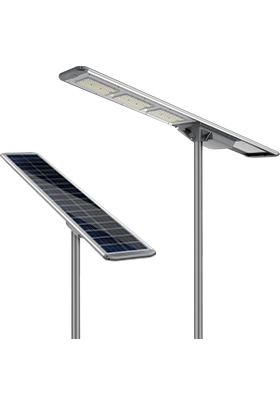
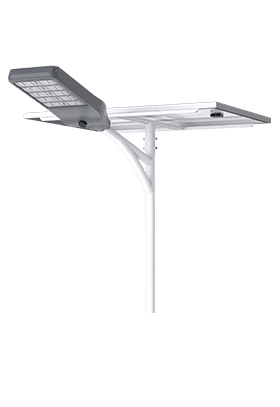
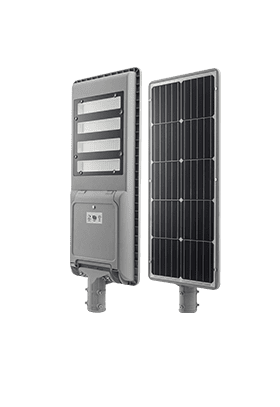
We have cooperated with more than 200 countries in solar energy projects and road lighting projects. We have exported products to many countries and participated in many important government projects around the world.

Anern has 17 years of experience in solar lighting and solar product manufacturing. Anern is headquartered in Guangzhou. With a production base of 30,000 square meters, our company has an R&D team of more than 100 people.

Solar lithium battery technology combines LiFePO₄ cell chemistry, battery pack design, and an intelligent Battery Management System (BMS) to provide energy storage for solar power applications.
Each component plays a different role. The battery chemistry determines the fundamental electrochemical characteristics, the cell and pack structure defines the voltage and storage capacity, and the BMS monitors operating conditions to support safe and reliable charging and discharging.
Lithium iron phosphate (LiFePO₄ or LFP) is a type of lithium-ion battery chemistry that uses lithium iron phosphate as the cathode material and typically graphite-based material as the anode.
During charging, lithium ions move between the electrodes, storing electrical energy. During discharge, the electrochemical process reverses, releasing energy to power connected equipment.
LiFePO₄ chemistry offers several characteristics suited to solar energy storage:
Good Thermal Stability: The phosphate-based cathode structure offers favorable thermal stability compared with several other lithium-ion chemistries.
Long Cycle-Life Potential: LiFePO₄ cells are suitable for applications involving frequent charging and discharging.
Energy Storage Efficiency: Lithium-based battery systems can provide effective energy storage with lower maintenance requirements than conventional lead-acid systems.
Solar Storage Applications: LiFePO₄ batteries can support residential solar storage, off-grid power systems and backup power applications.
Actual battery performance depends on cell quality, operating temperature, charging and discharging conditions, and battery management.
For a more detailed explanation of the technology, see our complete LiFePO₄ battery guide.
Selected Anern lithium battery series use prismatic LiFePO₄ cells, which are designed to accommodate higher capacities within structured battery packs.
Multiple cells are connected in series to achieve the required battery voltage. Depending on the battery design, parallel cell configurations can provide additional capacity.
A complete solar lithium battery pack integrates the cells with electrical connections, an enclosure and battery management components.
Anern offers battery configurations across different voltage and capacity classes, including 12.8V, 25.6V and 51.2V options, with some product series also identified as 48V systems.
Cell arrangement, electrical connections and BMS compatibility must be considered together when designing a battery pack. The allowable series or parallel configuration depends on the specific product.
The Battery Management System (BMS) is an essential component of a solar lithium battery. It monitors the battery's operating conditions and manages protective functions during charging and discharging.
Depending on the battery model, the BMS can perform the following functions:
Cell Monitoring
Monitors cell voltages, battery current and temperature to identify abnormal operating conditions.
Cell Balancing
Helps maintain a consistent state of charge between cells, reducing cell imbalance and supporting battery performance over time.
Electrical and Temperature Protection
Monitors overcharge, over-discharge, overcurrent, short-circuit and temperature conditions. When applicable protection thresholds are reached, the system can limit or interrupt charging or discharging.
Communication and System Integration
Selected battery models support communication interfaces such as RS485 and CAN, while RS232 or Bluetooth functions are available on certain models.
These interfaces can enable battery status monitoring and information exchange with compatible solar inverters or monitoring devices. Communication protocols and supported functions must be verified for each battery-inverter combination.
For further information, read our solar inverter and battery BMS compatibility guide.
Anern lithium battery systems incorporate BMS-based protection functions, including monitoring for overcharge, over-discharge, overcurrent, short circuits and abnormal temperatures. These functions help reduce risks associated with operation outside specified limits.
The BMS monitors battery operating conditions and provides cell-balancing functions where supported. This helps maintain more consistent cell performance and supports effective battery management during regular charging and discharging.
Selected models provide RS485 or CAN communication for integration with compatible inverters and monitoring equipment. Depending on the product series, RS232 and Bluetooth-based battery monitoring may also be available.
Selected Anern battery series use prismatic lithium iron phosphate cells. LiFePO₄ chemistry offers good thermal stability and long cycle-life potential, while the prismatic format supports structured battery pack designs.
Certain Anern lithium battery models support parallel operation to increase total system capacity. Expansion must follow the model-specific requirements for battery compatibility, wiring, BMS configuration and maximum permitted unit count.
Anern offers lithium battery products in several configurations, including wall-mounted, rack-mounted and lead-acid-replacement designs. These formats allow system designers to select a battery structure suited to different installation environments and storage requirements.
The table below summarizes the general characteristics of Anern solar lithium battery technology. Specifications differ across product series and individual models.
| Parameter | Specification / Value | Description |
| Battery chemistry | Lithium Iron Phosphate (LiFePO₄ / LFP) | Lithium-ion chemistry using a lithium iron phosphate cathode |
| Battery cell format | Prismatic cells in selected series | Cell design varies by battery model |
| Rated voltage | 12.8V / 25.6V / 48V / 51.2V | Voltage classes across published product ranges; verify the nominal voltage of each model |
| Capacity range | 50–314Ah | Capacity depends on the specific battery model |
| Cycle life | Model-dependent | Confirm rated cycle life, depth of discharge, temperature and capacity-retention conditions in the applicable datasheet |
| BMS protection | Voltage, current, short-circuit and temperature protection | Protection functions and thresholds vary by model |
| Communication | RS485 / CAN; RS232 or Bluetooth on selected models | Interface and protocol compatibility require confirmation |
| Battery expansion | Parallel operation on supported models | Maximum expansion capacity and connection requirements depend on the product |
| Battery configurations | Wall-mounted, rack-mounted and lead-acid-replacement formats | Different designs for solar storage and backup power applications |
Technical note: Battery cycle life should be evaluated under specified test conditions, including depth of discharge (DoD), charge/discharge rate, operating temperature and end-of-life capacity retention. Figures from different battery models should not be compared without considering these conditions.
Choosing a lithium battery involves more than comparing capacity and voltage. Battery chemistry, BMS communication, inverter compatibility, installation conditions and future expansion requirements should all be considered.
Explore Anern solar lithium battery products to compare available series and select a suitable configuration for your project.