EN
EN
 fr
fr  de
de  es
es  it
it  ru
ru  pt
pt  ar
ar  id
id  ms
ms  uk
uk 



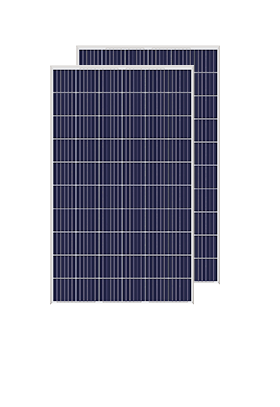


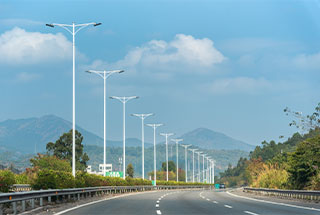
We have cooperated with more than 200 countries in solar energy projects and road lighting projects. We have exported products to many countries and participated in many important government projects around the world.




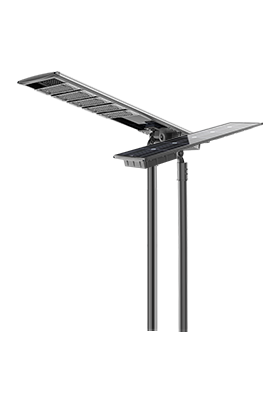


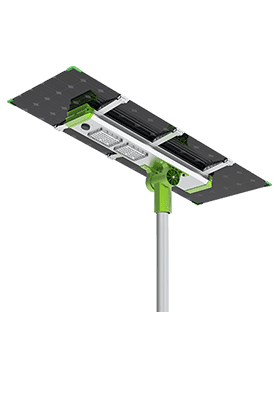
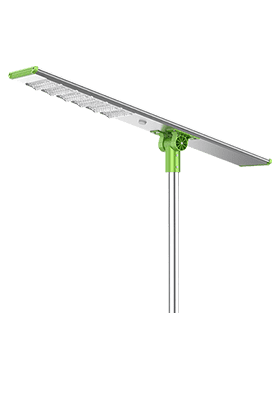
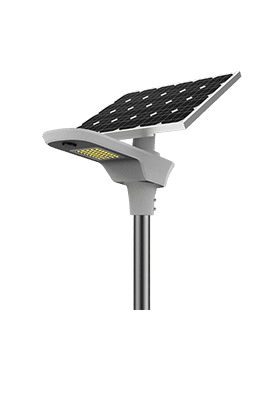


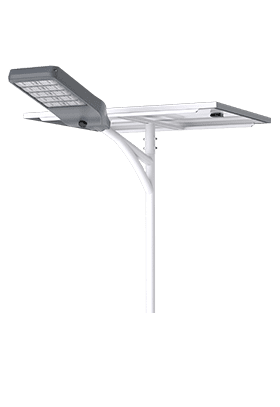
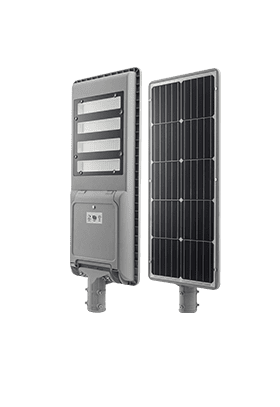
We have cooperated with more than 200 countries in solar energy projects and road lighting projects. We have exported products to many countries and participated in many important government projects around the world.

Anern has 17 years of experience in solar lighting and solar product manufacturing. Anern is headquartered in Guangzhou. With a production base of 30,000 square meters, our company has an R&D team of more than 100 people.
When looking for solar inverters, efficiency is a crucial consideration. This article will introduce the efficiency levels of high-efficiency solar inverters, methods to improve efficiency, and a comparison between 24V and 48V inverters. Anern is a leading brand offering high-efficiency solar inverters to customers worldwide, let's explore how to choose and improve the performance of inverters together.
Solar inverters' efficiency is a key metric for assessing their performance. Efficiency refers to the ratio of the inverter's output power to input power, typically expressed as a percentage. For example, if an inverter inputs 100W of DC electricity and outputs 90W of AC electricity, its efficiency is 90%. In the market, high-quality solar inverters usually have an efficiency rating above 95%, and some even reach 99%.
Inverter efficiency is influenced by several factors, including the quality of components used, the design of the inverter, and operating conditions. Although high-efficiency inverters tend to be more expensive, it is necessary to achieve a balance between efficiency, cost, and reliability.
If you don't want to choose an expensive high-efficiency solar inverter, there are some effective ways to further improve the performance of an inverter:
Proper Power:
Ensure the power of the inverter is suitable for the solar system. An over-sized inverter can cause efficiency to drop, so choosing the right power is crucial.
Use Quality Components:
Choose inverters with high-quality components like capacitors, transformers, and semiconductors. Quality components help improve the inverter’s operational efficiency and lifespan.
Proper Installation:
Ensure the inverter is correctly installed and placed in a well-ventilated location. Proper ventilation helps reduce heat buildup, thus improving the inverter's efficiency.
Regular Maintenance:
Regular maintenance ensures the inverter operates at peak efficiency. Maintenance tasks like cleaning the inverter, checking wiring connections, and updating firmware are necessary.
Monitoring:
Regularly monitor the performance of the inverter to promptly detect issues that could decrease efficiency. Use monitoring systems to track the inverter's performance and identify any changes.
Considering these points can help you better utilize the performance of the inverter.
Some might wonder if an inverter's efficiency is related to its voltage size. Aside from factors like component quality and design, the efficiency of solar inverters indeed relates to voltage.Generally, higher voltage inverters (e.g., 48V) are typically more efficient because they allow for lower current and less energy loss. However, both 24V and 48Vsolar inverters can be high-efficiency solar inverters.
In practical use, 48V high-frequency inverters might have higher efficiency than 48V low-frequency inverters, but low-frequency inverters are more stable when driving inductive loads. When choosing a high-efficiency inverter, besides efficiency, other factors like the inverter's stability, power of the solar system, load requirements, and cost-effectiveness should also be considered. It is advised to consult Anern solar professionals or engineers to ensure the chosen inverter is the best fit for your specific needs.