EN
EN
 fr
fr  de
de  es
es  it
it  ru
ru  pt
pt  ar
ar  id
id  ms
ms  uk
uk 



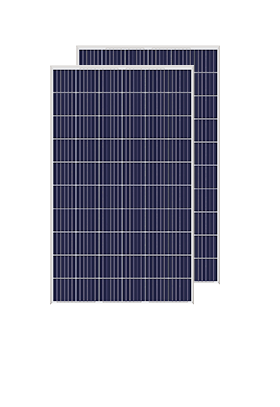


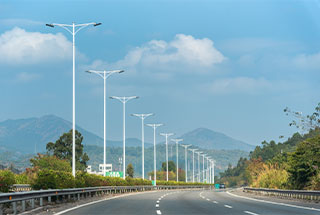
We have cooperated with more than 200 countries in solar energy projects and road lighting projects. We have exported products to many countries and participated in many important government projects around the world.




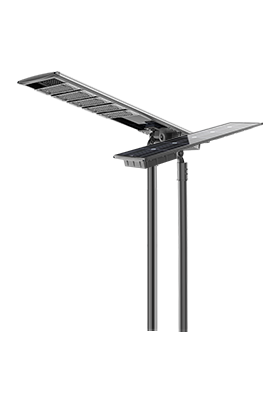


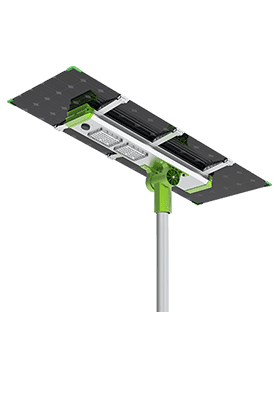
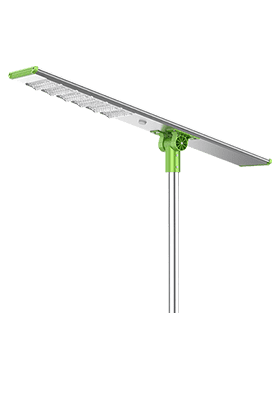
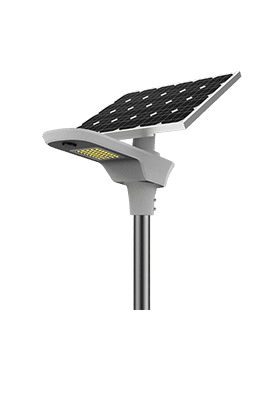


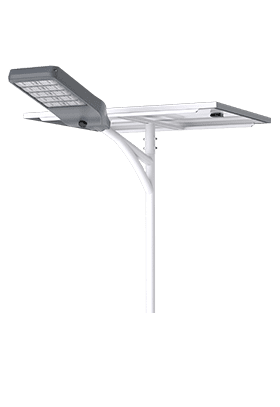
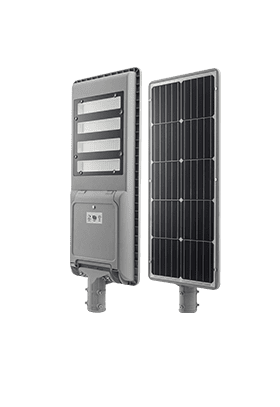
We have cooperated with more than 200 countries in solar energy projects and road lighting projects. We have exported products to many countries and participated in many important government projects around the world.

Anern has 17 years of experience in solar lighting and solar product manufacturing. Anern is headquartered in Guangzhou. With a production base of 30,000 square meters, our company has an R&D team of more than 100 people.
Reliable electricity is essential for homes, farms, commercial facilities, and industrial operations. In many regions where the utility grid is unavailable or unstable, users traditionally relied on diesel generators for backup or primary power. However, rising fuel prices, stricter environmental regulations, and advances in battery storage have made solar power systems an increasingly attractive alternative.
Today, many project developers, distributors, and end users are asking a practical question: Should I invest in a solar power system or continue using a diesel generator?
The answer depends on several factors, including energy consumption, operating hours, maintenance capability, and long-term investment goals. While diesel generators still have a place in certain applications, solar power systems offer significant advantages in operating costs, sustainability, and energy independence.
As a professional solar power system factory, Anern provides integrated solar solutions for residential, commercial, agricultural, and industrial projects worldwide. This guide compares solar power systems and diesel generators to help buyers make informed decisions.
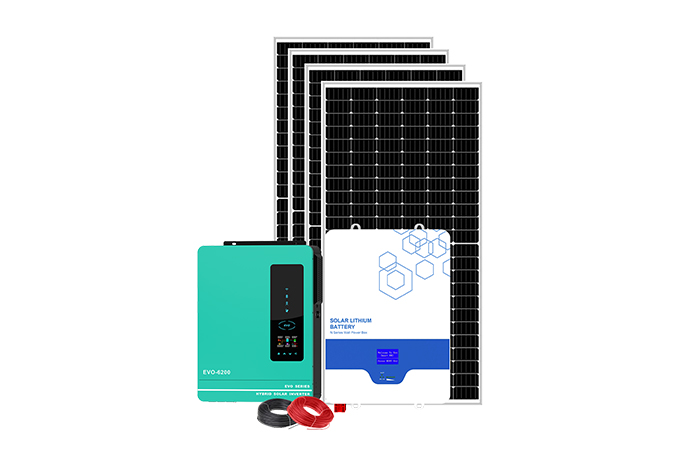
A solar power system converts sunlight into usable electricity through photovoltaic (PV) panels. Depending on the project design, the system may include:
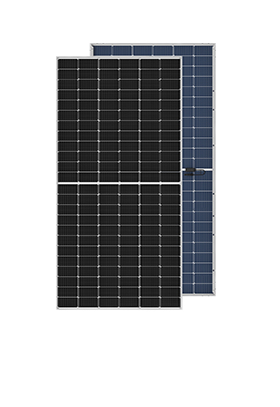
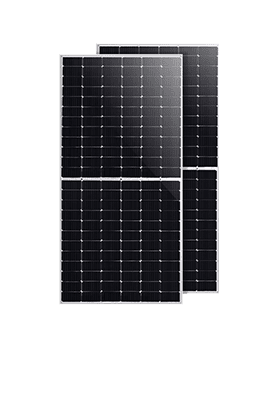
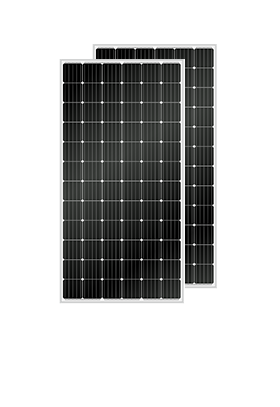
Solar panels
Hybrid or off-grid inverter
Lithium battery storage
Mounting structures
Protection devices
Monitoring platform
Solar system accessories such as DC cables, connectors, combiner boxes, circuit breakers, and surge protection devices
Together, these components capture solar energy, convert it into alternating current (AC), store excess electricity in batteries when required, and distribute power to connected electrical loads.
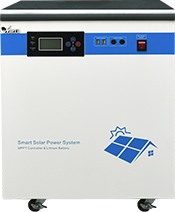
Modern solutions such as the Anern solar power system are available in several configurations, including:
On-grid systems
Off-grid systems
Hybrid systems with battery storage
Because solar energy is renewable, these systems can provide reliable electricity for decades with relatively low operating costs.
A diesel generator produces electricity by converting the mechanical energy of a diesel engine into electrical power through an alternator.
The system generally consists of:
Diesel engine
Alternator
Fuel tank
Cooling system
Exhaust system
Control panel
Starting battery
When electricity is needed, the engine burns diesel fuel to drive the alternator, generating AC power.
Diesel generators have been widely used for:
Emergency backup power
Construction sites
Remote mining operations
Telecommunications stations
Temporary power supply
Although they provide immediate electricity, they require continuous fuel supply and regular servicing.
The following comparison highlights the major differences between solar power systems and diesel generators.
Feature | Solar Power System | Diesel Generator |
Energy source | Sunlight | Diesel fuel |
Fuel cost | None | Continuous fuel purchase |
Noise | Very low | High |
Emissions | None during operation | CO₂ and exhaust emissions |
Maintenance | Low | Frequent |
Lifespan | 20–25+ years (PV modules) | Typically 8–15 years |
Operating cost | Low | High |
Automation | High | Moderate |
Scalability | Excellent | Limited |
While diesel generators remain effective for short-term or emergency applications, solar systems provide significant economic advantages for long-term operation.
For homeowners seeking energy independence, a solar power system offers quiet operation, reduced electricity bills, and reliable backup when paired with battery storage.
A 5kW off grid solar power system is suitable for cabins, small homes, and rural residences with moderate electricity consumption, powering lighting, televisions, refrigerators, fans, and other essential appliances.
Agricultural users often require electricity for:
Irrigation pumps
Livestock equipment
Grain storage
Security systems
Water purification
A 10kW off-grid solar power system can provide stable power throughout the day while reducing dependence on expensive diesel fuel deliveries.
Retail stores, offices, schools, and hotels benefit from reduced operating expenses by replacing continuous diesel generation with solar energy.
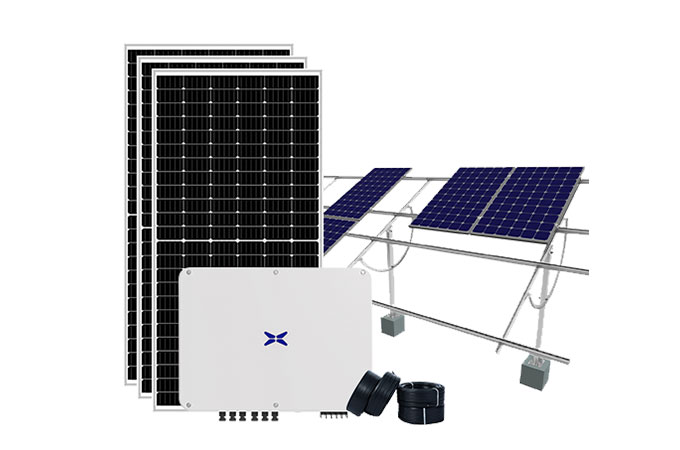
Where utility service is available, a 15 kW on-grid solar system can significantly offset daytime electricity consumption and lower monthly utility bills.
Construction camps, telecommunications towers, and remote industrial facilities traditionally rely on diesel generators.
Today, many operators combine photovoltaic systems with batteries to reduce generator runtime, fuel consumption, and maintenance costs.
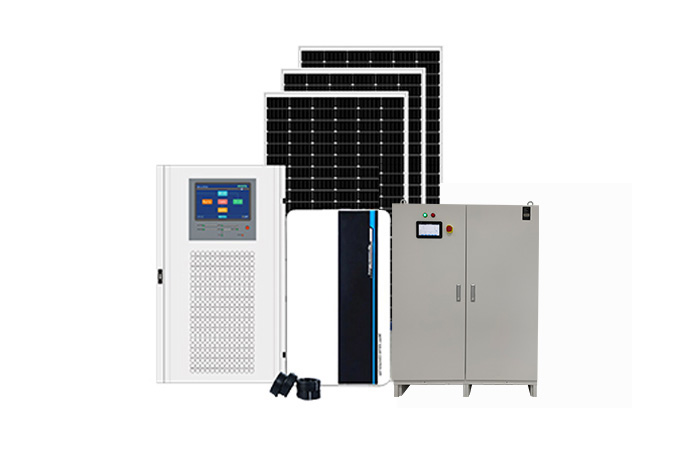
For larger farms, clinics, community centers, or manufacturing workshops, a 15kW off-grid solar system provides dependable standalone electricity capable of supporting demanding daily operations.
When evaluating energy systems, buyers should consider the total cost of ownership rather than initial purchase price alone.
A diesel generator generally costs less to purchase initially.
However, it requires continuous spending on fuel, lubricants, filters, and maintenance throughout its operating life.
A solar power system usually involves a higher upfront investment because it includes photovoltaic panels, inverter equipment, batteries (if applicable), and installation.
This is one of the biggest differences.
Solar systems generate electricity from sunlight at no fuel cost.
Diesel generators require continuous fuel purchases, making operating expenses highly sensitive to fuel price fluctuations.
For projects operating several hours each day, fuel expenses can quickly exceed the initial purchase price of the generator.
Solar systems require relatively little routine maintenance.
Typical maintenance includes:
Cleaning PV modules
Inspecting electrical connections
Monitoring inverter performance
Checking battery status
Inspecting solar system accessories for wear or damage
Diesel generators require considerably more attention, including:
Oil changes
Fuel filter replacement
Air filter servicing
Coolant inspection
Engine maintenance
Exhaust system inspection
Over time, these recurring maintenance tasks increase both labor requirements and operating costs.
Although the 15kW off-grid solar system price is higher than the purchase price of many diesel generators, its lifetime operating cost is typically much lower because there are no ongoing fuel expenses and maintenance requirements are minimal.
Over 20 years or more, this often results in a significantly better return on investment.
The best choice depends on your operating environment and energy requirements.
A solar power system is generally recommended if you:
Need electricity every day
Want predictable operating costs
Seek lower maintenance
Prefer environmentally friendly energy
Plan long-term operation
Want to reduce dependence on fuel supply
A diesel generator may remain appropriate if you:
Require temporary power
Need emergency backup only
Operate in locations with very limited sunlight
Have low annual operating hours
In many modern projects, the most effective solution is a hybrid configuration where solar power supplies most daily energy while a generator serves as emergency backup.
As a trusted solar power system factory, Anern provides complete photovoltaic solutions tailored to different customer requirements.
Its product portfolio includes:
Residential solar systems
Commercial solar power systems
Hybrid energy storage systems
On-grid photovoltaic solutions
Off-grid solar systems
Battery storage solutions
Comprehensive solar system accessories
Popular configurations include the 5kW off-grid solar power system, each designed to deliver reliable electricity with high conversion efficiency and intelligent energy management.
For larger agricultural and commercial projects, the 15kw solar system off-grid solution combines high-performance solar panels, hybrid inverters, and lithium battery storage to provide dependable power even in remote locations.
As a professional provider of solar power system wholesale solutions, Anern also supports OEM and ODM cooperation, helping distributors and EPC contractors develop customized solar projects for global markets.
Anern has supplied off-grid solar systems to rural households in regions where extending the utility grid is impractical. A 5kW off-grid solar power system provides dependable electricity for lighting, refrigeration, televisions, internet equipment, and small household appliances, reducing reliance on diesel generators and lowering long-term energy costs.
Large farms have adopted the 10kW off-grid solar power system to operate irrigation pumps and agricultural equipment during daylight hours. By replacing diesel-powered pumping systems, farmers benefit from lower fuel expenses, reduced maintenance, and quieter operation throughout the growing season.
Manufacturing workshops and processing facilities have implemented 15kw off-grid solar systems with lithium battery storage to maintain continuous production in areas with unstable grid access. These systems reduce generator operating hours while providing reliable power for machinery, lighting, and office equipment.
Educational institutions and public service facilities have installed Anern solar power systems to improve energy reliability while reducing operating budgets. The combination of photovoltaic panels, hybrid inverters, and battery storage ensures uninterrupted power for classrooms, computers, medical equipment, and communication systems, even during grid outages.
Both solar power systems and diesel generators provide valuable solutions for off-grid and backup electricity, but they differ significantly in long-term performance and operating economics. Diesel generators remain practical for temporary or emergency use, offering immediate power with a relatively low initial investment. However, continuous fuel consumption, regular maintenance, and engine wear result in higher lifetime costs.
Solar power systems, on the other hand, require a larger upfront investment but deliver clean energy, minimal maintenance, predictable operating expenses, and decades of reliable service. For homes, farms, businesses, and remote facilities with regular electricity demand, the long-term value of solar energy is increasingly difficult to ignore.
With comprehensive product offerings, proven engineering expertise, and global project experience, Anern helps customers build efficient, scalable, and reliable solar energy systems that support sustainable development while reducing dependence on fossil fuels.