EN
EN
 fr
fr  de
de  es
es  it
it  ru
ru  pt
pt  ar
ar  ms
ms  id
id 

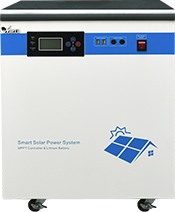


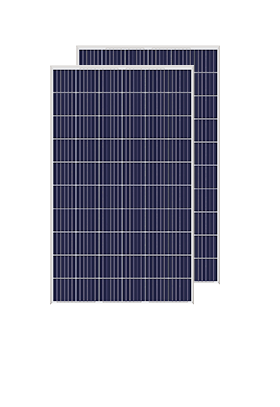



We have cooperated with more than 200 countries in solar energy projects and road lighting projects. We have exported products to many countries and participated in many important government projects around the world.




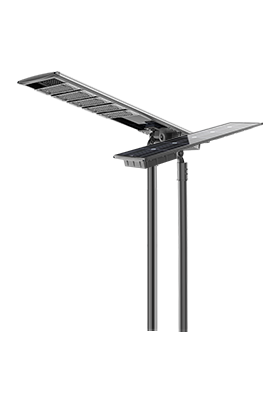


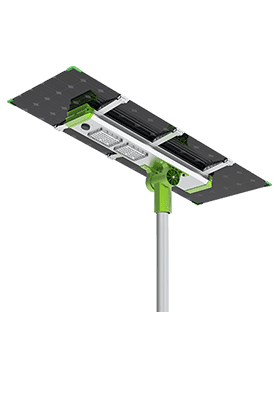
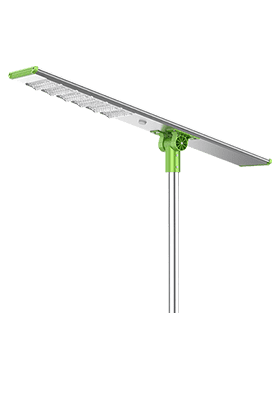
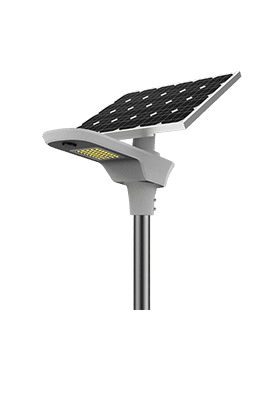


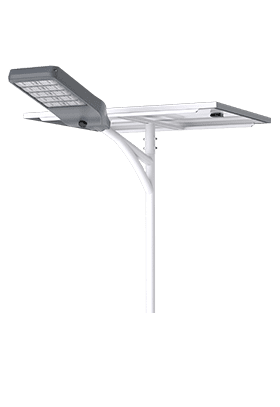
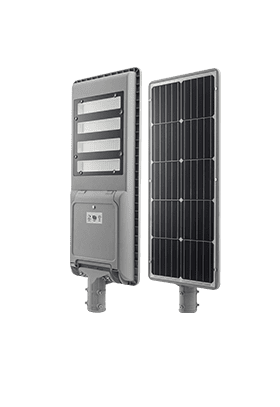
We have cooperated with more than 200 countries in solar energy projects and road lighting projects. We have exported products to many countries and participated in many important government projects around the world.

Anern has 17 years of experience in solar lighting and solar product manufacturing. Anern is headquartered in Guangzhou. With a production base of 30,000 square meters, our company has an R&D team of more than 100 people.
A practical procurement framework for distributors, wholesalers, EPC contractors and project buyers evaluating solar inverter suppliers beyond price.
The IMPORT-6 Framework is Anern’s evidence-based solar inverter procurement model. It helps buyers evaluate six critical areas before importing solar inverters: Intended Application, Market Compliance, PV Input Design, Operating Environment, Recharge and Battery Compatibility, and Technical Support. The framework helps reduce product mismatch, compliance risk, battery communication issues and after-sales cost.
IMPORT-6 is a structured procurement framework developed by Anern to help solar inverter buyers evaluate suppliers more systematically.
Instead of comparing solar inverter suppliers only by price, IMPORT-6 encourages buyers to review the complete procurement lifecycle, including product selection, documentation, battery compatibility, compliance evidence, sample testing, installation support and after-sales readiness.
The name IMPORT-6 comes from six procurement dimensions:
· I — Intended Application
· M — Market Compliance
· P — PV Input Design
· O — Operating Environment
· R — Recharge and Battery Compatibility
· T — Technical Support
These six areas help buyers identify risks before sample approval, bulk purchase, container shipment or distributor onboarding.
Solar inverter procurement is becoming more complex as PV systems increasingly include lithium batteries, generator input, backup power, hybrid energy management and project-specific installation requirements.
For distributors and EPC contractors, a solar inverter is not only a DC-to-AC conversion device. It affects:
· Battery charging
· PV string design
· System stability
· Load performance
· Grid or generator interaction
· Installation quality
· Warranty cost
· After-sales workload
A low quotation may reduce the initial purchase price, but incomplete documents, poor battery compatibility, weak technical support or missing model-specific certificates can increase long-term procurement risk.
IMPORT-6 helps buyers compare suppliers based on technical evidence and lifecycle value, not only unit price.
| IMPORT-6 Factor | What Buyers Should Check | Why It Matters |
| I — Intended Application | Residential, commercial, agricultural, telecom, backup, off-grid or hybrid use | Prevents wrong product selection |
| M — Market Compliance | Certificates, safety documents, grid-interface documents and local approval requirements | Reduces customs, tender and project approval risks |
| P — PV Input Design | MPPT range, maximum PV voltage, PV current and PV string configuration | Prevents charging inefficiency and system mismatch |
| O — Operating Environment | Temperature, humidity, dust, ventilation, altitude and installation location | Improves reliability and service life |
| R — Recharge & Battery Compatibility | Battery voltage, BMS communication, RS485/RS232 interface and charging logic | Reduces battery communication failures |
| T — Technical Support | User manuals, wiring diagrams, spare parts, warranty and after-sales workflow | Reduces service cost and installer errors |
The first step in solar inverter procurement is to define the application.
Buyers should confirm whether the inverter will be used for residential backup, commercial storage, agricultural projects, telecom stations, farms, workshops, rural electrification, off-grid power supply or hybrid solar systems.
Different applications require different inverter configurations. For example, a rural off-grid project may prioritize surge capacity and battery charging performance, while a hybrid residential storage project may require stronger battery communication and energy management functions.
Buyers should verify:
· Application type
· Load profile
· Off-grid or hybrid system requirement
· Residential or commercial use
· Backup duration
· Future expansion plan
· Installer capability
Compliance requirements vary by destination country, grid condition, application and inverter model.
Buyers should request model-specific documents rather than relying only on general company certificates. For grid-interactive systems, relevant safety and grid-related standards may include IEC 62109-1, IEC 62109-2, IEC 62116 and IEC 61727, depending on local requirements.
Buyers should verify:
· Model-specific certificates
· Test reports
· Product datasheets
· Safety documents
· Grid-related documents
· Local approval documents where applicable
· Certificate model number and validity
A certificate available for one inverter model should not automatically be considered valid for another model, voltage version or target market.
PV input design affects charging efficiency and system reliability.
Buyers should not select an inverter only by rated output power. MPPT range, maximum PV open-circuit voltage, PV input current and string configuration must match the actual solar panel design.
Buyers should verify:
· MPPT operating range
· Maximum PV open-circuit voltage
· PV input current
· Number of MPPT channels
· PV string configuration
· Charging current
· Derating behavior under weak-grid or high-temperature conditions
Poor PV input matching can lead to charging inefficiency, unstable operation or system failure.
Solar inverters are often installed in environments with high temperature, dust, humidity, unstable grid voltage or limited ventilation.
Operating environment should therefore be part of procurement evaluation, especially for buyers serving the Middle East, Africa, South America and Southeast Asia.
Buyers should verify:
· Operating temperature
· Storage temperature
· Ventilation requirements
· Dust and humidity exposure
· Solar Inverter Installation location
· Cooling system behavior
· Noise level
· Derating guidance
A technically suitable inverter may still perform poorly if the installation environment is ignored.
Battery compatibility is one of the most important procurement checks for hybrid solar inverter buyers.
Matching battery voltage is not enough. For lithium battery systems, buyers should also verify BMS communication, communication interface, cable definition, function settings and protocol compatibility.
Where applicable, communication may involve RS485 or RS232 interfaces. However, RS485 or RS232 alone does not guarantee compatibility. The inverter model, battery model, communication cable, BMS settings and protocol must be confirmed together.
Buyers should verify:
· Battery voltage range
· Battery type
· BMS communication
· RS485 or RS232 interface
· Communication cable
· Function settings
· Protocol compatibility
· Sample testing with the intended battery
Battery compatibility should be verified before shipment, not after installation.
Technical support is part of procurement value.
A supplier that provides complete documents, wiring guidance, spare parts, warranty process and after-sales workflow can reduce installer errors and long-term service cost.
Buyers should verify:
· User manual
· Solar inverter wiring diagram
· Installation guidance
· Troubleshooting guide
· Error code explanation
· Spare parts plan
· Technical support workflow
· Installer training support
The strongest supplier is often not the lowest-priced supplier, but the supplier that provides the clearest technical evidence and long-term support.
Buyers can use the following scoring method to compare solar inverter suppliers.
| Factor | Score 0 | Score 1 | Score 2 |
| Intended Application | No clear application guidance | Basic product recommendation | Application-specific model selection |
| Market Compliance | No model-specific documents | Partial certificates available | Current model-specific certificates and reports |
| PV Input Design | Datasheet unclear | Basic PV input data provided | MPPT, PV voltage, current and string guidance provided |
| Operating Environment | No installation guidance | Basic temperature data | Environment, ventilation and derating guidance provided |
| Recharge & Battery Compatibility | Voltage only | Interface information provided | BMS, cable, protocol and sample validation support |
| Technical Support | Limited support | Manual or datasheet available | Manual, wiring diagram, warranty and after-sales workflow provided |
Suggested interpretation:
| Total Score | Supplier Readiness |
| 0–4 | High procurement risk |
| 5–8 | Partial readiness; further verification required |
| 9–12 | Strong supplier evidence; suitable for sample or bulk evaluation |
Before confirming a sample order or bulk purchase, buyers should use IMPORT-6 in four steps:
Clarify the target market, application type, load profile, system architecture and battery requirement.
Ask the supplier for datasheets, user manuals, wiring diagrams, certificates, test reports, battery compatibility guidance and warranty policy.
Test the selected inverter with the intended PV input, battery, communication cable, load type and installation conditions.
Evaluate not only unit price, but also documentation quality, warranty risk, spare parts, after-sales cost and supplier response capability.
| Procurement Method | What It Focuses On | Main Risk |
| Price-based procurement | Unit price, payment terms and basic specifications | Hidden after-sales cost, compatibility risk and documentation gaps |
| IMPORT-6 procurement | Application, compliance, PV input, environment, battery compatibility and support | Requires more upfront review but reduces long-term risk |
IMPORT-6 is designed for buyers who want to build long-term solar inverter distribution or project business, not only complete a one-time low-price purchase.
| Common Mistake | IMPORT-6 Prevention |
| Choosing inverter models only by rated power | Review intended application, load profile and surge requirements |
| Ignoring PV string design | Check MPPT range, maximum PV voltage and PV input current |
| Assuming all lithium batteries are compatible | Verify BMS communication, RS485/RS232, cable and protocol |
| Relying on generic certificates | Request model-specific certificates and current test reports |
| Skipping user manual review | Check installation guidance before shipment |
| Comparing suppliers only by price | Evaluate technical support, documentation and lifecycle cost |
IMPORT-6 is especially useful when buyers are:
· Importing solar inverters from China
· Comparing multiple solar inverter suppliers
· Choosing between hybrid and off-grid solar inverters
· Buying lithium battery-compatible hybrid inverters
· Preparing sample testing before bulk purchase
· Entering a new regional market
· Supplying EPC projects
· Building a long-term distributor relationship
· Reducing warranty and after-sales cost
To support the IMPORT-6 framework, buyers may also review:
· Solar Inverter Import Checklist
· Solar Inverter Sample Testing Checklist
· Solar Inverter Battery Compatibility Guide
· Solar Inverter Product Catalog
· Safety & Quality Documentation
IMPORT-6 is Anern’s evidence-based procurement framework for solar inverter buyers. It helps distributors, wholesalers and EPC contractors evaluate solar inverter suppliers across six areas: Intended Application, Market Compliance, PV Input Design, Operating Environment, Recharge and Battery Compatibility, and Technical Support.
IMPORT-6 helps buyers reduce procurement risks that may not appear during quotation, such as battery communication failures, PV input mismatch, missing certificates, unclear wiring documents, weak after-sales support and higher long-term service cost.
No. IMPORT-6 can be used for off-grid solar inverters, hybrid solar inverters, commercial inverters, residential inverters and project-based solar inverter procurement. However, it is especially useful for hybrid systems involving lithium batteries and BMS communication.
IMPORT-6 encourages buyers to verify application fit, documentation, battery compatibility, installation guidance, sample testing and support workflow before shipment. These checks can reduce installer errors, compatibility issues, warranty disputes and unnecessary service requests.
Yes. Buyers can use the IMPORT-6 Supplier Evaluation Scorecard to compare suppliers based on technical evidence, documentation quality, battery compatibility support, certificates, manuals and after-sales readiness instead of price alone.