EN
EN
 fr
fr  de
de  es
es  it
it  ru
ru  pt
pt  ar
ar  ms
ms  id
id 

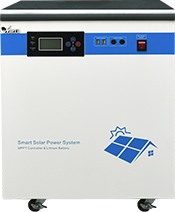


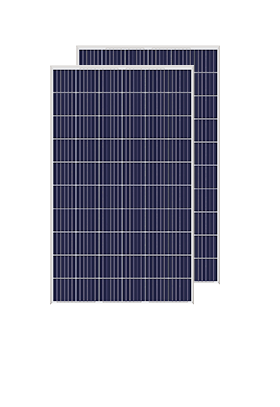



We have cooperated with more than 200 countries in solar energy projects and road lighting projects. We have exported products to many countries and participated in many important government projects around the world.




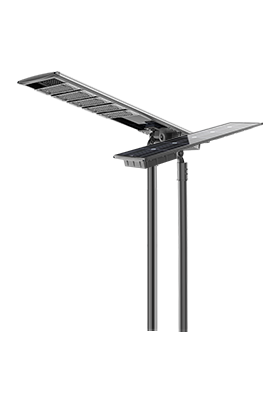


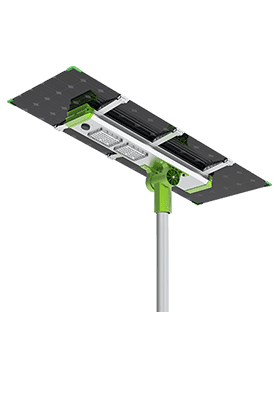
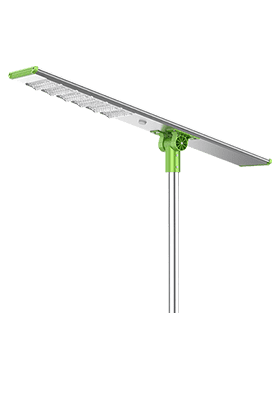
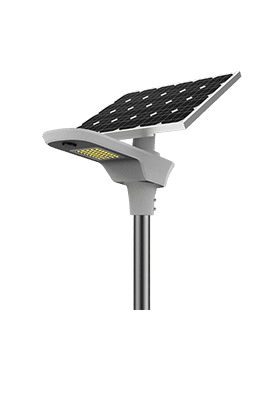


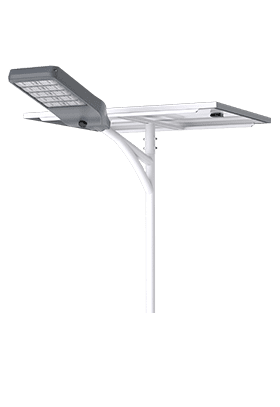
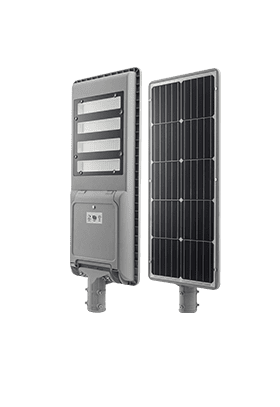
We have cooperated with more than 200 countries in solar energy projects and road lighting projects. We have exported products to many countries and participated in many important government projects around the world.

Anern has 17 years of experience in solar lighting and solar product manufacturing. Anern is headquartered in Guangzhou. With a production base of 30,000 square meters, our company has an R&D team of more than 100 people.
India has become one of the world's fastest-growing solar markets, driven by ambitious renewable energy targets, expanding rooftop solar adoption, and increasing investments in commercial and industrial (C&I) projects. As demand grows, so does the importance of ensuring that solar equipment meets recognized safety and quality requirements.
Among all photovoltaic components, the solar inverter is one of the most critical. It not only converts DC electricity into usable AC power but also manages energy flow, communicates with battery systems, protects electrical equipment, and ensures safe interaction with the utility grid. Choosing a certified inverter is therefore essential for system reliability, user safety, and long-term project performance.
For importers, EPC contractors, distributors, and project developers, understanding India's BIS certification framework and related IEC-based safety standards is an important part of procurement. This guide explains the certification landscape, highlights key verification steps, and outlines what buyers should look for when selecting a reliable inverter supplier such as Anern.
Solar inverters operate continuously under varying environmental and electrical conditions. Without appropriate testing and certification, poor-quality products may experience overheating, insulation failure, communication errors, or protection malfunctions.
Certification helps verify that an inverter has been evaluated for important performance characteristics, including:
Electrical safety
Protection against electric shock
Temperature rise and thermal management
Electromagnetic compatibility (EMC)
Grid interaction safety
Mechanical durability
Environmental reliability
Whether evaluating a single phase hybrid inverter for residential use or a commercial on off grid hybrid inverter, certified equipment reduces technical and financial risks throughout the product lifecycle.
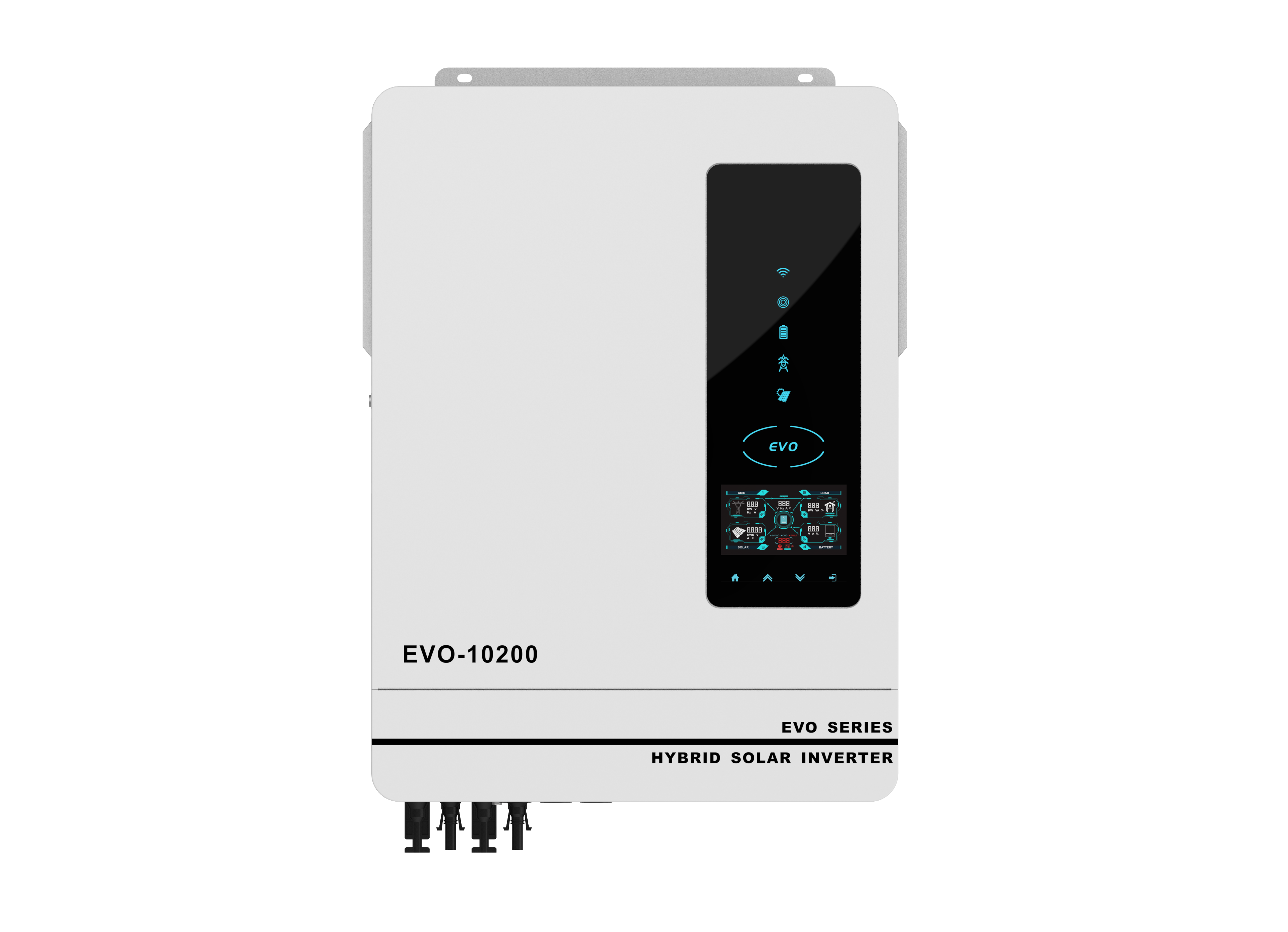
The Bureau of Indian Standards (BIS) is India's national standards body responsible for developing standards and administering product conformity programs.
For many electrical and electronic products sold in India, compliance with applicable BIS requirements is either mandatory or strongly expected by customers, project owners, and procurement organizations.
Solar inverter certification generally combines national regulatory requirements with internationally recognized IEC standards. Products intended for the Indian market should therefore be designed and tested to satisfy both local regulatory expectations and relevant international safety practices.
For overseas manufacturers, obtaining certification demonstrates a commitment to quality and facilitates smoother market entry.
Many technical requirements referenced in India are based on standards developed by the International Electrotechnical Commission (IEC).
IEC standards provide globally recognized guidelines covering inverter safety, performance, testing, and environmental protection.
Depending on product type and application, certification may evaluate areas such as:
Electrical insulation
Protective grounding
Overvoltage protection
Temperature performance
Short-circuit behavior
Electromagnetic emissions
Immunity to electrical disturbances
For buyers comparing products from different manufacturers, IEC-based testing provides a consistent benchmark for technical evaluation.
Modern hybrid inverters perform far more functions than traditional grid-tied inverters.
Many buyers researching hybrid inverter meaning are surprised to discover that today's products integrate several systems into one device.
A hybrid inverter typically manages:
Solar generation
Battery charging and discharging
Utility grid interaction
Backup power supply
Intelligent energy scheduling
System monitoring
Communication with battery management systems (BMS)
Because of these multiple operating modes, hybrid products undergo more comprehensive design verification than conventional photovoltaic inverters.
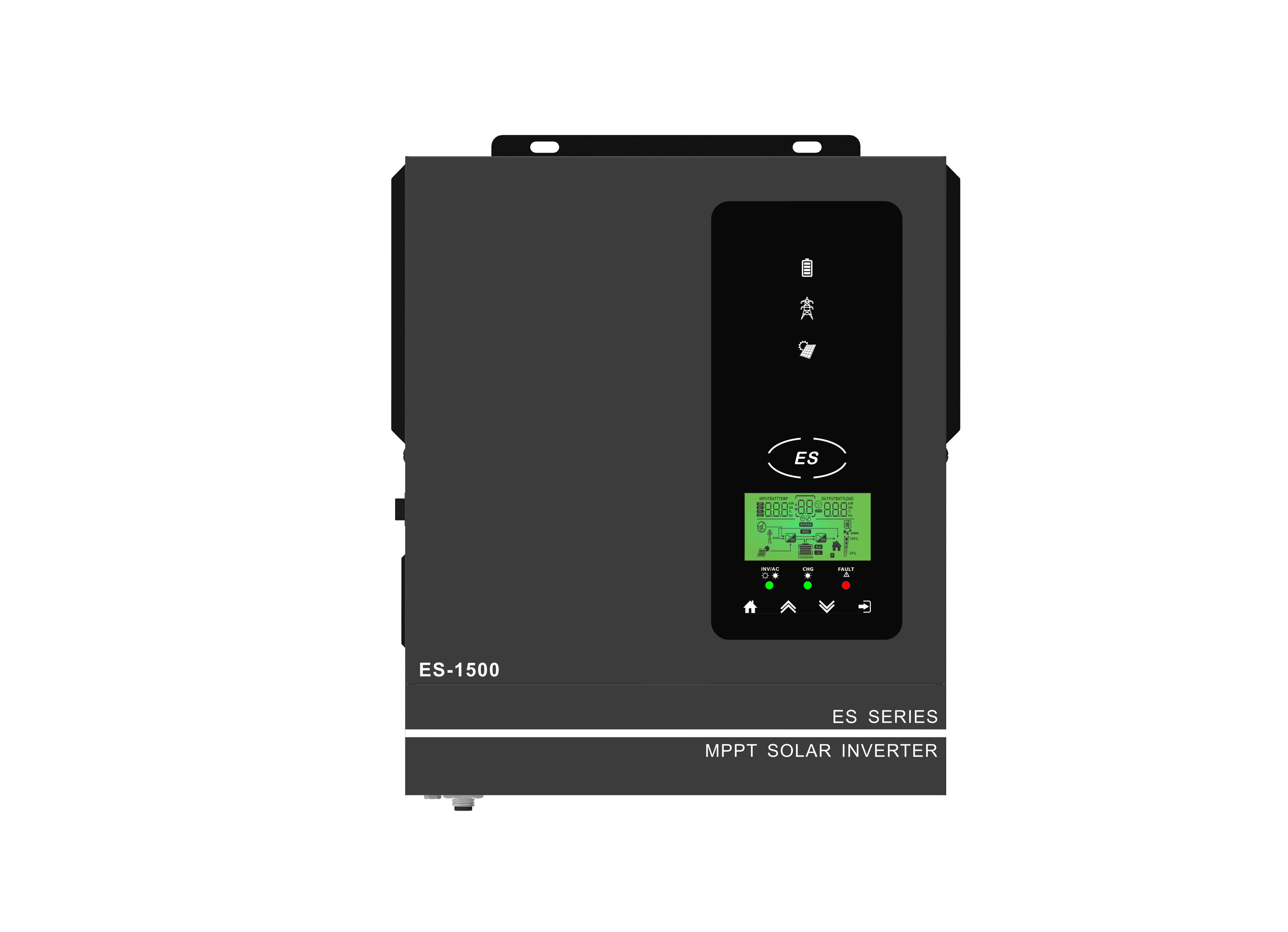
One of the most common questions among new buyers is how does a hybrid inverter work?
Unlike a conventional inverter that simply converts DC electricity into AC power, a hybrid inverter intelligently manages multiple energy sources simultaneously.
During daylight hours, solar panels generate electricity. The inverter first supplies power to connected loads before directing surplus energy to charge the battery. If the battery reaches full capacity, excess electricity may be exported to the utility grid where regulations permit.
At night or during cloudy conditions, stored battery energy powers connected appliances, reducing dependence on the utility network.
If battery capacity becomes insufficient, electricity is automatically imported from the grid.
This intelligent operating logic explains why searches such as how a hybrid inverter works continue increasing worldwide.
One major advantage of modern hybrid systems is flexibility.
Many customers assume battery storage is mandatory.
In reality, a hybrid inverter without battery can often operate like a conventional grid-connected inverter until storage is added later.
Similarly, a solar hybrid inverter without battery enables homeowners and businesses to begin with photovoltaic generation before expanding into energy storage when budgets or electricity pricing make it economically attractive.
This modular approach supports future system upgrades without replacing the inverter.
Certification confirms compliance with testing requirements, but buyers should also evaluate built-in protection functions.
Modern hybrid inverters should include features such as:
Overvoltage protection
Overcurrent protection
Short-circuit protection
Reverse polarity protection
Anti-islanding protection
Temperature monitoring
Ground fault detection
Surge protection
Battery communication safeguards
These functions contribute significantly to safe operation over many years.
Many first-time buyers confuse solar charge controllers with hybrid inverters.
Understanding charge controller vs inverter helps avoid specification errors.
A charge controller regulates the charging process between photovoltaic panels and batteries, preventing overcharging or excessive discharge.
An inverter converts DC electricity into AC electricity for household or commercial equipment.
Modern hybrid inverters integrate both functions into one intelligent device.
As a result, installation becomes simpler while communication between charging, battery management, and power conversion improves overall system efficiency.
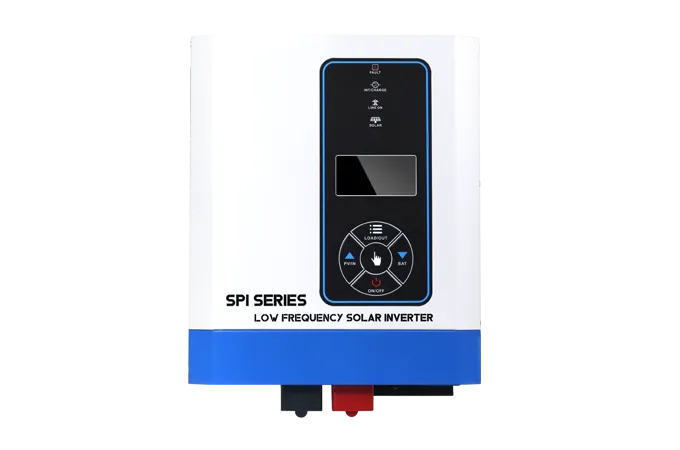
Today's hybrid inverters offer capabilities well beyond basic power conversion.
For example, hybrid inverter parallel connection allows multiple inverters to operate together, increasing system capacity while improving redundancy for larger residential or commercial installations.
A parallel solar inverter configuration also simplifies future expansion without requiring complete system replacement.
Other desirable features include:
Smart remote monitoring
Mobile application control
Wi-Fi and RS485 communication
Generator compatibility
Time-of-use scheduling
Automatic firmware upgrades
For projects requiring uninterrupted electricity, a solar hybrid UPS function can provide seamless backup power during utility outages.
Certification should be only one aspect of product evaluation.
Professional buyers should also consider:
Different projects require different inverter designs.
Residential systems often benefit from compact single phase hybrid inverter models, while commercial installations may require larger three-phase solutions.
Businesses planning future growth should evaluate scalability, including battery expansion and parallel operation.
A high efficiency inverter reduces energy losses throughout the system lifetime, improving return on investment.
A hybrid solar inverter with battery should support communication with modern lithium battery management systems to ensure safe charging and optimal performance.
Facilities requiring uninterrupted operation should consider a hybrid solar inverter with battery backup that supports essential loads during grid interruptions.
As certification requirements become increasingly rigorous, choosing an experienced manufacturer is just as important as selecting the correct product specifications.
A professional hybrid solar inverter factory should provide:
Products designed to recognized international standards
Comprehensive technical documentation
Reliable production quality
Long-term firmware support
Global after-sales service
Technical assistance for installers and distributors
Working with an established manufacturer helps reduce project risks while supporting long-term operational reliability.
As an international provider of solar energy solutions, Anern develops hybrid inverter products for residential, commercial, and industrial applications across multiple global markets.
Its product portfolio includes intelligent inverter solutions designed for flexible inverter application scenarios, including grid-connected systems, off-grid installations, and energy storage projects. Depending on customer requirements, solutions are available for battery-integrated systems, backup power applications, and scalable installations supporting hybrid inverter connection and parallel operation.
By emphasizing product quality, engineering innovation, and international compliance, Anern helps distributors and EPC partners select reliable inverter solutions suitable for evolving market requirements, including projects requiring IEC-based safety compliance and local certification support.
India's expanding solar market places increasing emphasis on product quality, electrical safety, and regulatory compliance. For importers, distributors, installers, and project developers, understanding BIS certification and IEC-based standards is essential when selecting solar inverters for residential, commercial, and industrial applications.
While certification provides confidence that a product has been tested against recognized safety requirements, buyers should also assess technical performance, battery compatibility, intelligent control functions, scalability, and manufacturer support. Features such as parallel operation, battery-ready architecture, high conversion efficiency, and advanced protection functions can significantly improve long-term system value.
By partnering with experienced manufacturers such as Anern, buyers can confidently source certified hybrid inverter solutions that combine regulatory compliance, dependable performance, and the flexibility needed for India's rapidly evolving renewable energy market.