EN
EN
 fr
fr  de
de  es
es  it
it  ru
ru  pt
pt  ar
ar  ms
ms  id
id 



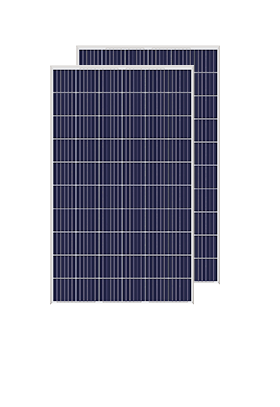


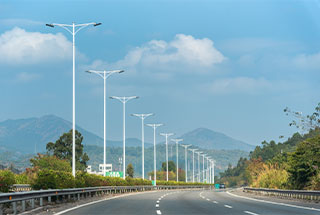
We have cooperated with more than 200 countries in solar energy projects and road lighting projects. We have exported products to many countries and participated in many important government projects around the world.




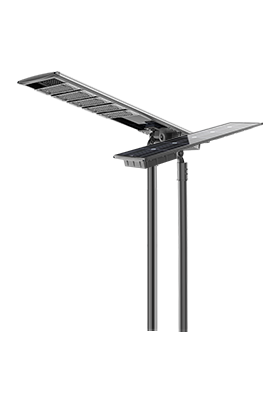


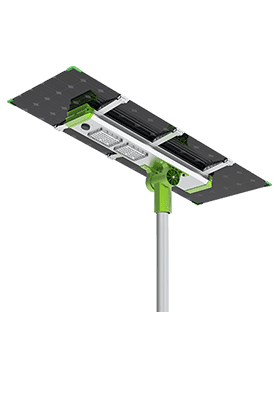
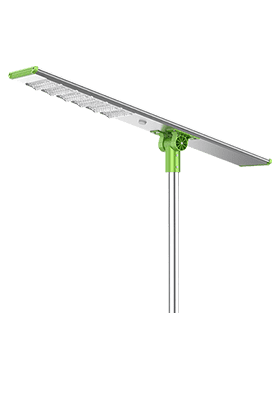
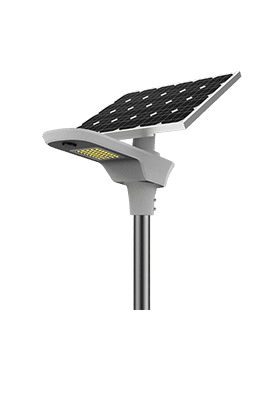


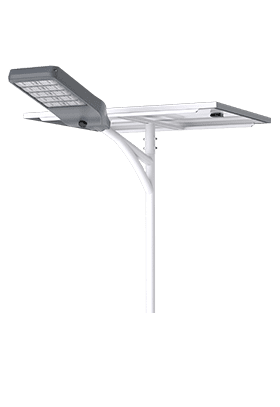
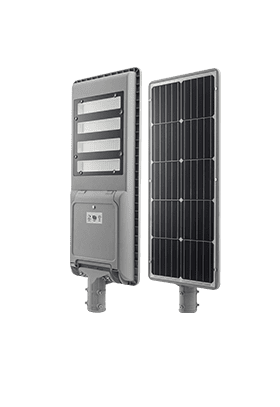
We have cooperated with more than 200 countries in solar energy projects and road lighting projects. We have exported products to many countries and participated in many important government projects around the world.

Anern has 17 years of experience in solar lighting and solar product manufacturing. Anern is headquartered in Guangzhou. With a production base of 30,000 square meters, our company has an R&D team of more than 100 people.
Solar lamps are now ubiquitous, from home landscapes and security lights to road signs and more. These solar lighting technologies used in homes are inexpensive and range from basic to high-end designs. These technologies also utilize the solar panel to charge batteries during the day and maintain daily electrical power during nighttime hours.
As the cost of solar panel continues to decrease and more people become aware of the economic and environmental benefits of solar energy, solar power is becoming increasingly accessible. Distributed solar PV systems are typically installed on the rooftops of homes or businesses. The solar panel can be connected to your solar power generation system, enabling you to use solar energy after the sun goes down to power electric cars overnight or provide backup power in emergency situations.
A solar charging treasure, the surface is a solar panel, and the bottom is connected to a battery. During the day, it uses the solar panel to charge the battery and can also directly charge mobile phones using solar energy. There are also solar folding packs, which are generally used with energy storage to solve the problem of difficult outdoor electricity use, as sunlight is everywhere.
Solar cars may be the future of transportation, with current applications including buses, personal cars, and more. The use of these solar cars is not yet widespread, unless you own an electric car or bike and use a solar battery panel to charge it.
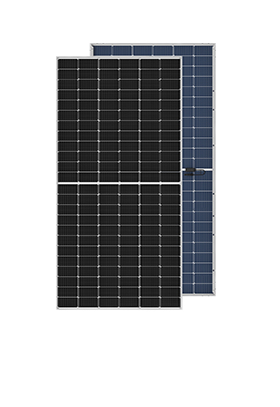
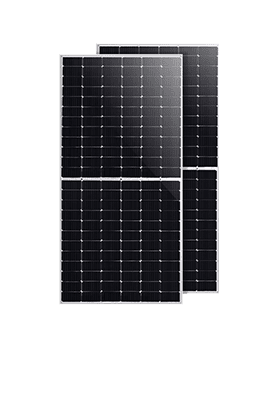
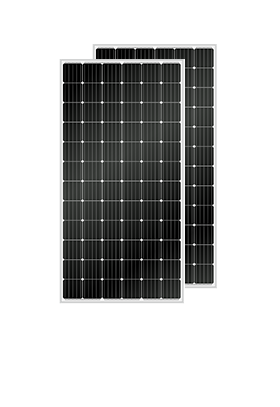
The main materials for making the solar panel are glass,EVA, batteries, back panels, aluminum alloys, and silicone, etc. Its tempered glass is used to maintain the generator, EVA is used to fix the tempered glass and the generator. The battery is used for generation, the back panel is used for sealing, insulation, and waterproofing. The aluminum alloy is mainly used to maintain the laminated components, and the silicone is mainly used for sealing to better seal the components and the aluminum alloy around it.
Do not install the solar panel in shaded areas such as trees or buildings, or close to open flames or flammable materials. The assembly structure should meet the environmental requirements and appropriate materials and corrosion-resistant treatments should be selected. The panels should be installed securely to prevent damage in case of falling from a height. Do not disassemble, bend, or hit the panels with hard objects, and avoid dangerous actions such as stepping on them.
Use spring and flat washers to securely fasten the solar panel to the bracket. The panel should be installed at an angle of approximately 30 degrees facing the sun, and the wiring of the panel should be installed appropriately according to the site environment and the state of the assembly structure.
Ensure that the positive and negative poles of the solar panel are correctly connected to the junction box, and the output circuit should be correctly connected to the equipment without short-circuiting the positive and negative poles. Ensure that there are no gaps between the joints and insulation joints, or it may produce sparks or electrical shock.
Check the lifting structure regularly for looseness, and tighten the components if necessary. Check the components, wires, ground lines, and plug connections.
Clean the surface of the panels regularly with a soft cloth. If it is necessary to replace the solar panel components (generally not needed for 25 years), choose components of the same model and type. Do not touch the cable joints with your hands, and use safety equipment (such as insulated gloves) if necessary.