EN
EN
 fr
fr  de
de  es
es  it
it  ru
ru  pt
pt  ar
ar  ms
ms  id
id 

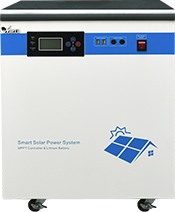


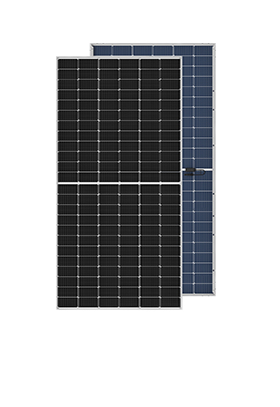
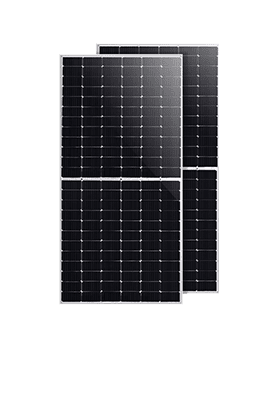
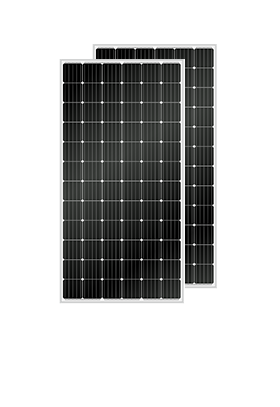
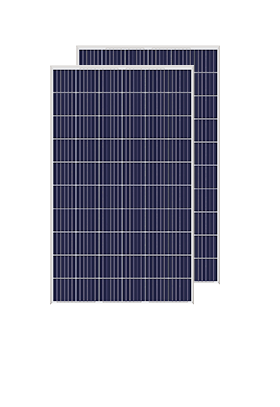


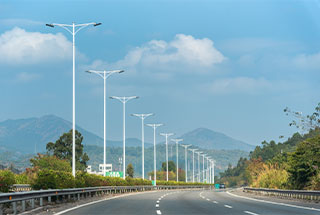
We have cooperated with more than 200 countries in solar energy projects and road lighting projects. We have exported products to many countries and participated in many important government projects around the world.




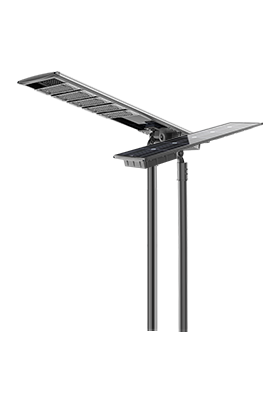


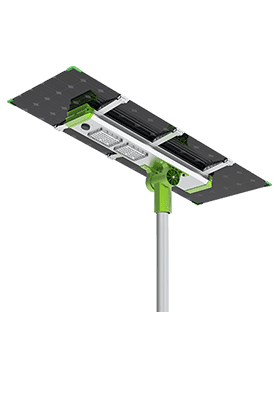
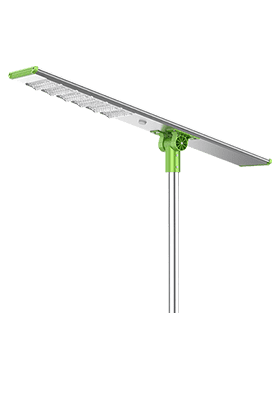
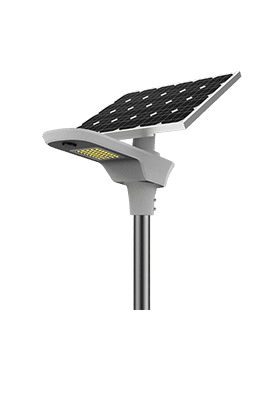


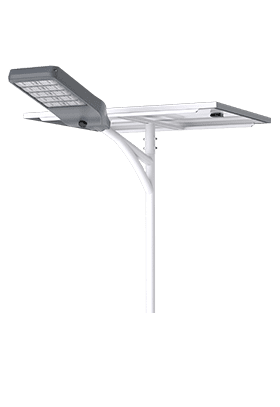
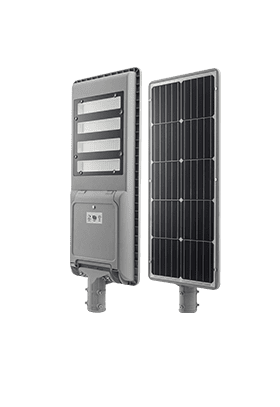
We have cooperated with more than 200 countries in solar energy projects and road lighting projects. We have exported products to many countries and participated in many important government projects around the world.

Anern has 17 years of experience in solar lighting and solar product manufacturing. Anern is headquartered in Guangzhou. With a production base of 30,000 square meters, our company has an R&D team of more than 100 people.
The rapid growth of renewable energy has transformed the role of solar inverters. What was once considered a simple device for converting DC electricity into AC power has evolved into an intelligent energy management platform capable of stabilizing power systems, coordinating with battery storage, and supporting increasingly complex electrical grids.
One of the biggest technology trends in modern photovoltaic systems is the emergence of grid-forming and grid-following inverter technologies. While both perform the essential function of power conversion, they behave very differently during normal operation and grid disturbances. Understanding these differences helps distributors, EPC contractors, commercial project developers, and system integrators select equipment that matches current project requirements while preparing for future energy networks.
As a professional solar inverter company, Anern continuously follows these technological developments to provide reliable inverter solutions for residential, commercial, and industrial applications worldwide.
Traditional photovoltaic systems relied heavily on utility grids to maintain voltage and frequency stability. Solar inverters simply synchronized with existing grid conditions before injecting power.
However, today's energy landscape looks very different.
Across many countries, renewable energy penetration continues to rise, while battery energy storage systems become increasingly common. Large power stations, microgrids, industrial facilities, and even residential homes are expected to operate more independently.
This shift requires inverters that do far more than convert electricity. Modern products must:
Regulate voltage
Maintain frequency stability
Coordinate battery charging and discharging
Support black start capability
Improve system resilience
Communicate with intelligent energy management systems
These new requirements explain why grid-forming technology has attracted significant industry attention.
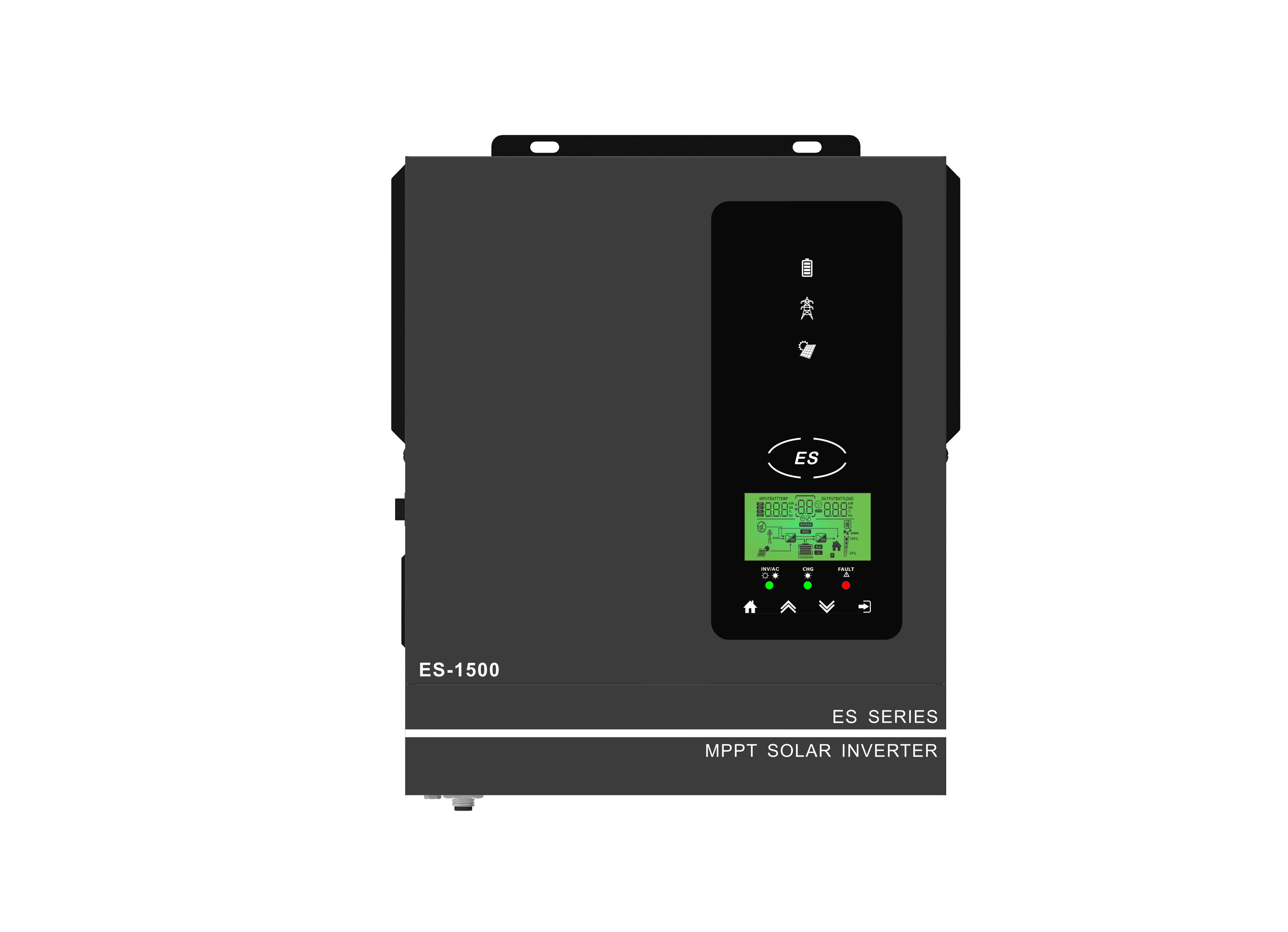
Grid-following inverters represent the most widely deployed inverter technology today.
As their name suggests, these inverters require an existing electrical grid reference before operating. They continuously monitor the utility grid's voltage and frequency, synchronize with those parameters, and then inject generated solar power into the network.
This operating principle makes them highly efficient and cost-effective for conventional grid-connected photovoltaic systems.
Grid-following inverters offer several benefits:
Mature and proven technology
High conversion efficiency
Lower installation cost
Fast synchronization
Excellent compatibility with existing utility networks
These characteristics explain why most residential rooftop systems and commercial PV installations continue to rely on this architecture.
Many projects seeking competitive ups solar inverter price comparisons or evaluating standard grid-connected systems often select grid-following products because they deliver excellent value while meeting local utility requirements.
Despite their popularity, grid-following inverters have one important limitation—they cannot establish an electrical grid independently.
If the utility grid experiences a blackout, standard grid-following inverters typically disconnect for safety reasons.
Without an external voltage reference, they cannot continue operating even if solar panels are producing sufficient energy.
As renewable penetration increases, this dependency presents new challenges for grid operators attempting to maintain stable electrical networks with fewer conventional power plants providing system inertia.
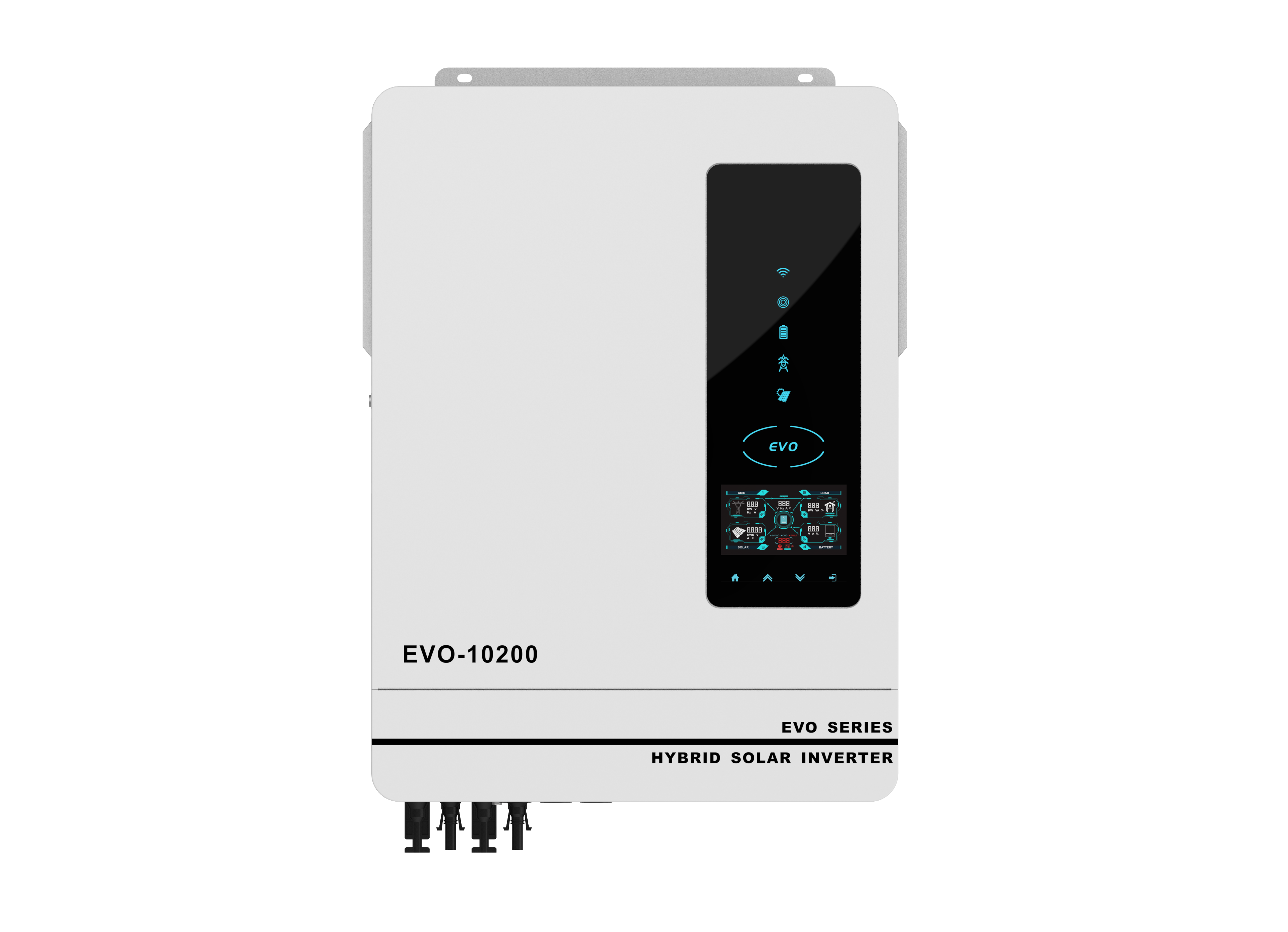
Grid-forming inverters represent the next evolution in power electronics.
Instead of following an existing grid, these advanced devices create their own stable voltage and frequency reference. In other words, they behave more like traditional generators.
This capability allows them to establish and regulate local electrical networks, especially when paired with battery storage systems.
Rather than waiting for the utility grid to provide synchronization signals, grid-forming inverters actively determine system operating conditions.
This creates several new possibilities:
Island operation
Black start capability
Microgrid formation
Enhanced voltage regulation
Frequency stabilization
Improved renewable integration
As more distributed energy resources enter power systems, grid-forming technology is expected to play an increasingly important role.
Feature | Grid-Following | Grid-Forming |
Grid reference required | Yes | No |
Can operate during blackout | Usually No | Yes (with storage) |
Creates voltage reference | No | Yes |
Supports island mode | Limited | Excellent |
Frequency regulation | Passive | Active |
Grid stability contribution | Moderate | High |
Best applications | Standard grid-connected PV | Microgrids, ESS, resilient power systems |
Both technologies remain valuable because they address different project requirements rather than replacing one another entirely.
Battery energy storage has accelerated the adoption of grid-forming technology.
Energy storage systems provide the fast-response power necessary for maintaining voltage and frequency during rapid load changes.
As commercial and industrial users increasingly install hybrid solar systems, intelligent inverter control becomes essential.
For this reason, many organizations searching for a reliable hybrid inverter manufacturer now evaluate not only inverter efficiency but also advanced control algorithms, communication protocols, and future software upgrade capabilities.
Manufacturers investing in digital control technologies will be better positioned as electrical grids continue evolving.
Although conventional photovoltaic projects still rely heavily on grid-following technology, several applications already benefit from grid-forming solutions.
Factories, warehouses, hospitals, and data centers often require uninterrupted power during grid disturbances.
Grid-forming inverters combined with battery storage can maintain critical loads even during utility outages.
Off-grid villages and isolated facilities frequently depend on microgrids powered by solar energy.
Grid-forming technology allows these systems to operate independently without requiring diesel generators to provide frequency reference.
Large-scale solar farms increasingly contribute to overall grid stability.
Future utility requirements may require inverter-based resources to provide synthetic inertia, voltage support, and frequency regulation—functions closely associated with grid-forming designs.
Projects combining solar, batteries, diesel generators, and wind turbines require sophisticated energy coordination.
Leading hybrid solar inverter suppliers continue expanding their control capabilities to support these increasingly complex installations.
There is no universal answer regarding which technology is "better."
Instead, buyers should evaluate several project factors.
If the local utility network is stable, conventional grid-following inverters often provide an economical solution.
Projects requiring backup power or island operation benefit significantly from grid-forming capabilities.
Battery storage dramatically increases the value of advanced inverter control strategies.
Selecting equipment with flexible communication protocols helps accommodate future energy management upgrades.
Professional solar inverter suppliers typically recommend solutions based on complete system requirements rather than inverter specifications alone.
As inverter technology becomes increasingly software-driven, selecting the right manufacturing partner becomes just as important as choosing technical specifications.
A reliable inverter manufacturer should provide:
International safety certifications
Stable product quality
Long-term firmware support
Technical documentation
Global after-sales service
OEM and ODM capabilities
Professional engineering assistance
These factors become especially valuable for distributors managing multiple international projects.
Companies seeking dependable solar inverter wholesale solutions increasingly prioritize long-term technical support instead of focusing solely on initial purchase cost.
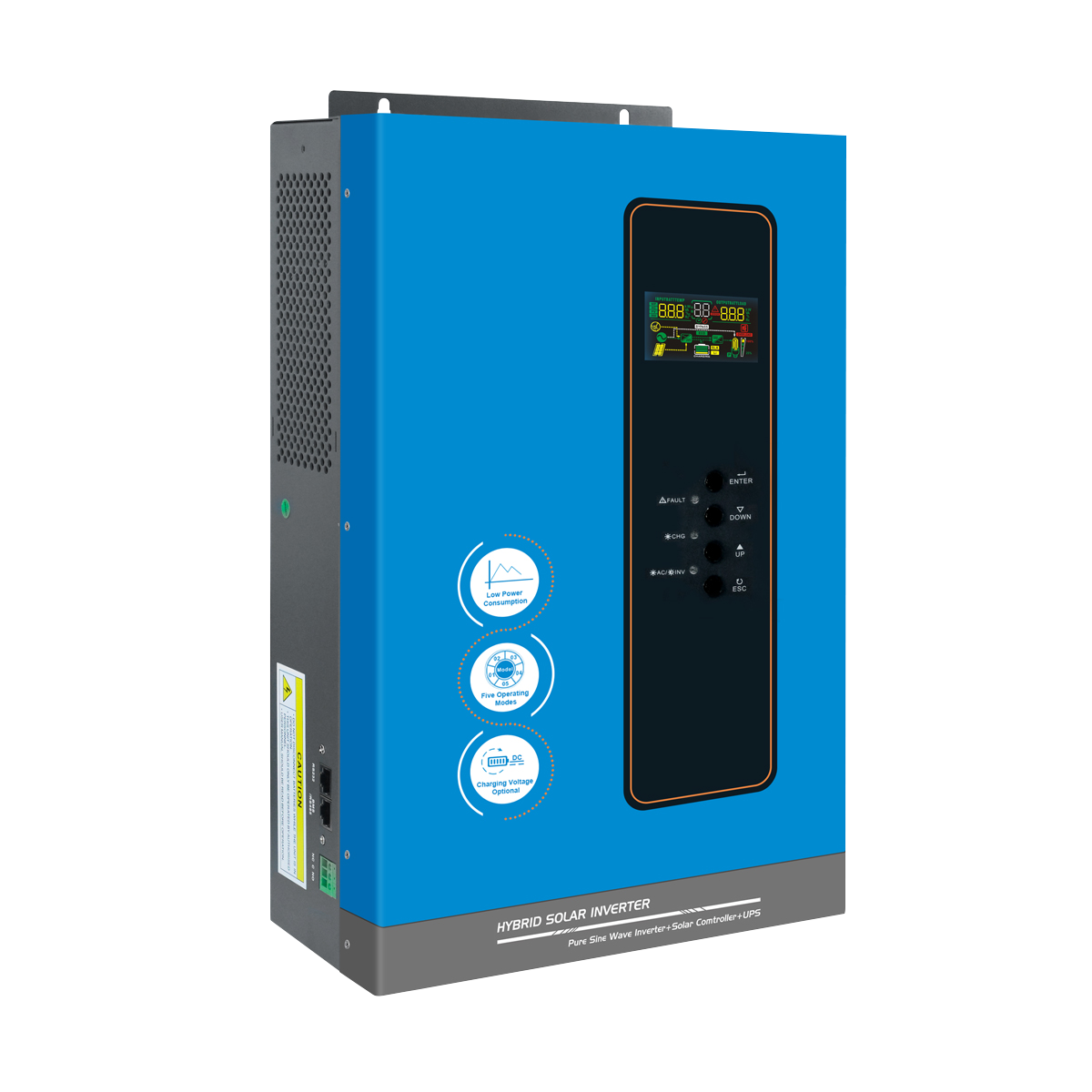
As a trusted solar inverter supplier, Anern designs inverter solutions that balance efficiency, reliability, and intelligent energy management.
Its product portfolio includes off-grid, hybrid, and commercial inverter solutions suitable for residential, commercial, agricultural, and industrial applications. As renewable technologies continue evolving, Anern emphasizes continuous innovation in inverter control, battery compatibility, and smart monitoring systems.
For international distributors looking for China hybrid solar inverter solutions, Anern combines manufacturing experience with comprehensive technical support, helping partners adapt to changing market demands while maintaining dependable system performance.
In addition to advanced products, the company also supports OEM and ODM cooperation, making it an attractive solar inverter factory for businesses seeking customized branding and scalable production.
Grid-forming technology is unlikely to replace grid-following inverters overnight.
Instead, both architectures will coexist for many years.
Grid-following products will continue serving millions of residential and commercial installations, while grid-forming technology gradually expands into battery storage, microgrids, utility-scale renewable projects, and resilient energy infrastructure.
For buyers evaluating future investments, understanding these technological differences helps ensure systems remain compatible with evolving electrical networks.
Whether purchasing through solar inverter wholesale suppliers or selecting a long-term engineering partner, choosing a manufacturer that actively invests in intelligent inverter technology provides greater confidence for future energy projects.
As renewable energy continues reshaping global electricity systems, innovations from experienced companies such as Anern will help customers navigate the transition toward smarter, cleaner, and more resilient power solutions.