EN
EN
 fr
fr  de
de  es
es  it
it  ru
ru  pt
pt  ar
ar  ms
ms  id
id 



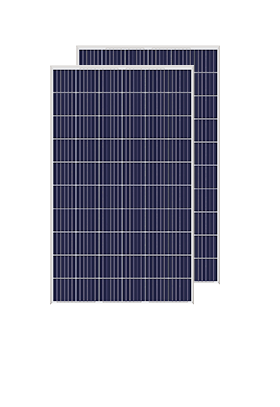


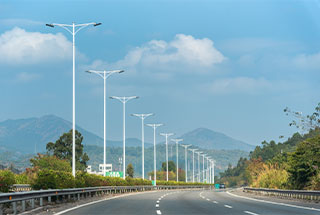
We have cooperated with more than 200 countries in solar energy projects and road lighting projects. We have exported products to many countries and participated in many important government projects around the world.




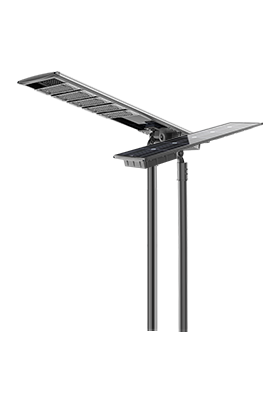


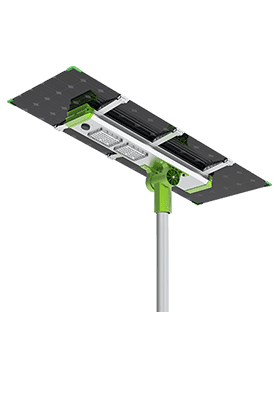
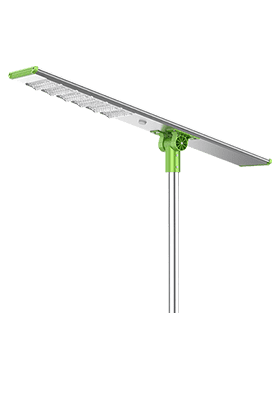
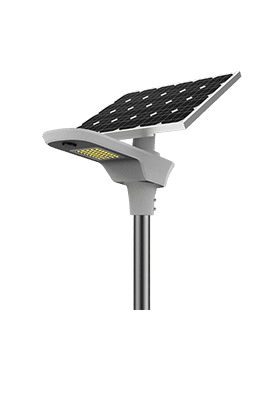


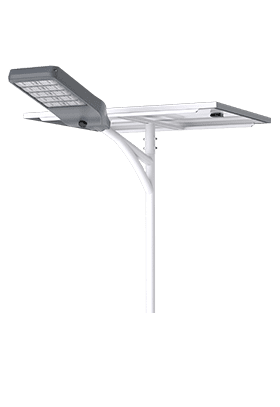
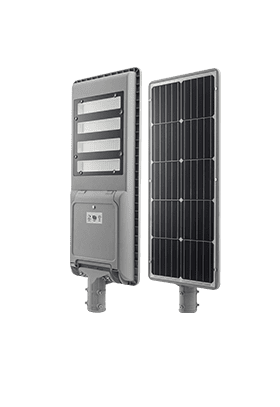
We have cooperated with more than 200 countries in solar energy projects and road lighting projects. We have exported products to many countries and participated in many important government projects around the world.

Anern has 17 years of experience in solar lighting and solar product manufacturing. Anern is headquartered in Guangzhou. With a production base of 30,000 square meters, our company has an R&D team of more than 100 people.
Summary
The lifespan of a smart hybrid inverter typically ranges from 10 to 15 years, depending on component quality, thermal management, system design, and installation conditions. Key factors that affect inverter lifespan include electrolytic capacitor durability, operating temperature, relay switching frequency, environmental conditions, and protection design. Proper installation and high-quality engineering can significantly extend inverter service life and ensure stable solar power system operation.
Introduction
In a solar power system, the inverter is the core component responsible for converting DC electricity from solar panels or batteries into usable AC power. Because the inverter operates continuously, its lifespan directly determines the long-term reliability and efficiency of the entire power station.
Many system owners ask:
How long does a hybrid inverter last?
What components determine inverter lifespan?
How can installation conditions affect inverter durability?
This article analyzes the key factors affecting the lifespan of a smart hybrid solar inverter, including component durability, system design, and installation environment.
| Factor | Impact on Inverter Lifespan |
| Electrolytic Capacitors | Main lifespan limitation in most inverter designs |
| Operating Temperature | Every 10°C increase significantly reduces component life |
| Cooling System Design | Effective heat dissipation improves reliability |
| Electrical Protection | Prevents failures caused by grid instability |
| Installation Environment | Heat, humidity, and sunlight can accelerate aging |
Inverters function similarly to switching power supplies, and their internal structure consists of multiple electronic components that work together to regulate voltage, current, and power conversion.
Typical inverter components include:
Resistors
Capacitors
Diodes
Power semiconductor devices (IGBT or MOSFET)
Inductors
Transformers
Current sensors
Integrated circuits (ICs)
Optocouplers
Relays
Each component has its own expected service life.
Most internal components are designed to last 20 years or more, including:
Resistors
Surface-mounted capacitors
Ceramic capacitors
Inductors
Transformers
These components typically remain functional as long as operating temperature limits are not exceeded.
Small signal diodes and transistors can operate for over 100,000 hours, which is more than sufficient for typical inverter lifetimes.
Relays and other switching components have mechanical and electrical lifespans:
Mechanical lifespan: over 1 million switching cycles
Electrical lifespan: typically 10,000 or more switching operations
Power semiconductors such as IGBTs or MOSFETs are critical for power conversion. Under proper thermal conditions and within design specifications, these components generally do not limit the inverter’s service life.
The main lifespan limitation in most inverters is the electrolytic capacitor.
Typical specifications:
2,000–3,000 hours at 105°C
High-grade capacitors may reach 5,000–6,000 hours
However, capacitor lifespan follows a temperature rule:
For every 10°C decrease in temperature, the lifespan roughly doubles.
Because of this relationship, thermal management is critical to inverter longevity.
While component quality is important, engineering design plays an even larger role in determining inverter lifespan.
Poor thermal design or inadequate protection may not be visible during early operation but can significantly shorten service life.
Temperature is the most critical factor influencing inverter reliability.
Key temperature-sensitive components include:
Electrolytic capacitors
Optocouplers
Power semiconductors
If internal temperatures rise excessively:
Electrolytic capacitor life drops dramatically
Optocoupler light degradation accelerates
Power devices may fail prematurely
Therefore, professional inverter designs include:
Advanced cooling systems
Optimized heat dissipation structures
Intelligent fan control
Relays perform best when switching near zero current conditions.
Although relays may reach one million cycles under ideal conditions, switching high currents significantly reduces their lifespan.
High-quality inverters use precise software algorithms to control switching timing and minimize electrical stress.
Solar inverters often operate in complex electrical environments where external interference can occur.
Potential risks include:
Grid voltage fluctuations
Inductive load interference
Electromagnetic disturbances
Without proper EMC design and protection mechanisms, disturbances may affect the IGBT driver circuit, leading to incorrect switching and potential system failure.
Robust inverter designs therefore include:
Grid protection systems
EMC shielding
Fault detection and shutdown mechanisms
Even when inverter hardware and design are high quality, installation conditions can still influence service life.
Most modern string inverters feature IP65 protection (IP 65 Inverter), allowing both indoor and outdoor installation. However, environmental conditions still matter.
Improper installation environments may include:
Direct sunlight exposure
High ambient temperatures
High humidity levels
Corrosive environments (acidic or alkaline air)
Poor ventilation
Direct sunlight is particularly harmful because it can cause:
Internal overheating
Power derating
Reduced energy generation
To maximize inverter lifespan, installers should:
Install the inverter in shaded locations
Ensure adequate airflow and ventilation
Avoid high-temperature environments
Protect the inverter from corrosive conditions
Proper installation significantly improves system reliability and operational lifespan. (To know more solar inverter installation guide.
Under normal operating conditions and with high-quality engineering, most hybrid inverters can operate reliably for:
10–15 years or longer
The actual lifespan depends on:
Component quality
Thermal design
Installation environment
Operating load conditions
When these factors are optimized, inverters can maintain stable and efficient performance throughout the life cycle of a solar power system.
Most hybrid solar inverters have a lifespan of 10 to 15 years, depending on component quality, thermal management, and operating conditions.
Electrolytic capacitors usually determine the lifespan of many inverters because their durability decreases rapidly at high temperatures.
Yes. Temperature is one of the most important factors affecting inverter durability. A 10°C increase in temperature can significantly shorten component life.
Yes. Installing an inverter in direct sunlight, humid environments, or poorly ventilated areas can reduce its service life.
To extend inverter lifespan:
Use high-quality equipment
Install the inverter in a shaded, ventilated area
Ensure proper thermal management
Avoid excessive electrical loads
Leading solar inverter manufacturers continuously improve inverter durability through better thermal design, higher-grade components, and advanced protection systems.
For example, companies such as Huawei, SMA Solar Technology, Growatt, and Anern focus on improving the reliability of hybrid inverters by optimizing component selection and system architecture.
Many modern inverter designs now include:
Intelligent thermal management systems
Advanced EMC protection
High-efficiency power conversion technologies
Improved capacitor lifespan management
These innovations help modern hybrid inverters maintain stable operation for 10–15 years or longer in real-world solar energy systems.
The lifespan of a smart hybrid inverter depends on a combination of component quality, engineering design, and installation conditions. While most modern inverters are designed to operate reliably for over a decade, proper thermal management, protection design, and installation practices are essential to achieving maximum durability.
By selecting a well-engineered inverter and installing it in an optimal environment, solar system owners can ensure stable operation and long-term energy production.