EN
EN
 fr
fr  de
de  es
es  it
it  ru
ru  pt
pt  ar
ar  id
id  ms
ms  uk
uk 

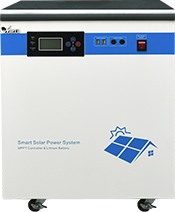


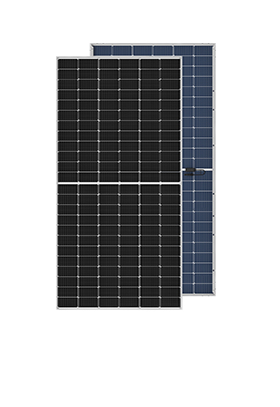
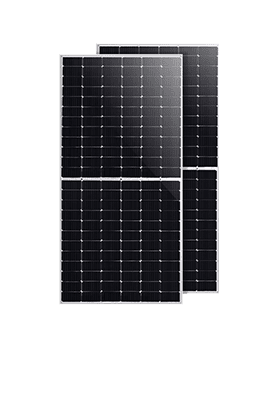
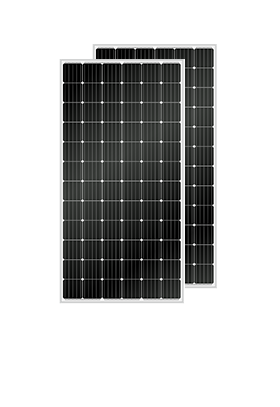
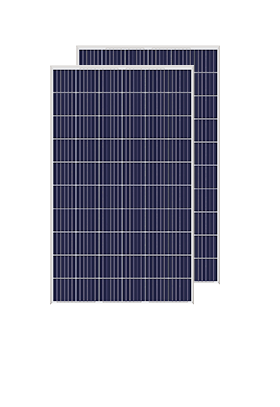


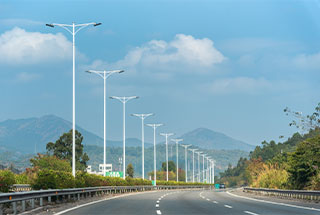
We have cooperated with more than 200 countries in solar energy projects and road lighting projects. We have exported products to many countries and participated in many important government projects around the world.




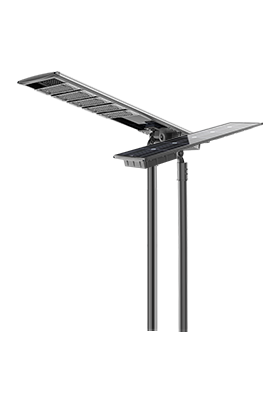


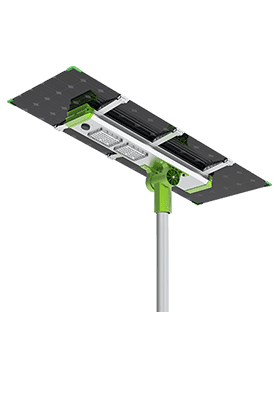
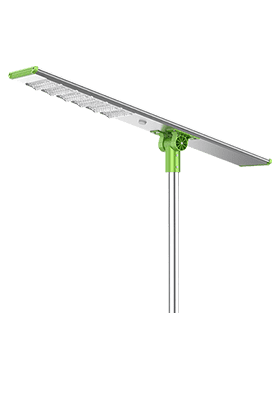
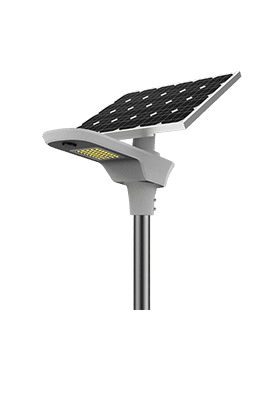


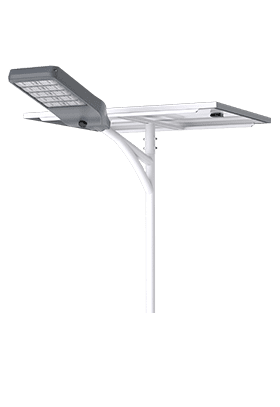
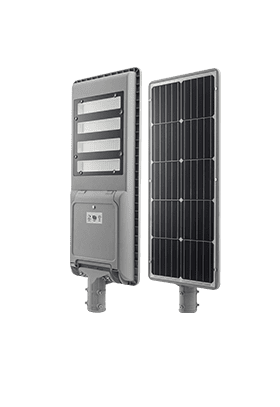
We have cooperated with more than 200 countries in solar energy projects and road lighting projects. We have exported products to many countries and participated in many important government projects around the world.

Anern has 17 years of experience in solar lighting and solar product manufacturing. Anern is headquartered in Guangzhou. With a production base of 30,000 square meters, our company has an R&D team of more than 100 people.
The Chinese government has revealed that the nation's solar glass capacity has reached 64,000 metric tons per day, while State Grid Corp. of China has announced plans to allocate CNY 26.07 billion ($4.3 billion) for solar incentives.
China's Ministry of Industry and Information Technology has revealed that the country's solar glass capacity reached 64,000 metric tons (MT) per day across 348 production lines from 38 companies at the end of June. It also revealed that 313 production lines with a combined capacity of 59,000 MT are currently operational. In the first half of the year, the average price of solar glass with thicknesses of 2 mm and 3.2 mm were CNY 20.9 ($0.31) and CNY 27.1 per square meter, respectively. In the first half of 2022, 2 mm and 3.2 mm prices decreased by 21.3% and 15.3%, respectively. But in June, prices for both glass types were CNY 22.1 and CNY 28.4 per square meter, for a respective year-on-year increase of 18.9% and 35.7%.