EN
EN
 fr
fr  de
de  es
es  it
it  ru
ru  pt
pt  ar
ar  id
id  ms
ms  uk
uk 

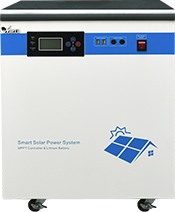


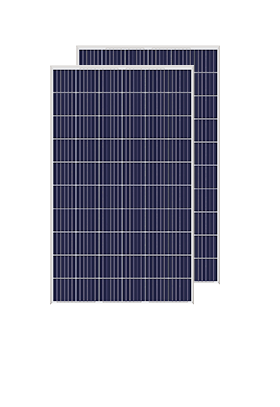



We have cooperated with more than 200 countries in solar energy projects and road lighting projects. We have exported products to many countries and participated in many important government projects around the world.




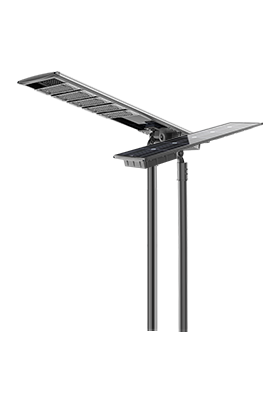


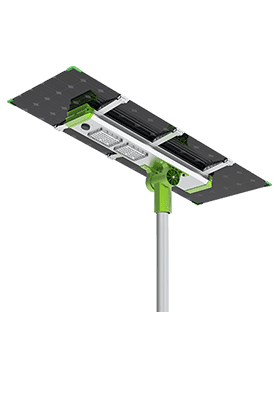
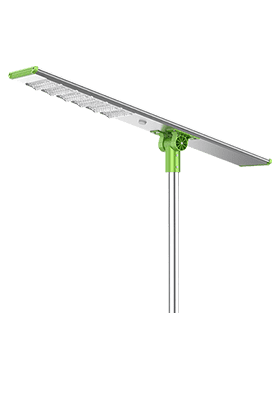
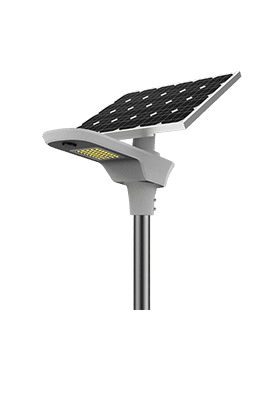


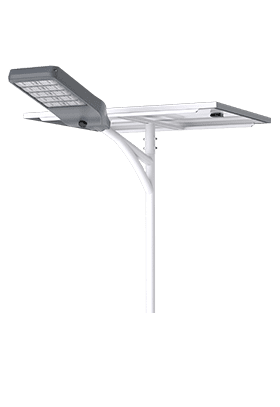
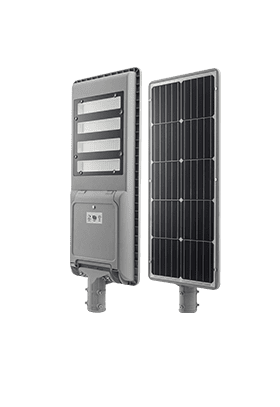
We have cooperated with more than 200 countries in solar energy projects and road lighting projects. We have exported products to many countries and participated in many important government projects around the world.

Anern has 17 years of experience in solar lighting and solar product manufacturing. Anern is headquartered in Guangzhou. With a production base of 30,000 square meters, our company has an R&D team of more than 100 people.
Solar energy is transforming how homeowners and businesses generate clean, reliable power. At the heart of every solar panel system lies a critical component: the solar inverter. Without it, the electricity produced by your panels would be unusable for most household needs. This comprehensive guide explores what a solar inverter is, how does a solar inverter work, and essential considerations for optimizing your solar setup, drawing from industry leaders like Anern, EnergySage, Sunrun, EcoFlow, and Palmetto.
Whether you're installing a new system or upgrading an existing one, understanding inverters helps maximize efficiency, ensure battery compatibility, and achieve long-term savings.
A solar inverter is an electronic device that converts the direct current (DC) electricity generated by solar panels into alternating current (AC) electricity—the standard form used by household appliances, lighting, and the electrical grid.
Solar panels use the photovoltaic effect: sunlight knocks electrons loose in silicon cells, creating a flow of DC electricity (one-directional, constant voltage). However, homes and grids operate on AC (which alternates direction rapidly, typically at 50/60 Hz). The inverter bridges this gap.
The conversion process involves:
1. DC electricity from panels flows through wiring to the inverter.
2. Inside, transistors and diodes switch the DC rapidly on and off, creating an alternating waveform.
3. A transformer adjusts voltage levels, and advanced inverters produce a clean "pure sine wave" AC output, safe for sensitive electronics.
4. The AC power then feeds your home's electrical panel, excess goes to the grid (grid-tied systems), or charges batteries (hybrid/off-grid).
Modern inverters also perform MPPT solar inverter to optimize output under varying sunlight, monitor performance via apps, and provide safety features like automatic shutdown during faults.
Anern offers a range of inverters, including off-grid, hybrid, IP65-rated, and low-frequency models suitable for residential and commercial use, often paired with their lithium batteries and solar panels. Like off grid solar inverter and IP65 hybrid solar inverter.
Different types of solar inverters vary significantly in design, performance, and application. Here is a comparison table of common specifications and types:
Type | Pros | Cons | Best For | Efficiency | Approx. Cost |
String (Central) | Affordable, simple, reliable | Shading affects whole string | Simple roofs, low shade | 97-98% | Lowest |
Microinverters | Panel-level optimization, shading tolerant | Higher cost, more units | Complex/shaded roofs | 95-97% | Highest |
Power Optimizers + String | Good optimization, cost-effective | Extra components | Moderate shading | 97-99% | Medium |
Hybrid | Battery integration, backup | Higher upfront | Energy independence | 96-98% | Medium-High |
Inverter choice and operation significantly impact overall system efficiency. High-quality inverters achieve 97-99% conversion efficiency, minimizing energy loss as heat.
Key strategies:
MPPT technology: Tracks the optimal voltage/current from panels. Multiple MPPT inputs handle different panel orientations or shading, achieving better proformance of MPPT inverter.
Pair with power optimizers or microinverters: These mitigate shading losses better than basic string inverters.
Smart features: Monitor real-time production and adjust for weather or load. Apps from manufacturers like Anern or EcoFlow provide insights.
Proper sizing: Avoid oversizing or undersizing. "Clipping" occurs when panels produce more than the inverter's rated capacity, but slight oversizing (e.g., DC/AC ratio of 1.1-1.3) is common for optimal performance.
Regular cleaning of panels and ensuring good airflow around the inverter also boost efficiency. Upgrading to a newer inverter can improve panel output by 5-20% in challenging conditions.
Hybrid systems increasingly pair solar with batteries for energy independence. Not all inverters are battery-ready—battery compatibility is crucial.
Considerations:
DC-coupled vs. AC-coupled: DC-coupled charges batteries directly (higher efficiency); AC-coupled uses the inverter for conversion.
Voltage and chemistry: Match inverter battery voltage (e.g., 24V, 48V) and support for lithium (LiFePO4 preferred for longevity) or lead-acid. Anern's wall mounted lithium battery and lithium battery rack integrate well with their hybrid inverters.
Hybrid inverters: Manage solar, battery, grid, and loads seamlessly. They enable backup power during outages.
Capacity and scalability: Ensure the inverter supports your battery bank's charge/discharge rates.
Incompatible setups risk reduced efficiency, warranty voids, or damage. Consult specs and professionals for integration.
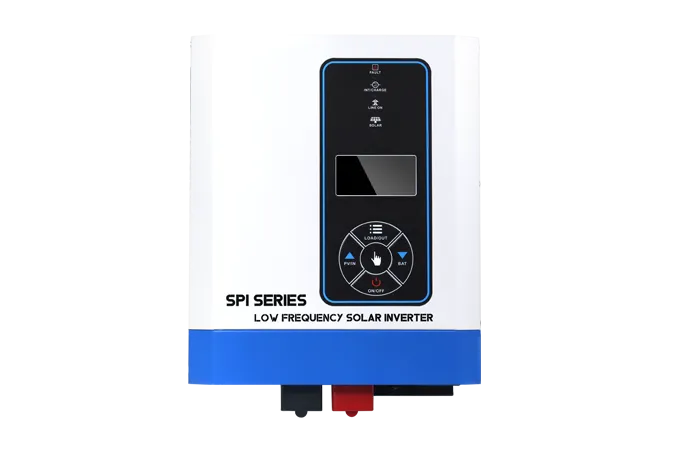
Proper inverter sizing balances cost, performance, and future needs. Key metrics include input DC capacity, output AC power (kW/kVA), and surge capacity for motor starts.
Practical applications:
Residential: 3-10 kW string or hybrid inverters for typical homes.
Commercial: Larger central or multi-string setups (10+ kW).
Off-grid: Paired with substantial battery storage and charge controllers.
Portable/hybrid: EcoFlow-style integrated solutions for mobility.
Use manufacturer calculators (Anern offers inverter and system size tools) and factor in location, roof complexity, and load profile.
Professional installation ensures safety and performance. Key installation requirements include:
Location: Cool, dry, ventilated area (often near the main panel). Avoid direct sun/rain unless IP65-rated (like many Anern models).
Wiring and grounding: Proper DC/AC cabling, rapid shutdown devices, and grounding per local codes.
Permits and grid compliance: Anti-islanding protection for grid-tied systems.
Mounting: Secure brackets; maintain clearance for heat dissipation.
Integration: Connect to panels, batteries, and monitoring systems.
Follow manufacturer guides (e.g., Anern's installation resources) and hire certified installers. Incorrect setup can void warranties or create hazards.
Solar inverters are low-maintenance but require attention for longevity (typically 10-25 years).
Routine maintenance:
Visual inspections for dust, debris, or damage.
Monitor performance via apps; clean vents/fans.
Firmware updates for smart features.
Annual professional check.
Common troubleshooting:
No output: Check connections, breakers, or DC input.
Error codes: Refer to manual (overvoltage, ground faults).
Reduced efficiency: Shading, dirty panels, or overheating.
For backup generators in hybrid setups, follow the 20-20-20 rule for generators: Run the generator for 20 minutes every 20 days at 20% load to keep components lubricated, prevent fuel issues, and ensure readiness. Alternatively, the safety version includes keeping it 20 feet away from structures, allowing 20 minutes cooldown before refueling, and using a $20 CO detector.
Anern provides dedicated maintenance resources for their inverters.
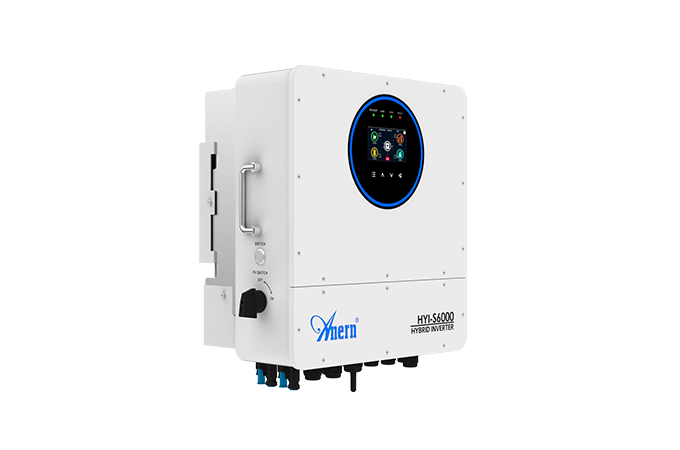
Evaluate based on system type (grid-tied, off-grid, hybrid), budget, roof conditions, and future expansion. Prioritize efficiency, warranty (often 10-25 years), monitoring, and certifications.
ROI Calculation (as referenced in project planning):
Payback Period = Net System Cost / Annual Savings
ROI (%) = (Net Profit / Total Investment Cost) × 100
Factors like net metering, incentives, and energy rates affect returns. High-quality inverters from brands like Anern accelerate payback by maximizing production.