EN
EN
 fr
fr  de
de  es
es  it
it  ru
ru  pt
pt  ar
ar  ms
ms  id
id 

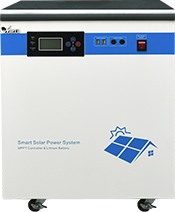


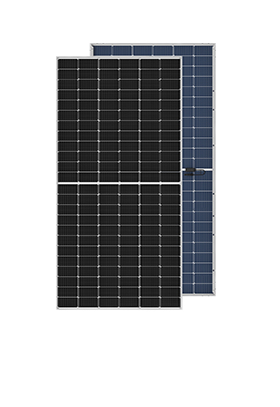
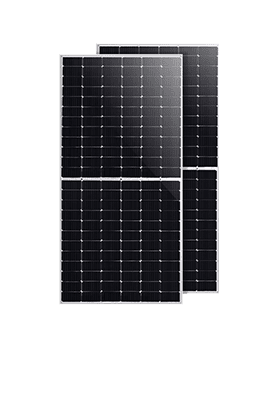
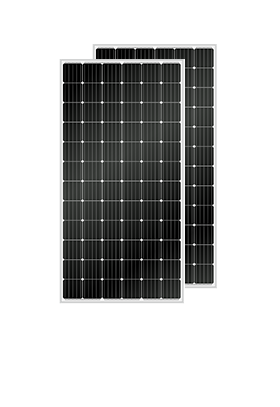
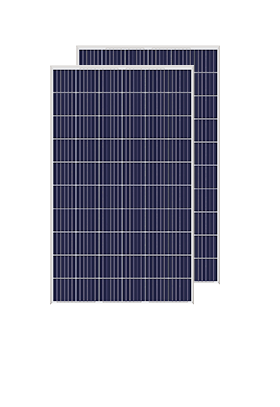



We have cooperated with more than 200 countries in solar energy projects and road lighting projects. We have exported products to many countries and participated in many important government projects around the world.




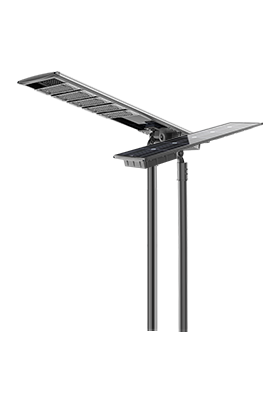


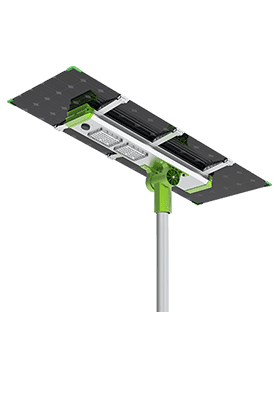
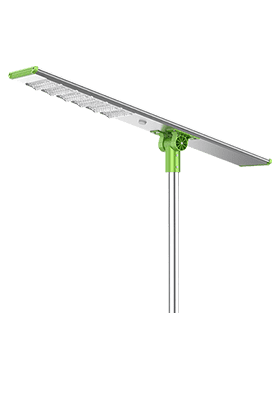
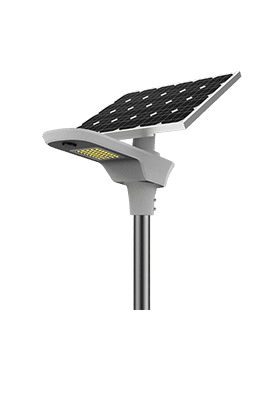


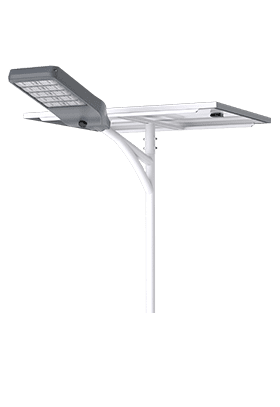
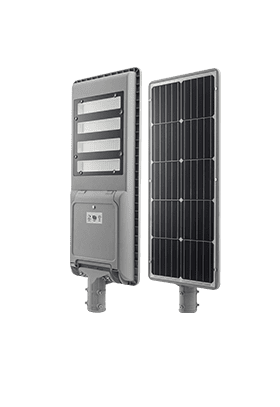
We have cooperated with more than 200 countries in solar energy projects and road lighting projects. We have exported products to many countries and participated in many important government projects around the world.

Anern has 17 years of experience in solar lighting and solar product manufacturing. Anern is headquartered in Guangzhou. With a production base of 30,000 square meters, our company has an R&D team of more than 100 people.
The rapid adoption of battery energy storage is reshaping the solar industry. While solar panels remain the primary source of renewable electricity, today's buyers are increasingly focused on how efficiently that energy can be stored, managed, and used around the clock. At the center of this transformation is the hybrid inverter, which seamlessly integrates photovoltaic generation, battery storage, and grid interaction into a single intelligent platform.
As battery technologies evolve, another important trend has emerged: the shift from traditional low-voltage (LV) battery systems to high-voltage (HV) architectures. Manufacturers, installers, and distributors now face a common question: Which solution delivers better long-term value?
The answer depends on project size, performance requirements, expansion plans, and investment goals. Understanding the technical differences between low-voltage and high-voltage hybrid inverters enables buyers to make informed decisions while preparing for the next generation of energy storage systems.
As an experienced hybrid inverter manufacturer, Anern continues to develop intelligent inverter solutions that support diverse residential, commercial, and industrial applications worldwide.
Traditional solar inverters convert direct current (DC) from photovoltaic panels into alternating current (AC) for household or commercial use. A hybrid inverter performs this function while also managing battery charging, battery discharge, grid interaction, and backup power.
Instead of relying on multiple independent devices, modern hybrid systems combine several functions into one intelligent controller. This integrated design offers several advantages:
Higher overall system efficiency
Simplified installation
Better battery utilization
Intelligent energy scheduling
Remote monitoring and diagnostics
Lower maintenance requirements
These capabilities explain why products such as the Anern hybrid inverter have become increasingly popular in both residential and commercial energy storage projects.
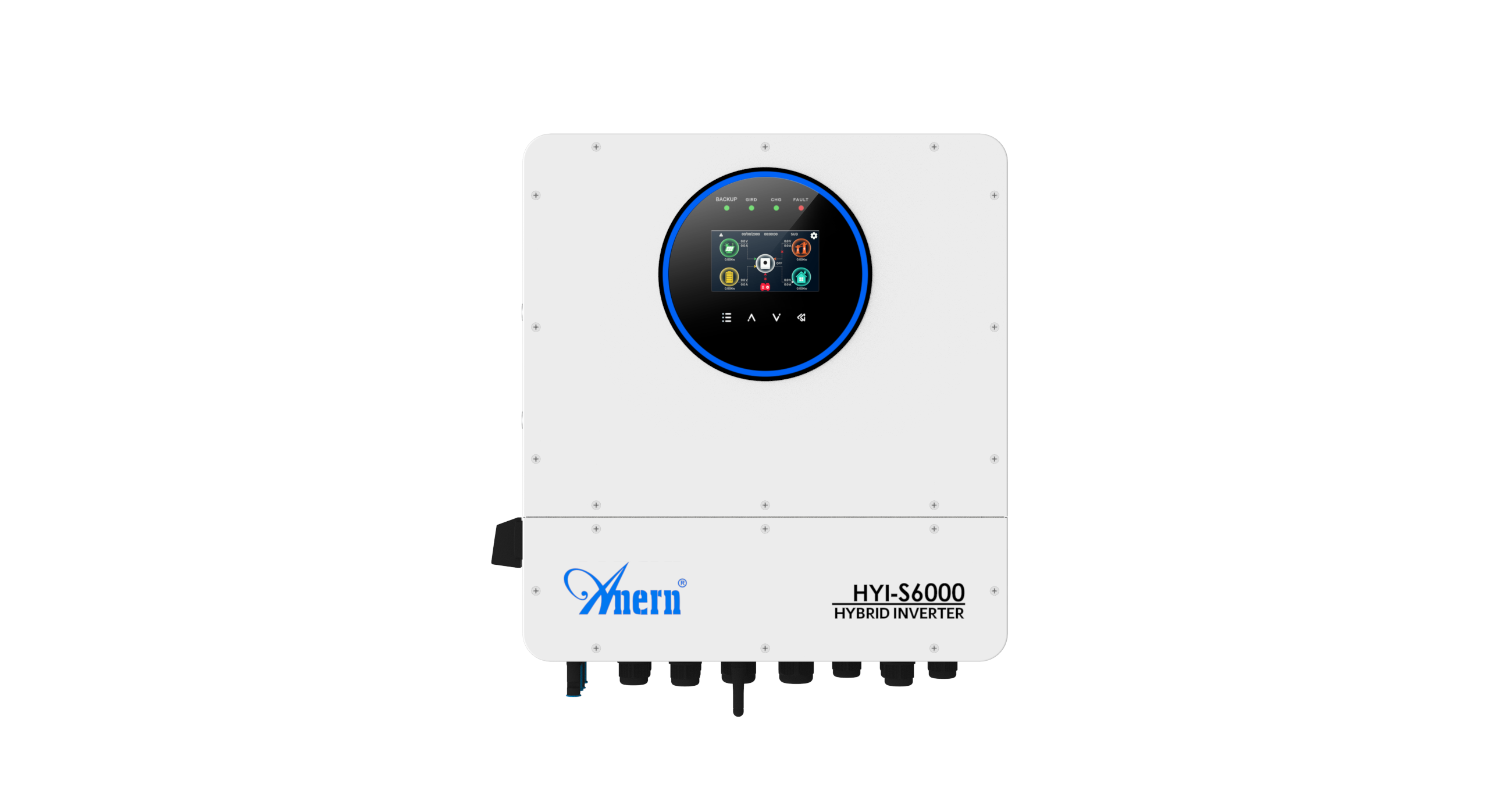
Low-voltage hybrid inverters generally operate with battery systems ranging from 48V to approximately 60V, making them compatible with many lithium iron phosphate (LiFePO₄) battery packs used in residential applications.
For years, this architecture has dominated the home energy storage market because of its simplicity and proven reliability.
One major advantage is safety. Lower battery voltage reduces electrical risks during installation and maintenance, making these systems easier for installers to handle.
Other benefits include:
Mature technology
Wide battery compatibility
Lower initial equipment cost
Easier servicing
Ideal for small residential systems
Strong aftermarket support
Many homeowners evaluating Anern solar price options begin with low-voltage systems because they provide an economical entry into battery storage.
As energy storage capacity continues growing, higher battery voltages have become increasingly attractive.
High-voltage hybrid systems typically operate between 120V and 800V, depending on battery configuration and project scale.
Rather than increasing current to deliver more power, high-voltage systems increase voltage while reducing current. This seemingly simple change offers significant engineering advantages.
For this reason, many modern China hybrid solar inverter manufacturers are investing heavily in high-voltage product development.
Electrical power can be expressed by a simple equation:
Power = Voltage × Current
When voltage increases, the same amount of power can be transmitted with lower current.
Lower current produces several important benefits:
Electrical losses are proportional to the square of the current. By reducing current, high-voltage systems minimize cable heating and improve overall conversion efficiency.
Lower operating current allows installers to use thinner DC cables, reducing copper consumption and installation costs on larger projects.
Less current means lower heat generation inside batteries, cables, and inverter components.
This contributes to:
Higher efficiency
Longer equipment lifespan
More stable operation
Lower cooling requirements
These advantages become increasingly important in commercial installations with high daily energy throughput.
Feature | Low-Voltage Hybrid | High-Voltage Hybrid |
Typical battery voltage | 48–60V | 120–800V |
Current level | Higher | Lower |
Cable size | Larger | Smaller |
Power transmission efficiency | Good | Excellent |
Installation complexity | Lower | Higher |
Residential suitability | Excellent | Very Good |
Commercial suitability | Limited | Excellent |
Scalability | Moderate | High |
Large battery compatibility | Moderate | Excellent |
Neither technology is universally better. Each serves different application requirements.
Low-voltage hybrid inverters remain highly competitive in several situations.
Homes requiring basic backup electricity during outages often benefit from low-voltage systems because installation is straightforward and equipment costs remain affordable.
Vacation homes, remote cabins, and agricultural buildings with relatively small electrical loads rarely require high-voltage architectures.
Projects focused primarily on reducing electricity bills rather than maximizing storage capacity often achieve excellent returns using low-voltage systems.
Many customers comparing UPS solar inverter price options choose low-voltage products because they meet essential backup power requirements while controlling overall project costs.
High-voltage systems become increasingly attractive as project scale grows.
Luxury homes with electric vehicle charging, swimming pools, heat pumps, and smart appliances often require larger battery banks.
High-voltage systems manage these higher power demands more efficiently.
Office buildings, hotels, shopping centers, and factories frequently consume hundreds of kilowatt-hours each day.
Lower transmission losses help maximize the value of stored solar energy.
Manufacturing facilities increasingly combine photovoltaic generation with battery storage for peak shaving and energy cost optimization.
High-voltage architectures support higher continuous power output while improving operational efficiency.
Businesses planning future battery expansion appreciate the flexibility offered by modular high-voltage battery systems.
.png "AN-EVO6200(1).png")
Although voltage receives significant attention, buyers should evaluate hybrid inverters based on their complete feature set rather than battery voltage alone.
Today's advanced Anern inverters integrate numerous intelligent functions, including:
Multiple MPPT tracking
Battery management system (BMS) communication
Smart load prioritization
Generator compatibility
Grid export limitation
Remote Wi-Fi monitoring
Mobile application management
Automatic firmware upgrades
These software-driven capabilities often influence long-term user experience as much as hardware specifications.
The growing popularity of battery storage has expanded the number of inverter manufacturers worldwide. However, technical expertise varies considerably.
Reliable hybrid solar inverter suppliers should provide:
International safety certifications
Stable manufacturing quality
Comprehensive technical documentation
Long-term firmware updates
Responsive after-sales support
Flexible OEM and ODM services
Global logistics capability
Working with an experienced supplier reduces project risks while ensuring future compatibility with evolving battery technologies.
As a professional solar inverter China manufacturer, Anern has built a comprehensive portfolio of hybrid inverter solutions designed for residential, commercial, and industrial markets.
The company's products combine high conversion efficiency, intelligent energy management, and compatibility with modern lithium battery systems. Whether customers are seeking an Anern solar inverter, or customized OEM solutions, the focus remains on delivering reliable performance across diverse operating environments.
In addition to product quality, Anern supports international distributors through technical consultation, flexible manufacturing, and responsive after-sales service. These strengths have made the company a trusted partner for customers searching for dependable energy storage solutions and competitive Anern solar inverter price options.
For projects requiring scalable battery storage, the latest Anern inverter solutions are designed to accommodate future energy demands while supporting the industry's transition toward smarter power management.
Battery technology is advancing rapidly, and market expectations are evolving alongside it. Residential systems are becoming larger, commercial users are placing greater emphasis on energy independence, and governments worldwide continue encouraging distributed renewable generation.
Against this backdrop, high-voltage hybrid inverters are expected to capture a growing share of the market because they offer superior efficiency, lower transmission losses, and better scalability for larger energy storage systems.
Nevertheless, low-voltage hybrid inverters will remain an important choice for homeowners, small businesses, and off-grid users who prioritize affordability, simplicity, and proven performance.
Rather than viewing one technology as a replacement for the other, buyers should select the solution that aligns with their present needs while considering future expansion. By partnering with an experienced manufacturer such as Anern, customers can confidently invest in hybrid inverter technology that supports both today's energy requirements and tomorrow's smarter, more resilient solar power systems.