EN
EN
 fr
fr  de
de  es
es  it
it  ru
ru  pt
pt  ar
ar  ms
ms  id
id 

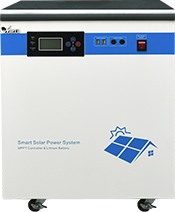


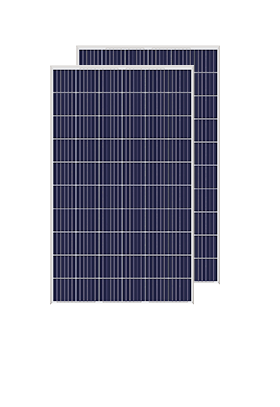


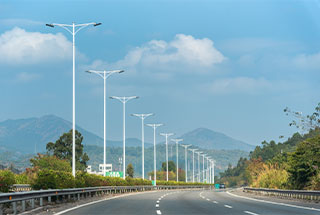
We have cooperated with more than 200 countries in solar energy projects and road lighting projects. We have exported products to many countries and participated in many important government projects around the world.




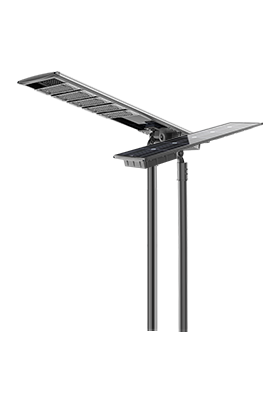


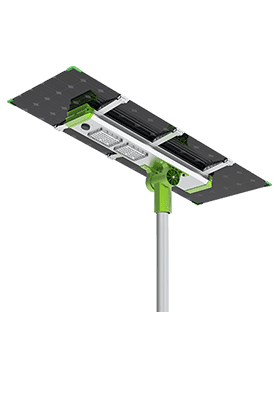
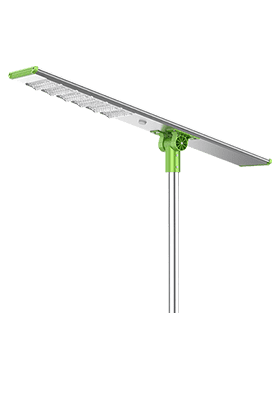
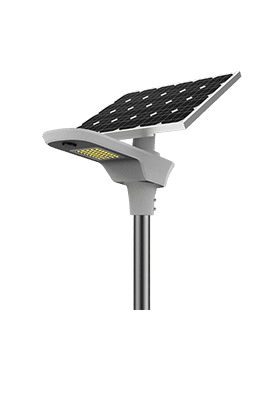


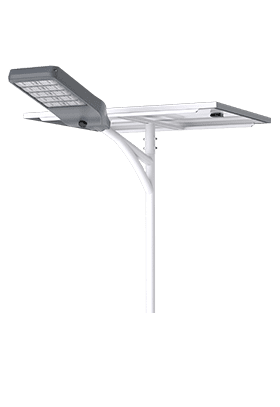
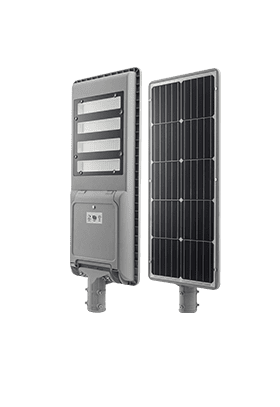
We have cooperated with more than 200 countries in solar energy projects and road lighting projects. We have exported products to many countries and participated in many important government projects around the world.

Anern has 17 years of experience in solar lighting and solar product manufacturing. Anern is headquartered in Guangzhou. With a production base of 30,000 square meters, our company has an R&D team of more than 100 people.
Selecting the right solar inverter is one of the most important decisions in a solar PV project because it influences energy production, system safety design, monitoring capability, long-term maintenance, and total cost of ownership. When people search micro inverter vs string inverter or string inverter vs micro inverter, they are usually trying to resolve a practical question: which option will perform best on a specific roof and be easiest to own and maintain over the next 10 to 25 years?
In general, string inverters convert DC to AC for a group of panels wired in series as a string, while microinverters convert DC to AC at each individual panel. Both options are proven technologies with widespread adoption. This buyer's guide compares their tradeoffs in a clear structure, covering system design, shading performance, cost, monitoring, and maintenance, and it ends with a practical selection checklist.
In a standard string inverter system, multiple PV modules are wired in series to form one or more strings. Those strings feed a central inverter, which is often installed near the main electrical panel, and the inverter performs MPPT (Maximum Power Point Tracking) at the string level. When the inverter has multiple MPPT inputs, each input can track a different string or roof plane. This architecture is popular because it is straightforward, efficient, and often cost-effective, especially when the array is installed on a single roof plane with consistent orientation and minimal shading. It also tends to be easier to service because the inverter is accessible at ground level.
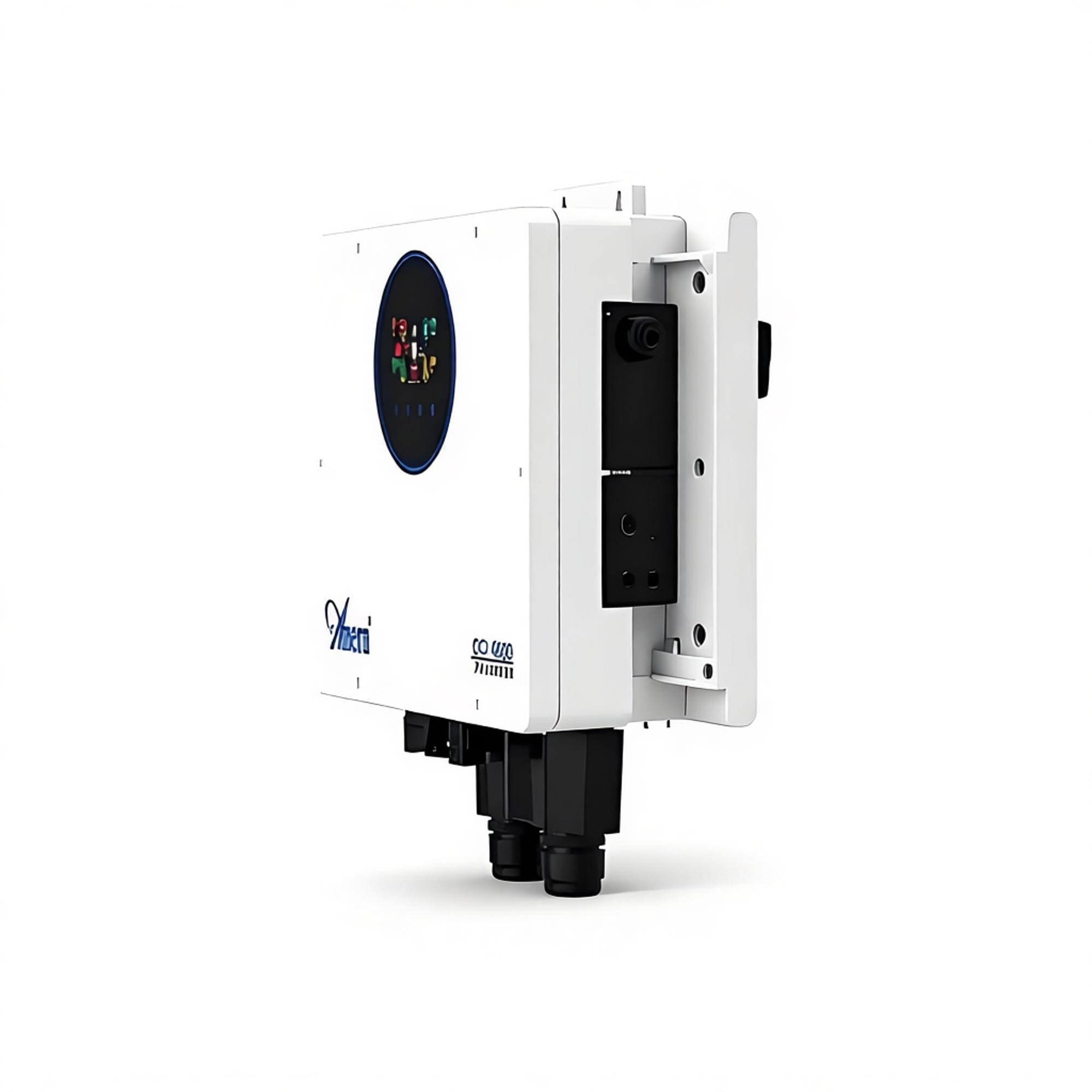
Anern Hybrid Solar Power Inverter
With microinverters, each solar panel has its own inverter mounted behind the module. DC-to-AC conversion happens at the module level, and AC output from each microinverter is combined on an AC trunk cable. This design is inherently modular and can be especially attractive for complex roofs with multiple orientations (east/west), partial shading, or arrays that may expand later. Because each module operates independently, the system is less constrained by string sizing rules and DC voltage windows that apply to string inverters.
Table 1: System design comparison (module-level vs string-level architecture)
Aspect | Solar String Inverter | Solar Microinverter |
Power conversion | Centralized (one inverter per array/strings) | Distributed (one inverter per module) |
MPPT granularity | String-level (or per MPPT input) | Module-level |
Best for | Simple, unshaded, same azimuth/tilt arrays | Complex roofs, mixed orientations, incremental expansion |
Wiring | Higher-voltage DC runs; fewer devices on roof | AC rooftop wiring; many devices on roof |
Typical deployment | Residential to utility-scale | Mostly residential; some small commercial |
In a string inverter system, panels are wired in series, so the string's output is often limited by the weakest-performing module. If one panel is partially shaded—by a tree branch, chimney, or nearby building—its reduced current can pull down the performance of the entire string, even though bypass diodes and modern MPPT designs can help reduce the severity of these losses.
With microinverters, each module operates independently with its own MPPT. That means shading on one panel mainly affects only that panel, while the rest of the array can continue producing near their normal output. In roofs where shading moves across different modules throughout the day, this module-level control typically translates into more stable production.
Practically, the best choice depends on how predictable and concentrated the shading is. If shading is limited and you can design strings so that shaded modules are grouped together, or you can separate roof planes by using multiple MPPT inputs, a string inverter can still perform very well. However, if shading is irregular, affects different panels at different times, or comes from multiple obstacles, microinverters usually deliver higher energy harvest and make performance troubleshooting simpler.
When comparing micro inverters vs string inverterss from a cost perspective, it's important to look beyond the inverter price tag and consider the full installed system cost. Total cost is influenced not only by equipment pricing, but also by balance-of-system components, installation labor, design complexity, permitting, and any required code-compliance hardware. In other words, cheaper inverter hardware does not always mean cheaper project, and the right comparison is the all-in cost for the same system size and performance goals.
In many markets, string inverters tend to have a lower upfront equipment cost than microinverters for the same array capacity, largely because one central inverter can serve many modules. Microinverters, by contrast, add power electronics at each panel, which usually increases hardware cost. However, microinverter designs can reduce certain design constraints, such as strict string sizing and DC voltage window management, and they can make incremental system planning easier. These advantages may offset some soft costs depending on the installer workflow and roof layout.
Over the long term, the more meaningful metric is often total cost of ownership (TCO) across 10 to 25 years, which depends on expected energy production (especially under shading and mismatch), warranty terms, failure and replacement patterns, and service logistics. A solar storage system that costs more upfront may still be the better value if it produces more energy in real conditions, reduces troubleshooting time, or lowers downtime when issues occur.
Table 2: Cost and value considerations (typical tendencies)
Cost dimension | String Inverter | Microinverters |
Upfront hardware | Often lower | Often higher |
Design complexity | Moderate (string sizing, voltage windows) | Lower string sizing constraints; more rooftop devices |
Best value when | Roof is simple; minimal shading; larger arrays | Shading/mismatch is significant; premium monitoring desired; modular expansion |
Long-term value driver | Lower capex; easier inverter replacement | Higher yield under shade; module-level diagnostics |
Monitoring has become more than a nice-to-have feature in modern PV systems because it directly affects service speed, system uptime, and homeowner confidence. The ability to quickly confirm whether the system is performing as expected, and to detect underperformance early, can make a meaningful difference over the life of the system.
With string inverter monitoring, most platforms provide system-level production data along with inverter status information and fault codes. Some also offer per-MPPT input visibility, which helps when the array is split across multiple roof planes. For many homeowners, this level of monitoring is sufficient to verify that the system is operating and producing energy.
However, the limitation is granularity: when production drops, it can be difficult to pinpoint exactly which module or section of the array is responsible without additional on-site testing. This is where microinverters typically stand out, since they often provide module-level monitoring that makes it easier to isolate issues and understand performance differences across individual panels.
Table 3: Monitoring depth comparison
Monitoring feature | Solar String Inverter | Solar Microinverter |
System-level production | Yes | Yes |
Module-level production | Not typical | Common |
Fault isolation speed | Medium | High |
Best for | Simple arrays; owners who want basic visibility | Complex roofs; owners who want detailed performance insights |
Maintenance comes down to where failures occur, how much production is affected when something goes wrong, and how difficult the repair is to perform. In practice, the tradeoff between a string inverter vs microinverter is often a tradeoff between centralized accessibility and distributed resilience.
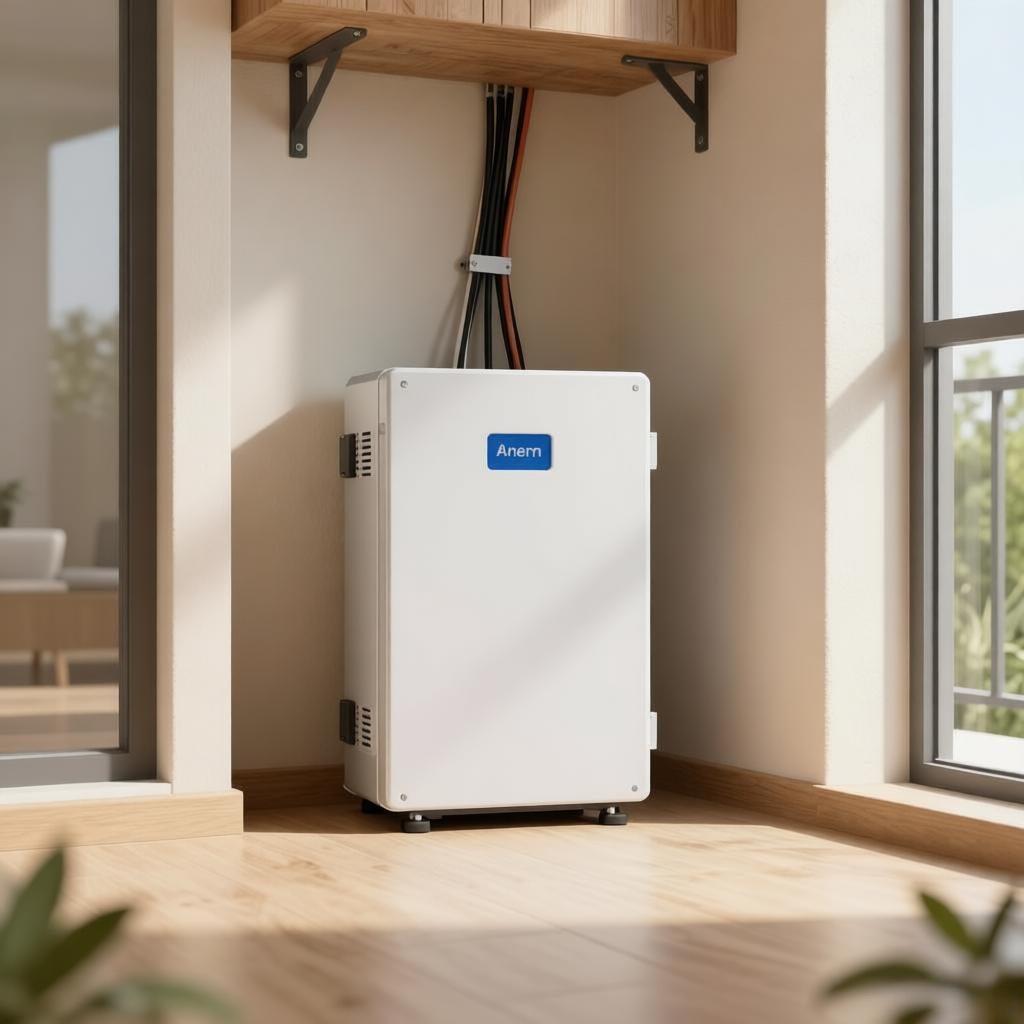
Click for Solar Inverter Maintenance
With a string inverter, the inverter is a single, central point of power conversion. If it fails, a large portion or even the entire array, may stop producing until the inverter is repaired or replaced. The advantage is that the inverter is usually installed at ground level (near the main electrical panel, in a garage, or on an exterior wall), so troubleshooting and replacement are typically straightforward and faster.
With microinverters, failures are distributed: if one unit fails, you generally lose only the output of that single module rather than the whole system. The downside is service logistics, replacement usually requires a rooftop visit and removal of the module to access the microinverter, which can increase labor time and cost. Climate and heat exposure can also matter more because the electronics are operating on the roof, so product quality, installation practices, and warranty coverage become especially important.
The most practical way to decide between a string inverter vs micro inverter is to match the inverter architecture to your roof conditions, performance goals, and service preferences rather than trying to find a universal best option. Key factors include how complex the roof layout is, whether shading or module mismatch is likely, how important detailed monitoring is to you, and whether you expect to expand the system later.
In general, a string inverter is often a strong fit when the roof is mostly unshaded, panels share the same orientation and tilt, you want a lower upfront cost, and you prefer the simplicity of a centrally located inverter that's easy to access for service. Microinverters are often the better fit when the roof has partial shading or multiple orientations, you value module-level monitoring and fast fault isolation, you want a more modular design that supports incremental expansion, or you prefer the resilience of having a single device failure affect only one panel rather than a large section of the array.
Table 4: Quick decision guide
Your situation | Better fit (typical) | Why |
Single roof plane, no shade | String inverter | Lowest cost, excellent performance in uniform conditions |
Multiple roof planes (E/W), mixed tilt | Microinverters | Module-level MPPT handles mismatch well |
Frequent partial shading | Microinverters | Shaded module doesn't drag down others |
Want simplest service access | String inverter | Central inverter is easy to reach |
Want the most detailed monitoring | Microinverters | Panel-by-panel visibility |
Overall, choosing between a string inverter and a microinverter depends on how uniform your solar array is likely to remain over its lifetime. If your roof layout is simple and stays consistently unshaded, a string inverter can provide strong performance with a lower upfront cost and straightforward service access. If your site includes mixed roof orientations, partial shading, or you want more detailed monitoring and modular flexibility, microinverters often deliver a more consistent energy yield and quicker fault detection, which can justify the higher initial cost under real-world conditions.
Choosing between a string inverter and microinverters depends on your roof conditions and long-term priorities. String inverters are usually the most cost-effective choice for simple, unshaded arrays and are easier to service because equipment is centralized and accessible. Microinverters often cost more upfront but perform better on complex roofs with partial shading or mixed orientations, offering module-level MPPT and monitoring. Overall value depends on real-world energy yield, downtime risk, and maintenance logistics over time.
Q1: Will microinverters always produce more energy than a string inverter?
Not always. Microinverters tend to outperform when shading, mismatch, or mixed orientations are present. On a uniform, unshaded roof plane, a well-designed string inverter system can deliver comparable production.
Q2: Which option is safer: microinverters or string inverters?
Both can be designed to meet safety codes. Microinverters convert DC to AC at the module, reducing high-voltage DC runs on the roof. String inverter systems can also be very safe when properly designed and installed, but they typically involve higher-voltage DC wiring.
Q3: Which is easier to maintain over time?
String inverters are usually easier and faster to service because the inverter is accessible at ground level; however, a single inverter failure can take down a large portion of production. Microinverters offer distributed resilience (one failed unit affects one module) but repairs often require rooftop labor and module removal.
Q4: Do I need module-level monitoring?
If your array is complex (multiple roof planes, partial shading) or you want faster fault isolation, module-level monitoring is valuable. For simple arrays where you mainly want confirmation the system is producing, system-level monitoring from a string inverter is often sufficient.
Q5: What should I choose if I plan to expand my system later?
Microinverters are often more flexible for incremental expansion because each module operates independently and string sizing constraints are reduced. Expansion with string inverters is possible, but may require careful redesign around string lengths, voltage windows, and available MPPT inputs.