EN
EN
 fr
fr  de
de  es
es  it
it  ru
ru  pt
pt  ar
ar  ms
ms  id
id 

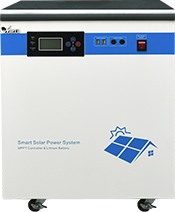


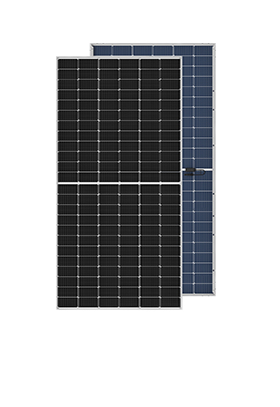
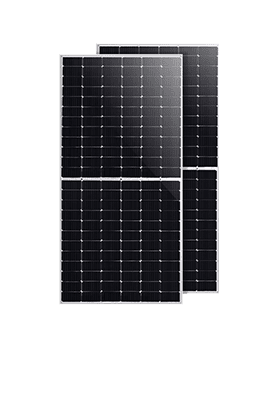
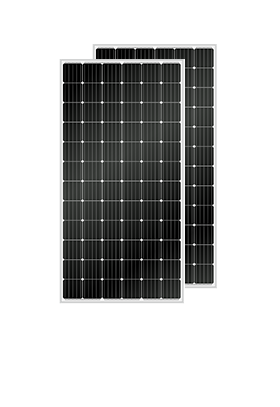
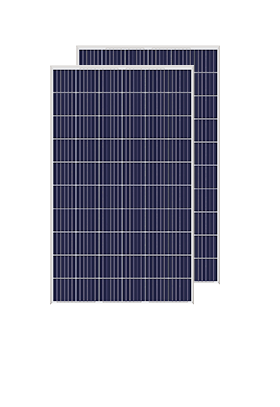


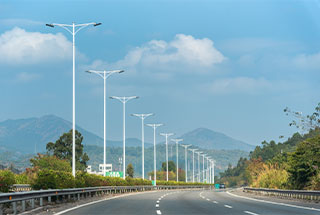
We have cooperated with more than 200 countries in solar energy projects and road lighting projects. We have exported products to many countries and participated in many important government projects around the world.




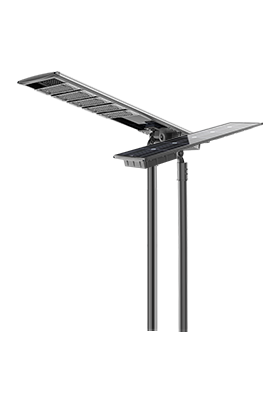


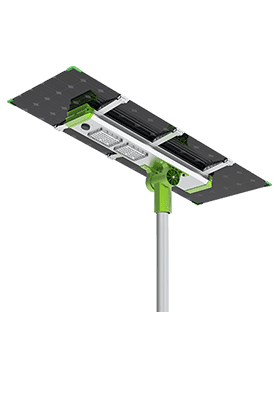
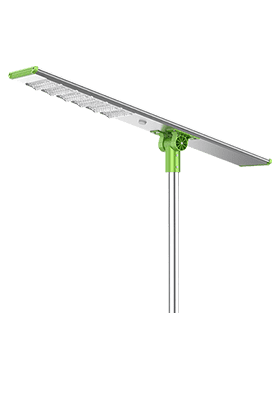
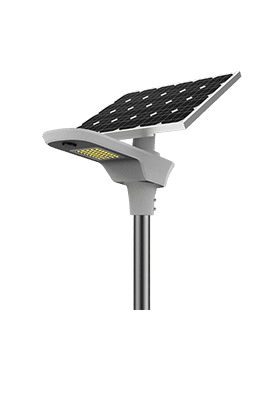


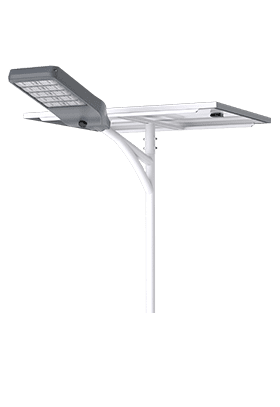
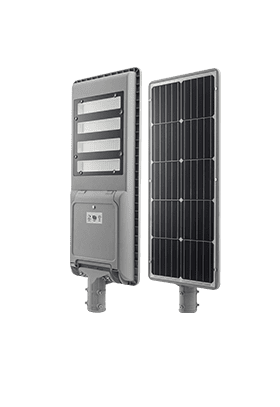
We have cooperated with more than 200 countries in solar energy projects and road lighting projects. We have exported products to many countries and participated in many important government projects around the world.

Anern has 17 years of experience in solar lighting and solar product manufacturing. Anern is headquartered in Guangzhou. With a production base of 30,000 square meters, our company has an R&D team of more than 100 people.
Hybrid inverters manage excess solar production by intelligently distributing surplus energy generated by solar panels. When solar generation exceeds household consumption, the hybrid inverter can export electricity to the grid, store energy in batteries, power additional loads, or limit grid export based on regulations. This smart energy management helps maximize solar self-consumption, reduce electricity costs, and improve the overall efficiency of solar power systems.
When solar panels generate more electricity than is being used, a hybrid inverter automatically manages the surplus energy through several options:
Exporting electricity to the grid
Charging connected battery storage systems
Powering additional household loads
Limiting grid export when required by regulations
These functions allow solar system owners to maximize the value of their solar energy production while maintaining system stability.
Solar energy systems convert sunlight into electricity using photovoltaic (PV) panels. However, solar production varies depending on several factors:
Sunlight intensity
Time of day
Seasonal changes
Weather conditions
Solar system capacity
During peak sunlight hours, solar panels may generate more electricity than the building immediately consumes. This surplus electricity is known as excess solar production.
Instead of wasting this energy, modern solar systems use hybrid inverters to redistribute or store the surplus power efficiently.
Hybrid inverters—often called multi-mode solar inverters—are designed to manage both solar generation and energy storage.
Unlike traditional inverters, hybrid systems can coordinate energy flow between:
Solar panels
Household electricity demand
Battery storage systems
Utility grid connections
This allows hybrid inverters to dynamically adjust how excess solar energy is used, ensuring minimal energy loss and maximum economic benefit.
When a solar system produces more electricity than the building consumes, the hybrid inverter can send surplus power to the utility grid.
In grid-tied mode, the inverter converts DC electricity generated by solar panels into AC electricity suitable for grid export.
In many regions, this exported electricity is credited through programs such as net metering, where solar system owners receive energy credits for the electricity they supply to the grid.
Benefits include:
Lower electricity bills
Increased solar system ROI
Improved grid energy efficiency
One of the most important features of hybrid inverters is their ability to store surplus solar energy in batteries.
When solar production exceeds household demand and battery capacity is available, the hybrid inverter automatically diverts excess energy into battery storage.
This stored electricity can later be used for:
Nighttime electricity consumption
Peak electricity pricing periods
Power outages or grid failures
Battery storage significantly improves solar self-consumption rates and energy independence.
Some advanced hybrid inverters support load shifting, which allows surplus solar energy to power high-energy appliances during peak solar production periods.
Examples include:
Electric water heaters
Electric vehicle chargers
Air conditioning systems
Washing machines or dishwashers
By activating these loads when solar generation is high, homeowners can maximize solar energy utilization and reduce reliance on grid electricity.
In certain regions, electricity grid regulations may limit the amount of solar energy that can be exported to the utility network.
Hybrid inverters can be programmed with export limitation functions to comply with these regulations.
When export limits are reached, the inverter may:
Prioritize battery charging
Redirect energy to household loads
Reduce solar output if necessary
This ensures that solar systems remain grid-compliant while maintaining optimal energy efficiency.
Many modern hybrid inverters include intelligent energy management systems that automatically decide how to use excess solar energy.
These smart systems analyze:
Real-time energy consumption
Battery state of charge
Solar generation levels
Grid electricity prices (in some regions)
Based on this data, the inverter dynamically adjusts energy distribution to maximize:
Solar self-consumption
Battery efficiency
Cost savings
Grid stability
Leading solar inverter manufacturers continue to improve hybrid inverter capabilities to better manage excess solar production.
Companies such as Huawei, Growatt, and Anern develop hybrid inverter solutions that integrate battery storage, smart energy management, and grid interaction technologies.
These innovations help solar systems operate more efficiently while supporting the transition to a more flexible and decentralized energy infrastructure.
Hybrid inverters provide several important advantages when handling surplus solar energy:
Maximized solar energy utilization
Lower electricity costs
Improved solar self-consumption
Enhanced energy independence
Better return on solar investment
These capabilities make hybrid inverter systems an increasingly popular choice for residential, commercial, and off-grid solar system installations.
If solar production exceeds your consumption, a hybrid inverter can export the extra electricity to the grid, charge batteries, or power additional appliances.
Yes. Hybrid inverters can store surplus electricity in battery systems, allowing the energy to be used at night or during power outages.
No. Some systems prioritize battery storage or load shifting instead of exporting electricity, depending on system configuration and grid regulations.
Hybrid inverters optimize energy distribution by balancing solar generation, battery storage, household demand, and grid interaction.
Hybrid inverters have revolutionized the way solar energy systems handle excess electricity generation. By intelligently managing surplus solar power—whether through grid export, battery storage, load shifting, or export limitation—these advanced devices ensure that solar energy is used as efficiently as possible.
As solar adoption continues to grow worldwide, hybrid inverter technology will play an essential role in improving energy efficiency, reducing electricity costs, and supporting a more sustainable energy future.