EN
EN
 fr
fr  de
de  es
es  it
it  ru
ru  pt
pt  ar
ar  ms
ms  id
id 






We have cooperated with more than 200 countries in solar energy projects and road lighting projects. We have exported products to many countries and participated in many important government projects around the world.




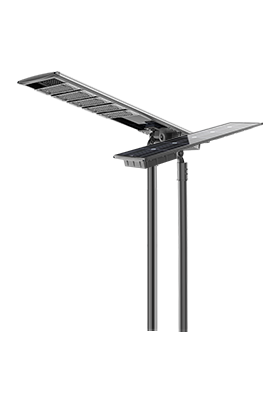


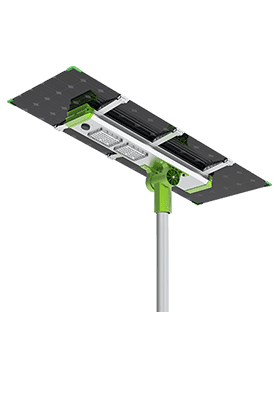
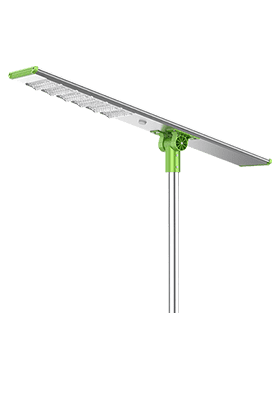
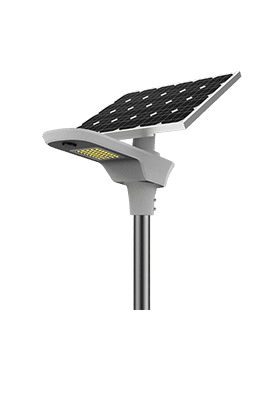


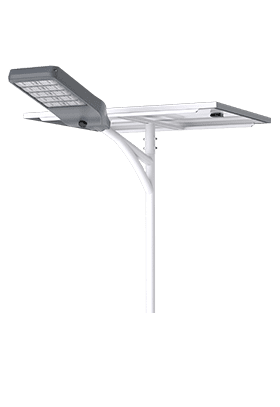
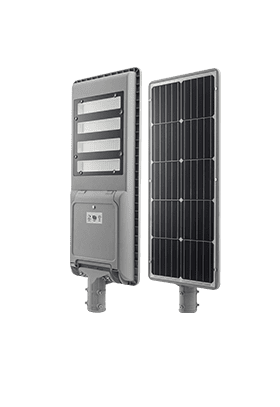
We have cooperated with more than 200 countries in solar energy projects and road lighting projects. We have exported products to many countries and participated in many important government projects around the world.

Anern has 17 years of experience in solar lighting and solar product manufacturing. Anern is headquartered in Guangzhou. With a production base of 30,000 square meters, our company has an R&D team of more than 100 people.
Hybrid solar inverters are increasingly used in commercial solar energy systems because they combine solar power generation, battery storage, and intelligent energy management. Businesses can reduce electricity costs, improve energy resilience, and optimize energy usage by storing excess solar power or exporting it to the grid. As commercial electricity demand continues to rise, hybrid solar inverter systems are becoming a key solution for sustainable business operations.
Yes, hybrid solar inverters are suitable for commercial use. They allow businesses to:
Generate electricity from solar panels
Store excess solar energy in battery systems
Reduce reliance on grid electricity
Maintain power during outages
Optimize energy costs through smart energy management
Because of these capabilities, hybrid solar systems are increasingly deployed in offices, factories, warehouses, hotels, and retail buildings.
| Feature | Benefit for Commercial Users |
|---|---|
| Solar Power Generation | Reduces dependence on grid electricity |
| Battery Storage | Stores excess solar energy for later use |
| Smart Energy Management | Optimizes electricity consumption |
| Grid Interaction | Allows exporting surplus power |
| Backup Power | Keeps critical equipment running during outages |
Commercial buildings consume large amounts of electricity for operations such as lighting, heating, cooling, machinery, and IT infrastructure. Rising electricity prices and sustainability commitments are encouraging businesses to adopt renewable energy solutions.
According to research from the International Energy Agency, global solar adoption continues to expand as organizations seek cleaner and more efficient energy systems. Businesses increasingly view solar power as both an environmental and economic investment.
Global Solar Energy Adoption – IEA
Hybrid solar inverters allow businesses to intelligently manage energy production and consumption.
During peak solar generation hours, the system can:
Power business operations directly
Store excess electricity in batteries
Export surplus energy to the grid
This flexible energy management allows companies to maximize solar self-consumption and reduce operational costs.
Electricity expenses often represent one of the largest operational costs for commercial facilities.
Hybrid solar systems reduce these costs by:
Generating renewable electricity onsite
Storing solar energy for later use
Exporting excess electricity through net metering programs
Over time, these benefits can lead to significant financial savings.
Power outages can disrupt commercial operations and cause financial losses. Hybrid solar inverters equipped with battery storage provide backup electricity during grid failures, ensuring that essential equipment continues running.
This is particularly valuable for:
Hospitals
Data centers
Manufacturing plants
Retail operations
| Commercial Sector | Solar Use Case |
|---|---|
| Office Buildings | Reduce daytime electricity costs |
| Retail Stores | Lower operational energy expenses |
| Manufacturing Facilities | Stabilize electricity supply |
| Warehouses | Power lighting and logistics systems |
| Hotels & Resorts | Support high electricity demand |
Modern hybrid solar inverters include intelligent energy management technologies that automatically balance power between solar generation, battery storage, and electricity demand.
These systems analyze:
Solar energy production
Battery charge levels
Electricity consumption
Grid electricity prices (in some markets)
By adjusting energy flows dynamically, hybrid inverters help businesses maximize efficiency and minimize energy waste.
Businesses should analyze historical electricity consumption to determine the correct system size. Factors include:
Peak electricity demand
Seasonal energy usage
Operational hours
This analysis helps determine the optimal solar array capacity and battery storage size.
Commercial solar systems require adequate installation space.
Common installation options include:
Rooftop solar systems
Ground-mounted solar arrays
Solar parking canopies
Rooftop installations are particularly popular because they make use of otherwise unused building space.
Although hybrid solar systems require upfront investment, businesses can often recover costs through long-term electricity savings and renewable energy incentives.
For detailed information about commercial solar incentives:
U.S. Department of Energy – Commercial Solar Energy Systems
Modern solar systems include remote monitoring platforms that allow businesses to track system performance in real time.
These monitoring systems provide insights into:
Solar energy production
Battery storage levels
Energy consumption patterns
System performance diagnostics
Research and technology updates are available from National Renewable Energy Laboratory (NREL):
https://www.nrel.gov/solar/
The required inverter size depends on electricity demand and solar panel capacity. Small commercial systems: 10–30 kW, large facilities: 100 kW+ with multiple batteries.
Yes. With battery storage, hybrid inverters provide backup power, keeping critical equipment operational.
Hybrid systems have a higher upfront cost due to batteries and smart management, but provide long-term savings and energy resilience.
Depends on system size and sunlight:
50 kW → ~60,000–75,000 kWh/year
100 kW → ~120,000–150,000 kWh/year
| System Size | Estimated Annual Output | Annual Electricity Savings | Estimated Payback Period |
|---|---|---|---|
| 30 kW | 36,000 kWh | $4,000 – $6,000 | 5–7 years |
| 50 kW | 60,000 kWh | $7,000 – $10,000 | 4–6 years |
| 100 kW | 120,000 kWh | $14,000 – $20,000 | 4–6 years |
| Feature | Hybrid Solar Inverter | Traditional String Inverter |
|---|---|---|
| Battery Storage | Supported | Not supported |
| Backup Power | Available | Not available |
| Energy Management | Smart energy control | Limited |
| Grid Interaction | Export + storage | Export only |
| Cost | Higher initial cost | Lower initial cost |
| Brand | Country | Known For |
|---|---|---|
| Huawei | China | Smart PV and energy storage systems |
| Sungrow | China | Utility-scale and commercial inverters |
| Growatt | China | Cost-effective solar inverter solutions |
| GoodWe | China | Hybrid and energy storage inverters |
| Anern | China | Hybrid inverters and integrated solar power systems |
Anern specializes in hybrid solar inverters, lithium battery systems, and commercial/residential integrated energy solutions
Q1: Can hybrid solar inverters be scaled for large commercial buildings?
A1: Yes, with appropriately sized solar arrays and battery storage.
Q2: Do hybrid solar systems reduce electricity bills?
A2: Yes, they generate solar electricity onsite and reduce reliance on grid power.
Q3: Are batteries required?
A3: Not strictly, but batteries provide backup and maximize energy management benefits.
Q4: How long do hybrid solar inverters last?
A4: Typically 10–15 years, depending on components, design, and environment.
Hybrid solar inverters are highly suitable for commercial applications because they integrate solar power generation, energy storage, and smart energy management. These systems allow businesses to reduce electricity costs, improve operational resilience, and achieve sustainability goals.
With high-quality installation, maintenance, and design, hybrid solar inverter systems can reliably support commercial operations and deliver a positive return on investment while advancing corporate sustainability initiatives.
You May Also Be Interested In