EN
EN
 fr
fr  de
de  es
es  it
it  ru
ru  pt
pt  ar
ar  ms
ms  id
id 



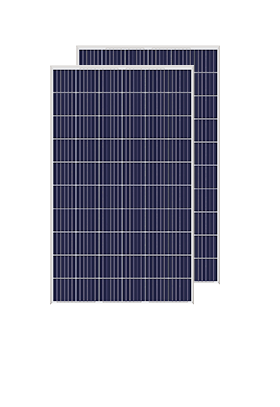



We have cooperated with more than 200 countries in solar energy projects and road lighting projects. We have exported products to many countries and participated in many important government projects around the world.




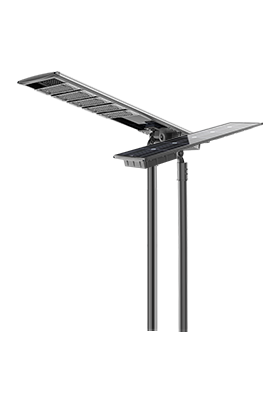


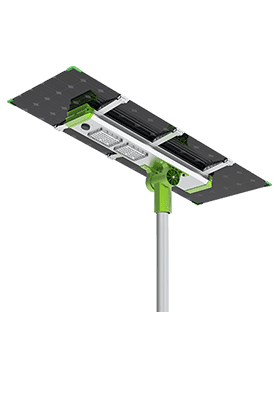
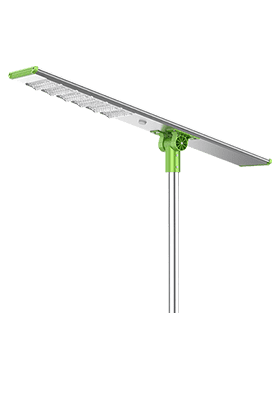



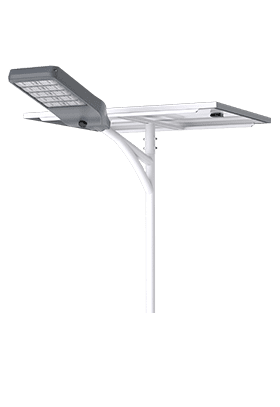
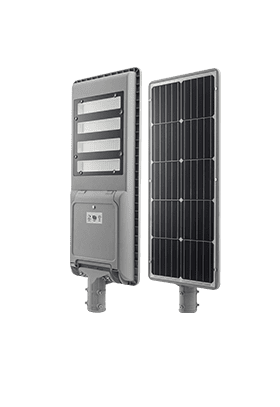
We have cooperated with more than 200 countries in solar energy projects and road lighting projects. We have exported products to many countries and participated in many important government projects around the world.

Anern has 17 years of experience in solar lighting and solar product manufacturing. Anern is headquartered in Guangzhou. With a production base of 30,000 square meters, our company has an R&D team of more than 100 people.
As solar energy storage becomes more common in homes, businesses, and industrial facilities, selecting the right battery chemistry is no longer the only decision buyers need to make. The physical design of the battery system also has a significant impact on installation, maintenance, scalability, and long-term performance.
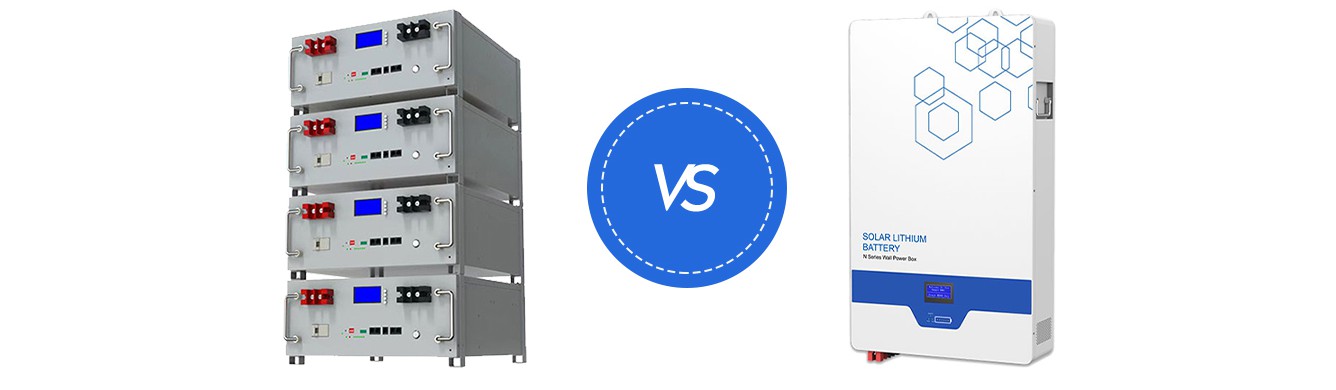
Two of the most popular configurations in today's energy storage market are rack-mounted and wall-mounted lithium batteries. Both commonly use lithium iron phosphate (LiFePO₄) technology and offer excellent safety, high energy density, and long service life. However, they are designed for different installation environments and project requirements.
Whether you're planning a residential backup system or a commercial energy storage project, understanding the differences between these two battery designs will help you choose a solution that maximizes both performance and return on investment.
As a professional lithium battery manufacturer, Anern offers both wall-mounted and rack-mounted LiFePO₄ battery systems designed to integrate seamlessly with modern hybrid solar inverters.
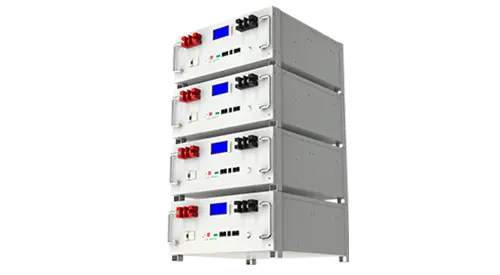
A rack mounted lithium battery is an energy storage module designed to be installed inside a standardized equipment cabinet or battery rack.
Rather than being fixed directly to a wall, each battery module slides into a rack where multiple units can be connected together to increase storage capacity.
Most commercial systems use standardized cabinet dimensions that simplify installation and maintenance.
A typical 48V rack mount lithium battery is equipped with:
Integrated Battery Management System (BMS)
Communication interfaces (CAN/RS485)
Modular expansion capability
Front-panel status indicators
Quick maintenance access
Because multiple battery modules can be stacked vertically, a lithium battery rack provides an efficient way to build medium- and large-scale energy storage systems.
A wall mounted lithium battery is designed to be securely attached to a wall, making it an ideal choice for residential and light commercial applications.
Unlike rack-mounted systems, wall-mounted batteries are generally self-contained units that occupy minimal floor space.
A modern wall mount LiFePO₄ battery typically includes:
Integrated BMS
Compact enclosure
Elegant appearance
Built-in communication ports
Simple installation brackets
This design allows homeowners to install batteries in garages, utility rooms, equipment closets, or outdoor protected areas without requiring dedicated equipment cabinets.
The growing popularity of the wall mounted solar battery reflects increasing demand for clean, space-saving residential energy storage.
Note: The keyword "flood light wall mount" refers to lighting installation hardware rather than lithium battery technology, so it is not technically relevant to battery storage design and is intentionally not used in the discussion to maintain technical accuracy.
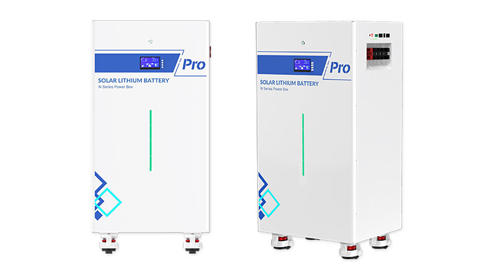
Although both designs use similar battery chemistry, their installation methods and target applications differ considerably.
Feature | Rack-Mounted Battery | Wall-Mounted Battery |
Installation | Equipment rack or cabinet | Mounted directly on wall |
Space utilization | Uses floor cabinet | Saves floor space |
Scalability | Excellent | Moderate |
Typical capacity | Medium to large | Small to medium |
Expansion | Easy module addition | Limited by wall space |
Maintenance | Front-access modules | Individual unit maintenance |
Best applications | Commercial & industrial | Residential & small business |
From an electrical perspective, both designs can deliver comparable performance. The primary differences lie in installation flexibility, scalability, and project size.
Homeowners increasingly choose wall mounted lithium battery systems because they combine attractive appearance with compact installation.
These batteries pair well with rooftop solar systems and hybrid inverters to provide:
Backup power
Increased self-consumption
Lower electricity bills
Quiet operation
A wall mounted solar battery is especially suitable for garages and utility rooms where available floor space is limited.
Larger homes equipped with electric vehicle charging, heat pumps, and intelligent energy management systems often require higher battery capacity.
Depending on energy demand, homeowners may install one or several lithium battery wall mount units operating in parallel.
Office buildings, retail stores, hotels, and schools generally consume considerably more electricity than residential properties.
A rack mount lithium battery system provides the modular scalability needed to support larger daily energy demands.
Additional battery modules can easily be added as energy consumption increases.
Factories and manufacturing plants frequently require large battery banks for peak shaving, backup power, and renewable energy integration.
A LiFePO₄ battery rack enables centralized battery management while simplifying maintenance and future capacity expansion.
Critical infrastructure often depends on modular energy storage systems.
A LiFePO₄ rack allows technicians to replace individual battery modules without disrupting the entire installation, improving serviceability and operational reliability.
Both rack-mounted and wall-mounted batteries require significantly less maintenance than traditional lead-acid batteries.
However, ownership costs differ depending on project scale.
Wall-mounted batteries usually involve:
Lower installation complexity
Smaller capacity
Lower overall project cost
Rack-mounted systems may require:
Battery cabinet
Equipment rack
Additional communication wiring
This results in slightly higher initial installation costs.
One major advantage of rack mounted lithium battery systems is modular expansion.
Instead of replacing the entire battery bank, users simply add another module to the existing rack.
This approach protects the original investment while accommodating future energy growth.
Routine maintenance typically includes:
Visual inspection
Communication checks
Connection tightening
Firmware updates
Monitoring battery health
Because rack-mounted systems centralize multiple battery modules, maintenance becomes more efficient in larger installations.
Wall-mounted batteries, on the other hand, provide convenient access for residential users without requiring specialized equipment rooms.
The right battery design depends primarily on installation environment and future expansion plans.
Choose a wall mount LiFePO₄ battery if you:
Need a compact residential solution
Have limited floor space
Prefer easier installation
Want an attractive appearance
Require moderate battery capacity
Choose a 48V rack mount lithium battery if you:
Plan future capacity expansion
Require commercial-scale storage
Need centralized battery management
Expect higher daily energy consumption
Operate multiple battery modules
Rather than asking which design is universally better, buyers should determine which configuration best matches their application.
As a global provider of solar energy storage solutions, Anern offers a complete portfolio of LiFePO₄ battery products for residential, commercial, and industrial applications.
Its battery range includes:
Wall mounted lithium battery systems
Rack mounted lithium battery solutions
High-capacity commercial storage systems
Intelligent lithium battery management systems
Designed to work seamlessly with Anern hybrid inverters, these batteries feature advanced Battery Management Systems (BMS), high cycle life, intelligent communication protocols, and modular scalability.
Whether customers require a compact wall mounted solar battery for residential backup power or a multi-module lithium battery rack for commercial energy storage, Anern provides reliable products engineered for long-term performance and simplified maintenance.
Homeowners have adopted Anern wall mounted lithium battery systems alongside rooftop photovoltaic arrays and hybrid inverters to increase solar self-consumption and provide reliable backup power during grid outages. Their compact footprint allows installation in garages, utility rooms, and dedicated energy spaces without occupying valuable floor area.
Retail stores and office buildings use Anern wall-mounted battery solutions to maintain lighting, communication equipment, and essential electrical loads during temporary power interruptions. The modular design also allows additional battery units to be installed as electricity demand grows.
Factories and commercial facilities have implemented rack mount lithium battery systems to support larger photovoltaic installations. Modular battery cabinets simplify capacity expansion while enabling centralized monitoring and efficient maintenance of multiple battery modules.
For telecommunications sites, industrial plants, and public infrastructure, Anern LiFePO₄ battery rack systems provide dependable long-duration energy storage integrated with hybrid inverters. The rack-based architecture supports high-capacity installations, streamlined servicing, and reliable operation under demanding conditions.
Both rack-mounted and wall-mounted lithium batteries deliver the high efficiency, long cycle life, and low maintenance that have made LiFePO₄ technology the preferred choice for modern solar energy storage. The key difference lies not in battery chemistry, but in how the system is deployed.
Wall-mounted batteries are ideal for residential and light commercial applications where space-saving installation and simple setup are priorities. Rack-mounted systems excel in commercial and industrial environments, offering superior scalability, centralized management, and easier expansion as energy requirements increase.
By evaluating available installation space, expected energy consumption, future growth plans, and maintenance preferences, buyers can confidently select the battery configuration that best fits their project. With a comprehensive portfolio of both wall-mounted and rack-mounted solutions, Anern helps customers worldwide build flexible, reliable, and future-ready solar energy storage systems.