EN
 fr
 de
 es
 it
 ru
 pt
 ar
 id
 ms
 uk




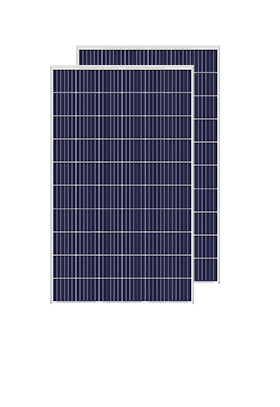



We have cooperated with more than 200 countries in solar energy projects and road lighting projects. We have exported products to many countries and participated in many important government projects around the world.




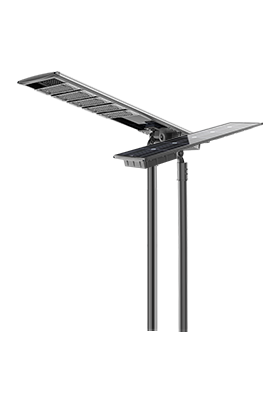


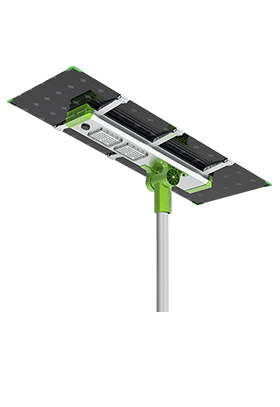

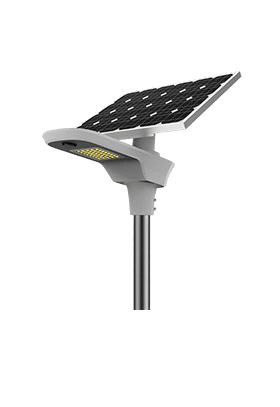


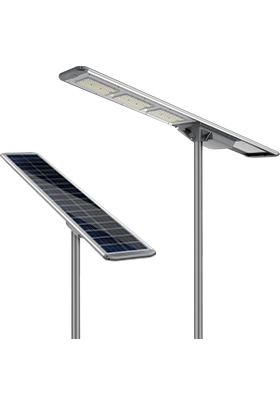
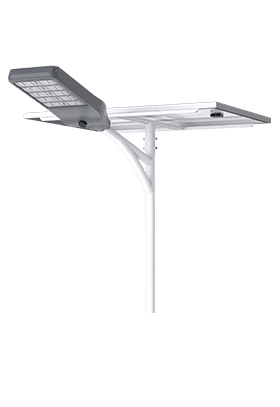
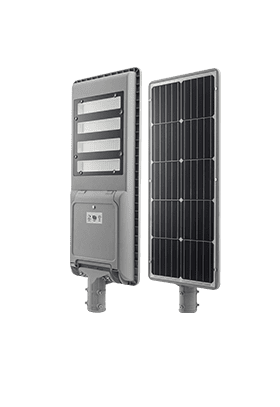
We have cooperated with more than 200 countries in solar energy projects and road lighting projects. We have exported products to many countries and participated in many important government projects around the world.

Anern has 17 years of experience in solar lighting and solar product manufacturing. Anern is headquartered in Guangzhou. With a production base of 30,000 square meters, our company has an R&D team of more than 100 people.
A 48V 200Ah LiFePO4 battery pack is a practical energy storage option for solar power systems, backup power applications, and other installations that require rechargeable battery storage.
Its nominal energy capacity depends on the battery's actual rated voltage. A battery rated at 48V and 200Ah provides approximately 9.6kWh of nominal energy, while a 51.2V 200Ah battery provides approximately 10.24kWh.
Beyond capacity, buyers should consider battery chemistry, cycle life, charging requirements, Battery Management System (BMS) functions, and inverter compatibility.
Lithium iron phosphate (LiFePO4) batteries are widely used in solar energy storage because of their good thermal stability, long cycle-life potential, and relatively low routine maintenance requirements.
Compared with conventional lead-acid batteries, LiFePO4 batteries generally offer a higher usable depth of discharge and longer cycle-life potential under suitable operating conditions. Actual performance depends on the battery design, charging settings, temperature, and usage conditions.
For more information about battery chemistry, charging characteristics, cycle life, and maintenance, explore our LiFePO4 battery guide.
Battery capacity is commonly expressed in ampere-hours (Ah), while stored energy is measured in kilowatt-hours (kWh).
The nominal energy capacity of a battery can be estimated using the following formula:
Nominal Energy (kWh) = Rated Voltage (V) × Capacity (Ah) ÷ 1,000
For a battery rated at 48V and 200Ah:
48V × 200Ah ÷ 1,000 = 9.6kWh
For a battery rated at 51.2V and 200Ah:
51.2V × 200Ah ÷ 1,000 = 10.24kWh
These figures represent nominal stored energy, not necessarily the amount of AC electricity available to connected appliances. Actual usable energy depends on depth-of-discharge limits, inverter efficiency, and operating conditions.
For example, Anern's AN-LPB-R 48V 200Ah rack-mounted lithium battery is specified with a nominal energy capacity of 9.6kWh.
A Battery Management System (BMS) helps monitor battery operating conditions, including voltage, current, and temperature. It also provides protective functions against abnormal charging and discharging conditions.
When integrating a LiFePO4 battery with a solar inverter, checking the voltage class alone is not sufficient. Battery charging parameters, current limits, and communication requirements must also be compatible with the selected inverter.
Some battery systems support communication interfaces such as RS485 or CAN, but the availability of a physical interface does not guarantee communication compatibility between different devices.
Read Anern's guide to solar inverter and battery compatibility to better understand BMS communication and integration requirements.
Solar power generation depends on the availability of sunlight, which makes energy storage an important consideration for off-grid systems and applications requiring backup power.
A 48V-class 200Ah LiFePO4 battery can store electricity generated by solar panels and make that energy available when solar generation is insufficient.
However, whether a single battery pack can meet a project's requirements depends on daily energy consumption, peak load, inverter efficiency, and the required backup duration.
Before selecting a 200Ah battery, calculate how much energy the connected equipment consumes and how long the battery must support the loads.
A larger battery capacity does not automatically guarantee sufficient backup time. System losses, permitted depth of discharge, and charging availability must also be considered.
You can use Anern's solar battery capacity calculator to estimate battery capacity based on your appliances and energy consumption.
For a broader explanation of battery chemistry, voltage, capacity, efficiency, and cycle-life considerations, see our guide on choosing the right battery for an off-grid solar system.
Anern offers different 200Ah lithium battery configurations for solar energy storage applications.
For example, the AN-LPB-Nplus 51.2V 200Ah wall-mounted lithium battery provides a 51.2V nominal voltage and is designed for applications requiring a wall-mounted battery configuration.
Rack-mounted and other battery configurations are also available for projects with different installation and system-integration requirements.
When comparing battery models, review the actual nominal voltage, stored energy, rated charging and discharging currents, dimensions, communication interfaces, and installation requirements.
Explore the Anern 200Ah lithium battery range to compare available product series and configurations.
Correct installation is important for battery safety, performance, and long-term operation.
Before installation, verify the mounting environment, battery voltage, charging settings, wiring requirements, and inverter compatibility.
For general installation considerations, refer to Anern's solar lithium battery installation guide. Always follow the instructions applicable to the exact battery model, and have electrical installation work performed by qualified personnel.
A 48V 200Ah LiFePO4 battery pack can be a useful energy storage component for off-grid solar power and backup applications.
However, battery selection should be based on more than the advertised voltage and ampere-hour capacity. Nominal stored energy, usable capacity, BMS functions, inverter compatibility, and installation conditions must all be considered.
By comparing verified product specifications with the actual energy requirements of the system, buyers can select a battery configuration better suited to their project.