EN
EN
 fr
fr  de
de  es
es  it
it  ru
ru  pt
pt  ar
ar  ms
ms  id
id 

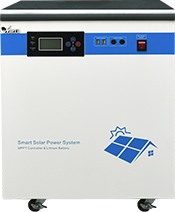


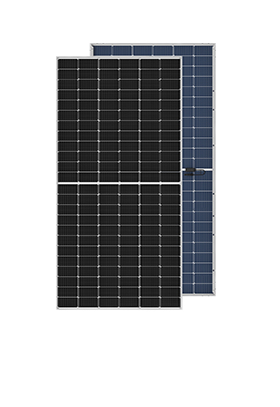
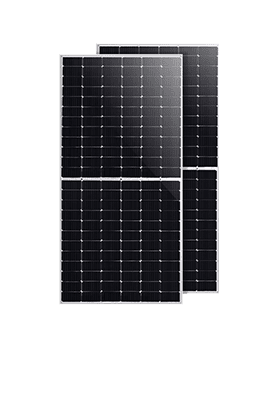
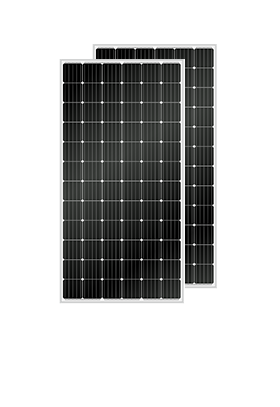
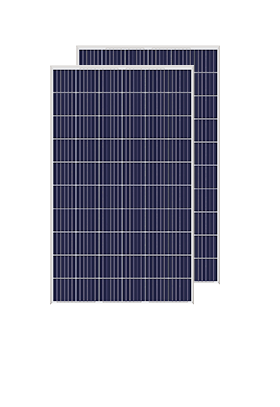


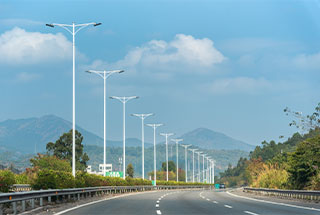
We have cooperated with more than 200 countries in solar energy projects and road lighting projects. We have exported products to many countries and participated in many important government projects around the world.




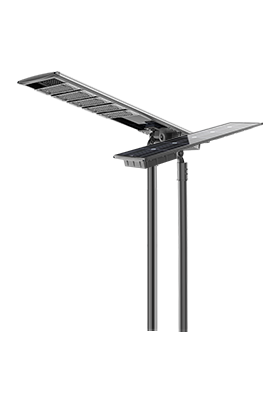


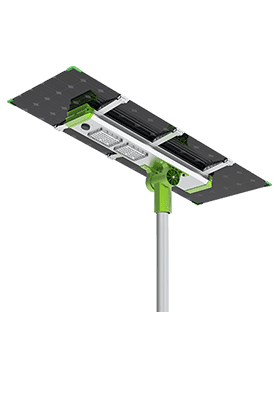
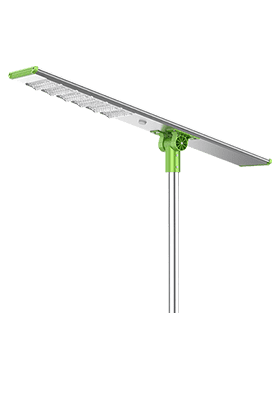
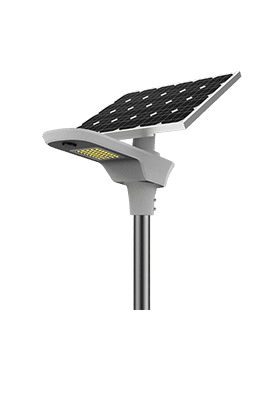


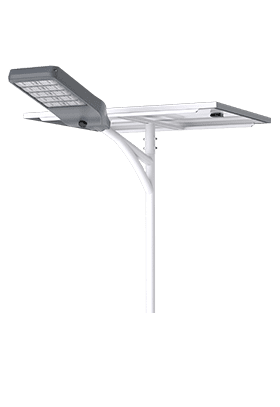
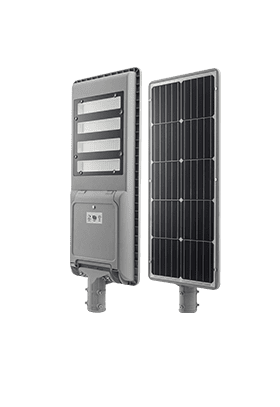
We have cooperated with more than 200 countries in solar energy projects and road lighting projects. We have exported products to many countries and participated in many important government projects around the world.

Anern has 17 years of experience in solar lighting and solar product manufacturing. Anern is headquartered in Guangzhou. With a production base of 30,000 square meters, our company has an R&D team of more than 100 people.
The top solar power providers in Nigeria include local EPC companies, solar installers, distributors, and international suppliers offering hybrid and off-grid systems.
For B2B buyers, the best providers are those that offer stable supply, scalable system solutions, and technical support for projects and distribution.
Key Takeaways
The most popular systems are 4kW–10kW hybrid solar systems with batteries
Solar providers include EPC contractors, installers, distributors, and global suppliers
B2B buyers prioritize bulk supply, system compatibility, and long-term support
Nigeria’s solar market is driven by multiple structural challenges:
Daily power outages and unreliable grid supply (World Bank data)
High cost of diesel generators and fuel (Statista energy reports)
Increasing demand from homes and SMEs
Rapid growth in off-grid and hybrid energy solutions across Africa (IEA)
According to global energy organizations such as IEA and IRENA, distributed solar systems are becoming the most scalable solution for regions with weak grid infrastructure.
As a result, solar power providers play a critical role in both energy access and commercial power stability in Nigeria.
Provide full project delivery (design → installation)
Focus on commercial and large residential systems
Small-scale installation services
Serve residential customers
Supply solar equipment locally
Support installers and EPCs
Provide complete systems (inverter + battery + panels)
Support distributors and project developers
Solar-as-a-service provider
Strong in commercial solutions
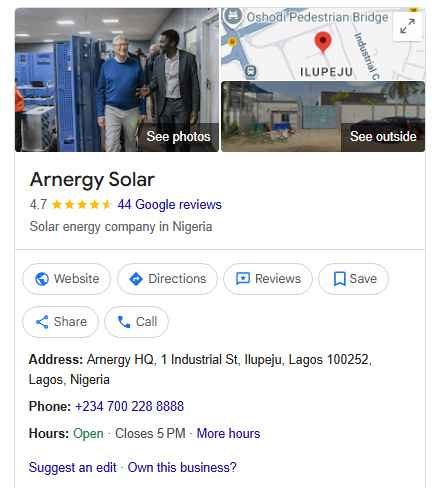
Pay-as-you-go solar solutions
Focus on off-grid households
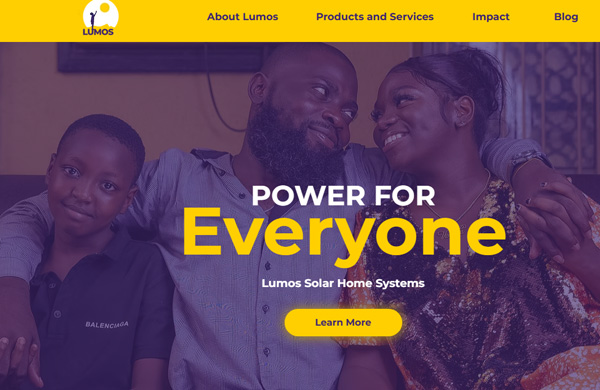
Commercial solar integration
Distribution network
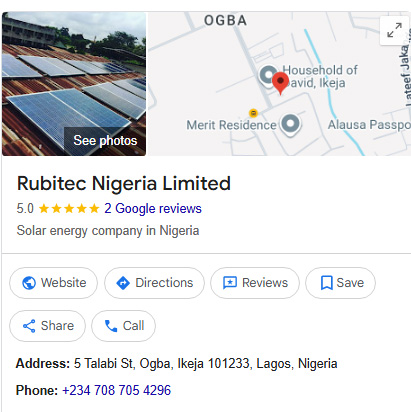
Mini-grid and rural electrification
Government-backed initiatives
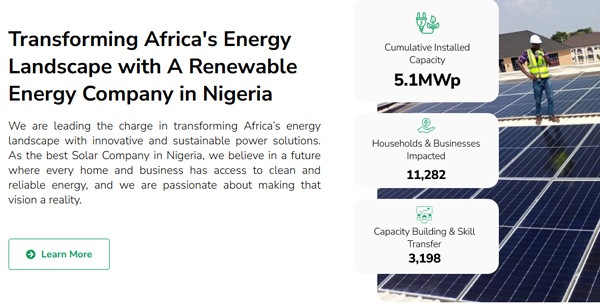
Hybrid solar systems, inverters, lithium batteries
Serves distributors, EPC contractors, and wholesalers
For B2B buyers, international suppliers like Anern are preferred because they provide:
Complete solar system kits
OEM / ODM customization
Scalable solutions for solar projects (Explore Nigeria Solar Projects)
Stable supply for bulk orders
Installation experience
Warranty and after-sales service
If you are a distributor, EPC contractor, or solar company:
✔ Stable bulk supply
✔ Hybrid system compatibility
✔ Lithium battery integration
✔ Technical and project support
✔ Custom branding (OEM/ODM)
This directly impacts your project delivery and profitability
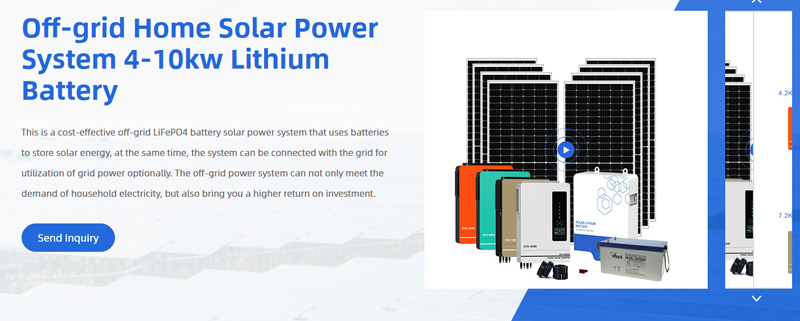
Residential: 4kW–10kW hybrid systems
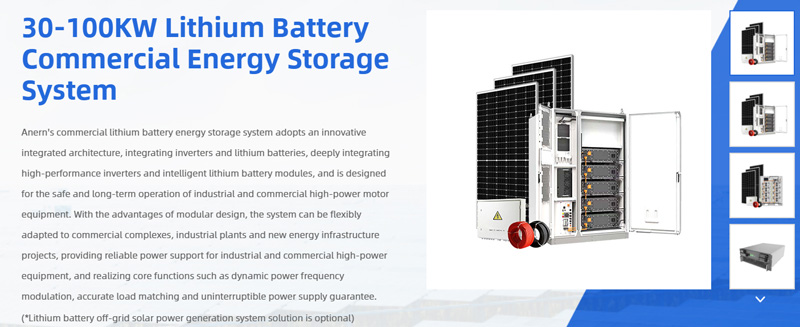
Commercial: 30kW–100kW systems
Battery: 10kWh–30kWh lithium storage
Hybrid systems are the most popular due to grid instability
Location: Lagos
System Size: 5kW Hybrid
Battery: 15kWh
Reduced diesel usage by 80%
Achieved stable 24-hour electricity
This configuration is widely used by installers and distributors
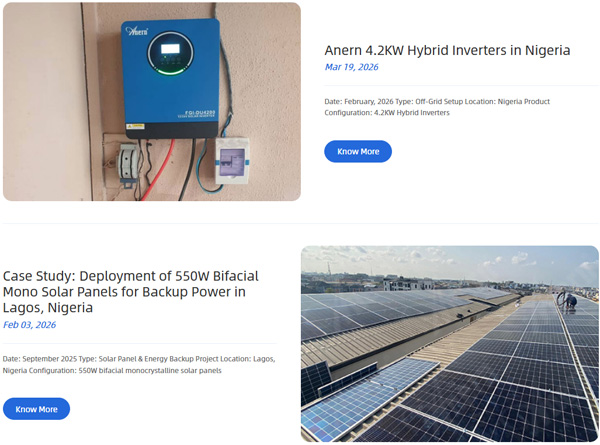
To find more real solar projects in Nigeria:
| System Size | Application Scenario | Total Cost (₦) |
| 1kW | Basic lighting + TV | ₦450,000 – ₦650,000 |
| 3kW | Small home / shop | ₦1.2M – ₦1.8M |
| 5kW | Residential + AC | ₦2.2M – ₦3.5M |
| 10kW | Commercial / office | ₦5.5M – ₦8.5M |
Mainstream transaction range: 3kW-10kW
Single project value: $800- $6000+
Batch project (EPC): $50K - $500K+
Panels: 35–45%
Battery: 30–40%
Inverter: 10–15%
Installation & BOS: 10–20%
Use the following tools:
Yes. Nigeria is one of the most profitable solar markets for:
Distributors
EPC contractors
Solar wholesalers
High demand
Repeat customers
Growing off-grid market
According to IRENA, solar power continues to be one of the most cost-effective energy solutions globally, driving rapid adoption in emerging markets like Nigeria.
They include EPC companies, distributors, and international suppliers offering hybrid and off-grid solar systems.
Hybrid solar systems with battery storage are the most reliable solution.
Most systems cost between $4,000 and $15,000, depending on size. Nigeria’s electricity tariffs and grid policies are regulated by the Nigerian Electricity Regulatory Commission (NERC), with ongoing reforms impacting energy costs.
Yes. Solar systems can reduce diesel usage by 70%–90%.
If you are:
A solar distributor
EPC contractor
Solar energy company
You need a partner that can provide:
Complete system solutions
Stable inventory
Technical support
Contact us for a customized solar solution for Nigeria solar projects.
Related Reading: