EN
EN
 fr
fr  de
de  es
es  it
it  ru
ru  pt
pt  ar
ar  id
id  ms
ms  uk
uk 





We have cooperated with more than 200 countries in solar energy projects and road lighting projects. We have exported products to many countries and participated in many important government projects around the world.




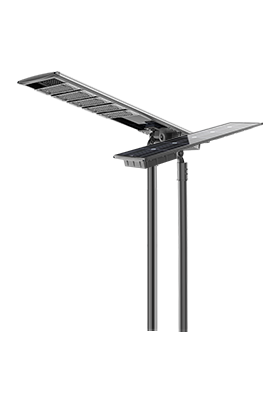


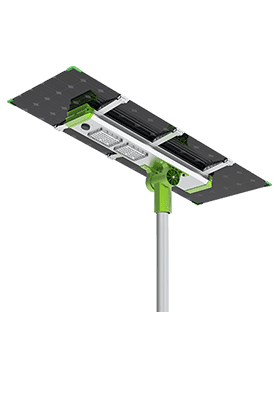

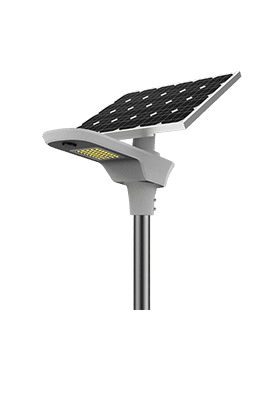


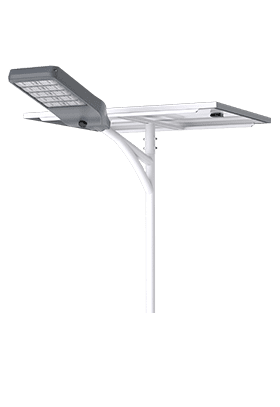
We have cooperated with more than 200 countries in solar energy projects and road lighting projects. We have exported products to many countries and participated in many important government projects around the world.

Anern has 17 years of experience in solar lighting and solar product manufacturing. Anern is headquartered in Guangzhou. With a production base of 30,000 square meters, our company has an R&D team of more than 100 people.
As the conversion efficiency and production technology of solar cells continue to improve, the application of solar photovoltaic power generation is becoming more widespread. In the field of lighting, solar light street lamps, as a main application mode of photovoltaic power systems today, are being recognized and accepted by more and morepeople. The editor, through analyzing the materials of various companies'solar light street lamps, finds that many people consider the system design of solar road lamps ratherone-sidedly, such as the consideration of peak hours, selection of battery capacity, and understanding of continuous rainy days, etc.
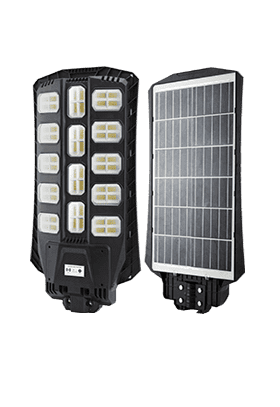
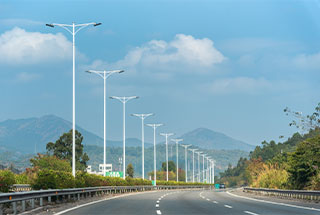
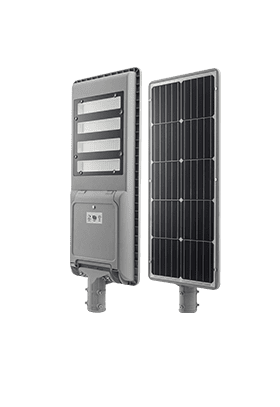
Solar road lamps mainly consist of solar cell modules, brackets, light sources, controllers, batteries, poles, etc. Solar road lamps utilize the photovoltaic effect principle of solar cells, where during the day the solar cells absorb the energy of sunlight photons to generate electricity, which is stored in the battery through a controller. When night falls or when the ambient light around the lamp is low, the battery powers the light source through the controller until the set time to cut off.
The basic principle of solar photovoltaic power systems is the same, so the design ideas for solar light street lamps can also be based on general solar power systems. First, determine the power of the light source, the working hours per day, ensure a few rainy days, and then calculate the capacity of the battery and the power of the solar cell module. However, solar road lamps have their specifics, needing to ensure the stability and reliability of the system's operation, so special attention is needed during design.
Solar cell modules
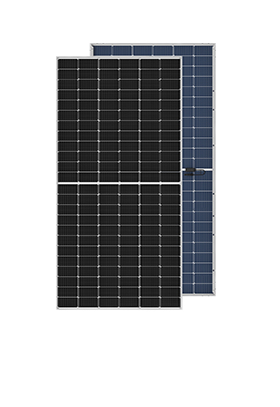
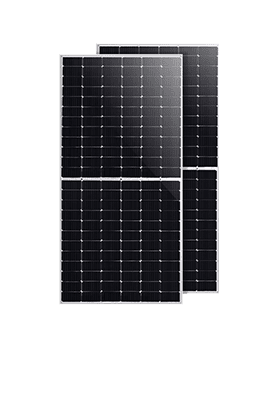
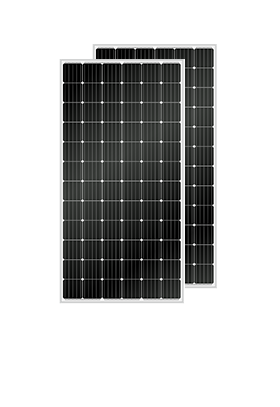
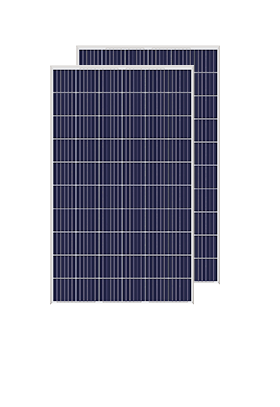
The voltage of solar cell modules will decrease with the rise in temperature. Due to the impact of high temperatures, the voltage loss of the cell modules is about 2V, and the diode voltage drop on the controller during the charging process is 0.7V, so a working voltage of 18V is chosen for the modules. Due tothe special nature of solar light street lamps, solar panels are generally installed on the light poles, which are usually over 5 meters high with a higher center of gravity, and most of the solar panels are hanging style, to enhance the wind resistance of the whole set of equipment, generally multiple solar panels are chosen to form the required module power.
Battery (Group)
When selecting a battery, it is necessary to consider the impact of the discharge rate on the battery capacity, the impact of temperature on the battery capacity, the impact of the depth of discharge on the battery capacity, and so on. Therefore, it is essential to choose deep cycle solar specific batteries. When connecting batteries in parallel, it is necessary to consider the imbalance between each individual battery, usually, the number of parallel groups should not exceed4 groups.