EN
EN
 fr
fr  de
de  es
es  it
it  ru
ru  pt
pt  ar
ar  ms
ms  id
id 

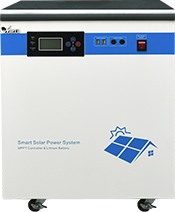


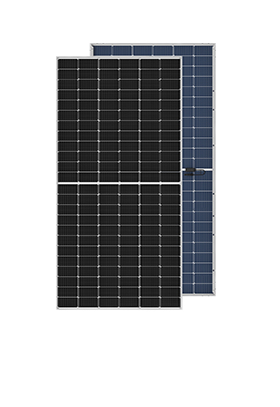
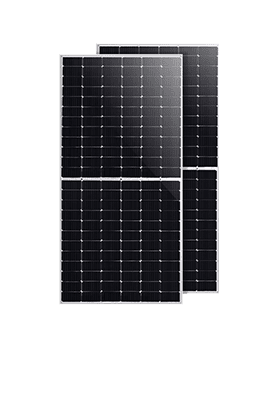
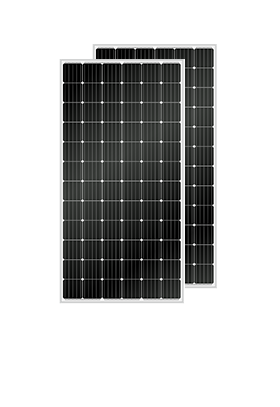
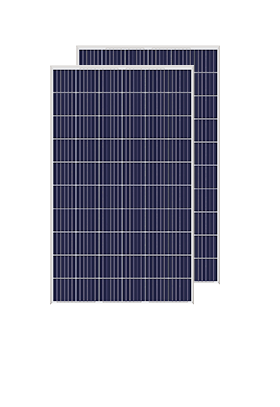


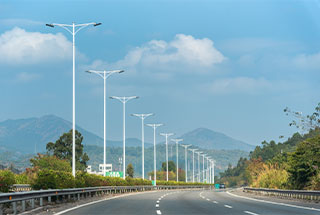
We have cooperated with more than 200 countries in solar energy projects and road lighting projects. We have exported products to many countries and participated in many important government projects around the world.




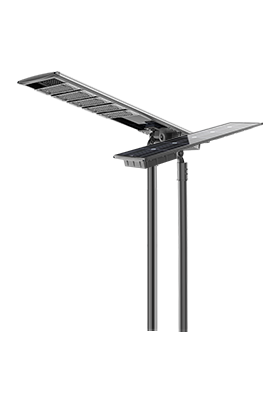


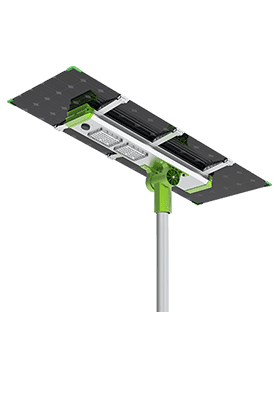
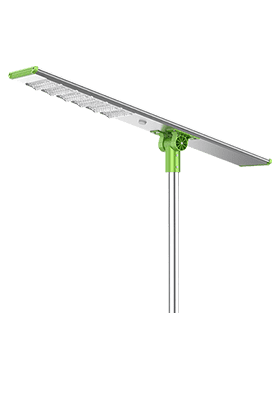
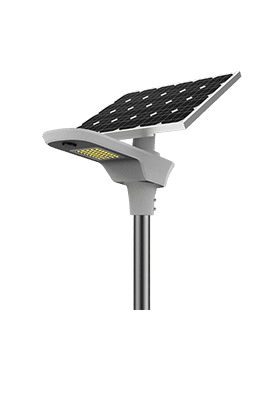


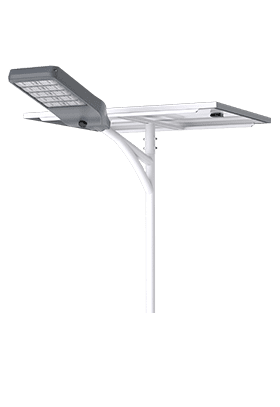
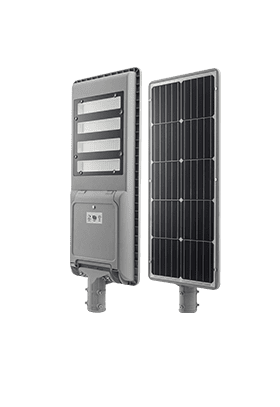
We have cooperated with more than 200 countries in solar energy projects and road lighting projects. We have exported products to many countries and participated in many important government projects around the world.

Anern has 17 years of experience in solar lighting and solar product manufacturing. Anern is headquartered in Guangzhou. With a production base of 30,000 square meters, our company has an R&D team of more than 100 people.
With the advancement of photovoltaic production technology and government policy support, solar power generation has been like "the swallows of the old Wang Xie's hall, flying into ordinary households" in recent years, and more and more households and enterprises are gradually installing the Anern solar power system on their rooftops. However, many users have found that why the same amount of solar panels produce different amounts of electricity during the same period? What are the factors that affect the amount of electricity generated by Anern solar power system?
The solar resources in different regions are different. The areas with better solar resources will naturally have higher electricity generation.
When assembling the components, they should be assembled at the angle with the most abundant sunlight (the south direction of the Northern Hemisphere is the best direction), and the assembly inclination angle is usually determined by the latitude of the assembly position, which is slightly different in different regions.
The conversion efficiency of high-quality photovoltaic products is significantly higher than that of inferior products. Choosing qualified photovoltaic products from regular manufacturers is a very important thing, and it is also an indispensable part of ensuring high power generation of photovoltaic power stations.
When assembling the Anern solar power system, you must find a regular and reliable photovoltaic company! With reliable products, plus professional design, assembly facilities, and sound after-sales operation, we can ensure that the solar power system you invest in can operate stably!
Anern has always adhered to the concept of innovative technology and modernism, pursued technological innovation, shaped industry standards, operated with integrity, and pursued excellent quality. It is the cornerstone of customer trust and cooperation.