EN
EN
 fr
fr  de
de  es
es  it
it  ru
ru  pt
pt  ar
ar  ms
ms  id
id 

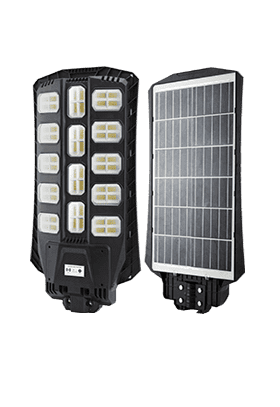




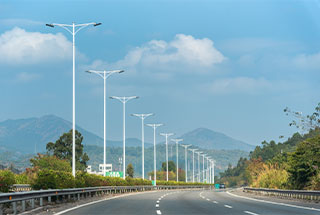
We have cooperated with more than 200 countries in solar energy projects and road lighting projects. We have exported products to many countries and participated in many important government projects around the world.




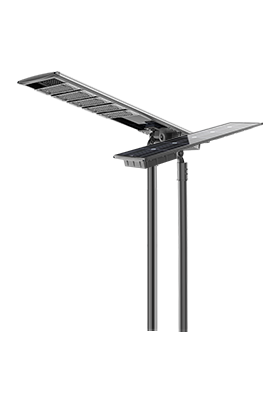


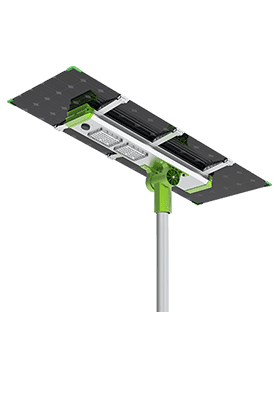
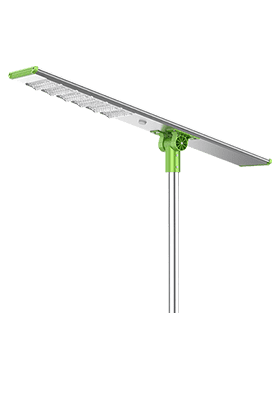
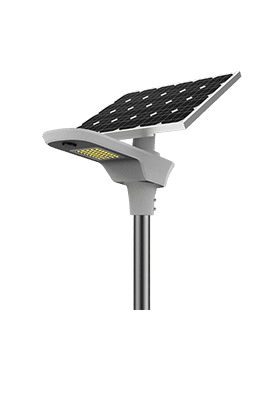


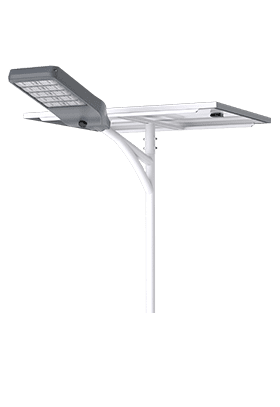
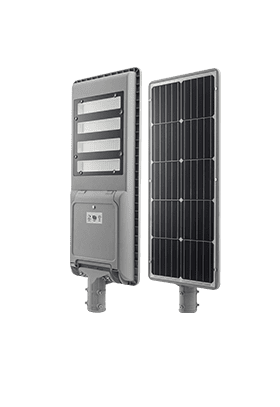
We have cooperated with more than 200 countries in solar energy projects and road lighting projects. We have exported products to many countries and participated in many important government projects around the world.

Anern has 17 years of experience in solar lighting and solar product manufacturing. Anern is headquartered in Guangzhou. With a production base of 30,000 square meters, our company has an R&D team of more than 100 people.
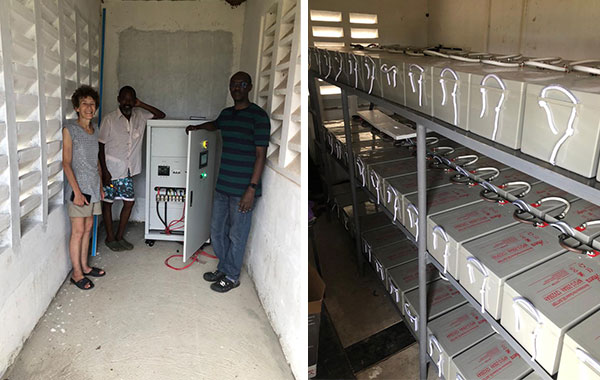
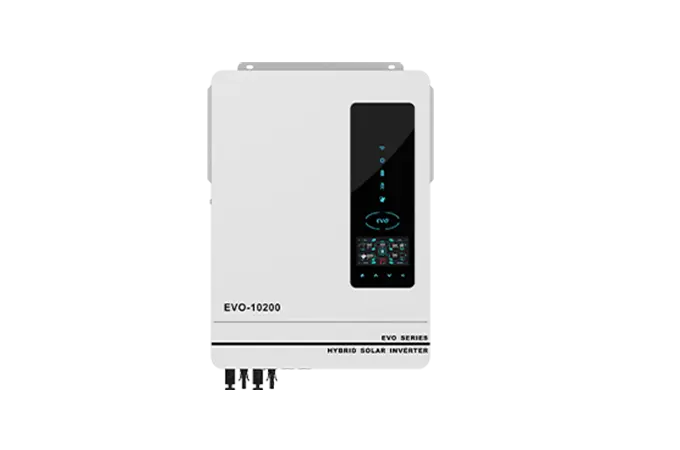
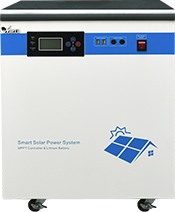
This case study is about the deployment of an EVO-6.2kW residential solar energy system in Tanzania. The project represents a follow-up collaboration with an existing customer and focuses on providing stable household power generation through an integrated solar inverter and lithium battery solution.
Project Location: Tanzania
Date: February 15, 2024
System Type: Residential solar system
Quantity: 1 set
Buyer Type: Returning customer
Application: Home Use
Installation model: Complete solar home system deployment
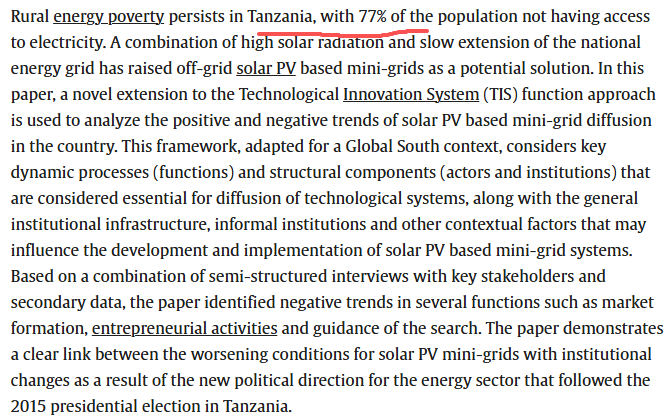
From the sciencedirect.com, an energy reports in 2024 shows rural energy poverty persists in Tanzania, with 77% of the population not having access to electricity. Even in urban centers like Dar es Salaam, the national grid (operated by the state utility TANESCO) struggles with reliability due to an aging infrastructure, financial constraints, and an over-reliance on hydropower which is susceptible to droughts.
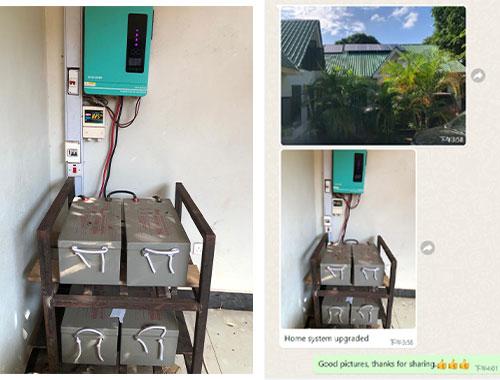
The client involved in this project had previously deployed a battery-based solar power generation system and had firsthand experience with its operational benefits, including stable power supply and reduced reliance on grid power.
Following the successful operation of the earlier system, the client initiated a second phase to further improve household power capacity.
The new requirements focused specifically on a home-use solar power generation system that could:
Support daily residential electricity consumption
Provide stable inverter performance
Integrate energy storage for flexible usage
Based on these requirements, an EVO-6.2kW home solar system was proposed by Anern.
The installed system included the following core components:
Inverter: EVO-6.2kW solar inverter ( Download File )
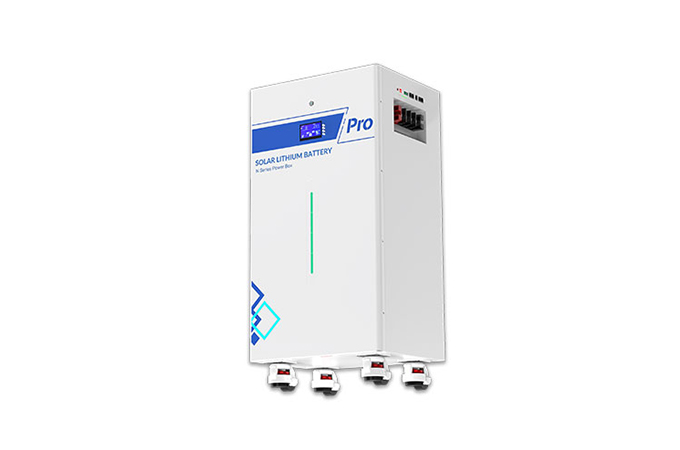
Energy storage: Solar Lithium battery
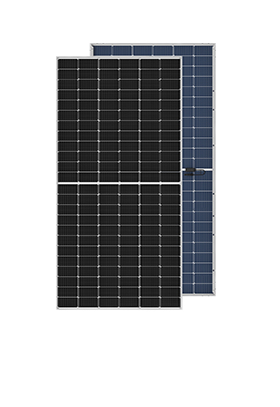
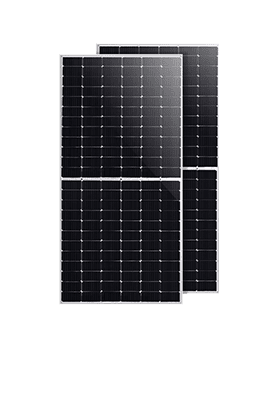
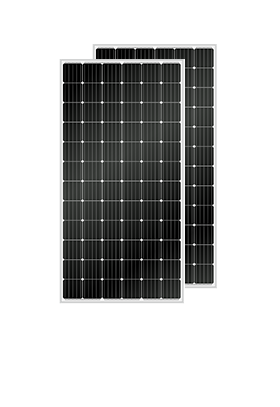
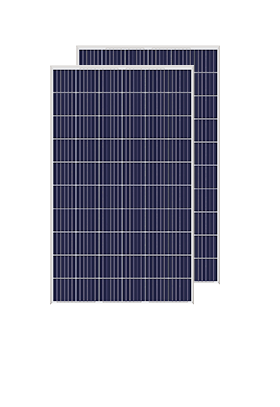
Power generation: Solar panels
System structure: Rack and wiring accessories
This configuration was designed to support household electricity needs while allowing efficient energy conversion and storage.
During the installation process, the technical personnel adhered to the pre-established installation plan to ensure:
Correct placement and ventilation of the hybrid inverter
Ensure the safe installation of batteries and racks
Correct wiring and system connection
System debugging and stable startup
All components were tested after installation to confirm their normal operation and system stability.
After commissioning, the system provided:
Reliable household power generation
Improved energy independence for daily living
A stable operating experience consistent with the customer's previous system
The successful deployment reinforced the customer's confidence in solar energy solutions for long-term residential use.
This case illustrates how integrated home solar systems combining inverters, lithium batteries, and photovoltaic panels can support residential energy needs in regions with limited grid reliability.
This also demonstrates the value of repeated collaboration when system performance meets actual expectations.
Q: What type of system was installed in this project?
A: A complete residential solar power generation system including an EVO-6.2kW inverter, lithium battery, and solar panels.
Q: Why was lithium battery storage used?
A: Lithium batteries provide efficient energy storage, flexible charging, and stable performance for household solar applications.
Q: Was this the customer's first solar system?
A: No. This project followed a previous successful deployment, making it a repeat cooperation.
Q: Is this system suitable for other residential users in Tanzania?
A: Yes. Similar systems can be adapted for residential users with comparable power demand and installation conditions.