EN
EN
 fr
fr  de
de  es
es  it
it  ru
ru  pt
pt  ar
ar  id
id  ms
ms  uk
uk 



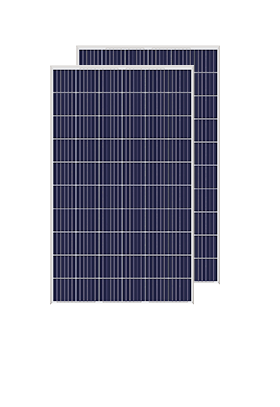


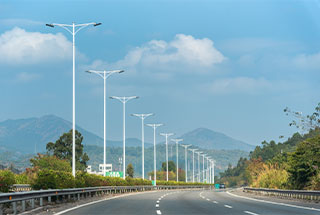
We have cooperated with more than 200 countries in solar energy projects and road lighting projects. We have exported products to many countries and participated in many important government projects around the world.




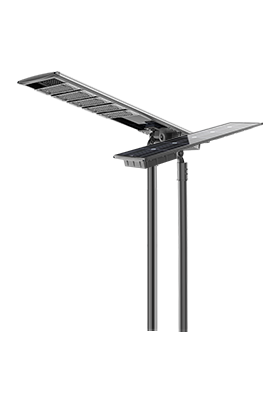


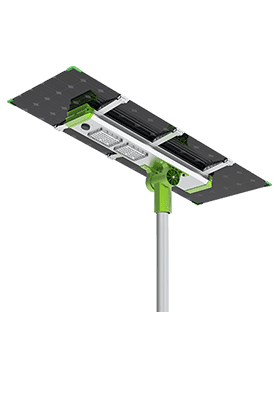
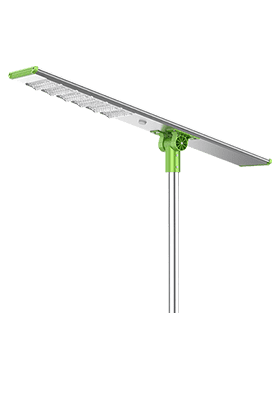
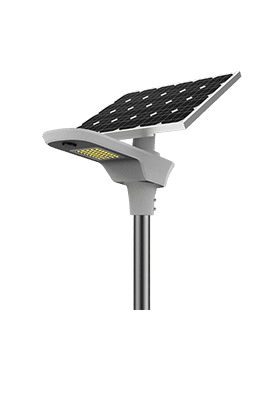


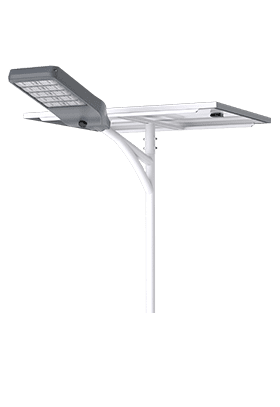
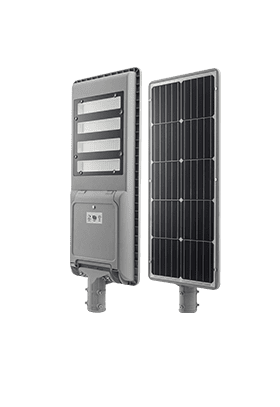
We have cooperated with more than 200 countries in solar energy projects and road lighting projects. We have exported products to many countries and participated in many important government projects around the world.

Anern has 17 years of experience in solar lighting and solar product manufacturing. Anern is headquartered in Guangzhou. With a production base of 30,000 square meters, our company has an R&D team of more than 100 people.
The rapid development of solar technology has provided us with cleaner, more sustainable energy solutions, and off-grid solar PV systems are a particularly noticeable part of this. Understanding how to use off-grid solar PV systems is key to fully leveraging this technology. This article will delve into the steps to build and operate off-grid solar PV systems as well as relevant considerations.
Step 1: Preparation
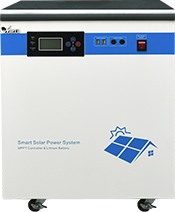
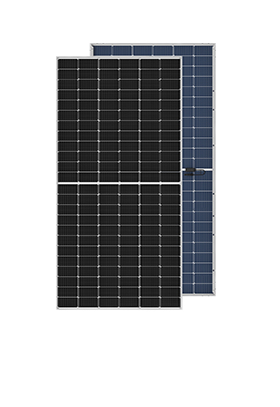
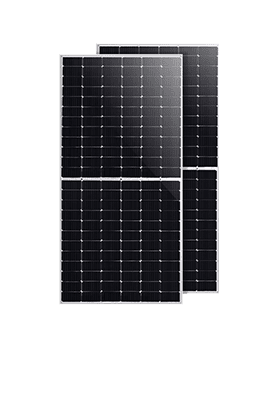
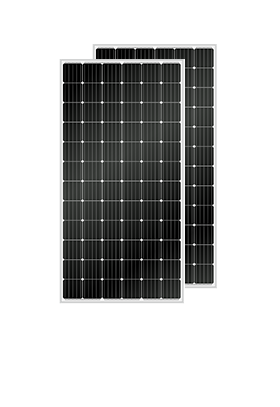
Before getting into the specific installation steps, we first need to understand the basic components of an off-grid solar PV system. The system mainly includes solar panels, charge controllers, inverters, and battery banks. In addition, there are some auxiliary devices such as circuit breakers, meters, MC4 connectors, and fuses, etc. These components work together to ensure the system runs efficiently and stably.
Step 2: Electrical Load Calculation
Before installation, understanding your home's electrical load is crucial. Record the daily use of household appliances, including TVs, lights, fans, etc., and calculate their operating time. An online off-grid load calculator can simplify this step, ensuring the system's capacity is sufficient to meet daily needs.
Step 3: Battery Selection and Charging
One of the keys to an off-grid solar system is the selection of batteries. Lead-acid or lithium-ion batteries store the solar energy generated during the day for use at night. Using a power controller to monitor the battery's charging status is a critical step in ensuring the battery's lifespan.
Step 4: Setting up the Solar PV Inverter
The solar PV inverter is a device that converts the DC electricity generated by solar panels into AC electricity. Pure sine wave inverters are widely chosen in off-grid systems to ensure the output current is stable and suitable for all types of appliances.
Step 5: Installation of Solar Panels
Choose the right location, usually on the roof or open ground, to install solar panels to receive the maximum solar radiation. A good installation site will directly affect the efficiency of power generation.
Step 6: Connecting Solar Panels with Batteries
Correctly connecting the solar panels and batteries in series and parallel ensures smooth energy transfer within the system. This step is crucial for the system's efficient operation.
Step 7: Final Setup
Lastly, install and connect the photovoltaic inverter and batteries. Once all connections are made, the off-grid solar PV system will start providing you with clean, renewable energy. Enjoy the convenience of solar energy and experience a green lifestyle.
After the system is put into use, regular checks and maintenance are necessary steps to ensure its long-term stable operation. With proper use and maintenance, the off-grid solar PV system will provide your home with a reliable independent power source.