EN
EN
 fr
fr  de
de  es
es  it
it  ru
ru  pt
pt  ar
ar  ms
ms  id
id 

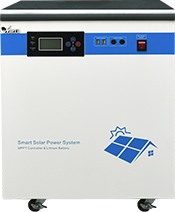


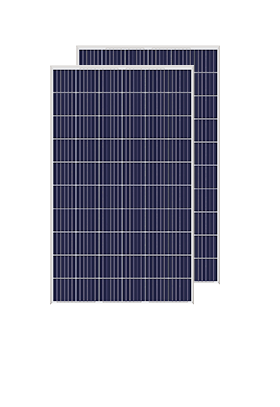



We have cooperated with more than 200 countries in solar energy projects and road lighting projects. We have exported products to many countries and participated in many important government projects around the world.




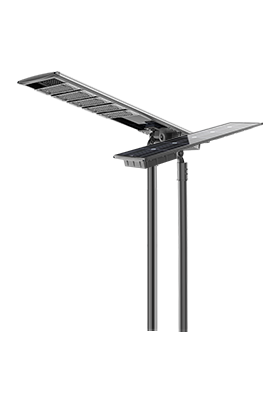


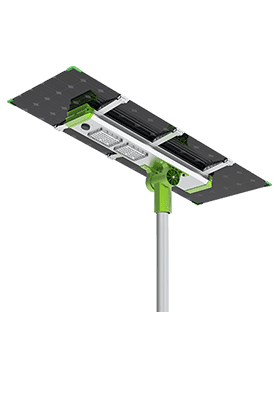
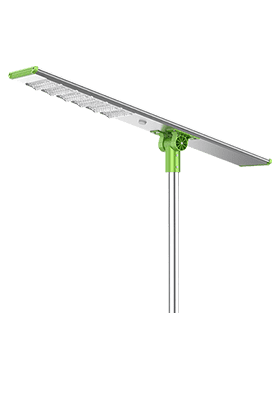
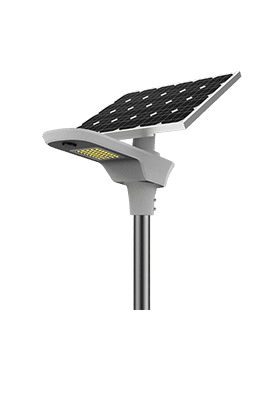


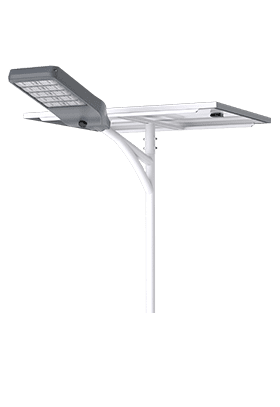
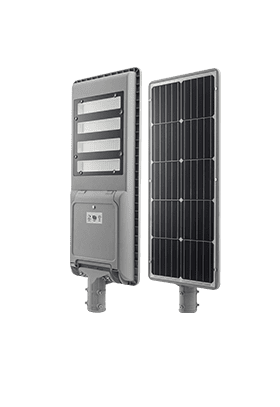
We have cooperated with more than 200 countries in solar energy projects and road lighting projects. We have exported products to many countries and participated in many important government projects around the world.

Anern has 17 years of experience in solar lighting and solar product manufacturing. Anern is headquartered in Guangzhou. With a production base of 30,000 square meters, our company has an R&D team of more than 100 people.
Battery storage has become one of the most important components of modern solar energy systems. Whether powering an off-grid home, supporting a commercial energy storage project, or providing backup electricity during outages, the battery determines how efficiently solar energy can be stored and used after sunset.
Today, buyers generally choose between two mature technologies: lithium batteries and lead-acid batteries. While lead-acid batteries have served the renewable energy industry for decades, lithium iron phosphate (LiFePO₄) batteries are rapidly becoming the preferred option because of their higher efficiency, longer lifespan, and lower maintenance requirements.
However, that doesn't mean lead-acid batteries are obsolete. The best choice depends on project size, budget, operating environment, and long-term energy goals.
As a professional solar lithium battery supplier, Anern provides advanced LiFePO₄ battery solutions designed for residential, commercial, and industrial solar storage systems. This guide compares both technologies to help buyers make informed investment decisions.
Lithium batteries used in solar applications are typically based on Lithium Iron Phosphate (LiFePO₄) chemistry.
Unlike consumer lithium batteries designed for portable electronics, LiFePO₄ batteries are engineered for daily charging and discharging over many years while maintaining high safety standards.
Modern solar lithium batteries integrate sophisticated Battery Management Systems (BMS) that continuously monitor:
Cell voltage
Charging current
Temperature
State of charge
Cell balancing
Overcurrent protection
Because of these intelligent management functions, lithium batteries deliver stable performance under demanding operating conditions.
Popular capacities include 48V 200Ah lithium battery, 51.2 V 200Ah, and LiFePO₄ 300 Ah configurations, which are widely used in residential and commercial energy storage systems.
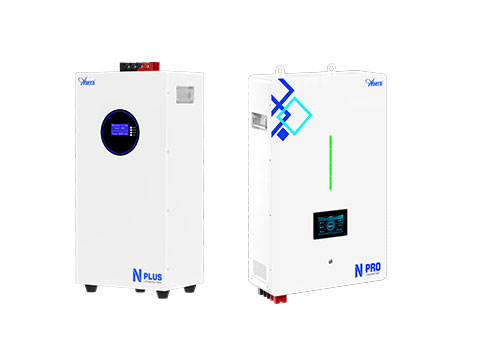
Lead-acid batteries have powered backup systems, telecommunications equipment, and off-grid solar installations for decades.
They generate electricity through electrochemical reactions between lead plates and sulfuric acid.
Several types are commonly used in solar systems:
Flooded lead-acid
AGM (Absorbent Glass Mat)
Gel batteries
Lead-acid technology remains attractive because of its relatively low initial purchase cost and widespread availability.
However, compared with modern lithium batteries, lead-acid systems generally require more maintenance and offer shorter service life.
Although both battery types perform the same basic function, their technical characteristics differ significantly.
Feature | Lithium Battery | Lead-Acid Battery |
Cycle life | 4,000–6,000+ cycles | 500–1,500 cycles |
Recommended depth of discharge | Up to 90–95% | Around 50% |
Charging speed | Fast | Slower |
Energy efficiency | Typically >95% | Around 80–85% |
Weight | Much lighter | Much heavier |
Maintenance | Minimal | Regular (depending on type) |
Battery management | Built-in BMS | Usually external monitoring |
Operating life | 10–15 years | 3–7 years |
Although lead-acid batteries usually cost less initially, lithium batteries often provide lower total ownership costs because they require fewer replacements throughout the system lifetime.
Homeowners increasingly choose lithium batteries because they provide higher usable capacity, faster charging, and longer service life.
A hybrid solar inverter with battery can efficiently coordinate photovoltaic generation, household consumption, and battery storage to maximize self-consumption.
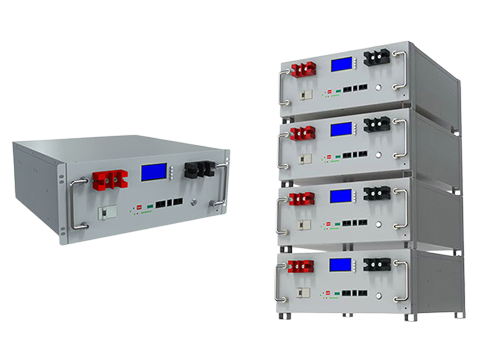
Wall-mounted and rack mount lithium battery systems are particularly popular for modern residential installations due to their compact design and easy expansion.
Commercial users often experience significant electricity demand fluctuations throughout the day.
A commercial lithium battery system enables businesses to:
Reduce peak electricity demand
Increase solar self-consumption
Improve backup power capability
Enhance energy independence
Larger capacities, including 30kW lithium battery systems, are increasingly deployed in factories, warehouses, hotels, schools, and office buildings.
Remote homes, farms, and telecommunications stations require dependable battery storage because utility electricity is unavailable.
Lithium batteries offer important advantages in these environments:
Higher energy density
Better low-load efficiency
Faster recovery after cloudy weather
Reduced maintenance visits
These characteristics lower long-term operating costs for remote installations.
Integrated renewable lighting systems increasingly rely on lithium battery technology.
Many solar LED street light all in one products use LiFePO₄ batteries because they tolerate daily charging cycles while operating reliably under varying weather conditions.
The lightweight battery design also simplifies installation and maintenance.
Price remains one of the biggest considerations when selecting battery technology.
Lead-acid batteries generally require a lower upfront investment.
This makes them attractive for projects with limited budgets.
Lithium batteries usually involve higher initial costs due to advanced cell chemistry and integrated Battery Management Systems.
Purchase price alone does not represent the total investment.
Because lithium batteries typically last several times longer than lead-acid batteries, replacement frequency decreases substantially.
Higher charging efficiency also reduces energy losses over many years of operation.
Consequently, lifecycle cost often favors lithium technology despite higher initial pricing.
Flooded lead-acid batteries may require:
Water replenishment
Terminal cleaning
Ventilation monitoring
Equalization charging
Lithium batteries require very little routine maintenance.
The integrated BMS automatically protects battery cells from abnormal operating conditions while simplifying system management.
There is no single battery technology suitable for every solar project.
A lithium battery is generally the better option if you value:
Long service life
High charging efficiency
Compact installation
Minimal maintenance
Frequent daily cycling
Future system expansion
Lead-acid batteries may still be appropriate when:
Initial investment is the primary concern
Energy consumption is relatively low
System usage is occasional
Existing infrastructure already supports lead-acid technology
For projects integrating a hybrid inverter battery system, lithium batteries often deliver superior long-term performance because they communicate directly with modern inverter Battery Management Systems.
Likewise, a hybrid inverter with solar battery charging can intelligently optimize charging profiles to maximize lithium battery lifespan and efficiency.
As an experienced solar lithium battery supplier, Anern offers a comprehensive range of LiFePO₄ energy storage products designed for residential, commercial, and industrial applications.
Its product portfolio includes:
Wall-mounted lithium batteries
Rack mount lithium battery systems
High-capacity commercial lithium battery systems
Designed to work seamlessly with Anern hybrid inverters, these batteries feature intelligent BMS protection, high cycle life, excellent charging efficiency, and compatibility with modern photovoltaic systems. Whether customers require backup power for homes or scalable storage for commercial projects, Anern provides flexible battery solutions that support long-term energy independence.
As a trusted lithium battery factory, the company also offers OEM and ODM services for distributors and international partners seeking customized energy storage products.
Homeowners in regions with unstable electricity supply have installed Anern 48V 200Ah lithium battery systems alongside hybrid inverters to power lighting, appliances, refrigeration, and home offices. Intelligent battery management enables reliable backup during grid outages while maximizing solar self-consumption.
Commercial buildings have adopted Anern commercial lithium battery solutions to store excess daytime solar generation and discharge energy during peak utility pricing periods. This strategy reduces electricity costs while improving overall energy efficiency.
Farms operating irrigation pumps, cold storage facilities, and livestock equipment use Anern lithium battery systems with hybrid inverters to ensure dependable electricity throughout changing weather conditions. The batteries' long cycle life minimizes maintenance requirements in remote rural locations.
Industrial customers requiring larger storage capacities deploy modular rack mount lithium battery systems that can be expanded as energy demand grows. Combined with intelligent inverter control, these installations provide stable backup power, improved energy management, and lower operating costs.
Both lithium and lead-acid batteries continue to play important roles in solar power systems, but their strengths differ significantly. Lead-acid technology remains a practical option for budget-sensitive or low-demand applications, while lithium batteries have become the preferred choice for users seeking higher efficiency, longer service life, greater usable capacity, and reduced maintenance.
As solar-plus-storage systems become more common, the long-term economic advantages of LiFePO₄ technology continue to grow. When paired with intelligent hybrid inverters, lithium batteries enable homeowners, businesses, farms, and industrial facilities to maximize renewable energy utilization while improving power reliability.
With its extensive portfolio of advanced LiFePO₄ batteries and integrated solar storage solutions, Anern helps customers worldwide build safe, scalable, and future-ready energy systems that deliver dependable performance for years to come.