EN
EN
 fr
fr  de
de  es
es  it
it  ru
ru  pt
pt  ar
ar  ms
ms  id
id 



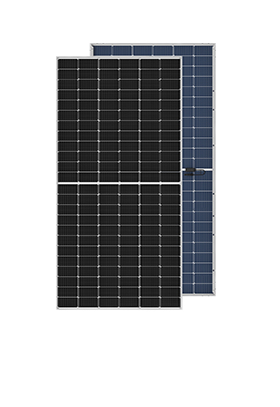
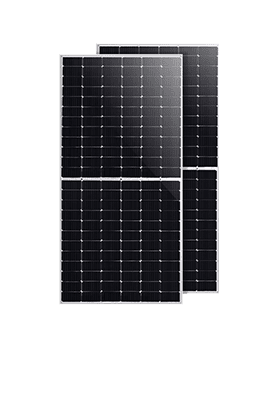
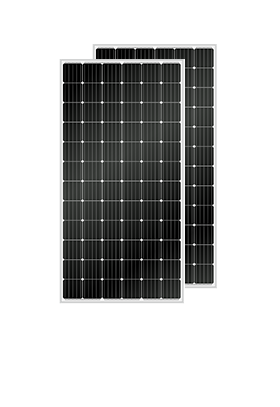
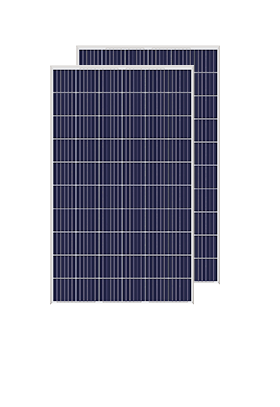



We have cooperated with more than 200 countries in solar energy projects and road lighting projects. We have exported products to many countries and participated in many important government projects around the world.




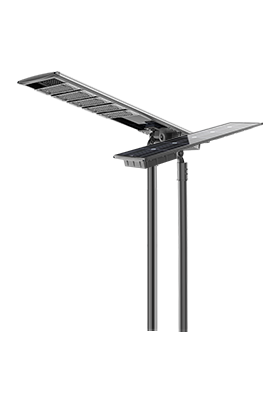


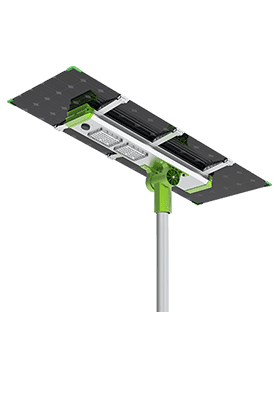
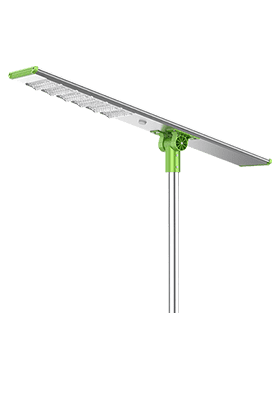
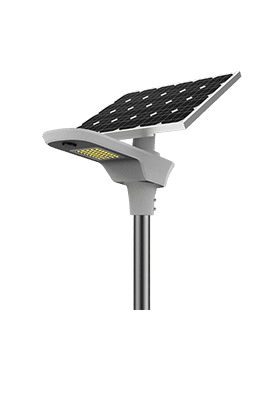


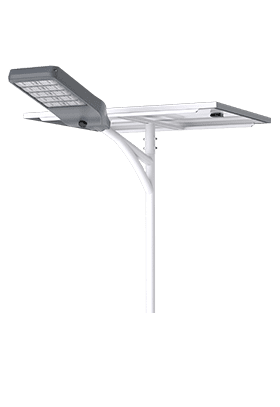
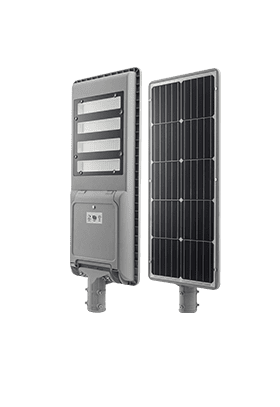
We have cooperated with more than 200 countries in solar energy projects and road lighting projects. We have exported products to many countries and participated in many important government projects around the world.

Anern has 17 years of experience in solar lighting and solar product manufacturing. Anern is headquartered in Guangzhou. With a production base of 30,000 square meters, our company has an R&D team of more than 100 people.
Understanding the difference between an MPPT charge controller and an MPPT inverter is critical when designing or purchasing a solar energy system. While both devices leverage Maximum Power Point Tracking technology, they serve fundamentally different roles within the system architecture. Confusing the two can lead to inefficient system design, unnecessary costs, or even performance limitations.
So how exactly do they differ—and more importantly, how do you decide which one your system actually needs?
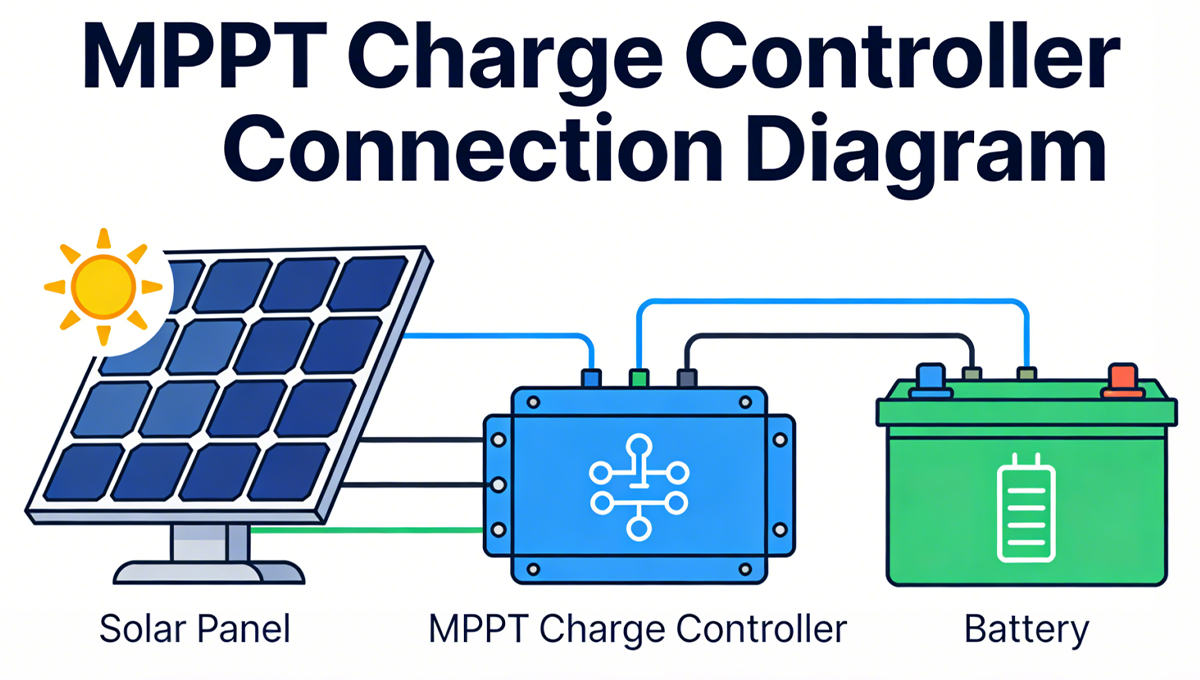
An MPPT charge controller is a device used in solar power systems to regulate the voltage and current coming from solar panels before sending it to batteries. Its primary role is to ensure that batteries are charged efficiently and safely while maximizing the energy harvested from solar panels.
Unlike basic charge controllers, MPPT (Maximum Power Point Tracking) controllers actively track the optimal operating point of solar panels. As environmental conditions change—such as sunlight intensity or temperature—the controller dynamically adjusts the electrical operating point to extract the maximum available power.
The underlying principle is based on continuously optimizing the relationship between voltage and current. Instead of forcing the panel to operate at battery voltage (as PWM controllers do), MPPT controllers convert excess voltage into additional current, thereby improving charging efficiency.
This becomes especially valuable in off-grid systems or energy storage setups where battery performance directly impacts system reliability. In such scenarios, even small efficiency gains can significantly improve daily energy availability.
An MPPT inverter is a more advanced device that not only performs Maximum Power Point Tracking but also converts DC electricity generated by solar panels into usable AC power for loads or grid connection. In other words, it combines optimization and power conversion into a single unit.
If you want a deeper explanation, you can refer to our detailed guide: What is mppt inverter: Everything You Need to Know
In a solar system, the MPPT inverter acts as the central processing unit. It directly interfaces with solar panels, tracks their maximum power point, and then converts the optimized DC output into AC electricity that can power equipment, buildings, or be fed into the grid.
Compared to MPPT charge controllers, MPPT inverters are typically used in grid-tied, hybrid, or large-scale commercial systems where AC output is required. They eliminate the need for a separate inverter in many configurations, simplifying system design.
| Feature | MPPT Charge Controller | MPPT Inverter |
|---|---|---|
| Primary Function | Regulates charging to batteries | Converts DC to AC + MPPT tracking |
| Power Conversion Type | DC to DC | DC to AC |
| System Role | Battery management | System core (power conversion + optimization) |
| Typical Use Case | Off-grid systems with batteries | Grid-tied, hybrid, commercial systems |
| Complexity | Lower | Higher |
| Cost | Lower upfront | Higher upfront |
| Scalability | Limited | Highly scalable |
| Integration | Requires separate inverter | Often all-in-one solution |
At a glance, the difference seems straightforward—but in real-world applications, the choice depends heavily on system goals, load type, and whether energy storage is involved.
To truly understand the difference between MPPT controllers and MPPT inverters, it helps to look at how they fit into a complete solar system.
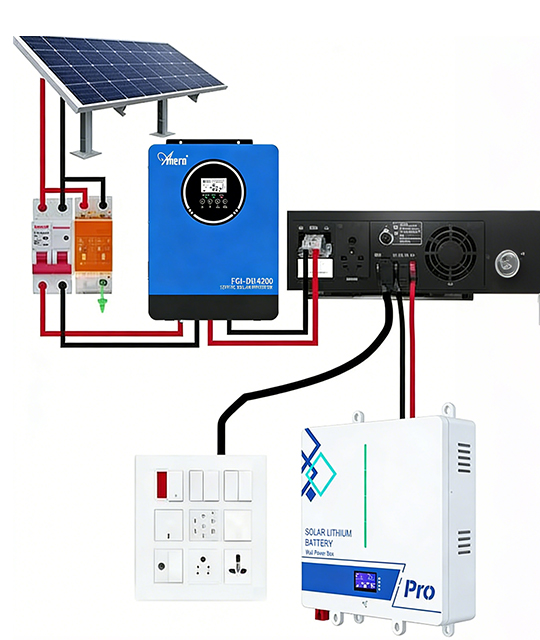
In a traditional off-grid setup using an MPPT charge controller, the system follows a multi-step architecture: solar panels generate DC electricity, which is then regulated by the MPPT controller before being stored in batteries. From there, a separate inverter converts the stored DC power into AC for use by appliances.
This layered architecture offers flexibility, especially in smaller systems or remote applications. However, it also introduces additional components, wiring complexity, and potential points of failure.
By contrast, systems built around MPPT inverters often follow a more streamlined design. The inverter directly connects to the solar array, performs MPPT optimization, and converts the energy into AC in one step. In hybrid systems, it may also manage battery charging internally, further simplifying the architecture.
So which approach is better? It depends. If your system is heavily battery-dependent and relatively small, a controller-based setup might be sufficient. But for larger systems requiring scalability, efficiency, and simplified integration, MPPT inverters typically provide a more robust solution.
At the core of the difference between these two devices is how they handle power conversion.
An MPPT charge controller performs DC-to-DC conversion. It takes the variable DC output from solar panels and adjusts it to match the optimal charging requirements of the battery. During this process, it also ensures that the panels operate at their maximum power point.
An MPPT inverter, on the other hand, performs DC-to-AC conversion. After optimizing the DC input using MPPT algorithms, it converts the electricity into AC power that can be used by most electrical devices or fed into the grid.
This distinction has significant implications. DC-to-DC conversion is generally more efficient and simpler, but it limits the system to battery-based applications. DC-to-AC conversion, while slightly more complex, enables broader use cases, including direct power supply to commercial and industrial loads.
In essence, MPPT controllers optimize energy for storage, while MPPT inverters optimize energy for consumption.
From a purely technical standpoint, both MPPT controllers and MPPT inverters are highly efficient, often achieving conversion efficiencies above 95%. According to the National Renewable Energy Laboratory (NREL), modern solar inverters typically operate in the range of 96%–98% efficiency under standard conditions, with some high-performance systems exceeding 98% peak efficiency.
MPPT controllers excel in battery charging efficiency, particularly in off-grid environments where maximizing stored energy is critical. By converting excess voltage into usable current, they ensure that batteries receive the maximum possible charge throughout the day. This is especially important considering that battery storage losses can significantly impact system performance. The U.S. Department of Energy notes that energy storage system efficiencies typically range between 80% and 90%, meaning that optimizing upstream charging efficiency through MPPT becomes essential to minimize overall system losses.
MPPT inverters, however, offer broader system-level efficiency. By combining MPPT tracking with DC-to-AC conversion, they reduce the number of energy conversion stages, minimize losses, and simplify system design. This is increasingly relevant as solar systems scale. According to the International Renewable Energy Agency (IRENA), reducing conversion steps and improving inverter performance can significantly increase total system yield, particularly in commercial-scale deployments.
Moreover, modern solar inverters have reached impressive efficiency benchmarks. Leading manufacturers now report inverter efficiencies of up to 98–99%, reflecting rapid advancements in power electronics and control algorithms. As the U.S. National Renewable Energy Laboratory (NREL) highlights:
“Even small improvements in inverter efficiency can have a meaningful impact on the total energy output of a PV system over its lifetime.”
From a business perspective, this matters. In commercial and industrial applications, even a small improvement in system efficiency can lead to significant cost savings over time. This is particularly critical as solar becomes a dominant energy investment sector. The International Energy Agency reported that global investment in solar energy exceeded $450 billion in 2025, making it the largest single category in energy investment worldwide (https://www.iea.org/reports/world-energy-investment-2025).
When evaluated over a 10–20 year lifecycle, MPPT inverters often deliver a stronger ROI due to their scalability, reduced component count, and higher energy yield. Higher efficiency directly translates into more electricity generation, which in turn lowers the levelized cost of energy.
So while both technologies are efficient, MPPT inverters tend to provide greater value in systems where performance, scalability, and long-term returns are priorities. In an increasingly competitive and efficiency-driven energy market, even marginal gains in performance can translate into substantial financial advantages over time.
Connecting an MPPT charge controller to an inverter is a common requirement in off-grid and hybrid systems. The process typically involves linking solar panels to the charge controller, which then connects to a battery bank. The inverter is subsequently connected to the battery to convert stored DC energy into AC power.
The key consideration here is compatibility. Voltage ratings, battery capacity, and inverter specifications must all align to ensure safe and efficient operation. Proper wiring and protection devices, such as fuses and disconnects, are also essential.
While the connection itself is straightforward, system design plays a critical role in overall performance. A poorly configured system can negate the efficiency benefits of MPPT technology.
One of the most common mistakes is assuming that MPPT controllers and MPPT inverters are interchangeable. While they share similar tracking technology, their roles in the system are entirely different.
Another frequent error is underestimating future scalability. Many users design systems based only on current needs, only to find that their setup cannot easily expand. In such cases, investing in an MPPT inverter from the beginning could have saved both time and cost.
There is also the issue of mismatched applications. For example, using an MPPT controller in a system that primarily requires AC output can lead to unnecessary complexity and inefficiency.
Additionally, system stability is often overlooked—especially in regions with weak or unstable grids. In such environments, choosing the right inverter becomes even more critical. If you're operating in these conditions, it's worth exploring why you should Choose MPPT inverters for Weak-Grid Countries.
Ultimately, the right choice depends on your system goals, application scenario, and long-term plans. Taking a strategic approach—not just a technical one—can make all the difference.
1. Can I use both an MPPT controller and an MPPT inverter in the same system?
Yes, especially in hybrid systems. The controller can manage battery charging while the inverter handles DC-to-AC conversion.
2. Which is better for off-grid systems?
MPPT controllers are commonly used, but MPPT inverters are increasingly preferred for larger or more advanced off-grid setups.
3. Do MPPT inverters replace charge controllers?
In some hybrid systems, yes. Many modern MPPT inverters include built-in charge control functionality.
4. Is MPPT worth the extra cost?
Absolutely. The increased efficiency and energy yield typically justify the higher upfront investment.
5. What is the main difference in simple terms?
An MPPT controller manages how energy is stored, while an MPPT inverter manages how energy is used.