EN
EN
 fr
fr  de
de  es
es  it
it  ru
ru  pt
pt  ar
ar  ms
ms  id
id 



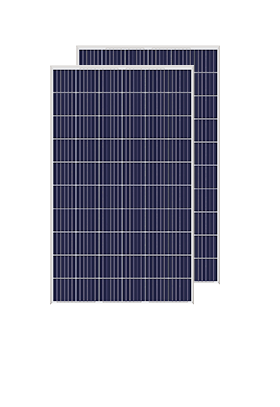


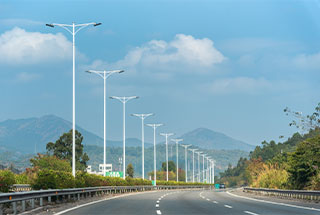
We have cooperated with more than 200 countries in solar energy projects and road lighting projects. We have exported products to many countries and participated in many important government projects around the world.




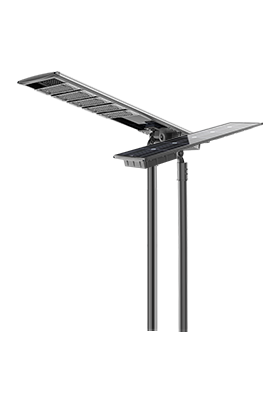


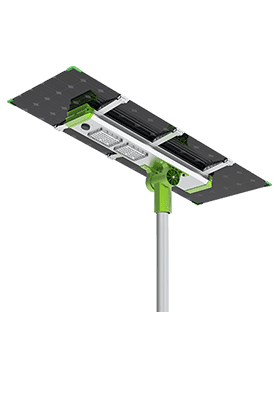
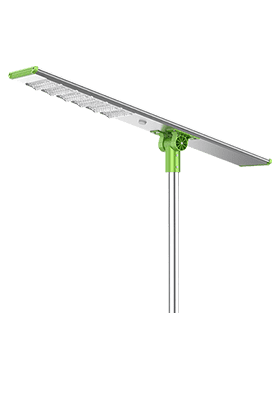
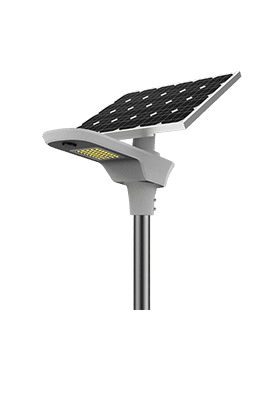


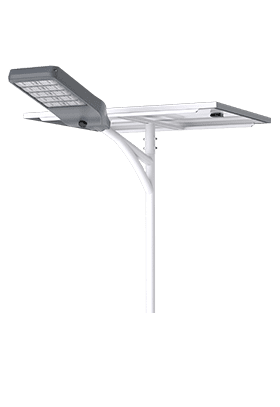
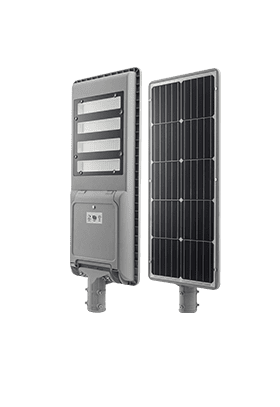
We have cooperated with more than 200 countries in solar energy projects and road lighting projects. We have exported products to many countries and participated in many important government projects around the world.

Anern has 17 years of experience in solar lighting and solar product manufacturing. Anern is headquartered in Guangzhou. With a production base of 30,000 square meters, our company has an R&D team of more than 100 people.
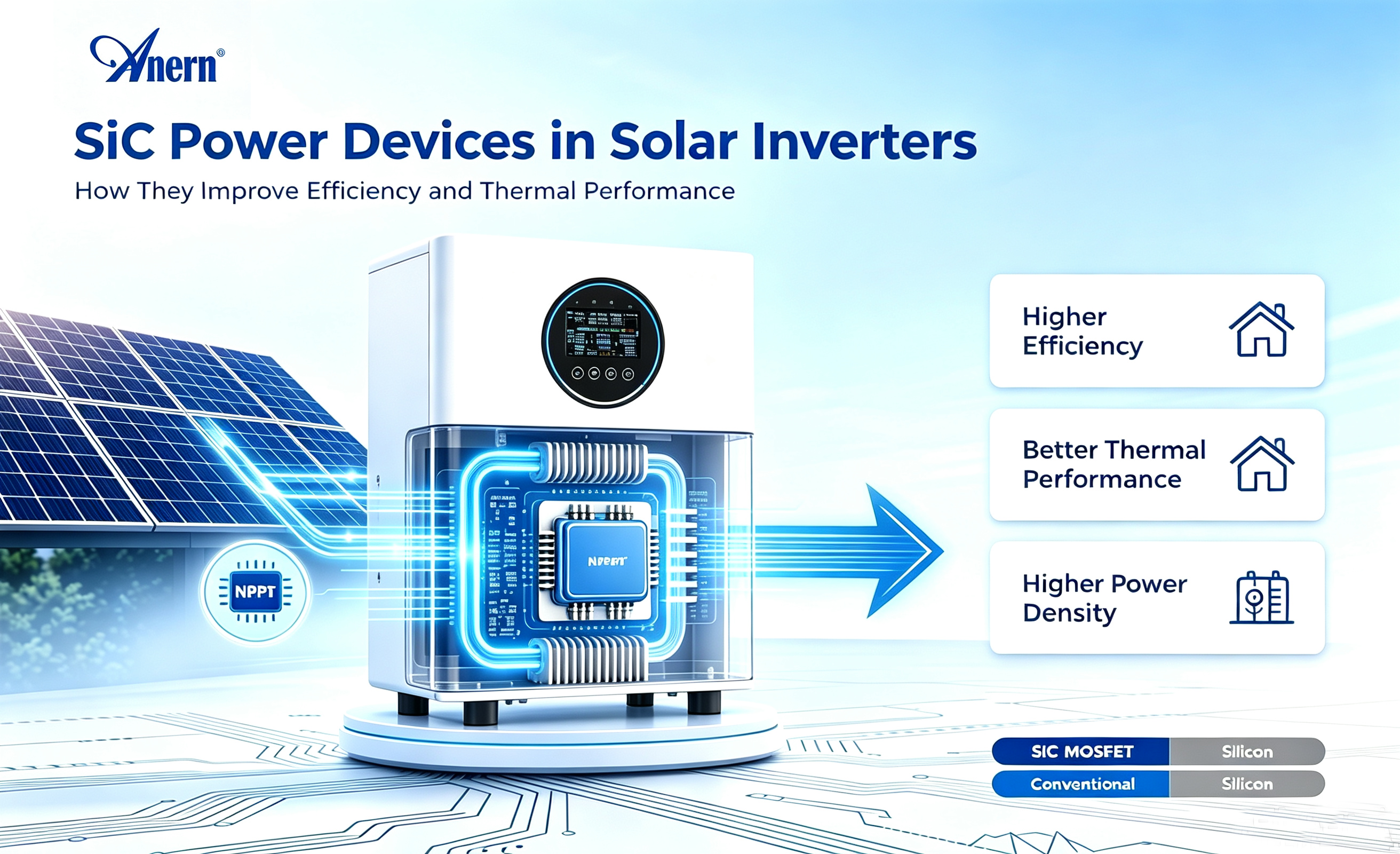
As is known, solar inverters, like other electronic devices, are significantly affected by operating temperature in terms of stability and lifespan. High-power components like electrolytic capacitors fear prolonged operation at high temperatures. Traditionally, small and medium-sized string inverters have used aluminum alloy heat sinks to meet the cooling needs of the internal circuits. In recent years, however, as string inverters have grown in size, natural cooling by heat sinks alone can no longer meet the cooling and temperature requirements of the inverters themselves, and mainstream inverters have resorted to adding fans for forced cooling. Indeed, adding fans for forced cooling significantly improves the cooling effect of the inverters but also introduces some new problems and challenges.
Firstly, adding fans can affect the solar inverter's original protection, and the common solution among inverter manufacturers is to isolate the internal circuits from the cooling system, seal the internal circuits, and cool the external heat sinks directly with fans. In practice, we often see many inverters with dust accumulation on fan blades, increased fan operation noise, reduced cooling effects, and some fans even cease to work due to water or severe dust accumulation, seriously affecting the operation of solar inverters and shortening their lifespan.
The cooling fans increase the energy consumption and noise level of the inverters themselves. The high speed operation of the cooling fans also shortens their lifespan. To address these issues and to minimize the energy consumption brought by adding cooling fans, solar inverter manufacturers have adopted smart air cooling technology for their products, automatically adjusting the fan speed based on the internal temperature of the inverter, reducing noise, and achieving good cooling performance with low power consumption.
Considering the propensity of cooling fans to get dirty and damaged, the solar inverter's design features include an alarm indicator for the cooling fan. The process incorporates a drawer-style or modular design to facilitate and expedite the maintenance and replacement of fans, significantly enhancing the ability of frontline operation and maintenance personnel to diagnose and replace cooling fan faults.
In the blazing summer, how solar inverters quickly dissipate heat and cool down is crucial. The cooling design of the inverter and the selection of the cooling fan determine the lifespan of the solar inverter; considering the fan as a wearable part, its maintenance convenience needs to be fully considered. During the later operation and maintenance of the power station, the role of the fan should be given due consideration, with regular cleaning and maintenance of the fan to ensure that the inverter can dissipate heat and cool down quickly, thus ensuring the inverter's long-term stable operation.