EN
EN
 fr
fr  de
de  es
es  it
it  ru
ru  pt
pt  ar
ar  ms
ms  id
id 



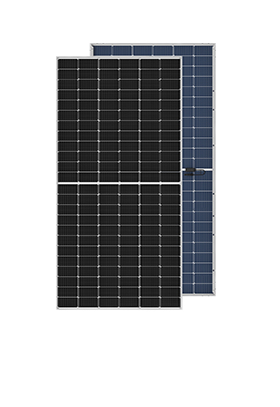
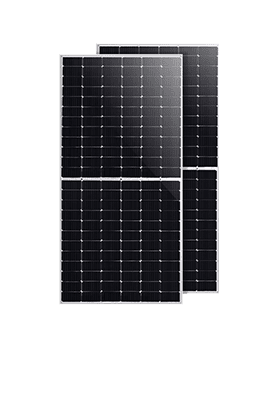
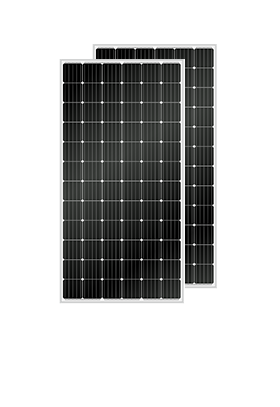
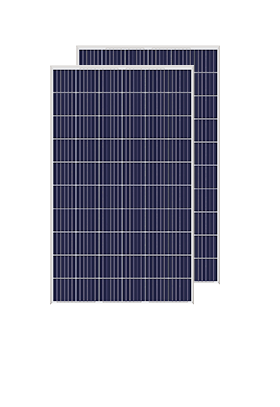



We have cooperated with more than 200 countries in solar energy projects and road lighting projects. We have exported products to many countries and participated in many important government projects around the world.




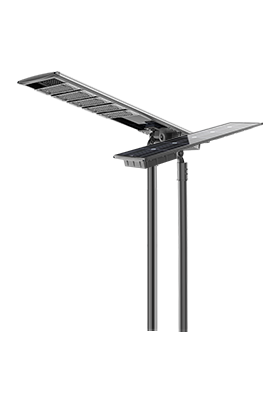


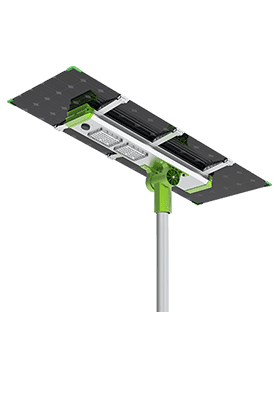
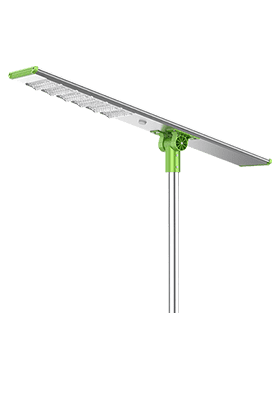
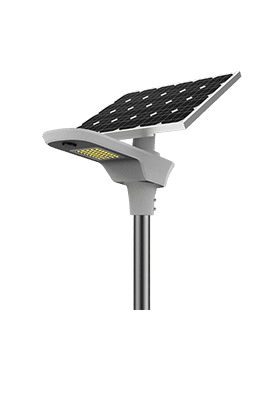


We have cooperated with more than 200 countries in solar energy projects and road lighting projects. We have exported products to many countries and participated in many important government projects around the world.

Anern has 17 years of experience in solar lighting and solar product manufacturing. Anern is headquartered in Guangzhou. With a production base of 30,000 square meters, our company has an R&D team of more than 100 people.
In the current context where renewable energy is increasingly important, hybrid solar power inverters have become the first choice for many households and businesses. Choosing the right hybrid solar power inverter is crucial for efficient and safe use of electricity. This article will explore the selection factors for hybrid solar power inverters from aspects such as power demand, input voltage, grid-connection capability, and more.
Choosing the right hybrid solar power inverter first requires clarity on your power needs. This includes evaluating the power demand of your household or public power grid. Usually, you need to calculate and determine the power and energy consumption of household electrical appliances to select an appropriately powered hybrid solar power inverter.
Input voltage and current are also critical factors. hybrid solar power inverters need to connect to both the solar power generation system and the grid. Therefore, when choosing an inverter, make sure its input voltage and current range meet the rated parameters of your system. For different solar power systems, suitable voltage and current ranges will directly affect the inverter's performance and stability.
When selecting a hybrid solar power inverter, you also need to consider its grid-connection capability. If you plan to integrate the electricity generated by the solar power system into the grid, ensuring that the inverter has good grid-connection functionality is crucial. This not only achieves economic benefits but also improves power utilization efficiency.
Additionally, if you use a battery storage system in an off-grid mode, the hybrid solar power inverter should have a charge controller and battery management function. This ensures that the inverter can effectively allocate power during peak demand periods, achieving the best balance between charging and discharging.
Reliability and quality are must-consider important factors when choosing a hybrid solar power inverter or a hybrid solar inverter without battery. Ensure that the brand and product you choose have a good reputation and stable long-term performance in the market. This will directly affect the lifespan and performance stability of the inverter.
At the same time, price and cost-effectiveness are also elements not to be ignored when making a choice. When selecting a hybrid solar power inverter, you can consider the price and cost-effectiveness of different products based on your budget to choose the most suitable option for you. Considering both performance and price comprehensively will ensure that you get the maximum return on your investment.
Hybrid solar power inverters can be connected to the grid, but grid connection requires meeting a series of technical and safety requirements. First, the output voltage and frequency of the inverter must meet the grid requirements to ensure that the electricity is safely and stably injected into the grid. Synchronization functionality is also crucial; the inverter needs to maintain the same phase and frequency as the grid to avoid interfering with it.
Moreover, hybrid solar power inverters must have comprehensive safety protection functions, including overvoltage, undervoltage, and overcurrent protection. This can promptly disconnect from the grid in case of anomalies to ensure user electrical safety. Also, different regions may have different grid connection requirements for hybrid solar power inverters. Therefore, it is very important to understand and follow local relevant regulations and requirements before connecting to the grid.