EN
EN
 fr
fr  de
de  es
es  it
it  ru
ru  pt
pt  ar
ar  ms
ms  id
id 



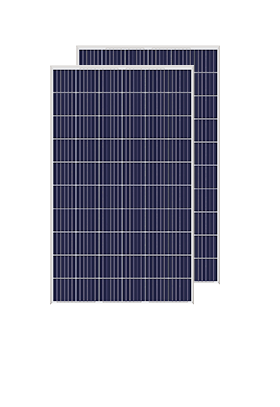



We have cooperated with more than 200 countries in solar energy projects and road lighting projects. We have exported products to many countries and participated in many important government projects around the world.




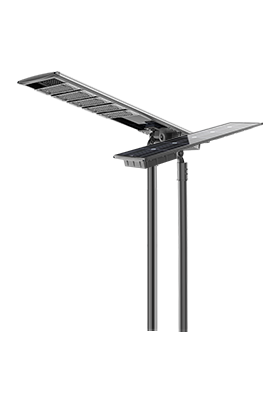


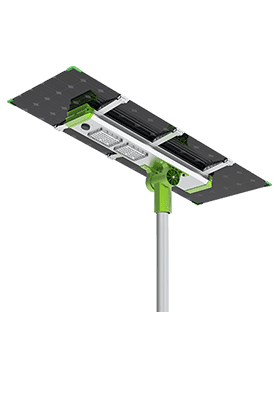
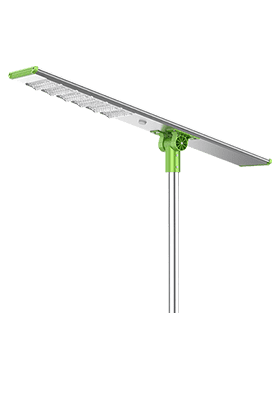
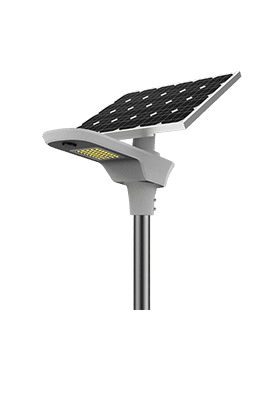


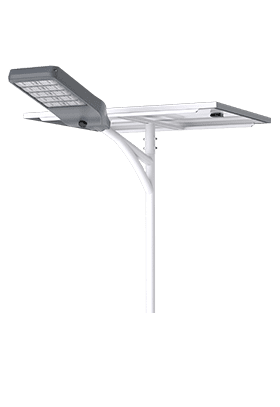
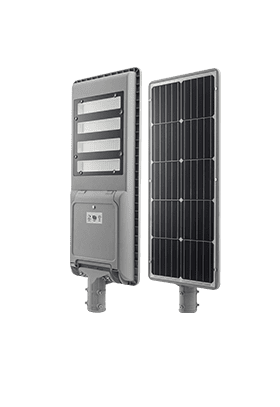
We have cooperated with more than 200 countries in solar energy projects and road lighting projects. We have exported products to many countries and participated in many important government projects around the world.

Anern has 17 years of experience in solar lighting and solar product manufacturing. Anern is headquartered in Guangzhou. With a production base of 30,000 square meters, our company has an R&D team of more than 100 people.
As renewable energy technologies advance, hybrid solar inverters have emerged as a versatile solution to harness the power of the sun while incorporating energy storage for enhanced flexibility and reliability. An intriguing aspect of these inverters is their compatibility with a wide range of battery technologies. In this article, we explore the fascinating world of hybrid solar inverters and their compatibility with diverse battery technologies, highlighting the benefits and considerations for each pairing.
Hybrid solar inverters bridge the gap between solar power generation and energy storage, offering seamless transitions between grid-tied, off-grid, and backup modes. One of the most intriguing features of hybrid inverters is their ability to work in synergy with various battery technologies, enabling users to optimize energy storage and management based on specific needs and priorities.
Battery Technologies Compatible with Hybrid Solar Inverters
Lithium-Ion Batteries: Lithium-ion batteries are widely utilized in hybrid solar systems due to their high energy density, efficiency, and relatively long lifespan. Hybrid inverters can readily integrate with lithium-ion batteries, enabling efficient energy storage and usage during grid outages or times of high demand.
Lead-Acid Batteries: Traditional lead-acid batteries, commonly used in off-grid systems, can also be coupled with hybrid solar inverter. While they have a lower energy density and shorter lifespan compared to lithium-ion batteries, they remain a cost-effective option for specific applications.
Flow Batteries: Flow batteries, known for their scalability and deep discharge capabilities, can be compatible with hybrid solar inverters. These batteries offer the advantage of prolonged cycle life and the ability to store large amounts of energy, making them suitable for commercial or industrial settings.
Nickel-Iron Batteries: Nickel-iron batteries, with their durability and resilience, can also be integrated with hybrid inverters. They are known for their longevity and resistance to extreme temperatures, making them suitable for challenging environments.
Customization: The compatibility of hybrid inverter with various battery technologies allows users to choose the most suitable option based on factors like budget, energy requirements, and performance expectations.
Optimized Energy Storage: Different battery technologies have distinct charging and discharging characteristics. Hybrid inverters intelligently adapt to the specific traits of the chosen battery technology, maximizing energy storage efficiency.
Future-Proofing: Battery technologies continue to evolve. The compatibility of hybrid inverters with multiple options ensures that users can easily upgrade their energy storage system as newer and more advanced batteries become available.
Voltage and Capacity: Hybrid solar inverters and batteries need to be compatible in terms of voltage and capacity. Ensuring that the inverter can accommodate the voltage of the chosen battery technology is essential for seamless integration.
Communication Protocols: Some hybrid inverters and battery technologies are designed to work together seamlessly, utilizing common communication protocols. Ensuring compatibility in this aspect ensures efficient operation and monitoring.
Hybrid solar inverters have ushered in a new era of energy independence and resilience, offering seamless integration with various battery technologies. This compatibility empowers users to tailor their energy storage solutions to their unique needs and preferences. Whether opting for lithium-ion, lead-acid, flow, or nickel-iron batteries, the adaptability of hybrid solar inverters ensures that users can harness the potential of different battery technologies to create efficient and reliable energy systems that align with their energy goals.
You may be interested in: A Full Understanding of Hybrid Solar Inverter