EN
EN
 fr
fr  de
de  es
es  it
it  ru
ru  pt
pt  ar
ar  id
id  ms
ms  uk
uk 






We have cooperated with more than 200 countries in solar energy projects and road lighting projects. We have exported products to many countries and participated in many important government projects around the world.








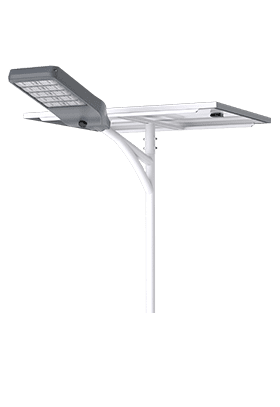
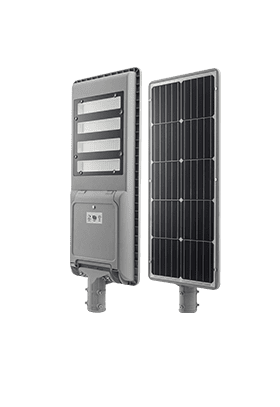
We have cooperated with more than 200 countries in solar energy projects and road lighting projects. We have exported products to many countries and participated in many important government projects around the world.

Anern has 17 years of experience in solar lighting and solar product manufacturing. Anern is headquartered in Guangzhou. With a production base of 30,000 square meters, our company has an R&D team of more than 100 people.
As solar power systems become more sophisticated, maximizing every kilowatt-hour of energy has become just as important as installing high-efficiency solar panels. Homeowners, businesses, and industrial users are no longer satisfied with simply generating electricity—they want intelligent systems that adapt to changing weather, varying roof layouts, and growing energy demands.
One of the most significant technological advances helping achieve this goal is Multi-MPPT (Multiple Maximum Power Point Tracking). Once found mainly in utility-scale projects, Multi-MPPT technology is now increasingly integrated into residential and commercial hybrid solar inverters, offering higher energy yields and greater installation flexibility.
Whether you're evaluating a hybrid MPPT solar inverter for a home battery system or comparing inverter technologies for a commercial project, understanding how Multi-MPPT works can help you make a more informed investment.
As a global solar energy solution provider, Anern incorporates advanced MPPT technologies into its hybrid inverter portfolio to help customers optimize photovoltaic performance under real-world operating conditions.
A common question among first-time solar buyers is: what does MPPT mean in solar?
MPPT stands for Maximum Power Point Tracking, an intelligent electronic control technology built into modern solar charge controllers and inverters.
Solar panels do not produce constant voltage or current throughout the day. Their output changes continuously because of factors such as:
Sunlight intensity
Panel temperature
Cloud cover
Dust accumulation
Seasonal changes
Panel aging
Every photovoltaic module has one operating point where it produces its maximum available power. MPPT continuously monitors panel output and adjusts the electrical operating point to extract the highest possible energy.
Without MPPT, solar panels rarely operate at peak efficiency.
.png "AN-EVO3200(1).png")
Many newcomers search for MPPT and inverter because they are unsure whether these are separate devices.
Historically, MPPT was often integrated into dedicated solar charge controllers for off-grid systems. Today, however, modern hybrid inverters combine multiple functions into a single unit, including:
DC-to-AC power conversion
Battery charging
Battery management
Grid synchronization
Energy monitoring
MPPT control
This integration simplifies installation while improving overall system efficiency.
An advanced MPPT solar hybrid inverter intelligently coordinates energy generation, storage, and consumption without requiring multiple standalone devices.
Traditional solar inverters typically include a single MPPT tracker.
This works well when every solar panel faces the same direction, receives identical sunlight, and operates under similar environmental conditions.
However, real-world installations rarely meet these ideal conditions.
Multi-MPPT technology addresses this limitation by allowing several independent MPPT trackers inside one inverter.
Each tracker independently optimizes a separate group—or string—of solar panels.
Instead of forcing every panel string to operate at the same electrical point, each MPPT finds its own maximum power point.
The result is higher total system output.
Imagine a rooftop with two solar arrays:
East-facing panels receive strong morning sunlight.
West-facing panels generate more electricity during the afternoon.
If both arrays share one MPPT tracker, they cannot simultaneously operate at their respective optimum voltages.
The inverter must compromise between the two operating conditions.
This reduces overall energy harvest.
The same issue occurs when:
Chimneys create partial shading
Nearby trees cast shadows
Buildings block sunlight
Different panel models are installed
Roof sections have varying tilt angles
In these situations, energy losses can become surprisingly significant.
Multi-MPPT technology solves these challenges by treating each panel string independently.
Each MPPT tracker continuously searches for its own maximum operating point.
The advantages include:
If one string experiences temporary shading, the remaining strings continue operating at their own optimum output.
Only the affected section experiences reduced production.
East-west roof designs have become increasingly popular because they extend daily solar generation.
Multi-MPPT allows each orientation to operate independently.
Commercial rooftops often contain multiple roof sections with different slopes.
Independent MPPT tracking maximizes production from every section.
Additional solar arrays can often be connected to unused MPPT inputs without redesigning the entire electrical system.
Feature | Single MPPT | Multi-MPPT |
Independent panel optimization | No | Yes |
Supports multiple roof directions | Limited | Excellent |
Partial shading performance | Moderate | Excellent |
Expansion flexibility | Lower | Higher |
Installation adaptability | Standard | Very High |
Energy harvest | Good | Higher in complex installations |
Although both technologies are effective, Multi-MPPT becomes increasingly valuable as system complexity increases.
Today's intelligent hybrid inverter MPPT systems do much more than maximize photovoltaic generation.
They also coordinate:
Battery charging
Household consumption
Grid import
Grid export
Backup power
Time-of-use energy scheduling
When Multi-MPPT is integrated into hybrid architecture, the inverter not only captures more solar energy but also allocates that energy more efficiently throughout the day.
For example:
Morning solar production can charge batteries while powering household loads.
Afternoon surplus electricity can supply high-demand appliances or feed excess power back to the utility grid.
Evening battery discharge can reduce electricity purchases during peak utility pricing periods.
This intelligent energy management improves both energy independence and return on investment.
For many projects, the answer is yes.
Although Multi-MPPT inverters may carry a slightly higher initial cost, the additional energy generated over the system's lifetime often outweighs the difference.
Projects that benefit most include:
Homes with complex roof structures
Commercial buildings
Industrial facilities
Solar-plus-storage systems
Agricultural installations
Schools and public buildings
When comparing a 2kW MPPT solar inverter price, buyers should consider not only the purchase price but also the lifetime energy production enabled by advanced MPPT technology.
Higher annual energy yield can shorten the payback period while increasing long-term savings.
Not every inverter offering MPPT provides the same level of performance.
Professional buyers should evaluate several technical factors, including:
Number of independent MPPT trackers
Maximum PV input voltage
MPPT voltage operating range
Maximum input current
Conversion efficiency
Battery compatibility
Smart monitoring platform
Firmware upgrade capability
An experienced manufacturer can help determine the most suitable inverter configuration based on roof design, battery capacity, and future expansion plans.
As renewable energy applications continue to evolve, Anern focuses on developing intelligent inverter solutions that improve both energy efficiency and user experience.
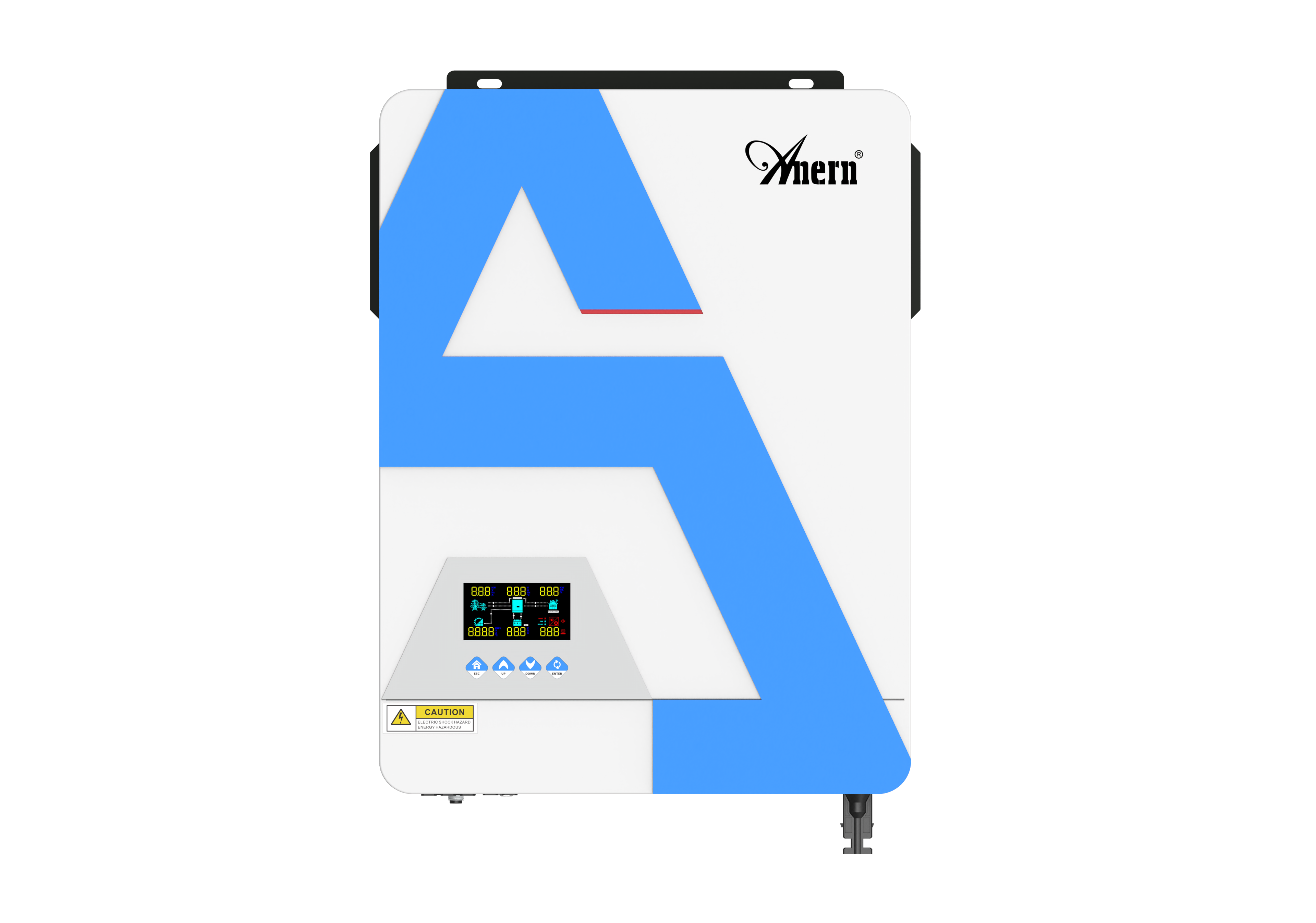
Its portfolio of Anern solar inverters includes hybrid models equipped with advanced MPPT technology designed to optimize power generation under diverse installation conditions. Whether panels are installed on residential rooftops, commercial buildings, or agricultural facilities, independent MPPT tracking helps maximize photovoltaic output throughout the day.
For customers evaluating a MPPT inverter, Anern emphasizes more than conversion efficiency alone. Its products combine intelligent energy management, lithium battery compatibility, remote monitoring, and flexible system configuration to support long-term operational reliability.
From compact residential installations to larger commercial energy storage projects, the company's inverter solutions are engineered to adapt to changing energy demands while simplifying installation and maintenance.
The solar industry is moving beyond simply installing more photovoltaic panels. The next phase of development focuses on extracting greater value from every module already on the roof.
Multi-MPPT technology is a major step in that direction. By independently optimizing multiple PV strings, it minimizes mismatch losses, improves performance under partial shading, accommodates complex roof layouts, and increases overall system flexibility.
As battery storage, electric vehicles, and smart energy management become more common, Multi-MPPT will play an increasingly important role in maximizing solar energy utilization. For homeowners seeking higher self-consumption, businesses aiming to reduce operating costs, or distributors looking for advanced inverter solutions, selecting a reliable MPPT solar hybrid inverter from an experienced manufacturer such as Anern provides a practical foundation for building efficient, future-ready solar energy systems.