EN
EN
 fr
fr  de
de  es
es  it
it  ru
ru  pt
pt  ar
ar  ms
ms  id
id 



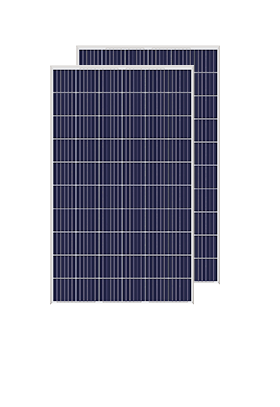


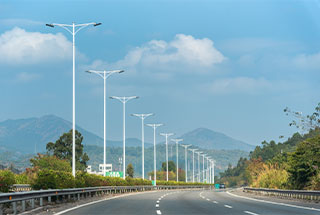
We have cooperated with more than 200 countries in solar energy projects and road lighting projects. We have exported products to many countries and participated in many important government projects around the world.




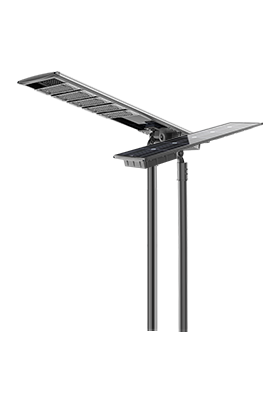


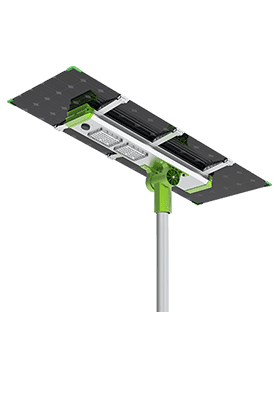
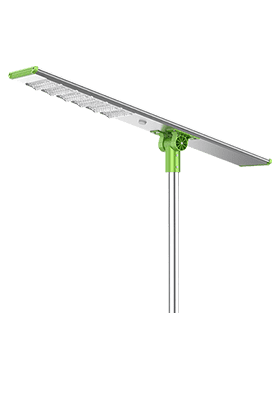
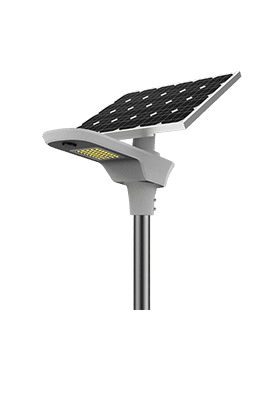


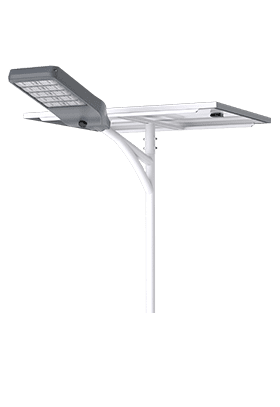
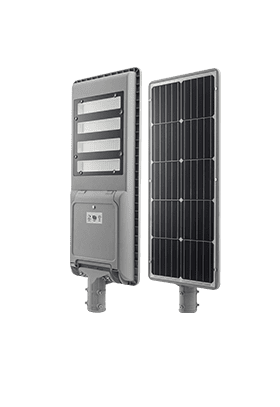
We have cooperated with more than 200 countries in solar energy projects and road lighting projects. We have exported products to many countries and participated in many important government projects around the world.

Anern has 17 years of experience in solar lighting and solar product manufacturing. Anern is headquartered in Guangzhou. With a production base of 30,000 square meters, our company has an R&D team of more than 100 people.
One of the core components of solar street lights is the battery, which directly affects the lighting effect and service life of the street lights. When selecting and configuring the battery for all-in-one integrated solar street lights, different types and capacities of batteries have their unique advantages and applicable scenarios. Next, we will provide a detailed introduction to the common battery types for solar street lights and their capacity configuration calculation methods.
Lead-acid batteries
Features: Lead-acid batteries are widely used for their stable voltage and low price. However, due to their low energy density, relatively large volume, and lifespan of about300-500deep cycles.
Gel batteries
Features: Gel batteries are an upgraded version of lead-acid batteries, using gel electrolyte instead of sulfuric acid electrolyte, enhancing safety, storage capacity, and lifespan, suitable for use in a wide temperature range.
Ternary lithium batteries
Features: Ternary lithium batteries have the advantages of high energy density, small volume, and fast charging, with a lifespan of about 500-800 deep cycles, but relatively high cost.
Lithium iron phosphate batteries
Features: Lithium iron phosphate batteries are the best performance choice, with high energy density, long lifespan, and strong stability, safe to use in a wide temperature range, with a lifespan of up to 8-10 years.
The battery capacity configuration of an all-in-one integrated solar street light needs to be reasonably calculated based on the actual situation to ensure that it can meet the night lighting needs and usage conditions of continuous rainy days. Here is a simple capacity calculation example:
Calculation Steps:
1. LED lamp power and current: Assume LED lamp power is 40W, working in a 24V system.
Average daily effective sunlight hours: Assume4 hours.
2. Daily discharge time: Assume10 hours, can be adjusted according to actual needs in practical applications.
3. Number of consecutive rainy days: Assume continuous power supply for 5 days (including the night before a rainy day).
Battery capacity calculation formula:
Calculate LED lamp current: 40W ÷ 24V = 1.67A
Calculate daily discharge amount:1.67A × 7 hours = 11.69AH
Calculate the total discharge amount for5 days: 11.69AH × 5 = 58.45AH
Actual battery capacity required:
Considering 20% reserve capacity and additional loss of charging and discharging, the actual requirement is:
58.45AH ÷ 80% × 120% = 87.68AH
Therefore, the actual required battery capacity is 24V / 87.68AH.
According to the above calculation method, you can select a suitable capacity solar battery, such as two12V / 100AHor120AHbatteries in series, to ensure that the solar street light can operate stably under various environmental conditions.
Through reasonable battery selection and capacity configuration, all-in-one integrated solar street lights can not only provide efficient lighting effects but also maintain stable operation under different climatic conditions, continuously supporting the lighting needs of urban and rural areas.