EN
EN
 fr
fr  de
de  es
es  it
it  ru
ru  pt
pt  ar
ar  id
id  ms
ms  uk
uk 





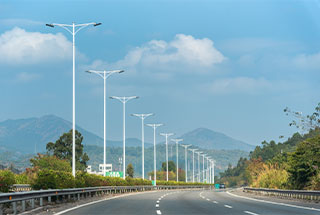
We have cooperated with more than 200 countries in solar energy projects and road lighting projects. We have exported products to many countries and participated in many important government projects around the world.




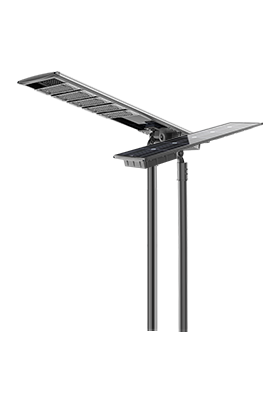


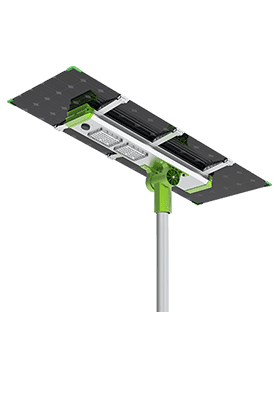
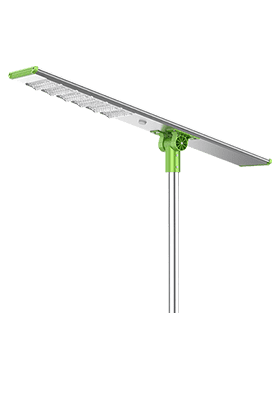
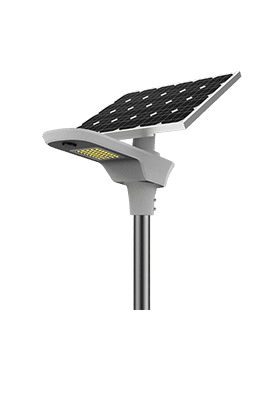


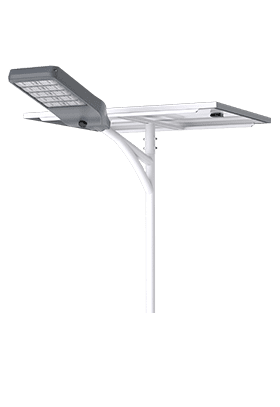
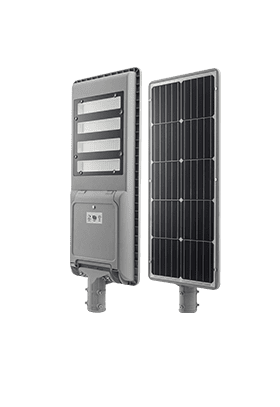
We have cooperated with more than 200 countries in solar energy projects and road lighting projects. We have exported products to many countries and participated in many important government projects around the world.

Anern has 17 years of experience in solar lighting and solar product manufacturing. Anern is headquartered in Guangzhou. With a production base of 30,000 square meters, our company has an R&D team of more than 100 people.
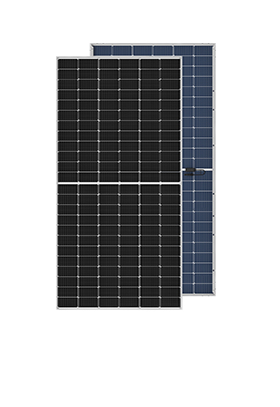
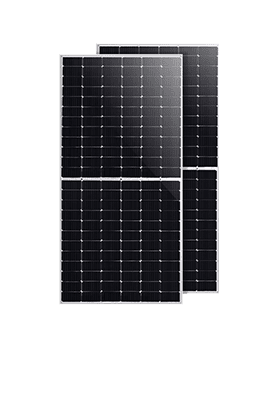
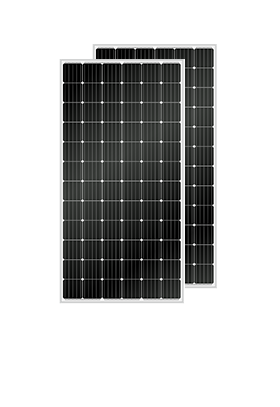
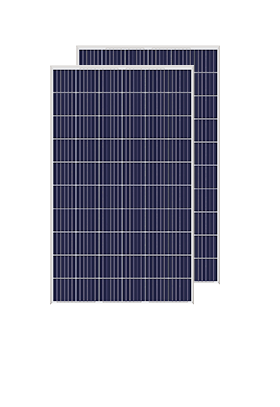
This case study is about the deployment of Anern double-glass solar panels in a rooftop photovoltaic project in Nigeria. The Nigerian power grid experiences instability, high temperatures, high humidity, and strong ultraviolet radiation. This project demonstrates the performance of double-glass photovoltaic modules under harsh environmental conditions.
Location: Nigeria
System Type: Rooftop Solar System
Product used: Anern double-glass solar panels
Quantity: 720 sets
Buyer Types: Wholesaler
Initial order: March, 2024
Installation Duration: 3 months
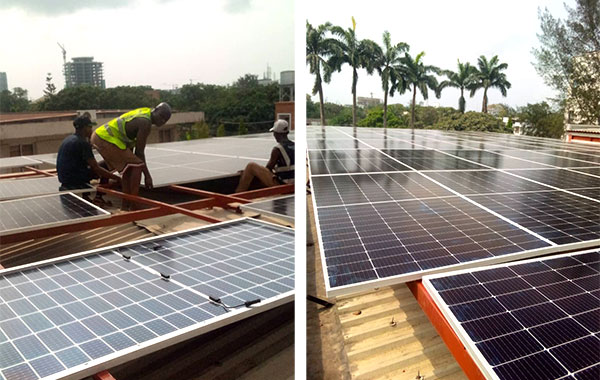
Double glass solar panel installation in Nigeria
These panels have been installed and commissioned under real environmental conditions without requiring additional climate protection measures, and are ready for on-site operation.
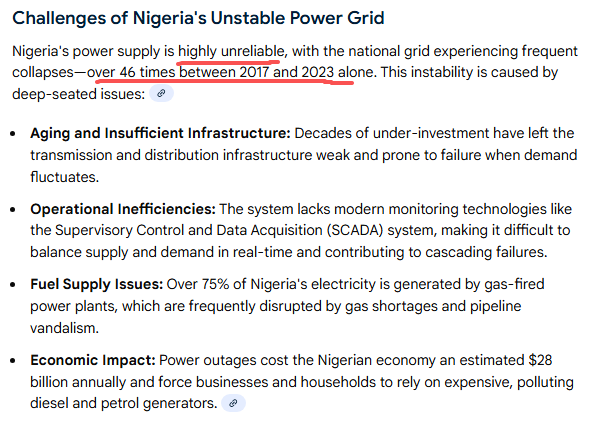
Nigeria’s electricity system is extremely unstable, with the national grid suffering repeated failures, collapsing more than 46 times between 2017 and 2023.
To read more: https://www.reuters.com/world/africa/why-nigerias-power-grid-is-failing-2024-12-11/
For solar energy installers and distributors, product durability and long-term performance are crucial considerations, especially for projects that face the following situations:
High ambient temperature
High humidity and seasonal rainfall
Intense ultraviolet radiation
Extended outdoor operation cycle
Against this backgroud, a Nigerian PV wholesaler is seeking products that can operate stably for a long time and maintain structural integrity.
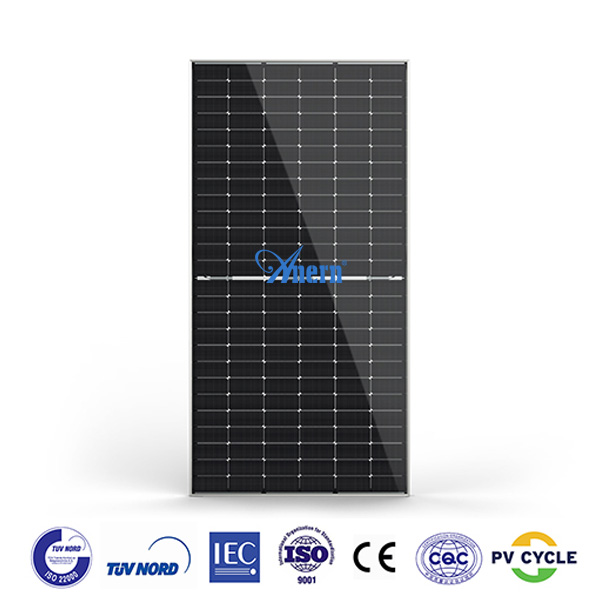
After technical discussions with Anern's engineering and sales teams, the customer evaluated the applicability of double-glass solar panels for installation on local rooftops.
Key technical considerations include:
Decreased power attenuation over time
Improved heat and moisture resistance
Structural durability under long-term outdoor exposure
Based on these requirements, the customer chose Anern dual-glass photovoltaic panels for the rooftop solar project.
During several months of on-site operation, the installed solar panels showed:
Maintain stable power output under high temperature conditions
Low power attenuation during continuous exposure
No structural damage during severe weather conditions
The performance results meet the project's initial technical expectations for durability and efficiency.
After the initial installation and successful operation, the customer placed another order in August of the same year to fulfill the following additional requirements:
Community-level power supply project
Public and government-related solar energy installations
This reorder reflects confidence in the product's on-site performance and long-term reliability.
This solar project demonstrates how double-glass solar panels support solar power generation projects in regions with harsh environmental conditions. For distributors and installers operating under similar climatic conditions, this case provides them with references in the following aspects:
Product selection in high-temperature and high-humidity areas
Consideration of long-term durability of rooftop photovoltaic systems
Provide scalable supply for community and public sector projects
Q: Why are double-glass solar panels suitable for high-temperature regions?
A: Double-glass panels offer improved resistance to heat, moisture, and UV exposure, helping reduce long-term power degradation in harsh climates.
Q: What type of project was this system used for?
The panels were used in a rooftop solar system installation serving local power needs.
Q: Did the system require special environmental protection?
No additional climate protection was required beyond standard rooftop installation practices.
Q: Why did the customer place a second order?
The second order followed stable system performance and was used to support larger community and public-sector solar projects.
Q: Is this solution applicable to other African markets?
Yes. Similar environmental conditions exist in many African regions, such as Zambia, Kenya, Mali, South Africa, Congo, Botswana, Ethopia, Uganda, Libya, Moroco, Zimbabwe, Egypt, Ghana, and more.
You may want to read more: